Last updated November 18, 2026


Free written scope consultation - allowances, timeline, and change-order rules on paper before a single trade is scheduled
Fence Installation Warning Signs Every Homeowner Should Know
A fence installed without a utility locate call exposes the homeowner, not the contractor, to repair liability if a line is struck. That single omission costs between $500 and $10,000 depending on what sits underground, and most homeowners never ask whether it was done. The same pattern repeats across the trade: the expensive mistakes hide in skipped paperwork and skipped site prep, not in the finished panels. This guide shows you how to read a fence contract, spot a bad installation while it is still in progress, and verify material grades before anything gets buried in Fort Worth soil.
Quick Answer
The clearest warning signs of a risky fence job are a contract that names “fence installation” as a single lump line item with no post depth, spacing, concrete ratio, or panel attachment specs; a quote that omits the permit line; and a crew that sets posts without concrete or installs panels before the concrete cures. Any one of these predicts a failure or a billing dispute. If you see two or more, walk away.
Styles & brands we work with
- Kitchen remodeling
- Bathroom remodeling
- Home additions & ADU
- Roofing
- Windows & doors
- Driveway & pavers
- Fence
Table of Contents
- Contract Red Flags That Predict a Dispute
- What a Missing Permit Line Really Means
- The Utility Locate Question Nobody Asks
- On-Site Warning Signs During Installation
- How to Verify Material Grade Before It Goes In
- The Contract Clause That Stops Invoice Surprises
- Fort Worth Soil, Wind, and HOA Factors
- How to Vet a Fence Installer Before You Sign
Contract Red Flags That Predict a Dispute
A fence contract that lists “fence installation” as one line item with a single price tells you almost nothing. The specs that determine whether a fence stands for 20 years or leans in year three belong in the document, in writing, before work starts. When they are absent, the installer has room to substitute materials and cut corners, and you have no written standard to hold them to.
Here is what a legitimate fence contract specifies, line by line:
- Post depth and diameter: depth below grade (commonly 24 to 36 inches in Fort Worth’s expansive clay) and post size (4×4 versus 6×6, actual dimensions)
- Post spacing: center-to-center distance, typically 6 to 8 feet, and whether that spacing changes on a slope
- Concrete mix and volume: bag mix ratio and cubic feet per hole, not just “concrete set”
- Panel attachment method: nails versus screws, rail count, and fastener gauge
- Material grade and brand: cedar grade, vinyl wall thickness, or iron gauge, named
- Gate hardware: hinge type, latch, and whether the gate frame is welded or assembled
- Disposal: who hauls off old fence and spoil dirt
We have reviewed competitor estimates where “fence installation” appeared as a single $4,800 line with no post depth, no concrete spec, and no fastener listed. That is not a quote. It is a placeholder. Under Clause 1 of The Haven Standard, a written price with a written scope comes before anyone starts. If a Fort Worth fence contractor will not put post depth and concrete ratio in writing, the missing specs are the warning sign.
What a Missing Permit Line Really Means
When a fence quote skips the permit line item, the contractor is telling you who carries the risk if the fence fails inspection: you do. Fort Worth and most surrounding municipalities require a permit for fences above a certain height, for fences in front setback areas, and for anything on a corner lot with sight-line rules. The permit fee is small. The liability is not.
If a fence is built without a required permit, the outcomes are all bad:
- Inspection failure: the city can require removal or modification at your cost, not the installer’s.
- Property line disputes: an unpermitted fence built over a surveyed line becomes your problem to resolve and pay to move.
- Sale complications: title and survey issues surface during closing, and buyers negotiate hard on unpermitted structures.
- HOA enforcement: many Fort Worth-area HOAs require architectural approval before installation, separate from the city permit.
- Insurance questions: some policies ask about permitted structures when a fence is damaged and a claim is filed.
Ask directly: “Who pulls the permit, and is the fee in this quote?” If the answer is “you don’t need one” and the fence is over six feet or sits forward of the house, get that in writing or get another contractor. Rowan pulls permits and passes inspections as standard, and the line item shows up on the written quote where you can see it.
The Utility Locate Question Nobody Asks
The Texas 811 call, the free utility locate, is the single most-skipped step in fence work, and it is the one that transfers the most risk to you. If a crew digs a post hole into a gas line, water main, irrigation main, or private data line, the repair bill lands between $500 and $10,000 depending on what is underground and who owns it. Some of those costs are not covered by homeowner insurance because the line was not located first.
Here is what should happen before a single post goes in the ground:
- The installer calls 811 at least two business days before digging (the legally required window in Texas).
- Public utilities mark their lines; the installer photographs the marks.
- Private lines on your side of the meter (sprinkler, landscape lighting, pool equipment, detached garage feed) get located separately, usually by a private locate service.
- Post placement is adjusted around the marks, and the adjustment is documented.
We have seen Fort Worth fences go up over unmarked irrigation lines when the homeowner was never told 811 had been skipped. The follow-up repair was on the homeowner’s tab. Ask for the locate ticket number. No ticket, no digging.
On-Site Warning Signs During Installation
You don’t need to know how to build a fence to see a bad one going up. Watch the crew for these specific behaviors, and if you see more than one, stop the work and ask questions before more holes are dug. These are all visible from the kitchen window.
- Posts set without concrete. Posts packed with dirt, gravel, or foam instead of concrete will rack and lean within two seasons in Fort Worth clay. Stand near a fresh post; if there is no wet concrete visible at the top of the hole, ask why.
- Spacing wider than spec. Pace between posts. If your contract said 8 feet on center and you count 10, the pickets and rails will sag.
- Panels installed before cure. Concrete needs roughly 24 to 48 hours before panels and rails load the posts. Panels going on the same afternoon as the pour is a warning sign that the crew is racing a schedule, not building a fence.
- No string line. A fence that wanders is a fence built without a string line. Watch for one stretched post-top-to-post-top.
- Ends and corners set shallow. Corner and gate posts carry the most load and need the deepest, widest concrete footings. If corners look the same as mid-run posts, they were underbuilt.
- Rails nailed, not screwed, on gates. Gate frames that are nailed will sag. Look for screws or, better, a welded gate frame.
- No photo record. A crew that does not photograph post depth, concrete volume, and locate marks has no defense and gives you no evidence. Our documented photo record on every visit is included as standard, not an upgrade.
How to Verify Material Grade Before It Goes In
Material grading is where a fence quote hides its real margin, and it is almost never disclosed unprompted. Two quotes can read “cedar privacy fence, 6 feet” and be built with materials that differ by thousands of dollars and five years of service life. Ask to see the grade in writing before delivery, not the morning of installation.
What to check, by material:
- Cedar grade: Grade 1 (clear, few knots, straight grain) versus Grade 2 (more knots, some wane). Most quotes assume Grade 2 without saying so. Grade 1 pickets cost meaningfully more and last noticeably longer against Fort Worth’s summer sun and spring storms.
- Vinyl wall thickness: “nominal” thickness is not actual thickness. Ask for the actual wall dimension (commonly in mils) and whether the panels are routed or notched. Cheaper vinyl is thinner and goes chalky and brittle faster in Texas heat.
- Iron gauge: ornamental iron is specified by gauge; lower gauge number means thicker metal. A 14-gauge iron panel will outlast a 16-gauge panel and costs more. Ask for the gauge number in writing.
- Fastener grade: galvanized or stainless fasteners versus standard. In our humidity, cheap fasteners rust and streak the fence within a few years.
- Concrete bag mix: the ratio matters for holding power in clay; ask what bag mix the crew will use and how many per hole.
Ask for the brand name. Quality installers work with named manufacturers because it protects you and them. Rowan sources from over fifty vetted material brands, and the brand names are what show up in the written quote instead of “premium cedar.” If a Fort Worth installer will not name a grade or a brand, assume the cheaper one.
The Contract Clause That Stops Invoice Surprises
The clause that prevents post-installation “extras” from appearing on your final invoice is a signed change order requirement. It reads roughly like this: “No change to scope or price proceeds until a written change order is signed by the homeowner.” Without that clause, an installer can discover “unexpected rock” or “extra concrete needed” mid-job and add charges to the final bill with no approval step. With the clause, every addition is priced and signed before work continues.
Two things happen when a fence contractor works without signed change orders:
- Cost creep. Small additions pile up, and the final invoice is materially higher than the quote you budgeted.
- Scope arguments. Both sides remember the conversation differently, and there is no written record. The disagreement eats weeks and goodwill.
This is the administrative discipline behind Rowan’s record of projects finishing within a few percent of the agreed cost across more than 4,000 jobs. A signed change order is not paperwork for its own sake. It is the difference between a fence project that ends on schedule and one that ends with a dispute. Ask any fence contractor you are considering to show you the change order language in their contract before you sign.
Fort Worth Soil, Wind, and HOA Factors
Fort Worth is a challenging place for a fence, and the local failure patterns are specific. Our expansive clay soil swells and shrinks with seasonal moisture, which racks posts and opens picket gaps. Summer heat above 100 degrees dries cedar and degrades vinyl. Spring hail and straight-line winds take down underbuilt fences in neighborhoods like Ridglea, Tanglewood, and Wedgwood, where lots are wide and fence runs are long. On the west side toward Aledo and Willow Park, the wind exposure is higher and the soil can be shallower over limestone.
Those conditions change what “built right” means in Fort Worth:
- Post depth: 24 to 36 inches is the practical range; corners and gates need the deeper end and wider footings.
- Concrete volume: more per hole to resist clay movement, not less.
- Grade: a higher cedar grade or a thicker vinyl actually pays off here because of sun and thermal cycling.
- HOA rules: many Fort Worth-area HOAs specify height, material, and style, and approvals must be in hand before the first post.
Detailed neighborhood pricing and material ranges for the area are covered in our Fence Installation in Fort Worth guide. If your fence shares a line with a driveway or paver project, our Driveway & Pavers in Fort Worth page covers the site-prep sequencing that keeps both projects honest.
How to Vet a Fence Installer Before You Sign
The fastest way to spot a problem installer is to ask for documentation and watch how they respond. A good one sends it without hesitation. A bad one deflects, gets vague, or tells you it isn’t necessary. Here is the sequence we recommend:
- Ask for the written scope with specs. Post depth, spacing, concrete ratio, material grade, brand, and gate hardware. If they cannot produce it before you sign, they will not produce it after.
- Confirm the permit and the utility locate. Both should be named in the quote, and the locate should be scheduled before the dig date.
- Verify credentials. License number, background-checked and uniformed crews, and proof of insurance. All three should be available without a chase.
- Ask about the change order language. The signed change order clause should be in the contract, not promised verbally.
- Ask for the photo record. A documented photo record on every visit, included as standard, is the evidence you will need if anything goes wrong.
- Get a second opinion on any estimate. Our Free Second Opinion on any written estimate is exactly that: bring a competitor’s quote and we review it line by line at no charge.
For the broader picture of how fence work fits into a larger project, the Rowan Construction Group Fort Worth home page covers all seven trades, and the Home Additions & ADU in Fort Worth guide is useful if your fence shares a setback with an addition.
Common Mistakes to Avoid
- Signing a lump-sum fence quote. A single “fence installation” line with no specs is a placeholder, not a contract. You have no standard to hold the installer to when the fence fails.
- Assuming the contractor called 811. Ask for the locate ticket number. If there isn’t one, the liability for a struck line is yours, and in Fort Worth that bill runs $500 to $10,000.
- Letting panels go up the same day as the pour. Concrete wants roughly 24 to 48 hours before the panels load the posts. Racing the schedule shortens the fence’s life.
- Taking the quote’s word on material grade. Cedar Grade 1 versus Grade 2, vinyl by actual mils, iron by gauge, are all unstated unless you ask. The cheaper one is what gets delivered when the grade is not in writing.
- Skipping the permit to save a few dollars. An unpermitted fence in Fort Worth can be required to come down at your cost, and it complicates a future sale.
- Working without a signed change order. “Extras” discovered mid-job land on the final invoice with no approval step. The clause that stops this is the signed change order.
- Not asking for the photo record. A crew that doesn’t document post depth, concrete, and locate marks leaves you with no evidence if the fence fails at year two.
See the difference
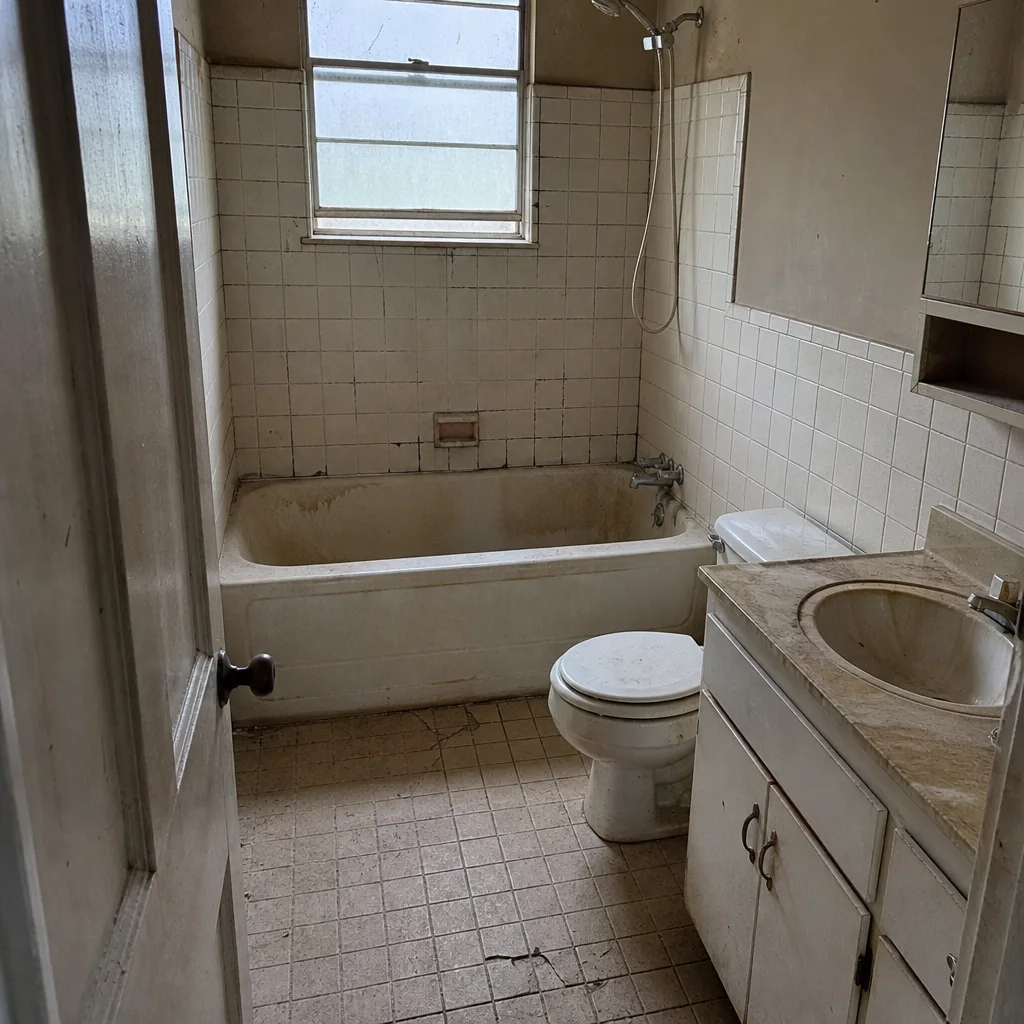 Before
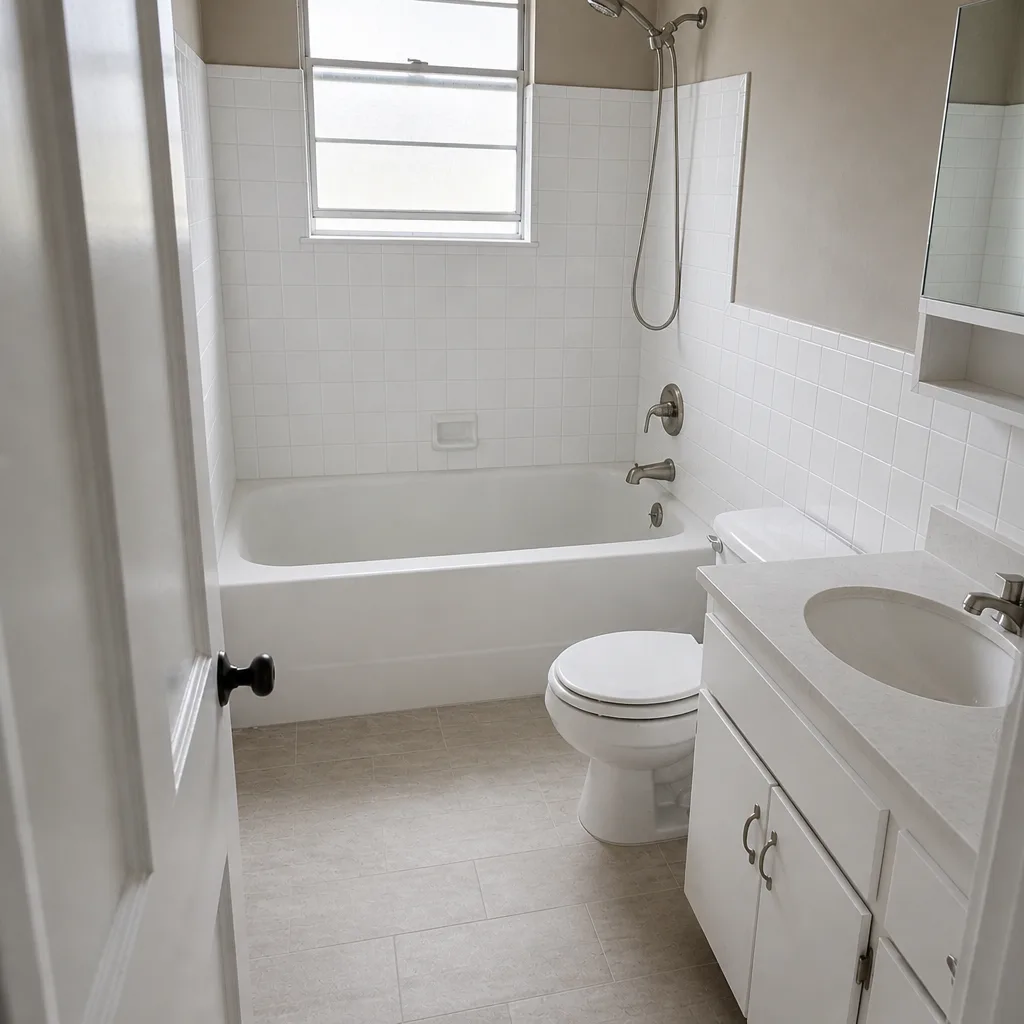 After
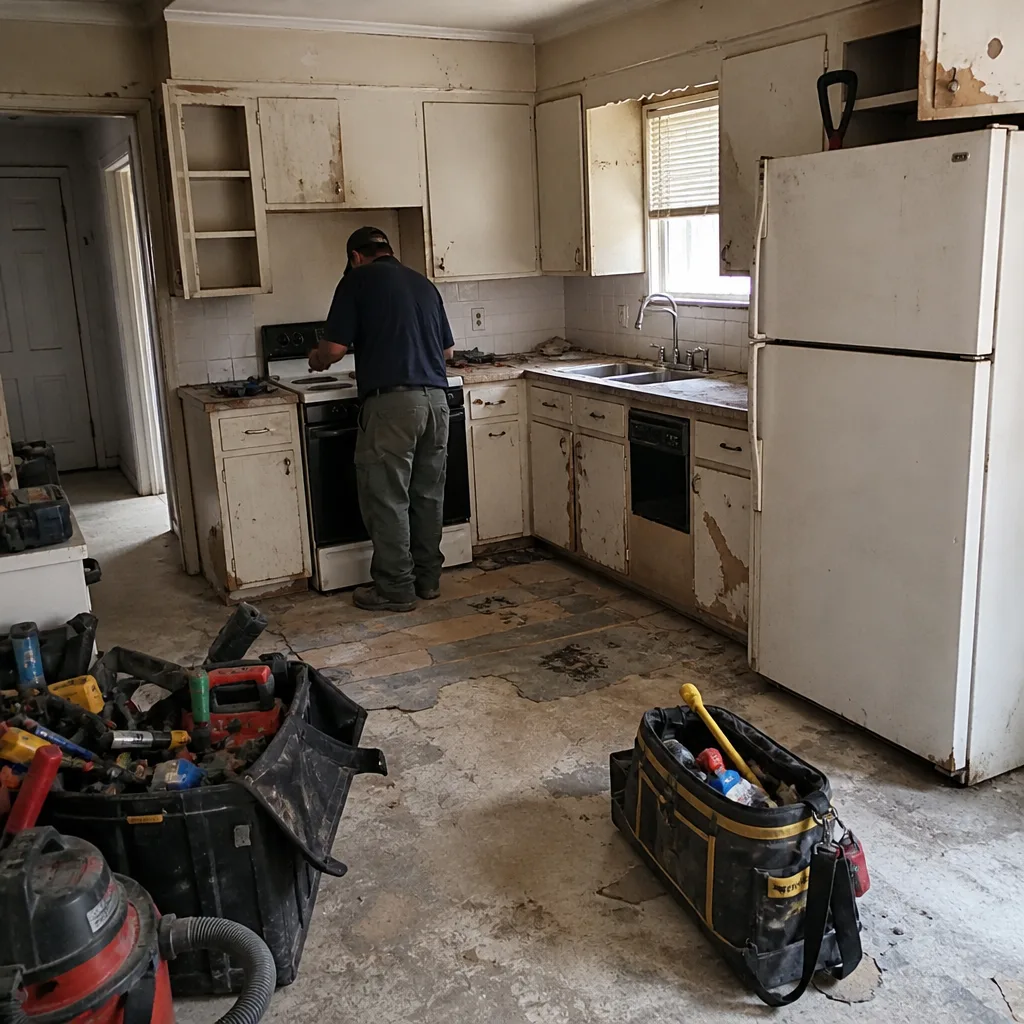 Before
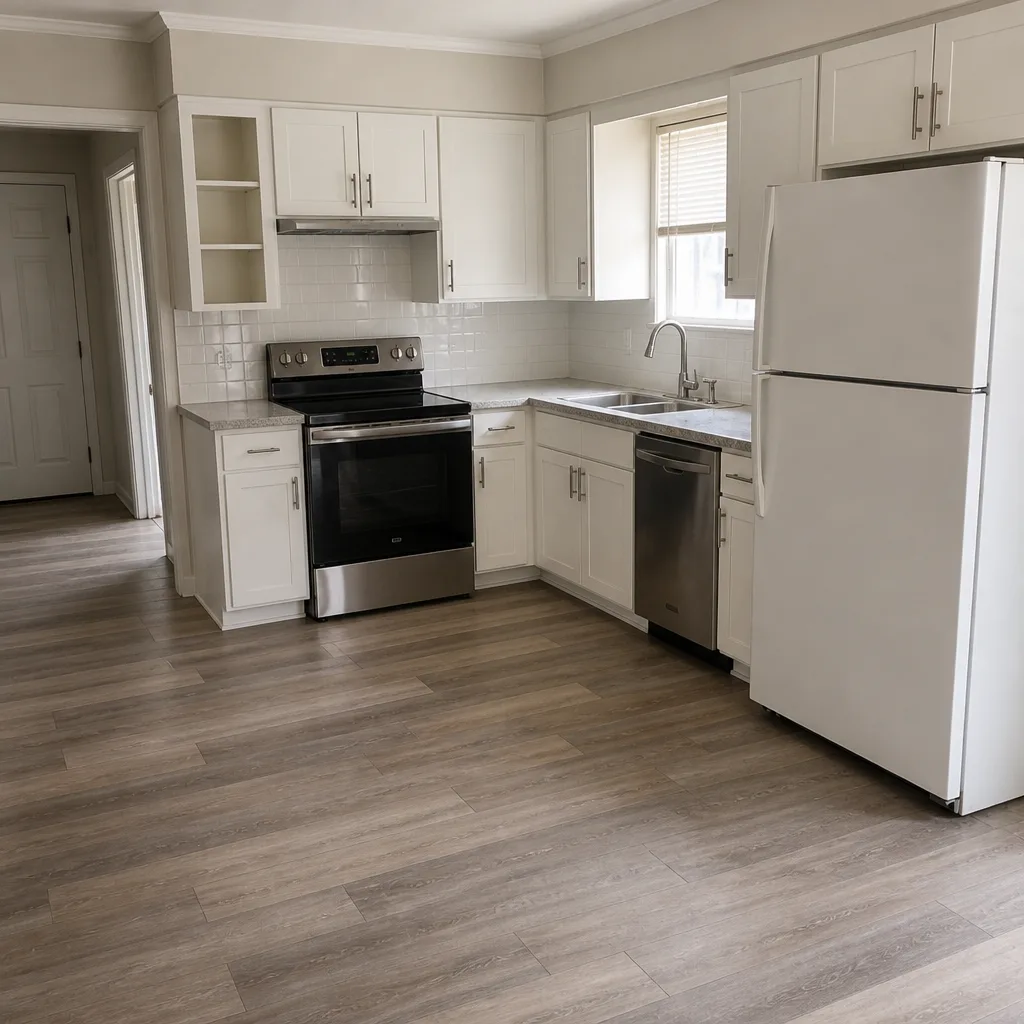 After
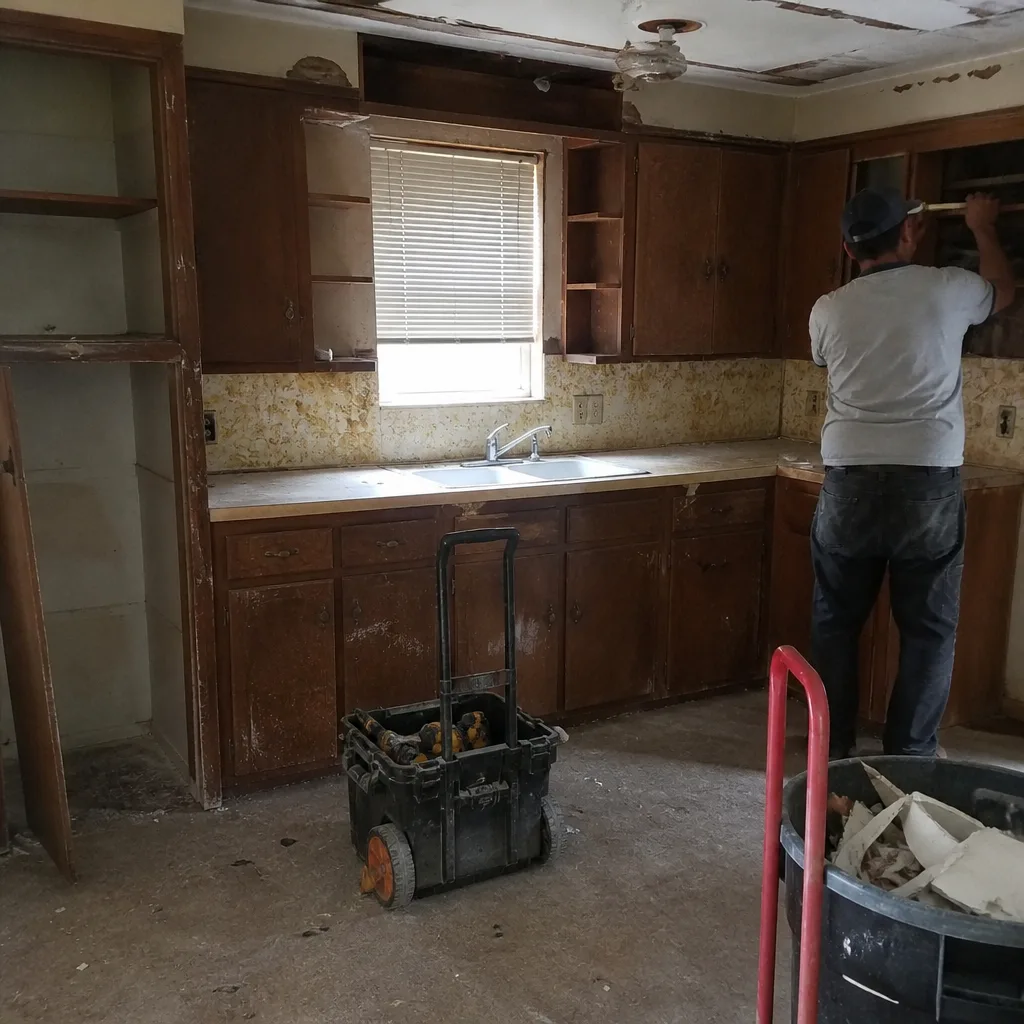 Before
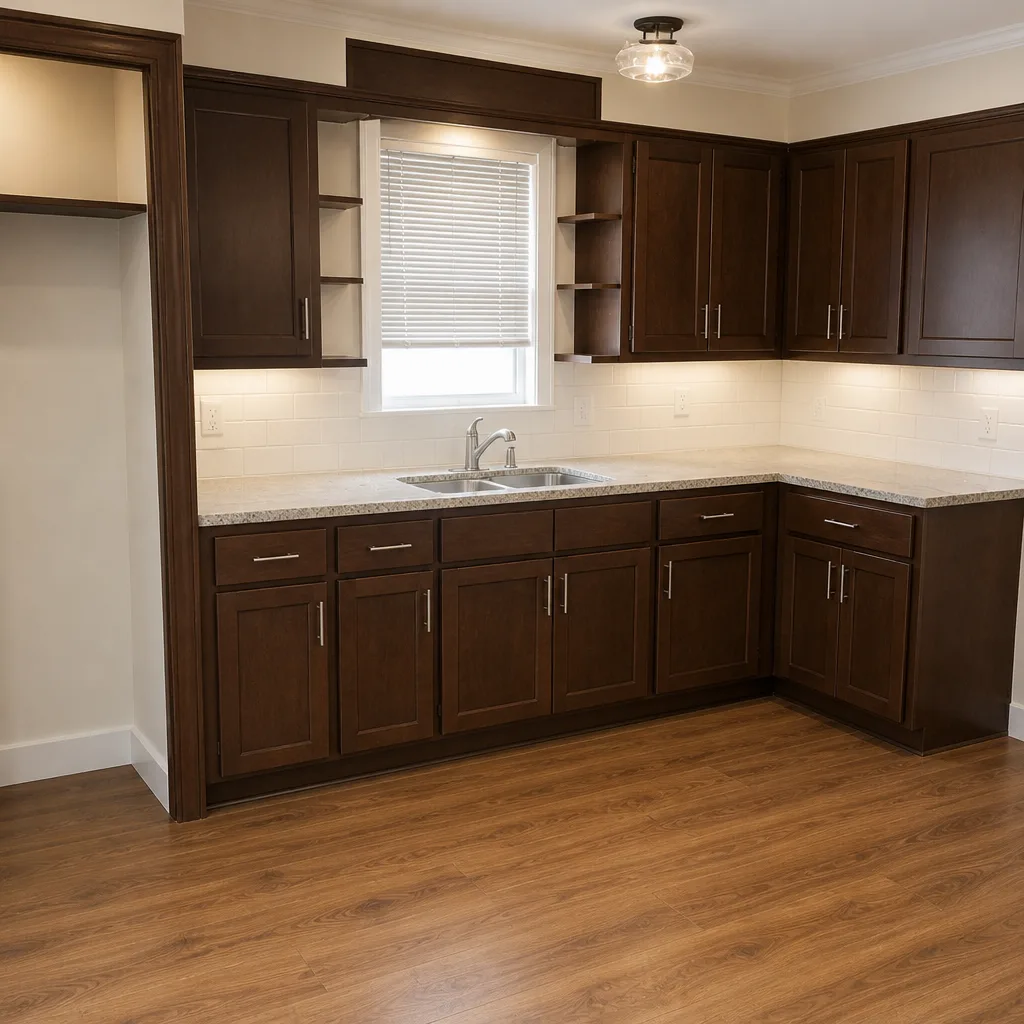 After
When to Call a Professional
Some fence decisions are easy to spot and others are not, and the ones worth handing to a professional are the ones involving documentation and risk. Call a professional when the fence line crosses a utility corridor, when posts must sit on a slope or a corner with limited setback, when the HOA or city requires a permit, when the fence replaces one that failed prematurely and you want to know why, or when a contractor has already given you a lump-sum quote with no specs. Each of those turns on the paperwork, the locate, and the material grade, and each is where a homeowner most often gets burned. Rowan Construction Group Fort Worth offers free estimates in Fort Worth with written scope, written price, and written warranty before any work starts. Call (833) 570-6084 to schedule yours, or text if you prefer a written confirmation to a phone promise. Crews are background-checked and uniformed, and a live person answers calls 24/7.
Frequently Asked Questions
The biggest warning sign is a quote that lists “fence installation” as a single line item with no post depth, post spacing, concrete mix ratio, or panel attachment method. Those specs decide whether the fence lasts, and their absence is itself the red flag. Bring any written estimate in for our Free Second Opinion and we will review it line by line at no charge. Call (833) 570-6084.
In Fort Worth, a permit is generally required for fences above the standard height, for fences in the front setback, and for corner lots with sight-line rules, and most HOAs require separate architectural approval. The permit fee is small; the liability of an unpermitted fence is not. Ask your installer whether the permit line is on the quote. Call (833) 570-6084 for a written quote with the permit line included.
If a contractor skips the Texas 811 call and strikes a gas, water, or private line, the repair bill typically lands on the homeowner, ranging from about $500 to $10,000 depending on what was hit. Some of those costs are not covered by insurance because the line was never located. Ask for the locate ticket number before any digging. Call (833) 570-6084 if you want a written scope that names the 811 step.
Posts should be set in concrete at the depth and volume your contract specifies, and panels should not be installed until the concrete has cured, typically 24 to 48 hours. If you see posts packed with dirt or gravel, or panels going on the same afternoon as the pour, that is a warning sign. Our documented photo record on every visit captures post depth and concrete volume so you have evidence. Call (833) 570-6084.
Ask for the actual grade or thickness in writing before installation. Cedar Grade 1 costs more than Grade 2 and holds up noticeably longer in Fort Worth’s summer heat, and vinyl should be specified by actual wall thickness in mils, not “nominal.” Iron is specified by gauge number. Our written quotes name the grade and the brand. Call (833) 570-6084 to see how the numbers compare.
No change proceeds without a signed change order, and that is the discipline that has kept our projects within a few percent of the agreed price across more than 4,000 jobs. The price is written before anyone picks up a tool, under Clause 1 of The Haven Standard, and every addition is priced and signed before work continues. Call (833) 570-6084 to get a written price in hand.
The Bottom Line
The costliest fence mistakes never show up in the finished panels. They live in the missing post-depth spec, the skipped 811 ticket, the lump-sum quote without a grade, and the change order clause that was never there to begin with. Read the contract, ask for the locate ticket number, ask for the actual grade in writing, and confirm the change order language. Do those four things and you will avoid almost every fence failure and billing dispute we see in Fort Worth. The 365-Day Done Right Promise, the written price before any work starts, and the documented photo record on every visit are the standards we hold ourselves to. Call (833) 570-6084 to schedule a free estimate and get a written price in hand before you sign anything.
Written by the team at Rowan Construction Group Fort Worth.