Last updated November 18, 2026

Free written scope consultation - allowances, timeline, and change-order rules on paper before a single trade is scheduled
Home Additions & ADU Maintenance Schedule: What to Do and When
The flashing at the ridge junction, where a new addition roof meets the existing back wall, is the single most failure-prone detail in residential construction. It needs a visual inspection every 12 months, not the 5-year interval a standard roof gets, because it has two surfaces moving against each other instead of one. A home addition or accessory dwelling unit (ADU) carries more of these transition points than the house it attaches to: foundation seams, new utility penetrations, exterior trim joints, HVAC connections. Each one degrades on its own clock. This guide gives Fort Worth homeowners a maintenance calendar built around those specific components, from the 6-month caulk check to the 5-year junction inspection, and explains what to log so a resale or a warranty claim doesn’t catch you empty-handed.
Quick Answer
Inspect a new home addition or ADU at 6 months (settlement cracks, caulk joints), 12 months (flashing, exterior transition trim, HVAC filter and duct connections), 3 years (foundation pier or slab joint check), and 5 years (roofing material at the junction). ADUs add three items most guides skip: separate utility meter calibration, exterior egress door weatherstripping, and a dedicated HVAC filter schedule if the unit runs its own system. North Texas heat, temperature swings from 15°F to 105°F, and expansive clay soil compress these intervals compared with national averages.
Styles & brands we work with
- Kitchen remodeling
- Bathroom remodeling
- Home additions & ADU
- Roofing
- Windows & doors
- Driveway & pavers
- Fence
Table of Contents
- Why an Addition Needs Its Own Maintenance Calendar
- The 6-Month Check: Settlement and Sealant
- The 12-Month Inspection: Flashing, Trim, and HVAC
- The 3-Year Check: Foundation Seams and Slab Joints
- The 5-Year Inspection: Roofing at the Junction
- ADU-Specific Tasks Most Guides Omit
- How North Texas Climate Accelerates Failure Points
- What a Maintenance Log Should Contain
- Tasks That Void Manufacturer Warranties If Skipped
Why an Addition Needs Its Own Maintenance Calendar
A home addition doesn’t behave like the original structure because it isn’t built like one. It’s tied into a house that has already settled, braced by new footings, and sealed at the seams where the old envelope ends and the new one begins. Those seams, the roof-to-wall junctions, foundation transitions, and utility penetrations, are the vulnerable line. In a single structure, one wall moves as one assembly. In an addition, the new wall and the old wall move against each other, and every joint between them is doing work the original structure never asked of itself.
That’s the architectural reason the maintenance intervals are tighter. The national homeowner guides, the ones that say “check your roof annually and your foundation every five years,” were written for houses that are structurally homogeneous. They don’t account for the flashing at a junction, the caulk line at a transition trim, or the separate HVAC system an ADU runs. In our experience working additions across Fort Worth, the failures we see at year 4 or year 6 almost always trace back to a transition point that got treated like part of the main house. It’s not. It has its own schedule.
The calendar in this guide is component-driven, not season-driven. It maps to the materials actually installed rather than to a generic “spring cleaning” list. And it matters for the Fort Worth market specifically, where the housing stock built between 2015 and 2025 carries ADUs and additions designed around tight lot setbacks and slab-on-grade foundations, both of which change what needs watching.
The 6-Month Check: Settlement and Sealant
The 6-month inspection catches the predictable. New construction settles in the first warm season, and every caulk joint that was run against fresh lumber will have opened slightly by month six. This is normal, not alarming, but it needs resealing before water finds it.
- Walk the interior perimeter of the addition and look for hairline cracks at the ceiling-to-wall corner and the wall-to-floor joint. Cracks under 1/16 inch are cosmetic settlement, usually; anything wider gets measured and logged.
- Check exterior caulk joints at the transition trim where the addition siding meets the original house wall, around window and door frames, and at any utility penetration. Reseal with the same grade of sealant used at installation.
- Open and close every new window and door in the addition. Sticking indicates the frame has shifted, which is a foundation conversation, not a trim one.
- Photograph the findings, dated, and file them with the original build documentation.
For ADU owners, add a check of the exterior egress door threshold and weatherstripping. A 6-month-old rubber gasket that’s already compressed means the door isn’t hanging square, and that gap lets Fort Worth’s summer heat straight into the envelope.
The 12-Month Inspection: Flashing, Trim, and HVAC
The 12-month mark is when the junction flashing gets its first real look, and this is the inspection most homeowners skip because the roof is only a year old and “nothing could be wrong yet.”
- Roof-to-wall flashing at the ridge junction: a visual inspection, from the ground with binoculars or from a safe roof edge, checking for lifted metal, missing fasteners, or sealant that has pulled away. This is the detail we flag hardest on any addition.
- Exterior transition trim: the fascia and trim where the new roofline meets the old wall. Look for paint failure or wood swelling, both early signs of water behind the trim.
- HVAC filter and duct connections: replace the filter, then inspect the duct boots at the register and the return. New ductwork separates at the tape joints in the first year more often than later.
- Gutters and downspouts on the new roofline, checking that discharge is directed away from the addition’s foundation seam, not toward it.
The flashing inspection at year one is not a repair task. It’s a baseline task. You’re establishing what “normal” looks like so that the year-five inspection has something to compare against. If you want the junction detailed correctly the first time, that’s a construction conversation, and our team handles it through Home Additions & ADU in Fort Worth.
The Year-by-Year Calendar at a Glance

- 6 months: Settlement cracks, caulk joints, egress door weatherstripping
- 12 months: Flashing at junction, exterior transition trim, HVAC filter and ducts
- Annually after: Repeat the 12-month list every year without exception
- 3 years: Foundation pier inspection (pier-and-beam) or slab joint resealing (slab-on-grade)
- 5 years: Full roofing material condition at the junction; replace any sealant that has reached its service life
The 3-Year Check: Foundation Seams and Slab Joints
By year three, the addition’s foundation has been through three full North Texas seasonal cycles, and the expansive clay beneath Fort Worth has swelled and shrunk enough to show whether the design is holding. This check is structural, and it’s where a homeowner should be honest about what they can inspect and what they can’t.
For pier-and-beam additions: a visual inspection of the piers under the addition, usually from a crawlspace access, looking for pier tops that have separated from the beam, shims that have worked loose, or moisture pooling at the pier base. A flashlight and a phone camera are enough to document; assessing whether a pier needs adjustment is a professional judgment.
For slab-on-grade additions, which is the more common construction in newer Fort Worth builds: check the joint where the addition slab meets the original slab, look for step-cracking at the exterior, and inspect the control joints inside the addition for widening. Reseal any exterior control joints and the slab edge with an appropriate joint sealant before the next wet season.
If the addition has a covered porch or the ADU shares a patio with the main house, the pavers and slab transitions are also worth a look. That’s the kind of detail covered in Driveway & Pavers in Fort Worth, because a settled paver field against a new foundation edge is one of the earliest warning signs of water management trouble.
The 5-Year Inspection: Roofing at the Junction
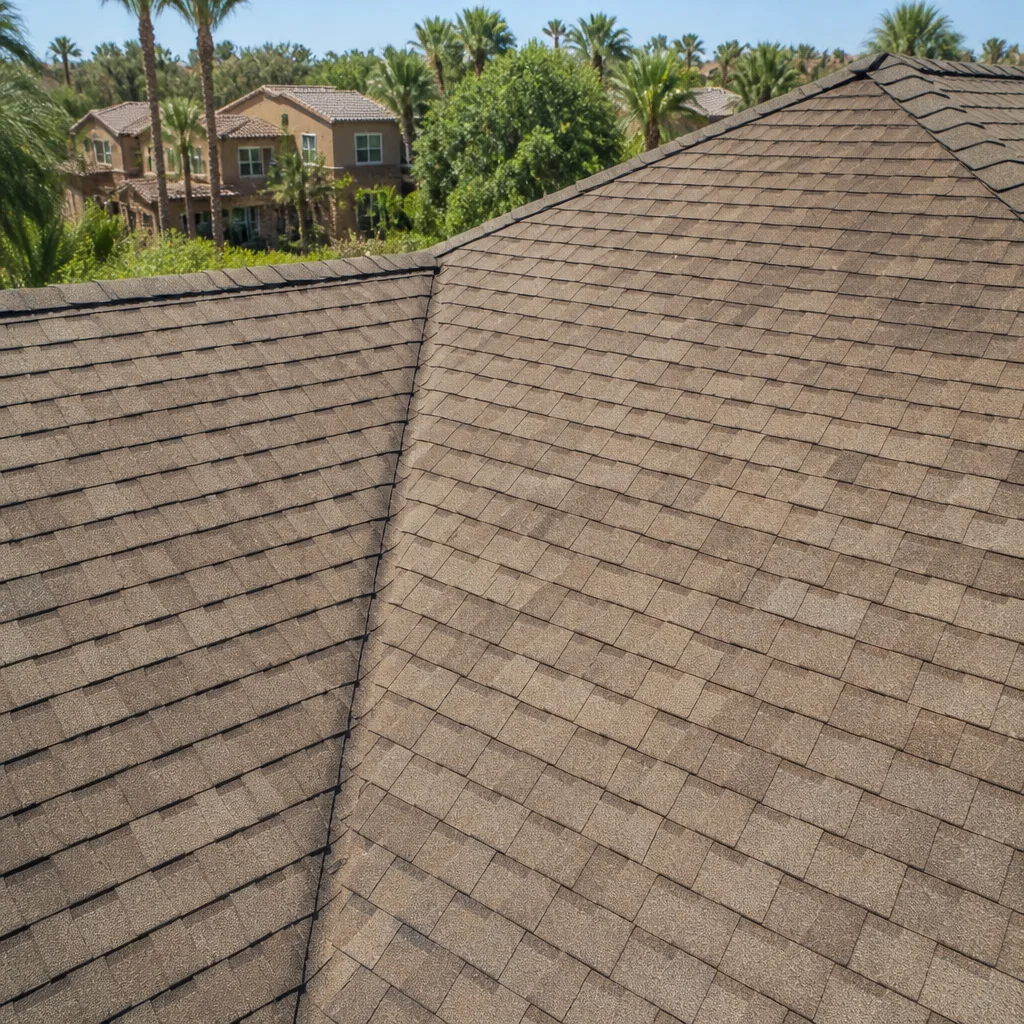
Year five is when the flashing assembly at the junction reaches the end of its first service life. The metal may still be sound, but the sealant under it has done five years of thermal expansion in Fort Worth heat, and that’s the timeline most sealants return to a maintenance state.
- Inspect the junction flashing for lifted metal, failed fasteners, and sealant that has cracked or pulled back. Any water staining on the trim below the junction is a finding that needs a professional look.
- Assess the roofing material at the junction specifically, not the whole roof. Shingle edges near the flashing wear faster than the field because water lingers there.
- Replace the junction sealant on the recommended cycle for the product used at installation, typically 5 to 7 years for exterior-grade sealants in this climate.
- Re-inspect the flashing every 12 months from here forward, not every five years.
This is where Fort Worth homeowners get caught. The roof over the main house is fine at year five, so nobody thinks to look at the addition roof’s oldest seam. But the junction is eight years older in wear terms than the field shingles around it. It’s where water goes first.
ADU-Specific Tasks Most Guides Omit
An ADU carries maintenance items a standard home guide never mentions, because most guides assume a single utility service and a single HVAC system. When the ADU runs independent systems, those systems need independent schedules.
- Separate utility meter calibration: if the ADU has its own electric or gas meter, verify the meter reading against a known load once a year. A meter that drifts isn’t a billing nuisance; it’s a signal that something on the ADU side is drawing current it shouldn’t. If the ADU shares a meter, note the shared-service arrangement in the maintenance log so a future owner understands what they’re inheriting.
- Exterior egress door weatherstripping: the required egress door is a code item, and its weatherstripping degrades faster than any interior door because it opens to the elements. Check the seal annually; replace it when it compresses flat.
- Dedicated HVAC filter schedule: if the ADU runs an independent HVAC system, it has its own filter and its own replacement interval. In Fort Worth’s dusty summers, that’s often every 60 to 90 days during cooling season. An ADU system sized for a small square footage will strain harder on a clogged filter than a whole-house unit would.
- Water heater anode rod check at year three if the ADU has a dedicated water heater, and the pressure relief valve exercised annually.
If an ADU shares the main house’s systems, those items fold back into the main house schedule. But document which is which, because the assumption that “it’s all one system” is where maintenance falls through the cracks.
How North Texas Climate Accelerates Failure Points
Fort Worth sits in a climate that punishes transition points faster than the national averages the standard guides assume. Three factors drive it, and each one hits a specific detail harder than the general maintenance advice accounts for.
High UV exposure. North Texas gets more than 230 sunny days a year on average, and UV degrades exterior sealants, caulk, and the rubber gaskets on doors and windows faster than in most of the country. A caulk joint that lasts 7 years in a milder climate can fail in 4 or 5 here. That’s why the 6-month caulk check isn’t overkill; it’s the schedule the material actually needs.
Temperature swings from roughly 15°F to 105°F. A single Fort Worth year can swing 90 degrees between winter lows and summer highs. Every material at the junction expands and contracts through that full range. Metals, sealants, and shingles don’t move at the same rate, which is why mechanical fasteners at the flashing work loose faster than they do in a steadier climate. The winter freeze events put particular stress on any plumbing penetration into the addition.
Expansive clay soil movement. The Fort Worth area sits on soils with high shrink-swell potential, meaning they expand with wet weather and contract in drought. An addition’s foundation seam takes the differential movement between the new footing and the original structure. That’s why the 3-year foundation check is not optional here; in a stable-soil region, it would be. The same clay movement is why fence posts and paver fields settle in this market, which is why Fence Installation in Fort Worth is worth a look when you’re planning around the new addition’s exterior footprint.
What a Maintenance Log Should Contain
A maintenance log is the difference between a documented history and a vague memory. It matters twice: when a warranty claim gets denied for lack of evidence, and when a buyer’s inspector asks what the addition’s roof junction has had done to it. Every entry needs five fields.
- Component name – “ridge junction flashing,” “ADU egress door threshold,” not “roof” or “door.”
- Installation date – the date the component went in, pulled from the build documentation.
- Material brand and product – the manufacturer and product installed. If your contractor used a specific roofing line, a Boral trim product, or PGT windows, name it. It matters when a warranty question comes up.
- Inspection date – the date of each check, not just each repair.
- Finding and action – what you saw and what you did about it. “Flashing sealant cracked at NE corner, resealed” is the right level of detail.
We deliver a documented photo record on every visit as a standard deliverable, which gives Fort Worth homeowners a head start on this log: the photo is dated, the component is named, and the finding is written down. For resale disclosure, that record is what turns a “maintained” claim into evidence. Under the Haven Standard, every change gets a signed change order and every project carries a written record, and a homeowner’s log is the same discipline applied by hand.
Tasks That Void Manufacturer Warranties If Skipped
Most manufacturer warranties aren’t voided by a single event. They’re voided by neglect, and the fine print is usually specific about what maintenance the homeowner owes. The most common ones we see in Fort Worth additions:
- Roofing: leading manufacturers, including GAF and Owens Corning, condition their material warranties on the roof being kept free of debris and on any leaks being reported promptly. Deferred maintenance that lets water track under the shingle course at the junction can be read as neglect. This is the warranty most often lost, because nobody thinks about the junction until it’s already failing.
- Windows: window manufacturers, including PGT, typically require that the weep holes and sill drainage stay clear. A sill that clogged with pollen and debris traps water, and the resulting failure is a maintenance issue, not a defect. Check and clear them at every annual inspection.
- Siding and trim: siding warranties usually require the exterior finish be maintained, and caulk joints be kept sound. The 6-month caulk task is also the warranty-preservation task. If a trim product fails because water got behind a failed joint, that’s an expected-maintenance exclusion.
- ADU HVAC: most equipment warranties condition on filter replacement and clean coils. Skip the filter schedule and the compressor failure is on the homeowner.
The pattern: every warranty on a Fort Worth addition is safe as long as the transition points get their inspections on schedule. The maintenance calendar and the warranty are the same list.
See the difference
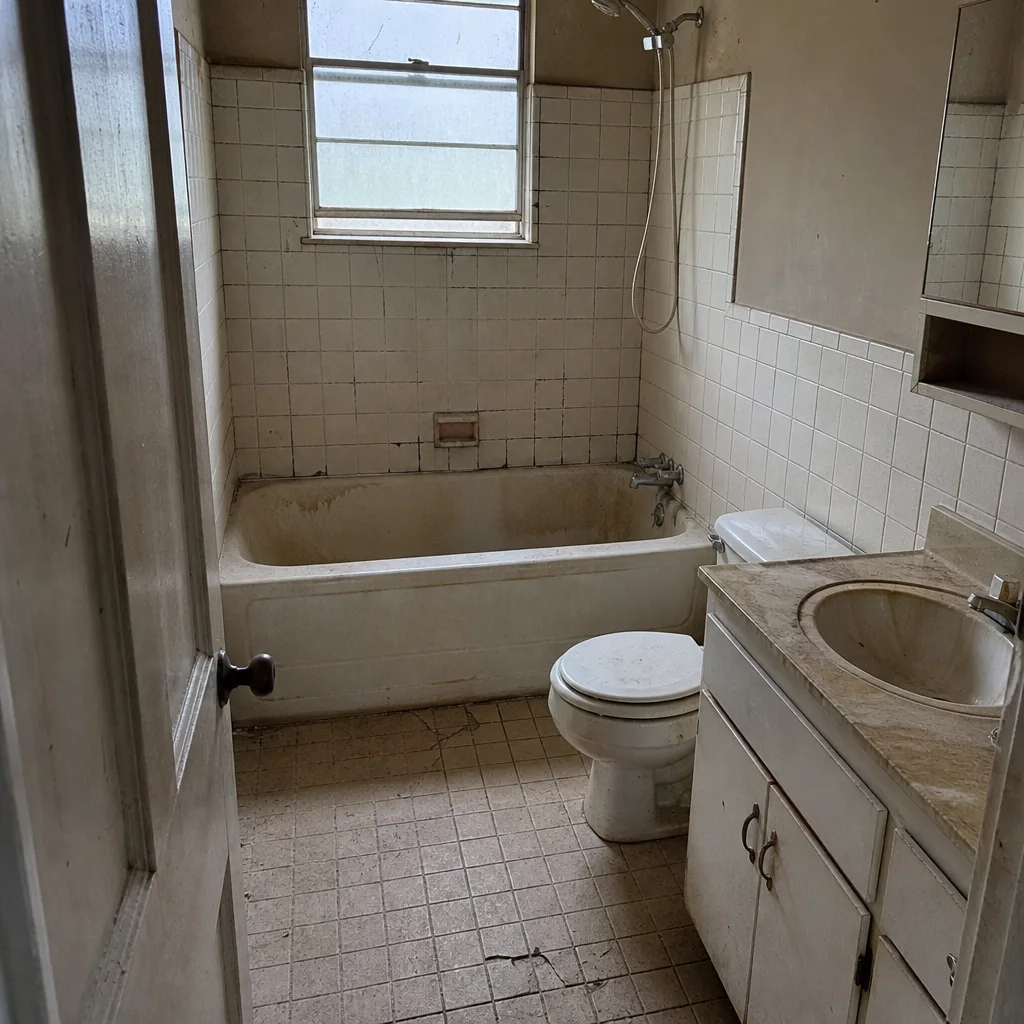 Before
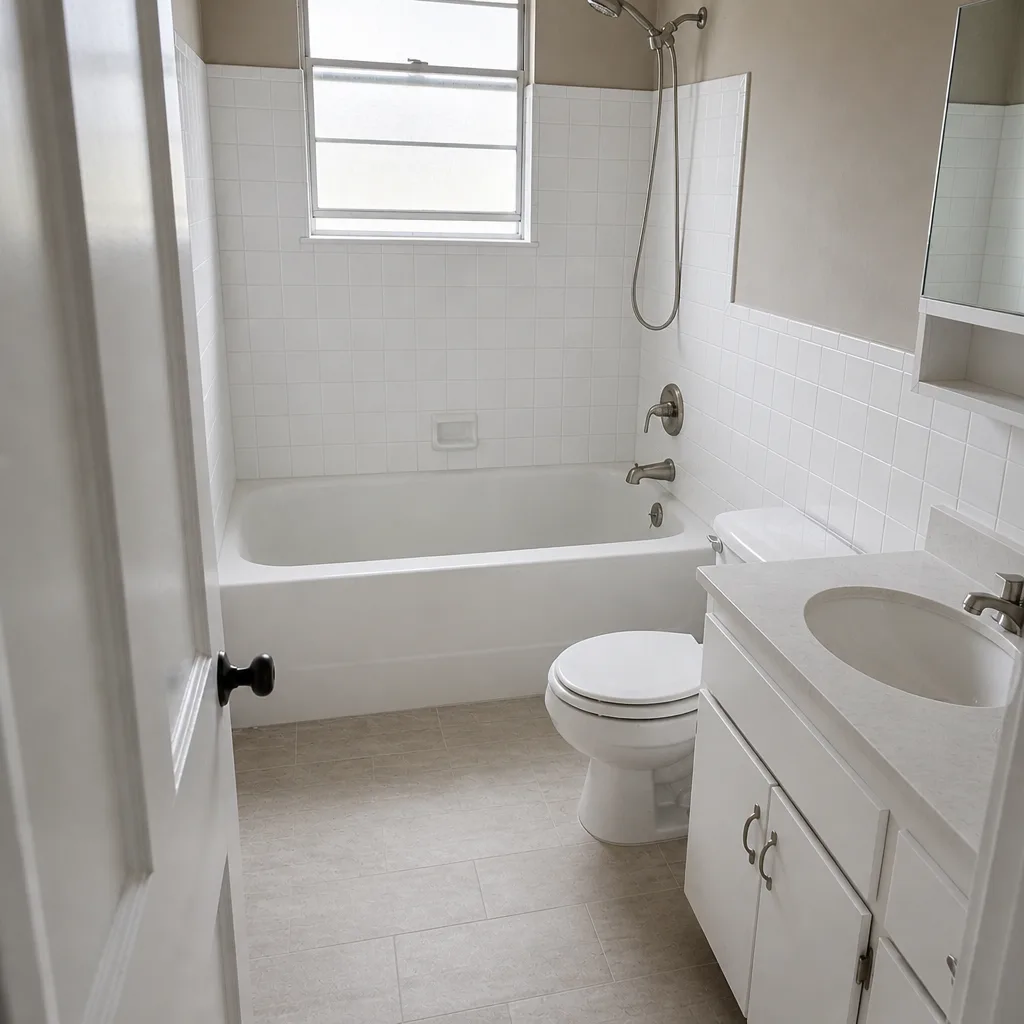 After
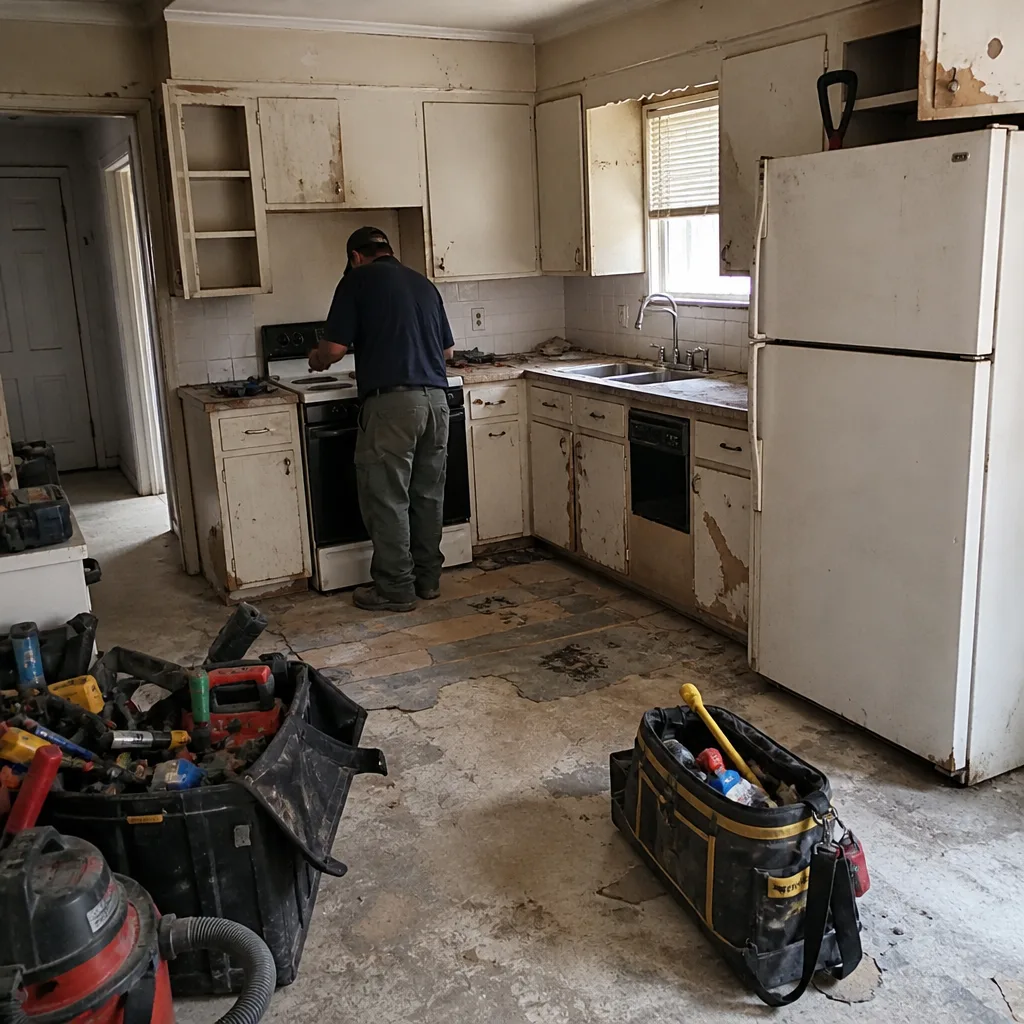 Before
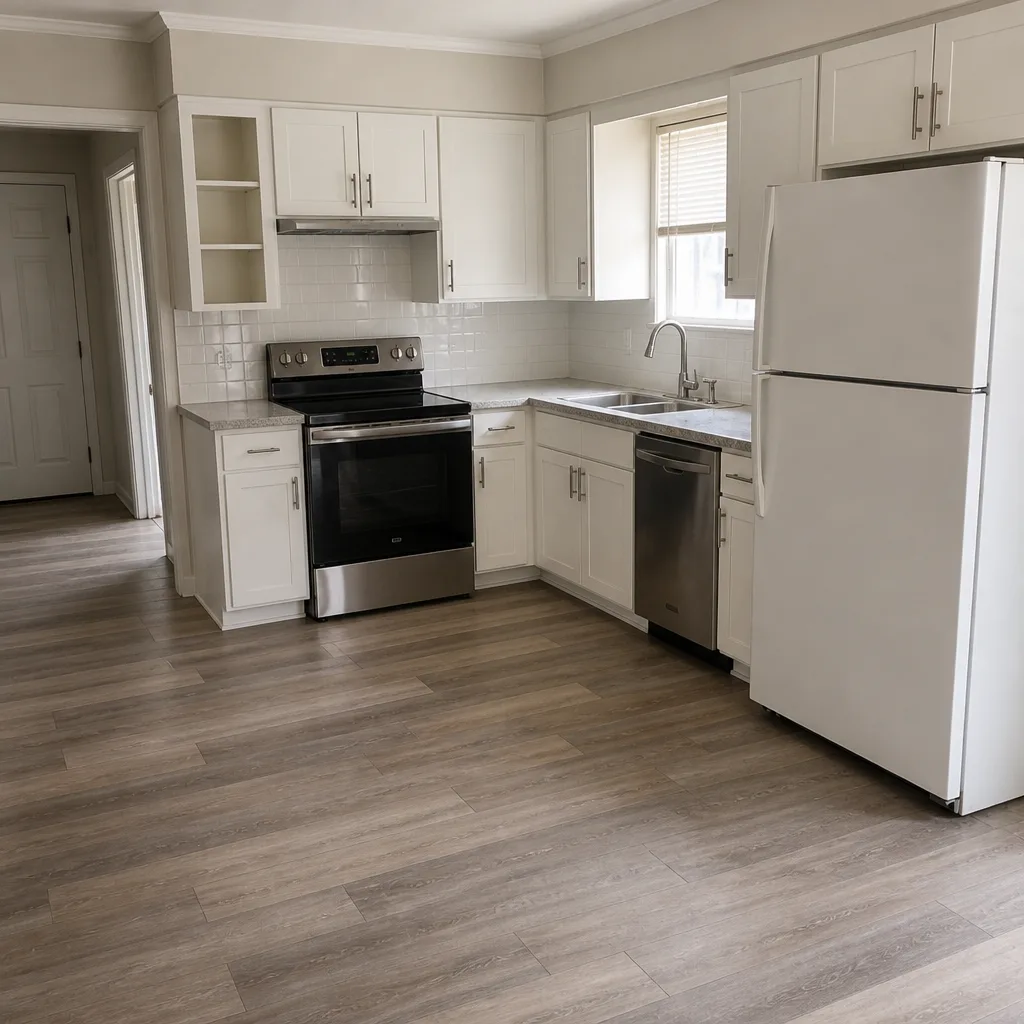 After
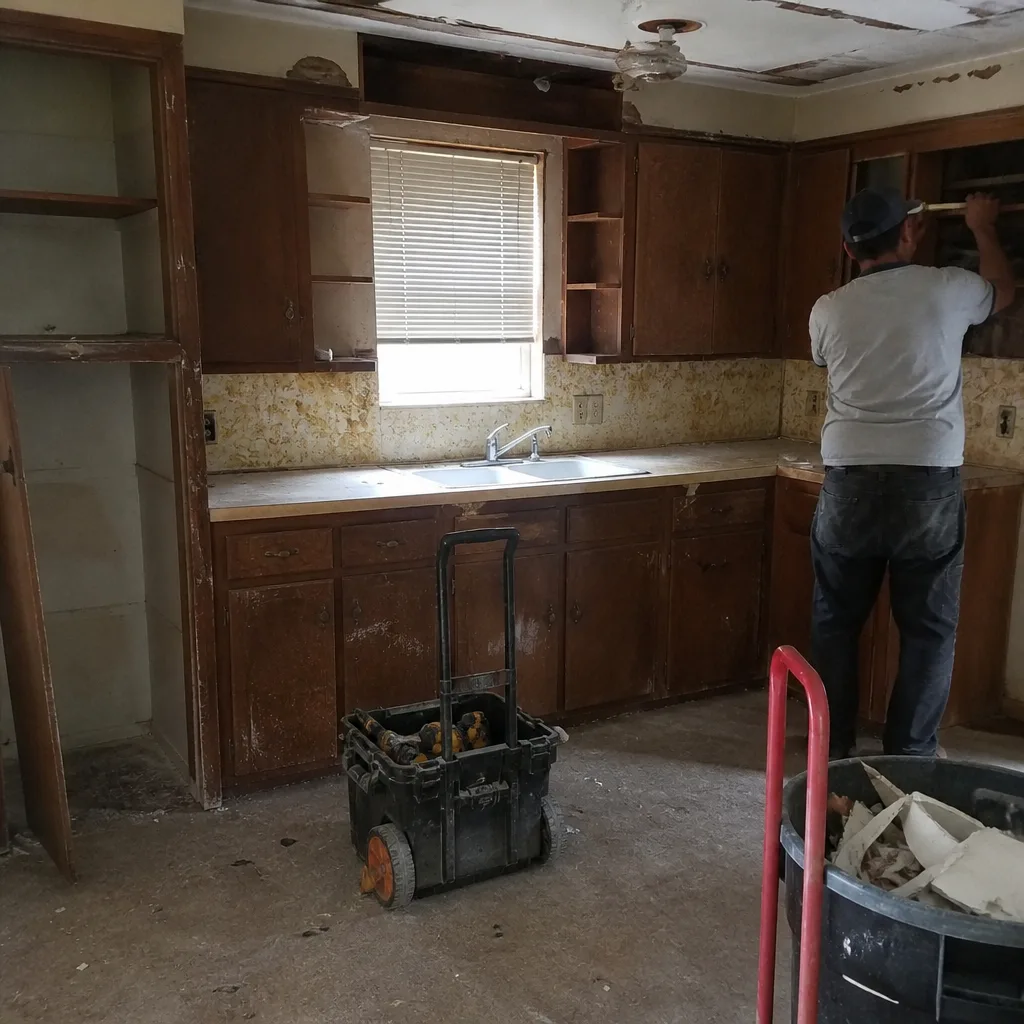 Before
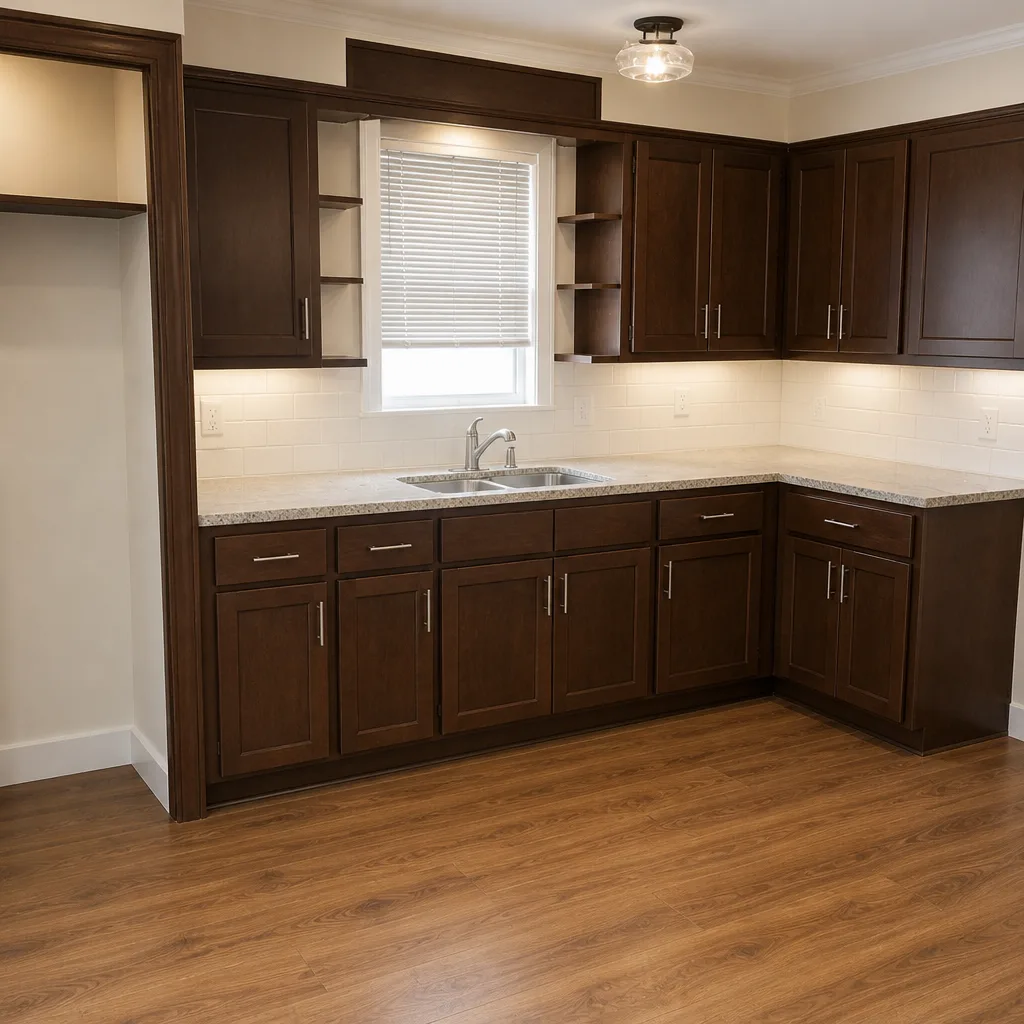 After
Common Mistakes to Avoid
- Treating the junction flashing like part of the main roof. The roof over the house gets inspected every few years at most. The junction is where the addition and the original structure meet, and it needs a visual inspection every 12 months. The two are not on the same schedule.
- Skipping the 6-month caulk reseal because “it’s a new build.” New construction settles, and caulk run against fresh lumber opens. Reseal at 6 months; waiting for the first sign of water is a repair, not maintenance.
- Assuming the ADU HVAC shares the main filter schedule. If the ADU runs its own system, it has its own filter and its own replacement interval. In Fort Worth’s dusty summers, that’s every 60 to 90 days.
- Not logging which material is where. “The screen door” or “the roof” isn’t a logged entry. A component name, the brand, the install date, the inspection date, and the finding – those five fields are what a warranty claim and a resale disclosure both want.
- Waiting for a documented failure before calling a professional. A 1/16-inch crack at a slab joint is a log entry. A widening crack at a foundation pier is a call. Confusing the two costs more than the inspection would have.
- Ignoring window weep holes. They clog with Fort Worth pollen and debris, water backs into the sill, and the failure gets classified as a window defect when it was a maintenance miss. Clear them every year.
- Not keeping the photo record. A dated photo of each inspection and finding is what turns “we maintained it” into a defensible record. Take it, file it, and pull it out when the warranty or the buyer asks.
When to Call a Professional
Most of this guide is homeowner-checkable, but four findings need a trained eye. Call a professional when: foundation cracks at the addition seam exceed 1/16 inch or are still widening; water staining appears at the interior ceiling or trim line below the roof junction; a window or door in the addition stops closing flush; or an ADU’s HVAC fails to hold temperature even with a clean filter. Those are structural or system questions, and diagnosing them from a photo misses what a site visit catches. If you’re planning an addition or evaluating a contractor’s work, our Rowan Construction Group Fort Worth home page lays out how we document every project, and each visit we make includes a photo record as a standard deliverable. Rowan Construction Group Fort Worth offers free estimates in Fort Worth – call (833) 570-6084 to schedule one.
Frequently Asked Questions
Every 12 months. The ridge junction between a new addition roof and the original back wall is the most failure-prone detail in the whole structure, and it needs a visual inspection annually rather than the 5-year roofing cycle. Look for lifted metal, missing fasteners, and sealant that has pulled away, and photograph the finding for your log. Call (833) 570-6084 for a free estimate on any junction work.
An ADU adds three items most guides skip: separate utility meter calibration (if the ADU has its own meter), exterior egress door weatherstripping, and a dedicated HVAC filter schedule if the unit runs an independent system. Each gets its own inspection cycle rather than folding into the main house schedule. If you’re still in the planning stage, our Home Additions & ADU in Fort Worth page covers the build side.
A professional inspection of an addition or ADU typically falls in the $150 to $400 range depending on scope, and a full junction and foundation review runs higher. Estimates from Rowan Construction Group Fort Worth are free, and we’ll bring a written price before any work starts. Call (833) 570-6084 for an exact quote – estimates are free.
Hairline cracks at the ceiling-to-wall and wall-to-floor joints in the first 6 months are normal settlement and usually cosmetic. Cracks wider than 1/16 inch, or cracks that keep widening, are a case for a professional look. Photograph and log the finding, then call (833) 570-6084 for a free estimate if it’s structural.
Routine maintenance like caulking, filter replacement, and flashing resealing typically doesn’t require a permit. Structural repairs, foundation adjustment, and any work that changes the envelope or systems usually do. When in doubt, ask before the work starts – a permit question is cheap to answer and expensive to skip.
It can. Roofing, window, siding, and HVAC warranties commonly exclude failures tied to missed maintenance, and without a log the homeowner carries the burden of proof. A dated record with the component, brand, install date, inspection date, and finding is what keeps a claim alive. Call (833) 570-6084 to schedule your first documented inspection.
The Bottom Line
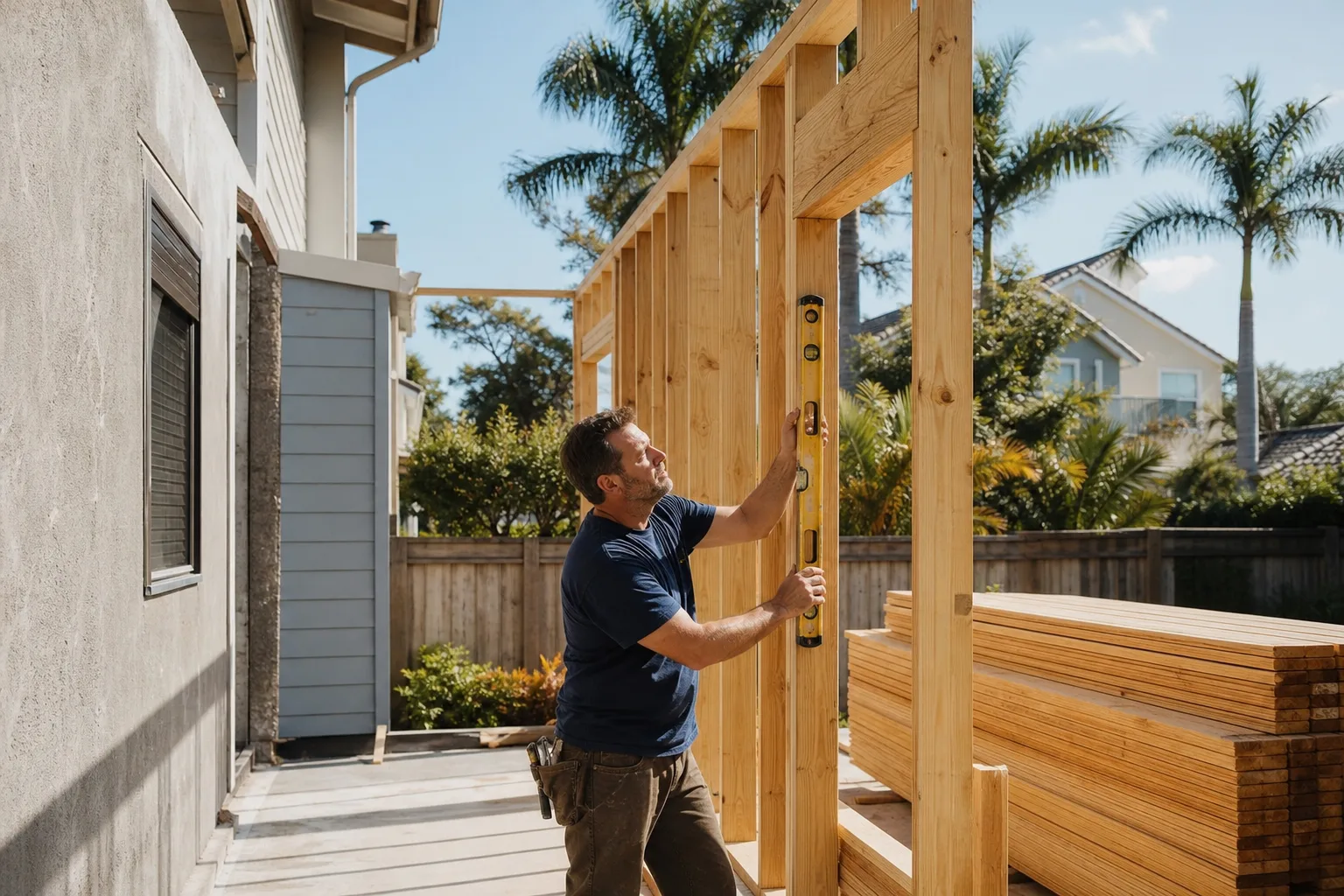
A home addition or ADU needs a maintenance calendar built around its transition points, not the generic schedule the original house follows. The 6-month caulk check, the 12-month junction flashing inspection, the 3-year foundation seam review, and the 5-year roofing junction assessment are the core of it, and ADU owners add meter, egress door, and independent HVAC tasks on top. North Texas climate compresses every interval: UV, temperature swings from 15°F to 105°F, and expansive clay all work the seams harder than the national averages. Keep the log, keep the photos, and the warranty and the resale disclosure both look after themselves.
Written by the team at Rowan Construction Group Fort Worth.