Last updated November 18, 2026


Free written scope consultation - allowances, timeline, and change-order rules on paper before a single trade is scheduled
Fence Installation Troubleshooting: Common Problems and How to Fix Them
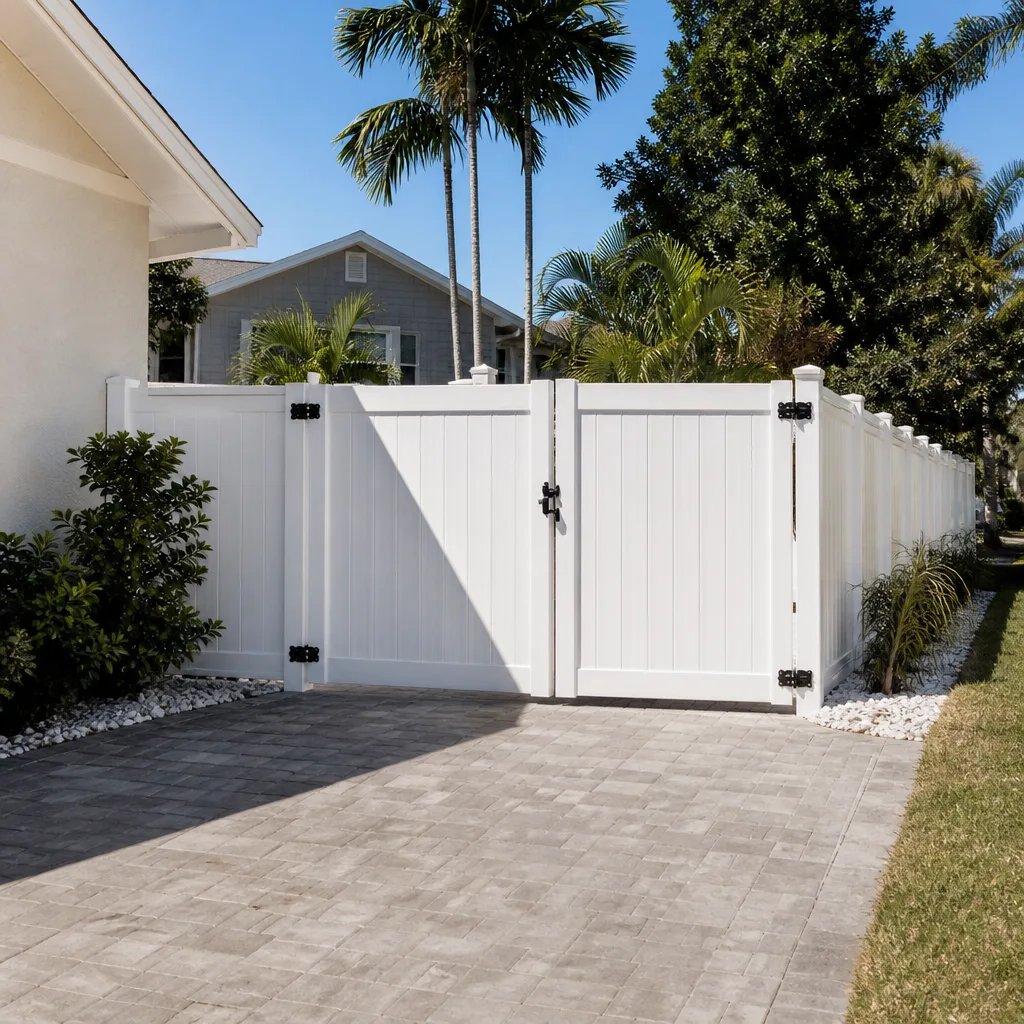
Replacing warped or rotted fence boards on a leaning fence is the most common and most wasteful fence repair mistake we see in North Texas. If the post is moving, new boards will show the same failure within 18 months. That is a hard number, and it comes from watching the same properties repeat the same cycle. The two failure families – post failures driven by clay soil movement and board failures driven by moisture cycling – look similar from the sidewalk and need completely different repairs. Conflate them and you pay twice. This guide covers the push-test diagnostic that tells you which one you have, post repair options with real costs and permanence ratings, the Fort Worth-specific cedar grading problem, the three water infiltration points that cause most rot, and exactly what a written repair scope must specify so the repair holds.
Quick Answer
To fix a leaning or failing fence, first determine whether the post or the boards are the root cause. Push the fence at hip height: if the whole panel sways at the base, the post has lost soil or concrete support and must be reset or replaced; if the post is solid and only boards are cupping, cracking or rotting at the bottom, it’s a board problem. Fort Worth’s expansive clay soil and wide wet-to-dry humidity swings cause both failure types, and repairing boards on a moving post guarantees repeat failure within about 18 months.
Styles & brands we work with
- Kitchen remodeling
- Bathroom remodeling
- Home additions & ADU
- Roofing
- Windows & doors
- Driveway & pavers
- Fence
Table of Contents
- The Push-Test Protocol: Diagnosing Post Failure vs. Board Failure
- Post Repair Options: Cost and Permanence Compared
- Board Failure in Fort Worth: Cedar Grades and Moisture Cycling
- The Three Water Infiltration Points That Cause Most Rot
- What a Written Repair Scope Must Specify
- Why Fort Worth Clay Soil Punishes Shallow Posts
- Hardware, Fasteners and the Galvanized Question
- Common Mistakes to Avoid
The Push-Test Protocol: Diagnosing Post Failure vs. Board Failure
Before a single board comes off, run a push-test on three to five posts along the failing run. Stand at the base of the post, place one hand on the post itself and one on the top rail, and push away from you with steady pressure – about the force you’d use to close a stubborn car door, roughly 30 to 40 pounds. Then watch for three distinct movements.
- Whole-panel movement at the base. The post rocks and the soil or concrete at grade shifts. That is post failure. The concrete footing has broken its bond with the clay, or the post was never set deep enough. No amount of new cedar will fix it.
- Board movement only. The post stays rigid but individual boards flex, rattle or pull away from the rail. That’s a fastener or board failure – the pickets are loose at the rail, or the board has shrunk and split around the nail.
- Post movement at the top only. The base is firm but the top sways. Usually a single cracked rail end or a rotted top rail joint, not the post footing.
Repeat the test with a push parallel to the fence line, not just perpendicular. A post that resists one direction and gives in the other is usually a footing that has lost soil on one side – a classic Fort Worth pattern on slopes and near downspout discharge. If more than 20 percent of posts fail the push-test, the fence is telling you the footing system has failed across the run, not just in one spot. We’ve pulled posts in Fort Worth neighborhoods like Ridglea and Wedgwood where the concrete had broken clean from the post with no rot at all – the clay moved, the concrete didn’t, and the gap that opened let water in. That’s a footing failure, and it reads as a board problem from the street until you push.
Post Repair Options: Cost and Permanence Compared
Once you’ve confirmed post failure, you have three repair paths. They differ in cost, in how much digging happens, and in how long they last. The numbers below are typical Fort Worth market ranges for a standard 4-inch or 5-inch treated post in a 6-foot cedar privacy fence.
- Sister post installation – $150 to $250 per post. A new treated post is driven or set alongside the failed one and bolted through. No concrete excavation. Fast, low mess, and it works when the original post is sound below grade but rotted or broken at the footing shoulder. Permanence: moderate – five to eight years in Fort Worth clay before the original footing continues to move.
- Post puller reset with new concrete – $200 to $350 per post. The post is pulled using a post puller, the hole is re-dug, and the post is reset with fresh concrete in the existing location. Works when the post itself is still sound and only the concrete bond failed. Permanence: good – ten to fifteen years if the hole is dug deep enough and the concrete is properly crowned.
- Full post replacement – $300 to $500 per post, including concrete removal in clay soil. Both post and footing come out, including breaking out the old concrete plug. In Fort Worth’s shrink-swell clay, that plug can be eighteen inches of concrete fused with soil, and it does not come out easily. Permanence: best – fifteen to twenty-five years when the new post is set below the clay active zone and the concrete is crowned above grade.
We’ve found that sister-post jobs get sold as full repairs on fences that need resetting. The customer saves two hundred dollars per post and calls back in two years. Ask any contractor which of these three they’re quoting and why. If the answer isn’t specific to what the push-test showed, keep asking. Under the Haven Standard, we don’t start any repair until the scope names the fix and the price is written. The full written price comes before work begins on every trade, from fence installation in Fort Worth through home additions and ADU construction in Fort Worth.
Board Failure in Fort Worth: Cedar Grades and Moisture Cycling
Fort Worth humidity swings from soaking-wet winters to dry, cracking summers – often from seventy percent relative humidity in March to under forty in August. That cycle works on every board on the fence, and it punishes low-grade cedar first. The two cedar grades you’ll see on quotes are Knotty #3 and #2 Clear, and the gap matters more in Fort Worth than most homeowners realize.
Knotty #3 cedar is the standard builder grade. It has more knots, more sapwood, and wider grain. Those knots are defects in the wood’s grain, and when the board shrinks in a dry summer and swells in a wet winter, the board splits along the knot. The sapwood – the outer, lighter ring of the tree – absorbs water faster and rots sooner. In our experience, Knotty #3 pickets on a Fort Worth fence left unsealed will show visible splitting and gray sapwood rot at the bottom edge within four to six years. #2 Clear cedar has tighter grain, fewer and smaller knots, and less sapwood. The boards cost more – often 25 to 40 percent more per picket – but they hold their shape through ten to fifteen Fort Worth moisture cycles. If your quote says “cedar” with no grade name, ask which grade and get it in writing.
The board failure patterns we see most:
- Cracks radiating from knots on the sunny south and west faces – the sun-facing side dries fastest and splits first.
- Rot at the bottom six inches of the picket, where the board sits closest to soil moisture and splash-back.
- Cupping – the board curves across its width, which pulls fasteners and opens the seams between pickets.
- Loose pickets at the rail fasteners, usually from the board shrinking around a nail or screw that no longer bites.
The Three Water Infiltration Points That Cause Most Rot
Rot needs water, and on a Fort Worth fence almost all of it enters at three specific points. Find the infiltration point and you can stop the failure before it needs replacing.
- The post-to-rail connection. The joint where the horizontal rail meets the post is a moisture trap – two cut faces tight against each other, holding water after every rain. The fix is a zinc or copper flashing cap over the top rail joint, or a bead of polyurethane sealant at the joint seam with a slight slope away from the post. Cheaper fences skip this; it’s the single highest-return detail on the whole structure.
- Board bottom gaps above grade. Pickets set within an inch of the soil wick groundwater and splash-back up into the board. The installation detail is simple: set the bottom of the picket two inches above finished grade, and slope the soil or gravel away from the fence line so water runs off. A gravel strip under the fence also kills weed growth that holds moisture against the board.
- Rail end grain. Every rail has cut ends, and end grain absorbs water faster than any other face. Untreated rail ends wick water into the joint and start rot from the inside. The installation detail is a penetrating oil or end-grain sealer applied to every cut end before installation – not a film-forming surface finish, which traps moisture under the film. We’ve seen rail ends that were never sealed rot the joint apart in five years while the rail face looked fine.
For the fence structure itself, a quality penetrating stain on a three-to-five-year cycle protects against the moisture cycling that drives board failure. That’s a different product than paint, which traps moisture and peels. If you’re thinking about a fence rebuild rather than repair, the details above are exactly what separates a fence that lasts twenty years in Fort Worth from one that fails at ten – and the same documentation discipline applies across the trades, from a driveway rebuild with driveway and pavers in Fort Worth to structural work.
What a Written Repair Scope Must Specify
Most fence repairs fail not because the trade work was bad but because the scope was vague. “Repair fence, replace damaged boards” is not a scope – it’s a wish. A written repair scope that prevents recurrence names six things, and you should be able to read it and compare it line by line to any other bid you receive.
- Post depth, verified before and after. The scope should state the measured depth of every post being reset or replaced and the target depth for new posts. A number is a spec; “proper depth” is a phrase. In Fort Worth clay, posts should be set below the active zone where the soil expands and contracts seasonally – usually thirty to thirty-six inches deep for a six-foot fence, and deeper on slopes.
- Concrete volume per post. The scope should list how many bags of concrete go into each hole – not “set in concrete.” A standard 6-inch post in a 10-inch hole needs roughly two to three 50-pound bags. Under-filled holes are the most common cause of early reset failure.
- Board grade and species. Every board spec names the species (Western Red Cedar is the standard), the grade (#2 Clear or Knotty #3), and the nominal dimensions. No generic “cedar.”
- Hardware replacement. If the original fasteners weren’t hot-dip galvanized or stainless steel, they go in the scope as replaced. Coated or electro-galvanized nails rust through in Texas humidity and stain the cedar.
- Sealant and end-grain treatment. Name the products and the application points – rail ends, post-rail joints, top caps. “Sealed” without a product name doesn’t stand up.
- The warranty and the guarantee in writing. Under the Haven Standard, every Rowan project carries a flat written price with a written scope and a written warranty before work begins, and no change proceeds without a signed change order. That’s the discipline that keeps projects within a few percent of the agreed cost. The 365-Day Done Right Promise is on every page, backed by a terms document, not an asterisk – if the repair isn’t done right, we make it right.
Requesting a free second opinion on any written estimate is a standing offer – bring a competitor’s quote and we’ll review it line by line at no charge. If you want to see the whole contract before you sign one, start with the Rowan Construction Group Fort Worth home page. Every visit comes with a documented photo record of what was found and what was done, included as standard, so you have evidence of the post depth, the concrete volume, and the board grade actually installed. Background-checked, uniformed technicians, and a live person answers the phone 24/7 – you never get a voicemail when a fence is leaning into the neighbor’s yard.
Why Fort Worth Clay Soil Punishes Shallow Posts
Fort Worth sits on expansive clay – soil that swells when wet and shrinks when dry. A post set in a shallow footing becomes a lever in that clay. In a wet spring, the soil takes on water and pushes outward against the concrete; in a dry August, it shrinks away and leaves a gap around the post. That cycle loosens the footing a little every season, and after five to ten years the post has worked itself free. That’s why the failures cluster in older neighborhoods where fences were built by builders aiming at the minimum spec – hand-set posts in holes barely two feet deep, sometimes with no concrete at all. In newer developments the clay is still there; the post depths just tend to be closer to spec, and the failures are newer and less advanced. If you want the whole picture of how lot grading and site drainage interacts with the structure, the honest answer is that the same clay movement that leans a fence also cracks a driveway and shifts a slab. Getting the footing and drainage right once saves a second repair a decade later.
Hardware, Fasteners and the Galvanized Question
Wood is the visible failure. Fasteners are the quiet one. Electro-galvanized or coated nails and screws rust in Fort Worth’s humidity within a few years, and once they’re rusted, the joint is loose and the water gets in. The spec should call for hot-dip galvanized or stainless steel hardware throughout, including the ring-shank nails that hold pickets and the structural screws that attach rails. On the metal side, hardware should match – a stainless hinge paired with a galvanized screw creates a galvanic reaction that fails the fastener. If you look at a failing fence and see rust streaks down the cedar, you’re not looking at cosmetic damage; you’re looking at fastener failure that has already loosened the joint. Bathroom and kitchen hardware from brands like Grohe and Toto gets specified for the same reason: the finish and the fastener are the parts that fail first. Fence hardware is no different.
Common Mistakes to Avoid
- Replacing boards on a moving post. It’s the single most expensive repair mistake in Fort Worth. Run the push-test first; if the post fails, fix the post and the boards will hold.
- Judging the fence from the sidewalk. A fence leaning over the neighbor’s yard can look like the whole run has failed. Often it’s three posts and the boards between them. Get the post count and the post cost before you agree to a rebuild.
- Accepting “cedar” without a grade. Knotty #3 and #2 Clear cost different money and last different decades in Fort Worth humidity swings. The quote should name the grade.
- Skipping end-grain treatment on rails. The two minutes it takes to seal a rail end prevents the rot that starts in the middle of a joint and is invisible until the rail falls.
- Setting pickets too close to soil. An inch of clearance below the board is a trip hazard for the fence’s own lifespan; two inches and a gravel strip is the detail that matters.
- Ignoring rusty fasteners. If the nails are rusty, the joint is already loose. Replacing boards without replacing the hardware repeats the failure.
- Not getting the scope in writing. A verbal “we’ll fix the posts” is not a scope. The written scope should name the number of posts, the depth, the concrete volume, the board grade and the warranty – and you should be able to compare two quotes line by line.
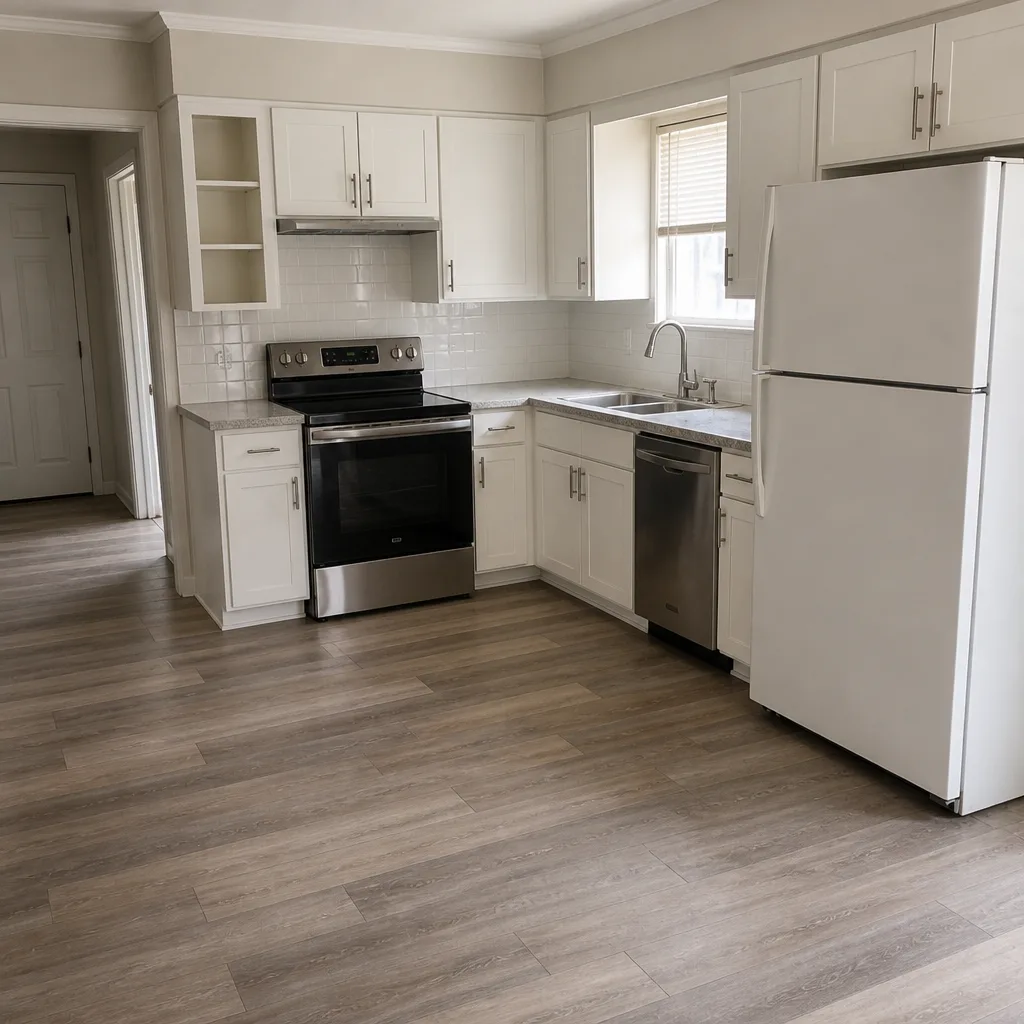
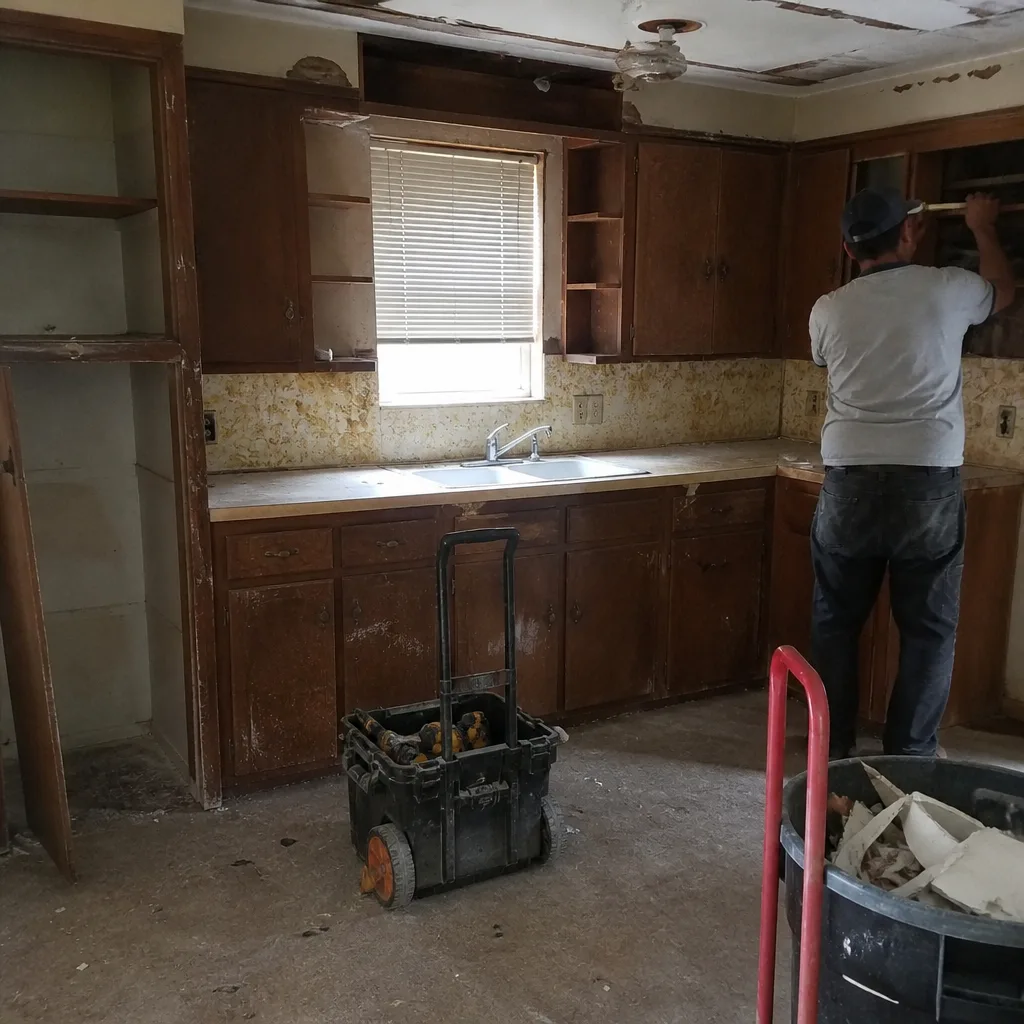
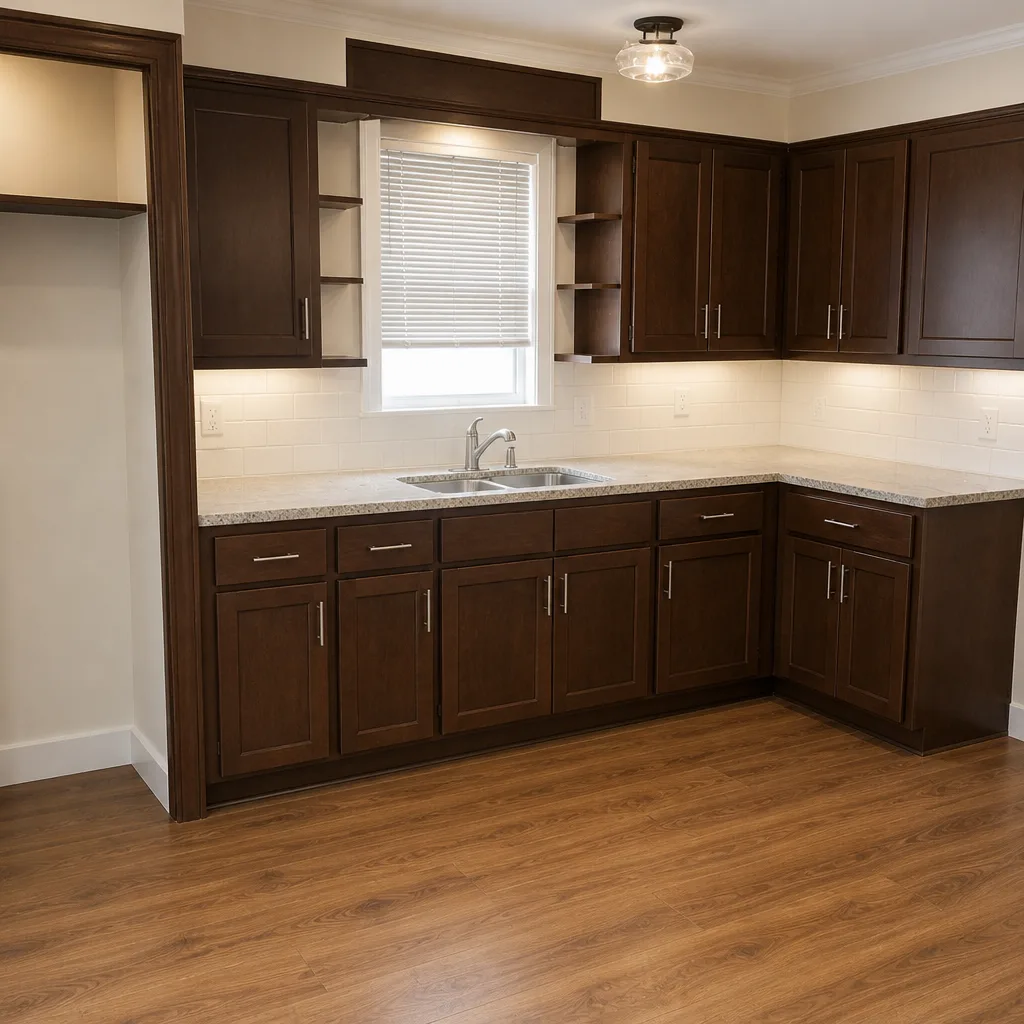
See the difference
 Before
 After
 Before
 After
 Before
 After
When to Call a Professional
Call a professional when more than two posts fail the push-test, when the fence leans across a full run, or when the concrete footing is visibly broken at grade. Call when a post sits within a foot of a utility line, a gas meter or a property-line survey mark – digging is regulated, and Fort Worth requires a permit for fences above the standard residential height, and any fence on or near a property line should be surveyed first. Call when the boards are failing on a fence that’s less than ten years old; that usually points to a grade or installation problem worth diagnosing rather than patching. And call when the repair touches more than one failure type, because the scope needs to address both or the money is wasted. Rowan Construction Group Fort Worth offers free estimates in Fort Worth – call (833) 570-6084. Estimates are free, the price is in writing before any work starts, and we’ll give you a second opinion on any bid you already have at no charge.
Frequently Asked Questions
Fence repair in Fort Worth typically runs $150 to $250 per post for a sister post, $200 to $350 for a post pulled and reset in new concrete, and $300 to $500 per post for full replacement including concrete removal in clay soil. Board replacement runs $8 to $20 per picket depending on grade. A typical three-post repair with a dozen boards lands in the $700 to $1,400 range. Call (833) 570-6084 for an exact quote – estimates are free.
Your fence is leaning because the post footing has lost its grip on Fort Worth’s expansive clay. The soil expands when wet and shrinks when dry, cycling the post loose. Shallow footings fail first. Run the push-test at hip height: if the whole panel moves at the base, it’s a post problem, not a board problem.
Repair the fence if the posts are structurally sound and the failure is limited to boards or a handful of footings. Replace it when more than 20 percent of posts fail the push-test, when the lumber is rotted across most of the run, or when the fence is past fifteen years old and you’re facing a second repair. A written scope for each option lets you compare honestly. Call (833) 570-6084 for a free written estimate.
No. New boards on a moving post show the same failure within about 18 months, which is why board-swapping on a leaning fence is the most wasteful repair we see. Fix the post first. The push-test above tells you which you have in five minutes.
#2 Clear cedar holds up better in Fort Worth’s wet-to-dry humidity swings than Knotty #3. The tighter grain and lower sapwood content resist splitting and rot for ten to fifteen years versus four to six for unsealed Knotty #3. It costs 25 to 40 percent more per picket, and the quote should name the grade.
Standard repairs to an existing fence at its existing height and location typically don’t require a permit in Fort Worth. A new fence, a height increase, or any fence near a property line or utility line does – and a survey should be in hand first. Ask the contractor to pull and document any required permit and inspection. Call (833) 570-6084 with the address and we’ll tell you what applies.
The Bottom Line
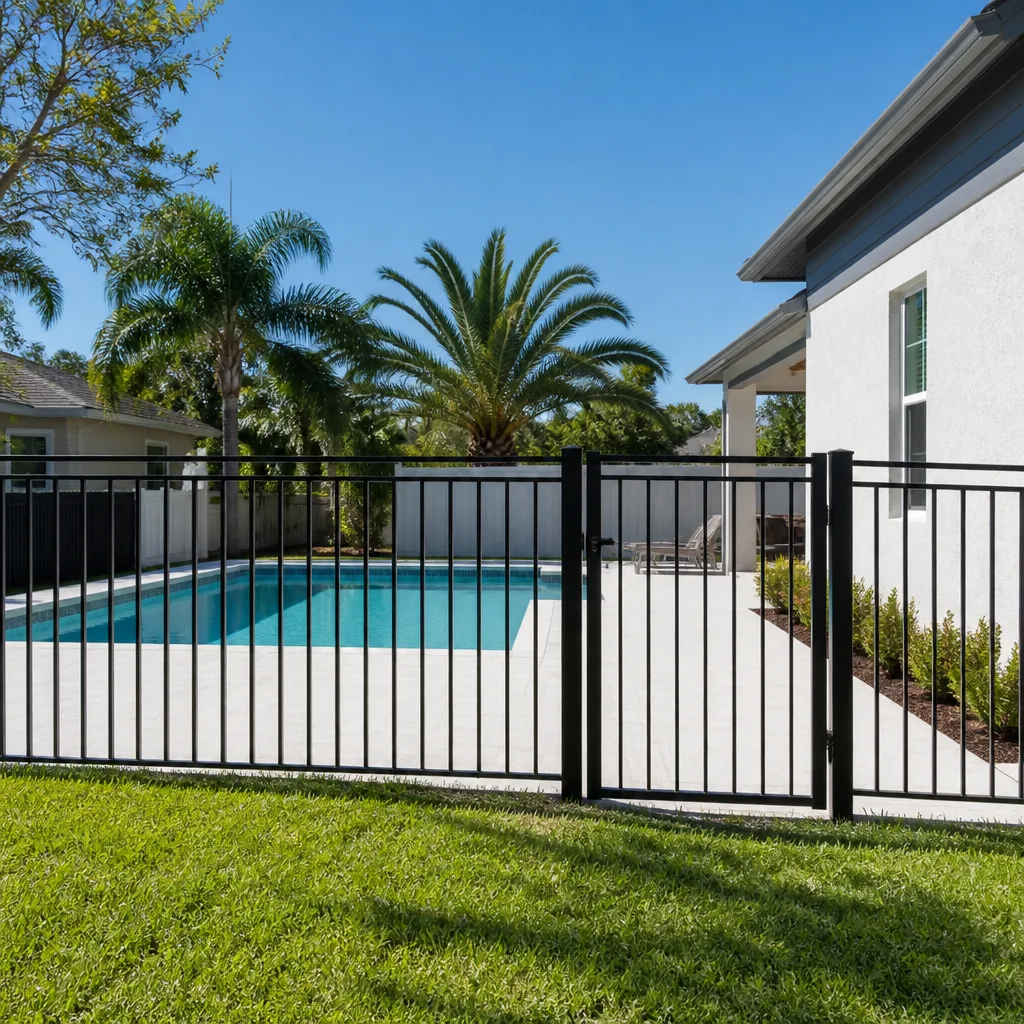
Fort Worth fence failures split into two families: post failures from clay soil movement and board failures from moisture cycling. The push-test at hip height tells you which one you have in five minutes, and that diagnosis decides whether you spend money on posts or on boards – never both when only one has failed. Post repairs cost $150 to $500 per post depending on how permanent you want it. Board failures come down to cedar grade and the three water infiltration points: the post-rail joint, the bottom gap above grade, and rail end grain. Get the written scope to name the post depth, the concrete volume, the board grade and species, the hardware, the sealants and the warranty. That’s the documentation that keeps a repair from becoming a repeat.
If you want a written price before anyone picks up a tool, call Rowan Construction Group Fort Worth at (833) 570-6084 for a free estimate. We’ll run the push-test with you, write the scope and the price before work starts, and include a photo record of what we found and what we did. Our technicians have up to 19 years of experience, they’re background-checked and uniformed, and a live person answers the phone any hour of the day.
Written by the team at Rowan Construction Group Fort Worth.