Last updated November 18, 2026
Free written scope consultation - allowances, timeline, and change-order rules on paper before a single trade is scheduled
Windows & Doors Warning Signs Every Homeowner Should Know
Fog on the inside of a single-pane window in January is weather. Fog that shows up between the two panes of a sealed unit, sealed inside the glass where nobody can wipe it, is the argon seal giving out, and that window has already lost roughly 30% of its insulating value. That is the pattern with nearly every real window and door problem: the obvious symptom points one way and the diagnosis points somewhere else. We’ve walked through enough Fort Worth homes to know the sticking door after a wet spring and the cold spot on the wall beside a frame tell you more than the crack you can see. This guide connects seven visible warning signs to the specific failure each one indicates and gives you a repair cost range for every one of them.
Quick Answer
A window or door has crossed from maintenance into replacement territory when the damage reaches the frame, the glass seal, or the rough opening, not just the paint or the screen. Replaceable problems (hardware, weatherstripping, a refinish) cost $50 to $400 to fix; structural problems (frame rot, a failed IGU, hinge wear that sags the whole slab) typically run $250 to $1,400 depending on the unit and the access. If a deadbolt won’t engage without lifting the door, or a screwdriver pushes into soft wood at a sill corner, you’re past surface maintenance.
Styles & brands we work with
- Kitchen remodeling
- Bathroom remodeling
- Home additions & ADU
- Roofing
- Windows & doors
- Driveway & pavers
- Fence
Table of Contents
- 1. Interior fog versus the fog between the panes
- 2. The screwdriver probe test: frame rot versus paint failure
- 3. Door-specific warning signs, from deadbolt to rough opening
- 4. Fort Worth hail damage: cosmetic screen hits versus seal failures
- 5. The seven signs with the diagnostic test for each
- 6. Building a photographic record before you call anyone
- 7. What each repair costs
Interior fog versus the fog between the panes
A double-hung window that fogs on the room-side of the glass in cold weather is doing exactly what glass sitting against warm, humid indoor air is supposed to do. Condensation on the cold surface is normal, especially in a Fort Worth house running the furnace from December into February. Wipe it and it comes back with the next cold snap. That’s a humidity story, not a window story.
Fog or a milky haze that appears between the panes, inside the sealed unit a homeowner can’t reach, means the factory seal has failed and moisture has entered the space that was filled with argon or another inert gas. This is the IGU (insulated glass unit) failing, and it’s worth understanding what it costs you. A typical double-pane unit carries an R-value around 2 to 3; when the gas leaks out and is replaced by air, the window’s insulating value drops by roughly 30%. You feel it as a cold zone on the wall near the frame in winter and a hot one in summer.
Two things to check before diagnosing:
- Where is the fog? Wipe the room side. If the haze is on the other side of the first pane, the seal has failed. In a Fort Worth summer with the AC working hard, condensation on the outside of a good window is also normal and not a failure.
- How old is the glass? Most IGU manufacturers warranty sealed units for 10 to 20 years. Find the manufacturer’s stamp in the corner of the glass; brands like PGT and CGI mark their units, which tells you who to call.
A failed IGU on an otherwise sound window usually costs $250 to $600 to replace as glass only, less than a full window. If the frame is soft or the sill is water-stained, you’re looking at the frame section below.
The screwdriver probe test: frame rot versus paint failure
This is the single most useful diagnostic a homeowner can do, and it costs nothing. Paint failure is cosmetic, a surface problem you refinish for $50 to $150. Frame rot is structural, and it almost always means the whole unit comes out.
- Pick the sill corners. Rot starts where water sits, which is the lower corners of the sill and the base of the side jambs. Never test the face of the frame; the corners tell the truth.
- Use a small flathead screwdriver, not your finger. Press the tip into the wood at the corner with moderate hand pressure. Sound wood resists and the tip skates. Soft wood yields and the tip sinks in.
- Read the result. If the screwdriver sinks 1/8 inch or more with light pressure, the wood is punky and the rot is structural. If it holds firm and the paint is simply cracked or peeling, you have a refinish job.
- Check inside the reveal. Open the window and probe the jamb where the sash rides. Rot there can’t be patched; the sash travel is compromised.
In Fort Worth, the failure pattern is specific. Our summers swing wet and dry, and a window sill that sees afternoon sun on a west wall expands and contracts hard through July and August. Every expansion cycle opens a micro-crack in the paint at the corner, and the next rain gets in. By the time a homeowner notices the flaking, the wood behind the paint at that corner has been wet for a season or two. That’s why we probe rather than eyeball; the paint can look intact over soft wood.
If the probe sinks, a full window replacement in our Fort Worth market typically runs $450 to $1,200 per unit installed, higher for large picture windows or second-story access. A refinish and repaint on sound wood runs $50 to $150.
Door-specific warning signs, from deadbolt to rough opening
The door signs most homeowners miss are the ones that look like a lock problem but are actually a frame problem. The clearest: a deadbolt that won’t engage unless you lift the door handle, or a strike plate that no longer lines up with the bolt without a shove.
That lift-and-shove move means the door slab has dropped, which points to hinge wear (the screws backing out of the top hinge, or the hinge leaf elongated) or, more seriously, frame sag. When a door frame sags, the rough opening – the framing cavity the door sits in – has moved, and that’s not a hardware fix. A sagging frame can come from a settling foundation, water intrusion at the threshold, or a header that was undersized. In Fort Worth homes built on expansive clay soils, foundation movement is the usual suspect, and a door that catches only in late summer or after heavy rain is a classic symptom.
Run this check before calling anyone:
- Open the door halfway and let go. If it swings on its own, the jamb isn’t plumb.
- Tighten-test the hinge screws. If they spin without biting, the wood is stripped; that’s a hinge problem, cheap to fix ($75 to $200).
- Look at the gap around the door. An uneven gap – wide at top, tight at bottom, or vice versa – is frame or rough opening. A deadbolt that needs a lift is the same story.
- Check the threshold for water staining or softness. Rot at the sill is the time to replace, not repair.
Sticking doors caused by hinge or strike wear typically fix for $75 to $300. A door that needs the wall opened to address a sagging frame or a soft threshold starts around $800 and climbs with the rough opening repair.
Fort Worth hail damage: cosmetic screen hits versus seal failures
Fort Worth gets hail, and windows take a beating. Most of what a homeowner finds after a storm is cosmetic: pitted screens, scuffed sashes, a ding in the vinyl. That’s not replacement territory, and a contractor who tells you otherwise is selling.
The hail indicator that matters is frame dents combined with hairline cracks or spidering in the glass. A dented frame flexes; that flex can crack the edge seal of the IGU even when the glass face looks intact. You won’t see the fog immediately – it shows up two to ten weeks later, once moisture and temperature do their work. That timing matters: in our experience, the catastrophic failures we see in Fort Worth follow a spring hail event by a few weeks, right when the homeowner has already moved on and stopped thinking about the storm.
What to document for an insurance claim:
- Photograph the screen dents – but understand screen-only damage is cosmetic and usually not claim-worthy on its own.
- Photograph every frame dent and any glass crack at the edge. Get a close shot with a ruler or even a coin for scale.
- Check for fog between the panes every two weeks for two months after the storm. Fog that appears after hail damage is your best evidence that the impact cracked a seal.
Hail-damaged glass replacement typically runs $300 to $800 per unit. If the unit is covered by a manufacturer’s warranty and the damage is seal-related, that changes the math.
The seven signs with the diagnostic test for each
Here are the seven conditions that signal a window or door needs professional replacement rather than maintenance, with what to do and what it costs. We’ve seen all seven in Fort Worth homes, often several at once in houses built in the same decade with the same builder-grade materials.
1. Fog or haze between the panes. Test: wipe the room side. If the fog stays, the IGU seal has failed. Replacement cost: $250 to $600.
2. Screwdriver sinks in the sill corner. Test: probe at the sill corners, not the face. Soft wood equals structural rot. Cost: $450 to $1,200 for a full window.
3. Water staining inside the reveal. Test: check the jamb behind the sash and the operation; a streak means water is getting past the flashing. Cost: $450 to $1,200, higher if flashing is involved.
4. Deadbolt needs a lift to engage. Test: halfway-open swing test and the gap-check. Uneven gap means frame or rough opening. Cost: $75 to $300 for hinges, $800+ for rough opening repair.
5. Cold or warm spots on the wall beside a window. Test: run a hand along the frame in winter and summer; a cold spot beside the glass is a failed seal or missing insulation at the rough opening. Cost: glass replacement $250 to $600 or insulation repair from around $400.
6. Hinge screws that spin or a door that catches after a wet spring. Test: tighten-test every screw. Stripped wood equals hinge replacement. Cost: $75 to $200.
7. Screen dents with no frame flex, or frame dents with edge cracks. Test: examine every frame dent for edge crazing. Cosmetic screen hits cost nothing to fix; frame dents with glass cracks are insurance-eligible glass replacement, $300 to $800 per unit.
Building a photographic record before you call anyone
A contractor walking into any Fort Worth house with a phone full of photos has a totally different conversation than one who has to describe a symptom. The photo record turns “the window fogs up sometimes” into “the east-facing unit fogged between the panes on January 12, and here’s the frame dent with a hairline crack.” That’s evidence, and it gets you a written price with fewer guesses in it.
Here’s how to build it, in order:
- Assign one photo per sign from the seven above. Photograph the condition, not the problem. Fog between panes; the screwdriver pressed at the sill; the deadbolt and strike plate that don’t line up.
- Shoot a wide frame, then a close-up. The wide frame shows which window and which wall; the close-up shows the condition. A phone at arm’s length works.
- Use something for scale. Lay a ruler or a coin beside the dent or the crack.
- Note the date and which way the building faces. A west wall in Fort Worth takes a different solar load than a north wall, and that tells the contractor where else to look.
- Store the set with your home records so the photo record exists as a comparison point when work is done.
When we show up for a written estimate, we bring the same discipline in reverse: a documented photo record of what we found and what we recommend, included as standard on every visit. The free second opinion on any written estimate – bring a competitor’s quote and we’ll review it line by line – is most useful when you’ve documented the condition first.
What each repair costs
Here is the honest range for each job in our Fort Worth market, so you can carry a number into the conversation rather than a feeling. Specific pricing always depends on access, height, unit size, and whether rough opening repair is involved.
- Paint failure refinish and repaint: $50 to $150 per unit
- Hinge replacement or strike adjustment: $75 to $200
- Failed IGU glass replacement (the glass only, frame reused): $250 to $600 per unit
- Hail-cracked glass replacement (frame sound): $300 to $800 per unit
- Full window replacement with frame rot: $450 to $1,200 per unit
- Frame or rough opening repair: starts around $800, climbs with structural work
Window and door replacement across a whole house is a different conversation from a single unit, and it’s the point where a written price before anyone touches a tool is the only number that holds. We name the brands behind the glass – PGT and CGI in the windows we quote – because a written price with a brand attached is a number you can compare. Weatherstripping and threshold seals, which are the cheapest fix of all, usually sit inside a small hardware allowance and run $40 to $150.
Common Mistakes to Avoid
- Painting over soft wood. A coat of paint hides the probe test’s result and nothing else. In Fort Worth’s June-through-September heat, the paint opens at the same corner again and the rot deepens a season or two before you catch it.
- Replacing a whole window over a failed seal. A sound frame with a fogged IGU only needs the glass swapped. Homeowners who replace the whole unit spend three times what the seal replacement alone costs.
- Shaving or planing a door that sticks after rain. Planing treats the symptom and removes the material you’ll need later. In an expansive clay soil, the sticking door is the frame moving, and planing the slab leaves you with a bigger gap the rest of the year.
- Ignoring a deadbolt that needs a lift. A door that needs lifting to lock is a frame moving, and frame movement at the threshold is where water intrusion gets in next. Handle it before the weather stripping and the framing both pay.
- Calling hail screen dents a replacement. Screens are cosmetic. The frame dent with the hairline glass crack is the claim-worthy damage, and those are different photographs and different line items.
- Accepting a verbal price on a window job. Every window is a different size, a different access point, a different rough opening. Any quote that doesn’t put a flat number in writing per unit before work starts is worth asking why.
- Skipping the photo record. A contractor solves a documented condition in one trip. A described condition (“it sticks in the dry months”) can cost you a second appointment.
See the difference
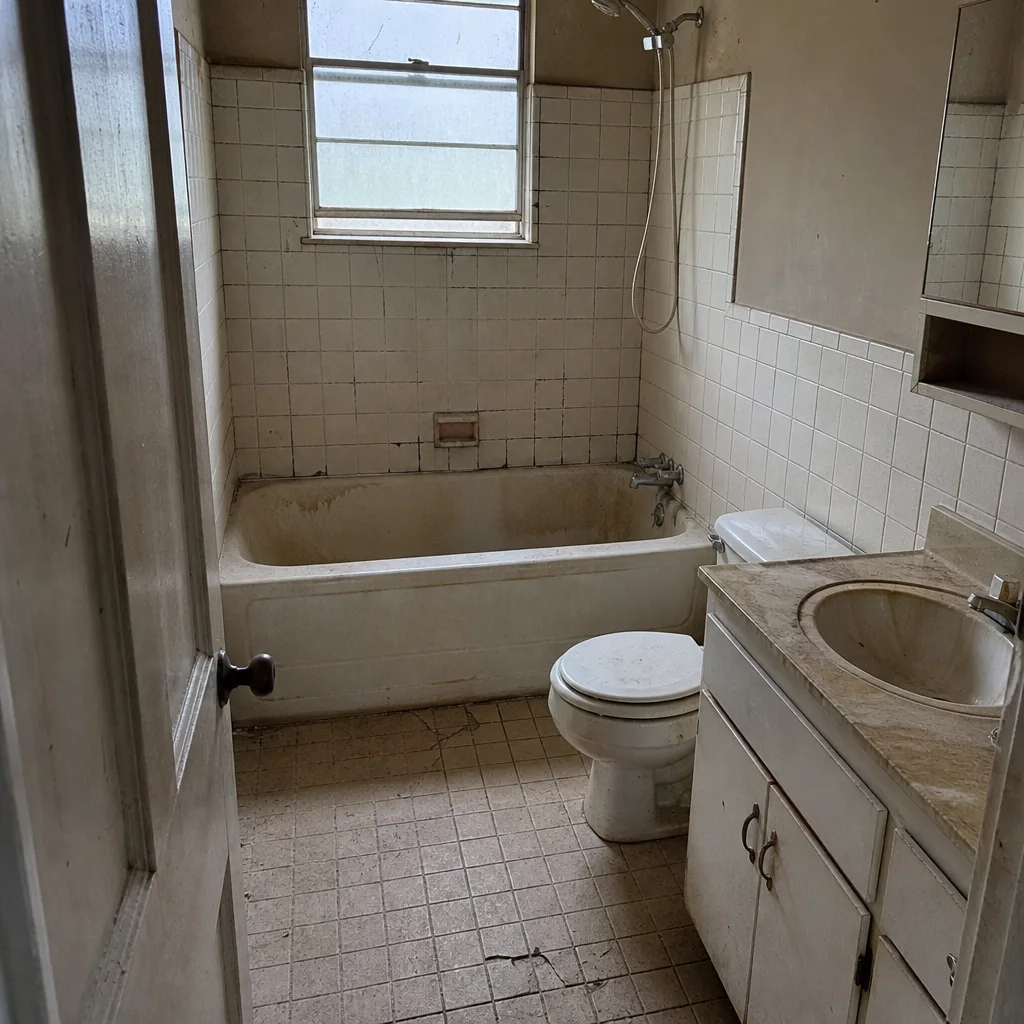 Before
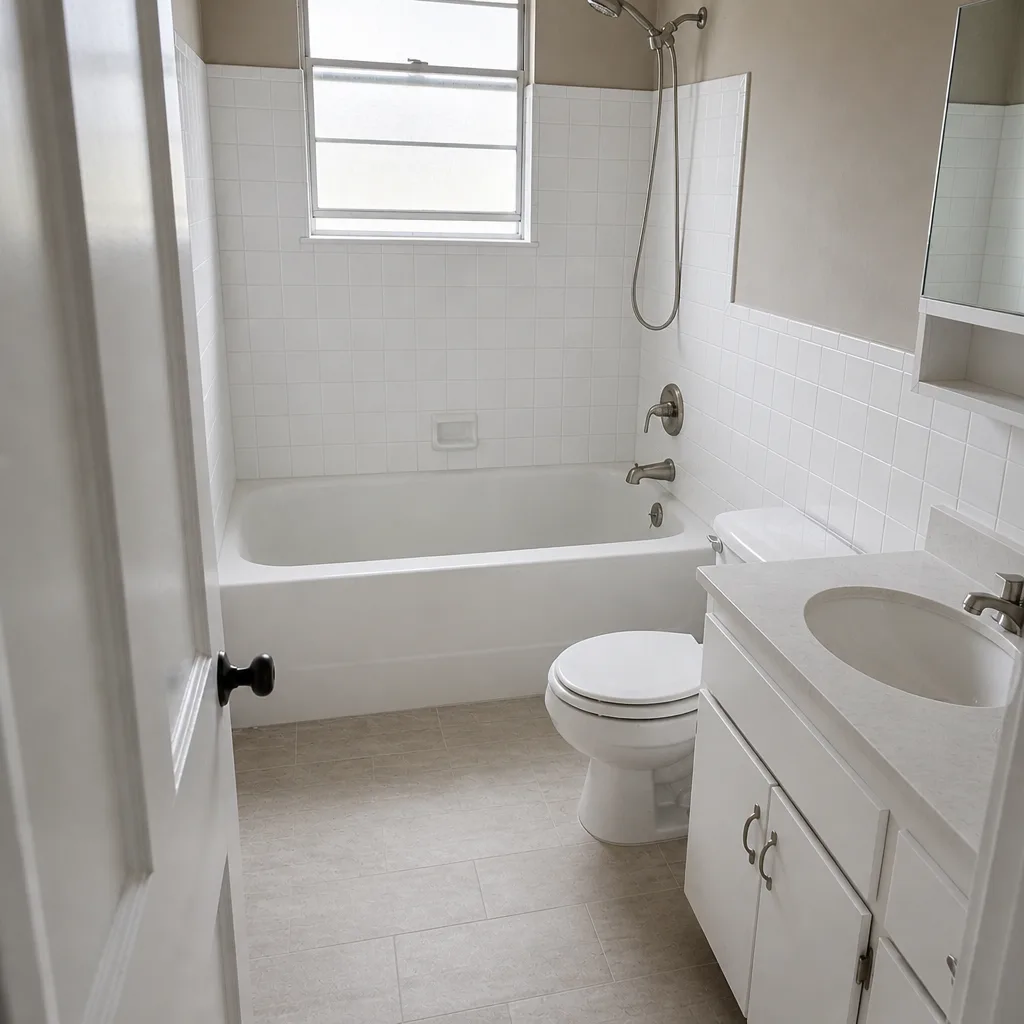 After
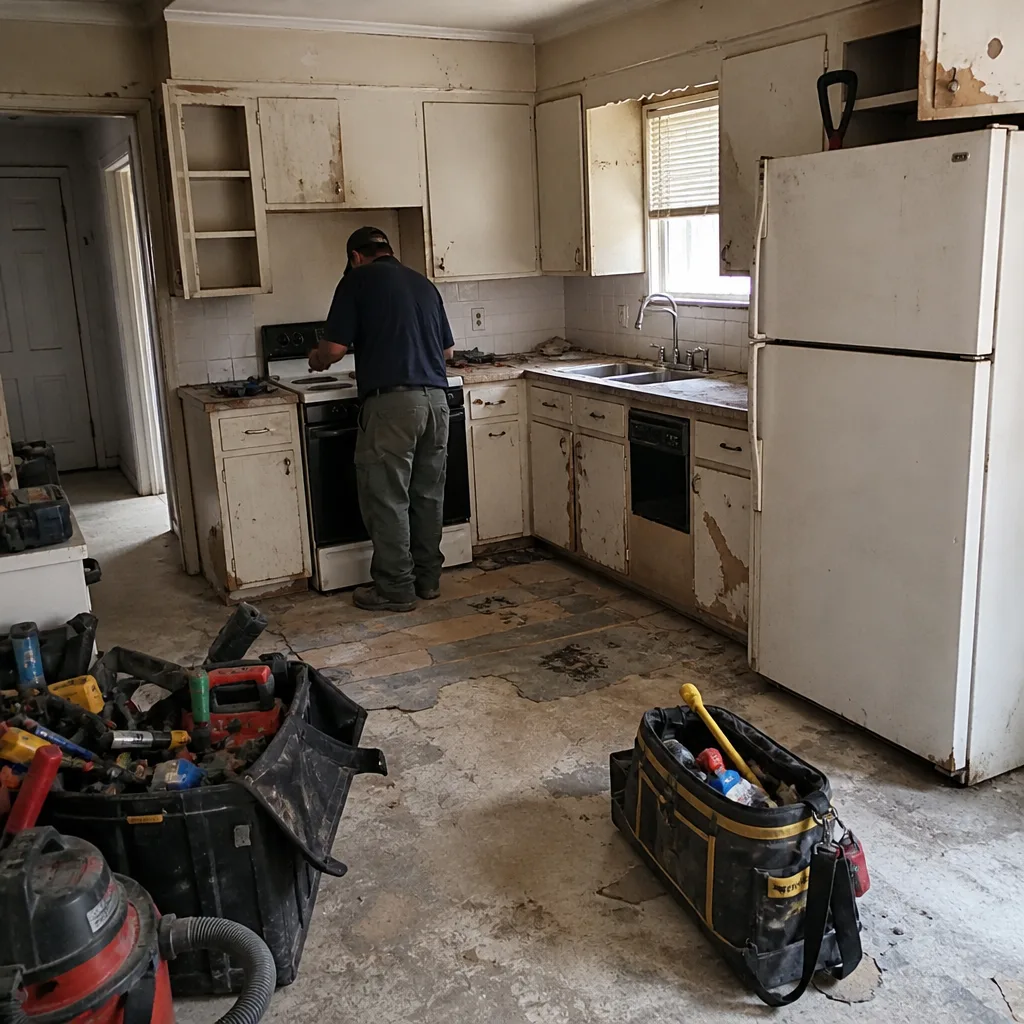 Before
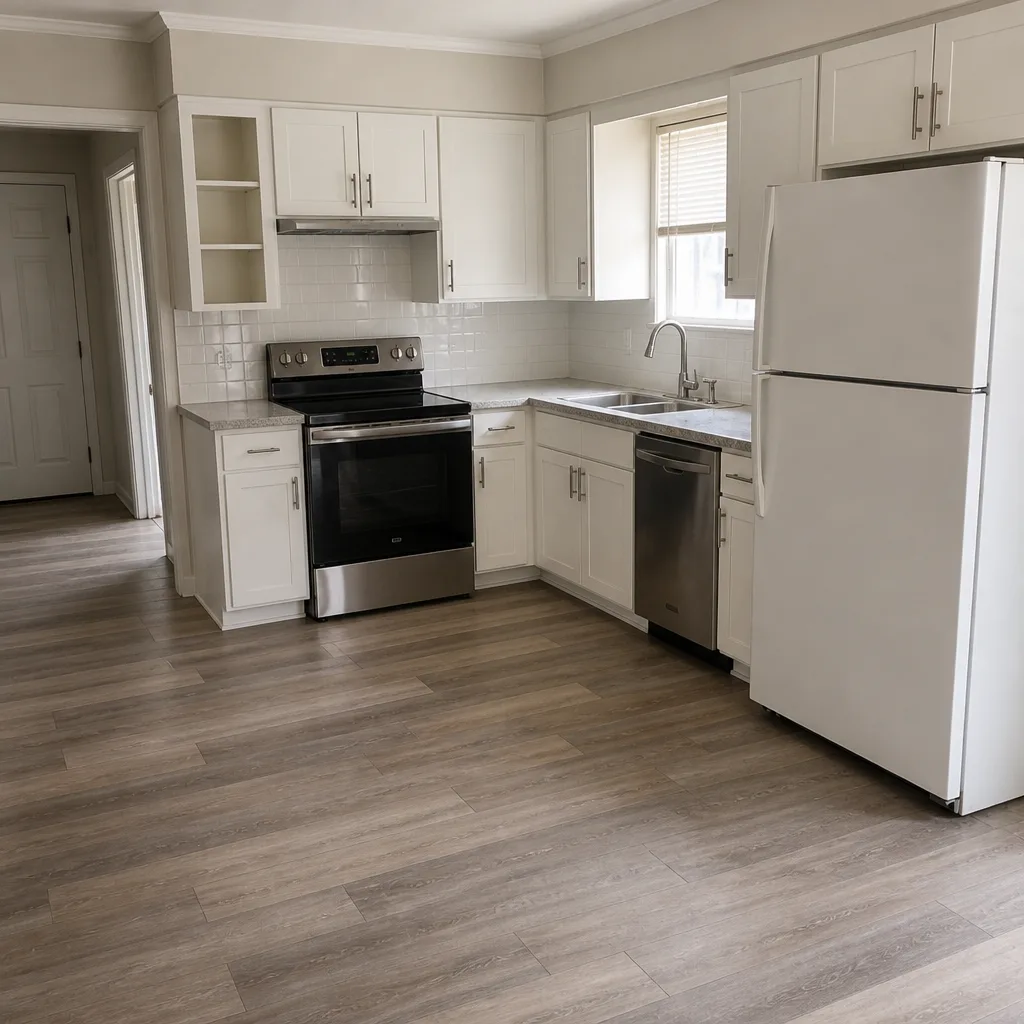 After
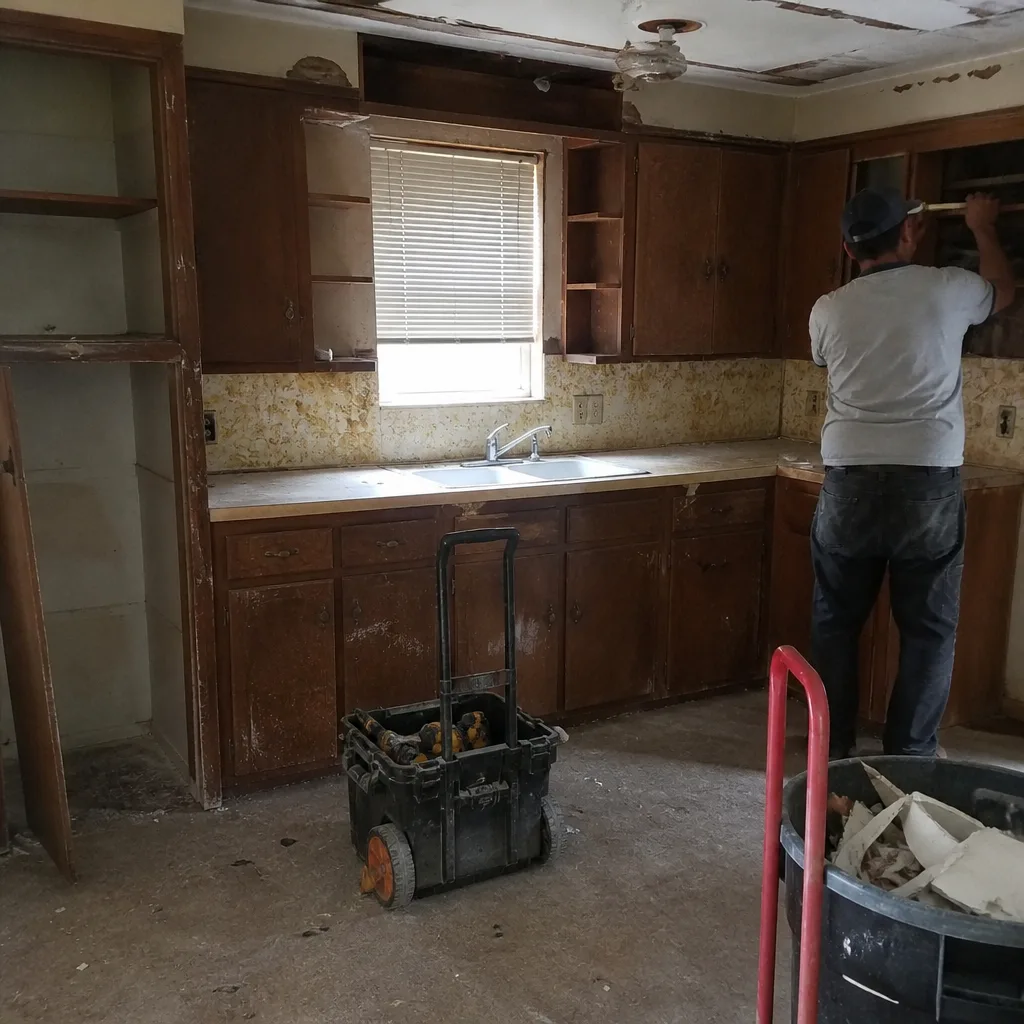 Before
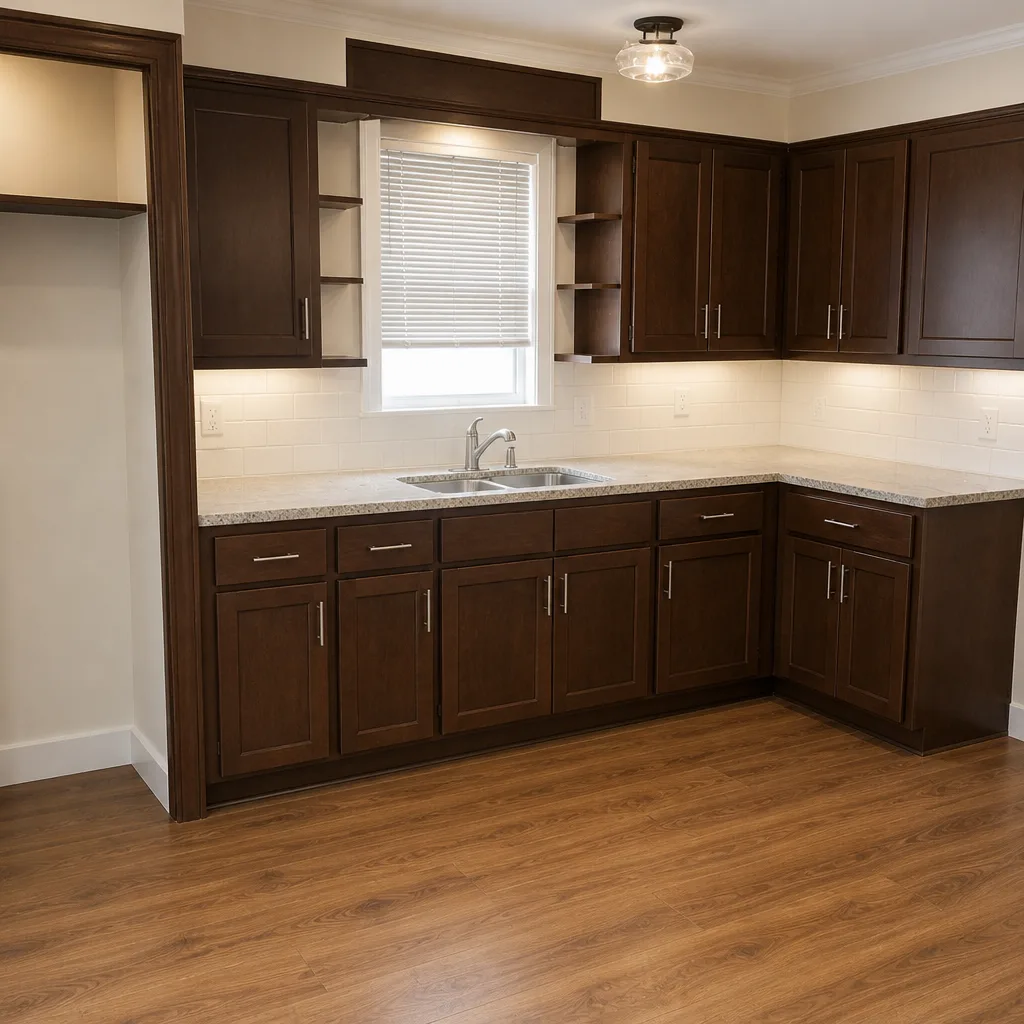 After
When to Call a Professional
Call a professional when the screwdriver sinks at the sill corner, when the deadbolt won’t engage without a lift, when fog appears between the panes and stays after you’ve wiped the room side, or when hail left frame dents with hairline glass cracks. Those four conditions describe the line where repair cheaply stops and replacement starts, and a trained eye can decide which side you’re on. Hinge tightening and weatherstripping you can handle yourself. Anything that touches the rough opening, the frame, or the glass seal needs a licensed professional, because a wrong diagnosis there costs more than the original repair. Our technicians have up to 19 years of experience reading exactly these conditions. Rowan Construction Group Fort Worth offers free estimates in Fort Worth – call (833) 570-6084 and we’ll bring a written price and a documented photo record of what we found.
Frequently Asked Questions
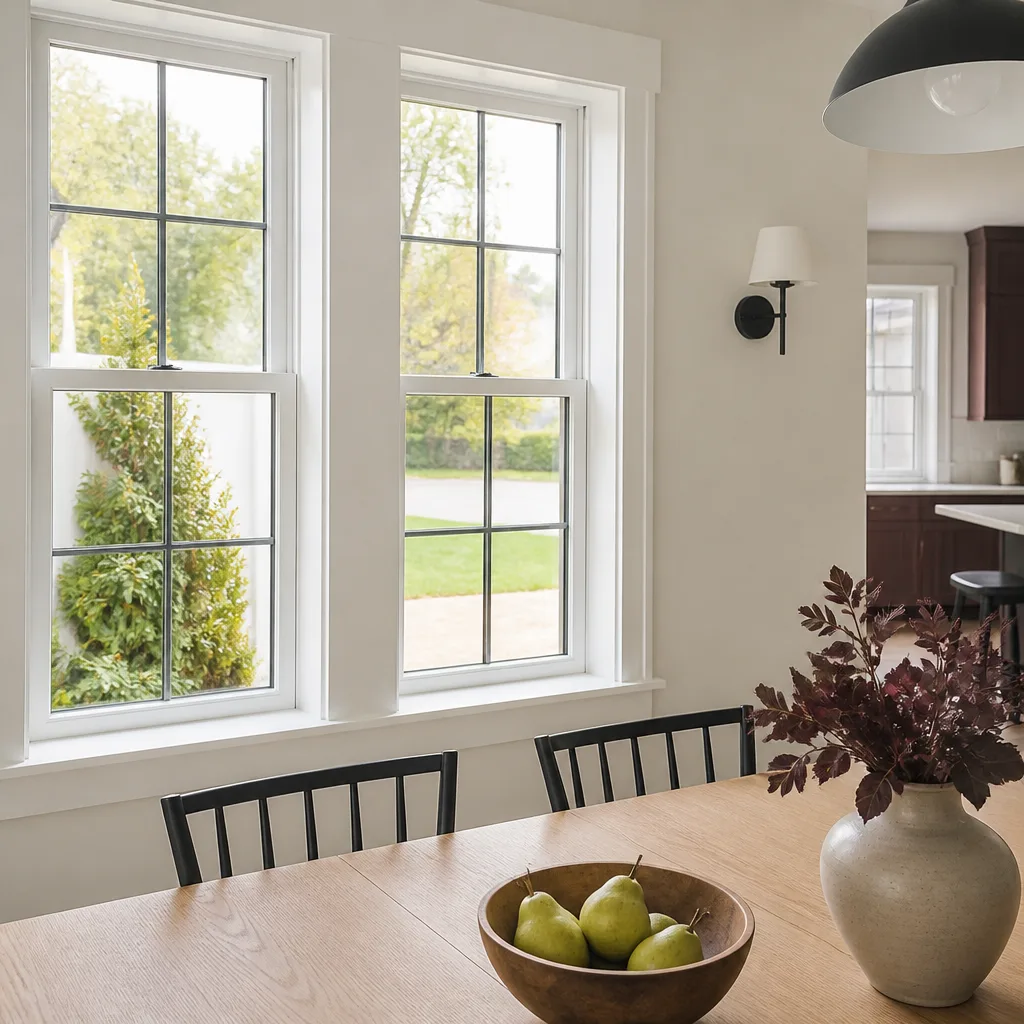
Wipe the room-side glass. Fog that disappears and returns with the next cold snap is normal condensation on a cold surface. Fog or haze that stays between the two panes, where you can’t reach it, means the IGU seal has failed and the argon gas has escaped. A failed seal loses roughly 30% of the window’s insulating value, and replacement of the glass unit in Fort Worth typically runs $250 to $600. Call (833) 570-6084 for a free estimate on a failed unit – estimates are free.
Sometimes, and it’s worth knowing which. A door that sticks only in late summer or after heavy rain points to foundation movement, which is common in Fort Worth’s expansive clay soils, and that means the rough opening has moved. A door that sticks year-round and has stripped hinge screws or a deadbolt that needs lifting points to hinge or frame wear. A halfway-open swing test tells you quickly. Call (833) 570-6084 for a free estimate – we probe the frame and the threshold before we recommend anything.
Often, if you can document frame dents paired with hairline edge cracks in the glass. Screen dents alone are usually cosmetic and won’t justify a claim. Photograph every frame dent with a scale, and check for fog between the panes every couple of weeks for two months, because seal failures from a spring hail event typically show up a few weeks later. Call (833) 570-6084 for a free estimate; we’ll review the documentation with you.
No, if the wood has gone soft. The screwdriver probe test is the deciding factor: if the tip sinks a quarter inch at the sill corner, the wood is punky and the rot is structural, which means a full window replacement, typically $450 to $1,200 per unit in Fort Worth. If the tip holds firm and the paint is simply cracked, a refinish runs $50 to $150. Call (833) 570-6084 for a free estimate and we’ll run the probe test with you.
Because the door slab has shifted, and the shift points to hinge wear or frame sag. Lifting the handle raises the slab enough for the bolt to clear the strike. That movement is coming from either the hinges (fixable for $75 to $200) or the rough opening (a structural repair starting around $800). The 30-second gap check (open halfway, let go, watch it swing) tells you which. Call (833) 570-6084 to schedule a free estimate; we’ll check the frame and the rough opening together. See the Rowan Construction Group Fort Worth home page for our trades and coverage.
Usually not. A failed IGU on a sound frame is a glass-only swap, which is the cheaper path. A window replacement only makes sense when the frame itself is soft at the sill or water has gotten into the rough opening. The decisive test is the sill corner probe; if the wood resists, you’re replacing glass, not windows. Call (833) 570-6084 for a free estimate and a written comparison of both options. If your broader project grows, our Home Additions & ADU in Fort Worth page covers the structural end of the scope.
The Bottom Line
The signs that actually tell you a window or door needs replacement live below the surface: fog between the panes, a screwdriver sinking at the sill corner, a deadbolt that needs a lift, a cold spot beside a frame, and hail-cracked glass weeks after the storm. Read each sign against the repair cost above, and you’ll know which fix is a $75 hinge job, which is a $500 glass swap, and which is a $1,000-thousand frame replacement. Build a photo record before you call, so the conversation starts with evidence. When you’re past the maintenance line, a written price before work starts is the standard to hold any contractor to. If the scope widens into fencing, paving, or a structural addition, our Fence Installation in Fort Worth and Driveway & Pavers in Fort Worth pages cover those trades, and every job is quoted the same way.
When you have the photos and you’re ready for a number, call (833) 570-6084. Rowan Construction Group Fort Worth delivers the written price before any work, backs it with the 365-Day Done Right Promise, and brings a documented photo record of what we found and what we recommend on every visit. Estimates are free, including a free second opinion on a competitor’s written quote.
Written by the team at Rowan Construction Group Fort Worth.