



Free written scope consultation - allowances, timeline, and change-order rules on paper before a single trade is scheduled
Styles & brands we work with
- Kitchen remodeling
- Bathroom remodeling
- Home additions & ADU
- Roofing
- Windows & doors
- Driveway & pavers
- Fence
See the difference
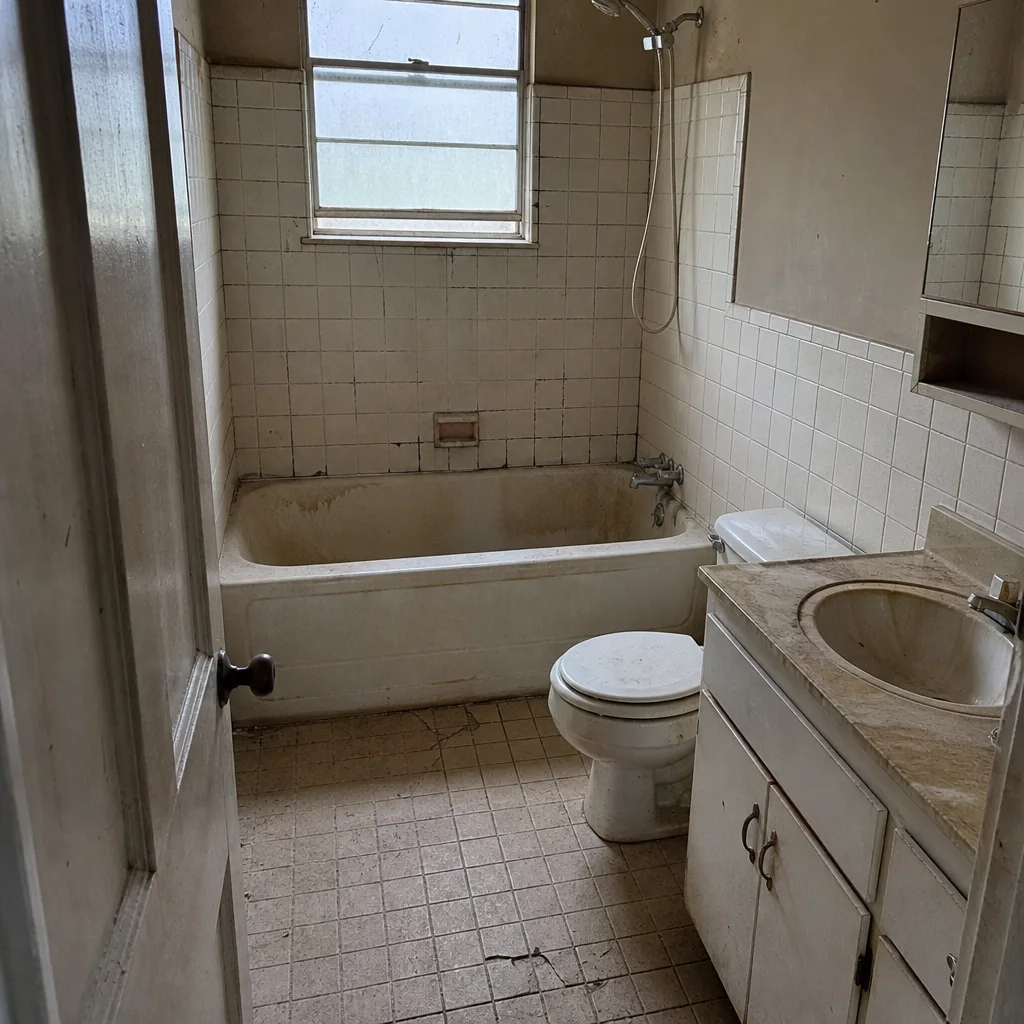 Before
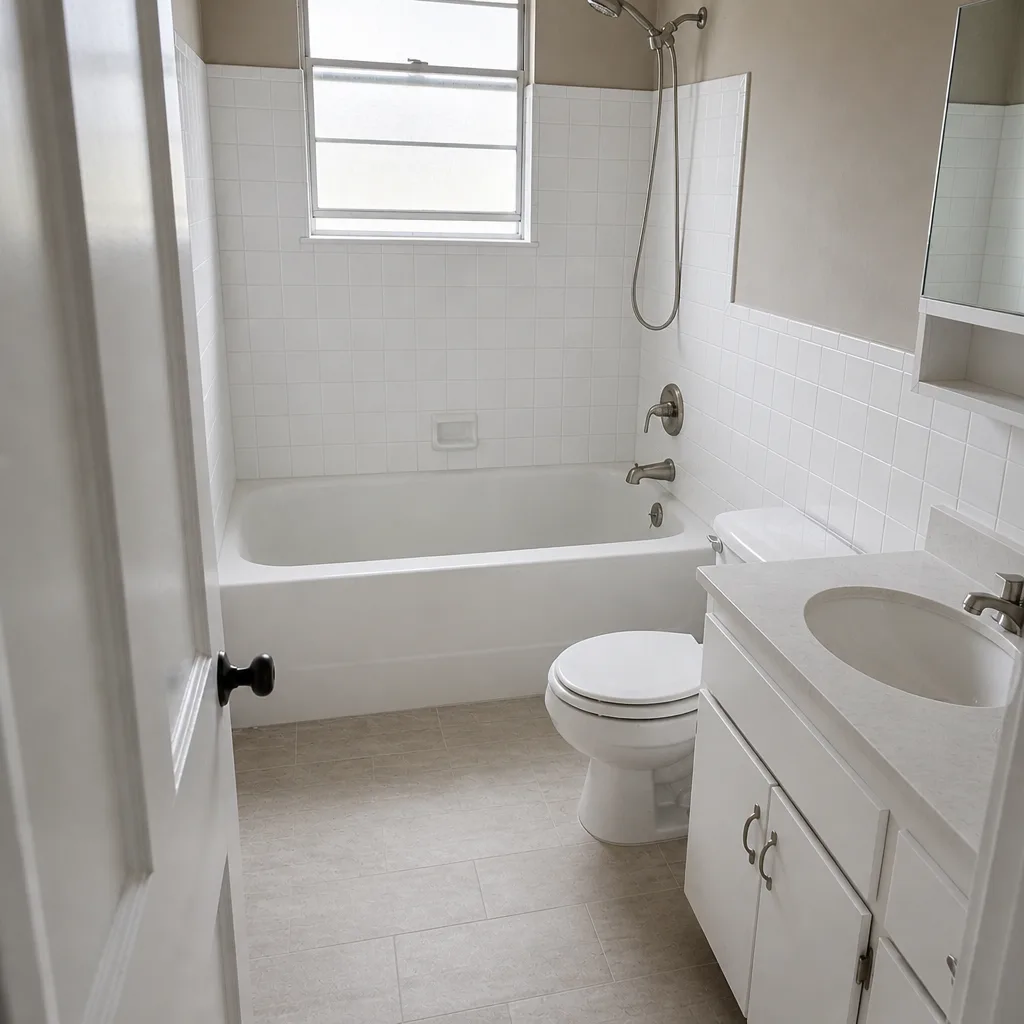 After
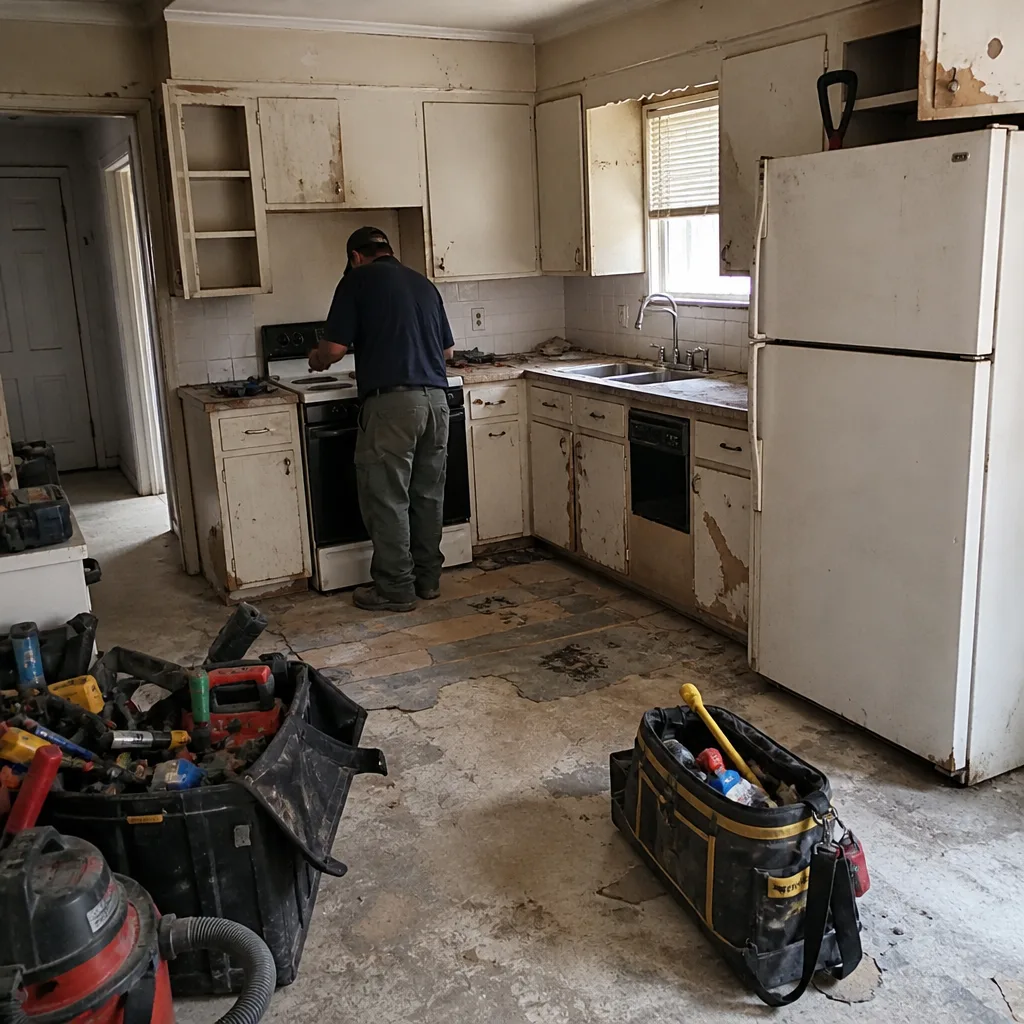 Before
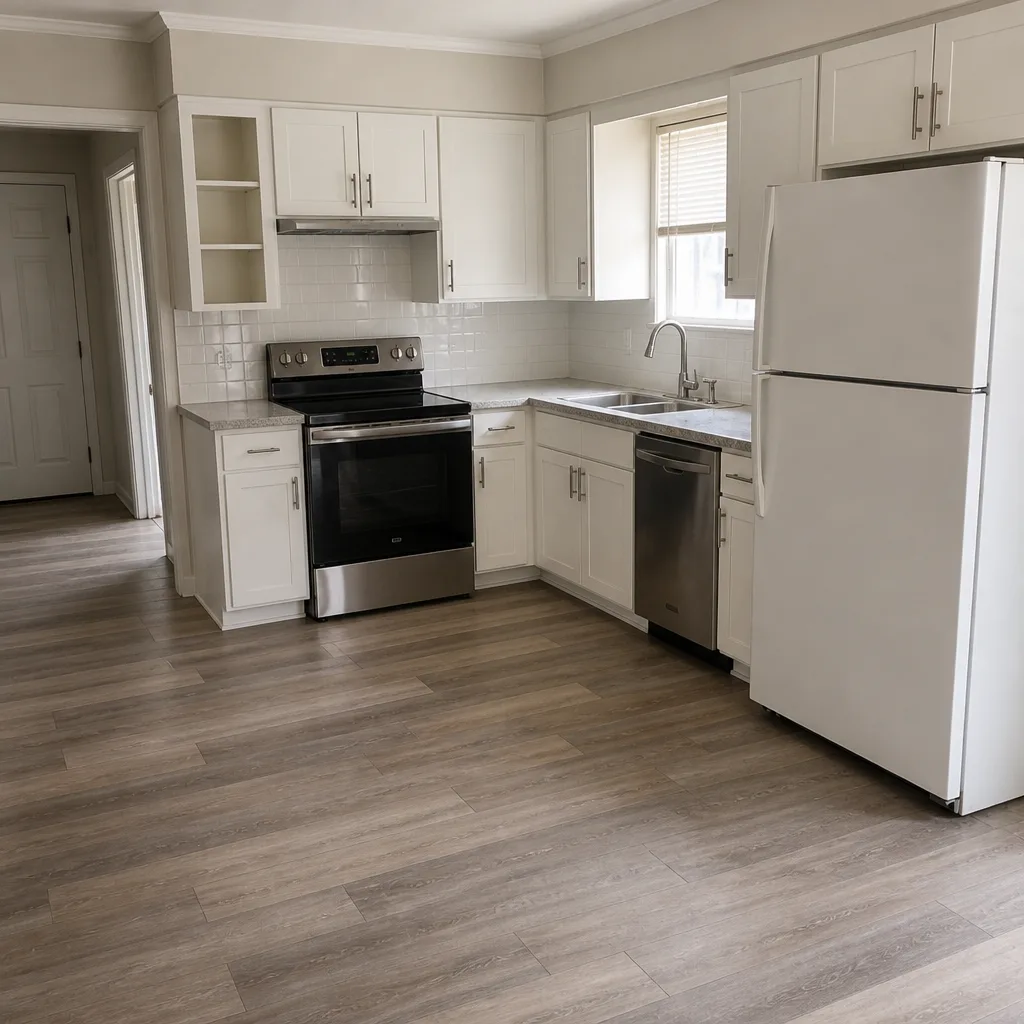 After
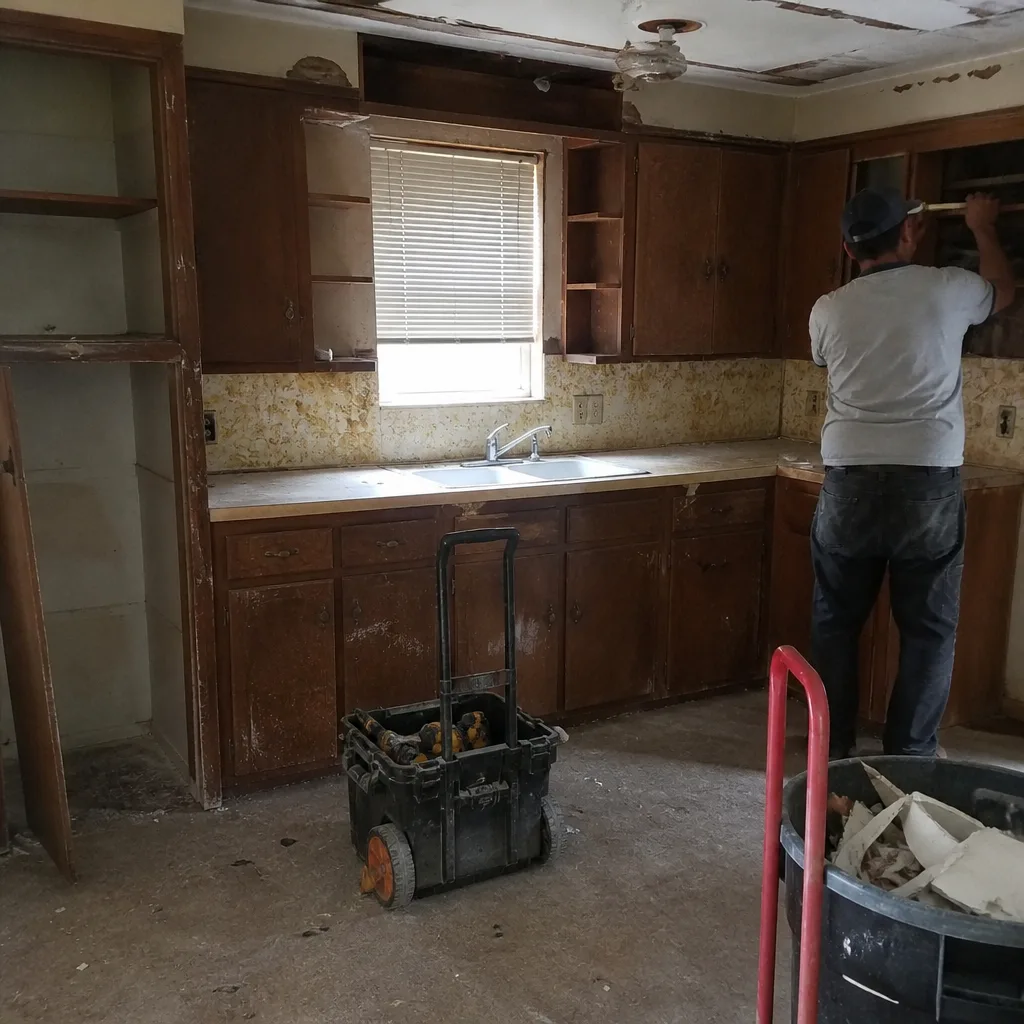 Before
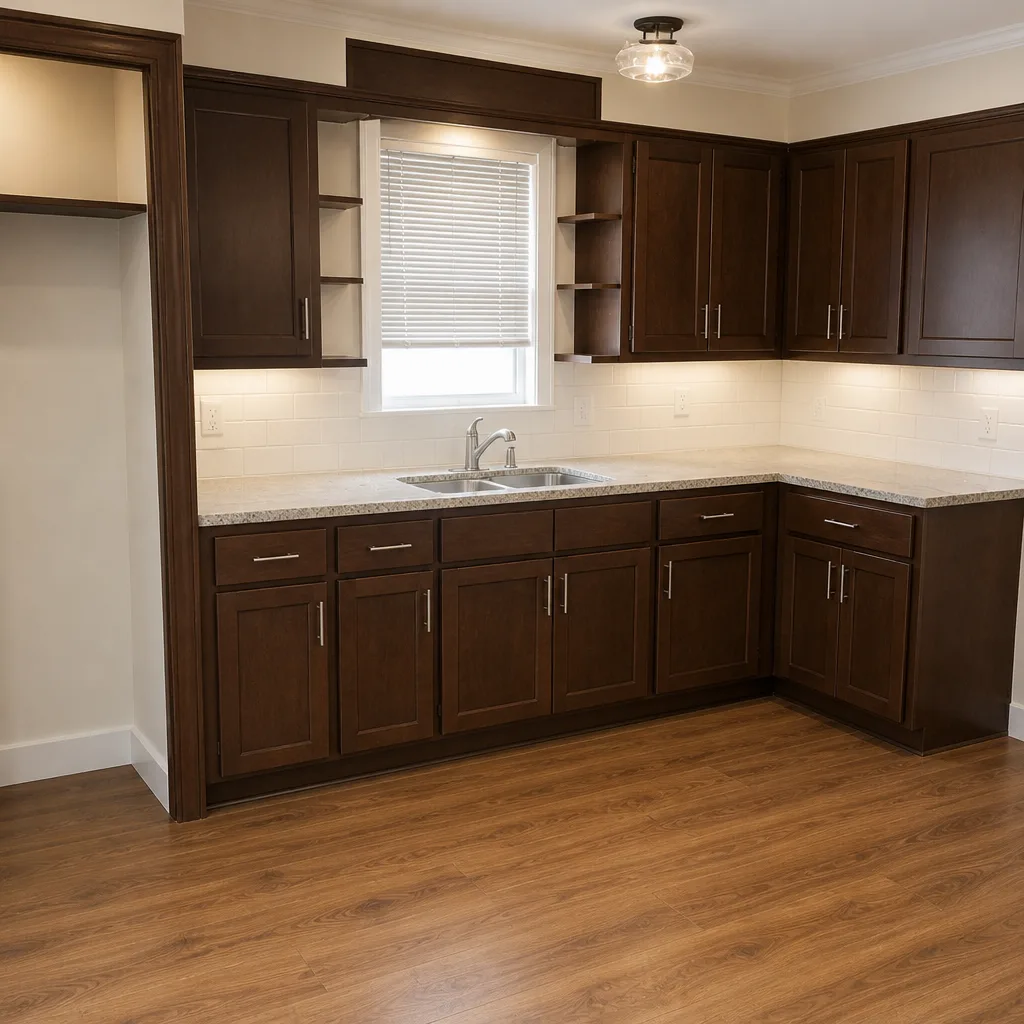 After
General Contractor vs Handyman in Fort Worth: Which One Do You Actually Need?
Choose a handyman for jobs under $500 that touch nothing structural, electrical, or plumbing - a sticking door, a fence picket, a caulk line. Choose a licensed general contractor the moment a project touches a wall, the slab edge, the roof line, or anything that needs a permit. The reason is specific to Fort Worth: on this city’s expansive clay, unpermitted structural work becomes your liability, not the handyman’s. Call (833) 570-6084 for a free second opinion on any written estimate before you decide.
The Word “Contractor” Means Nothing on Its Own in Texas
Texas does not license general contractors at the state level. Plumbers, electricians, and HVAC technicians are licensed individually, and the Texas Department of Licensing and Regulation tracks those trades. But “general contractor” is an unregulated title - anyone can paint it on a truck. So the distinction that actually matters legally is not the word. It’s whether the contractor carries commercial general liability plus workers’ comp, and whether they can pull permits in Fort Worth’s name.
A handyman working alone, typically carries a general liability policy that excludes structural work - by definition, in the standard Texas policy language. That exclusion is what separates the two roles in practice.
The Fort Worth Permit Line: What a Handyman Legally Cannot Do
Fort Worth’s Development Services Department requires a permit for structural work, electrical panel changes, plumbing rough-in, and additions over 200 square feet. Those jobs also require a licensed subcontractor on the permit. A handyman cannot pull that permit. If a handyman does the work anyway, the improvement is unpermitted - and it flags on resale, on appraisal, and on any future insurance claim.
This is where the clay comes in. Fort Worth sits on the eastern edge of the Cross Timbers, on expansive clay soils that swell when wet and shrink in drought. A patio poured without soil prep, a re-graded drainage path, a new exterior door cut into a pier-and-beam bungalow - any of these can move the ground and, six months later, the slab. If a handyman did that work unpermitted and outside his policy, you have no recourse. The structural consequence is yours.
Where the line falls, roughly
- Under $500, no structural/electrical/plumbing component: reasonable handyman territory. Baseboards, a hardware swap, a fence repair.
- Anything touching a wall, the slab edge, or the roof line: general contractor with permit authority. Interior wall removal, additions, foundation-adjacent drainage, roof replacement.
- Any electrical panel work or plumbing rough-in: licensed sub plus permit. Never a handyman.
- Historic districts like Fairmount or the Stockyards: exterior changes run through the Historic and Cultural Landmarks Commission before a permit is even pulled.
The dual-track reality of Fort Worth makes this sharper than in Dallas. The city is growing fast - greenfield subdivisions pushing west toward Walsh Ranch and north around Alliance - while the Near Southside and Northside hold century-old Craftsman bungalows and pier-and-beam four-squares that new-build contractors rarely touch. Post-tension slabs and rigorous soil prep are standard on the blackland clay south and west of town. A crew that has only ever built slab-on-grade spec homes will get a bungalow wrong.
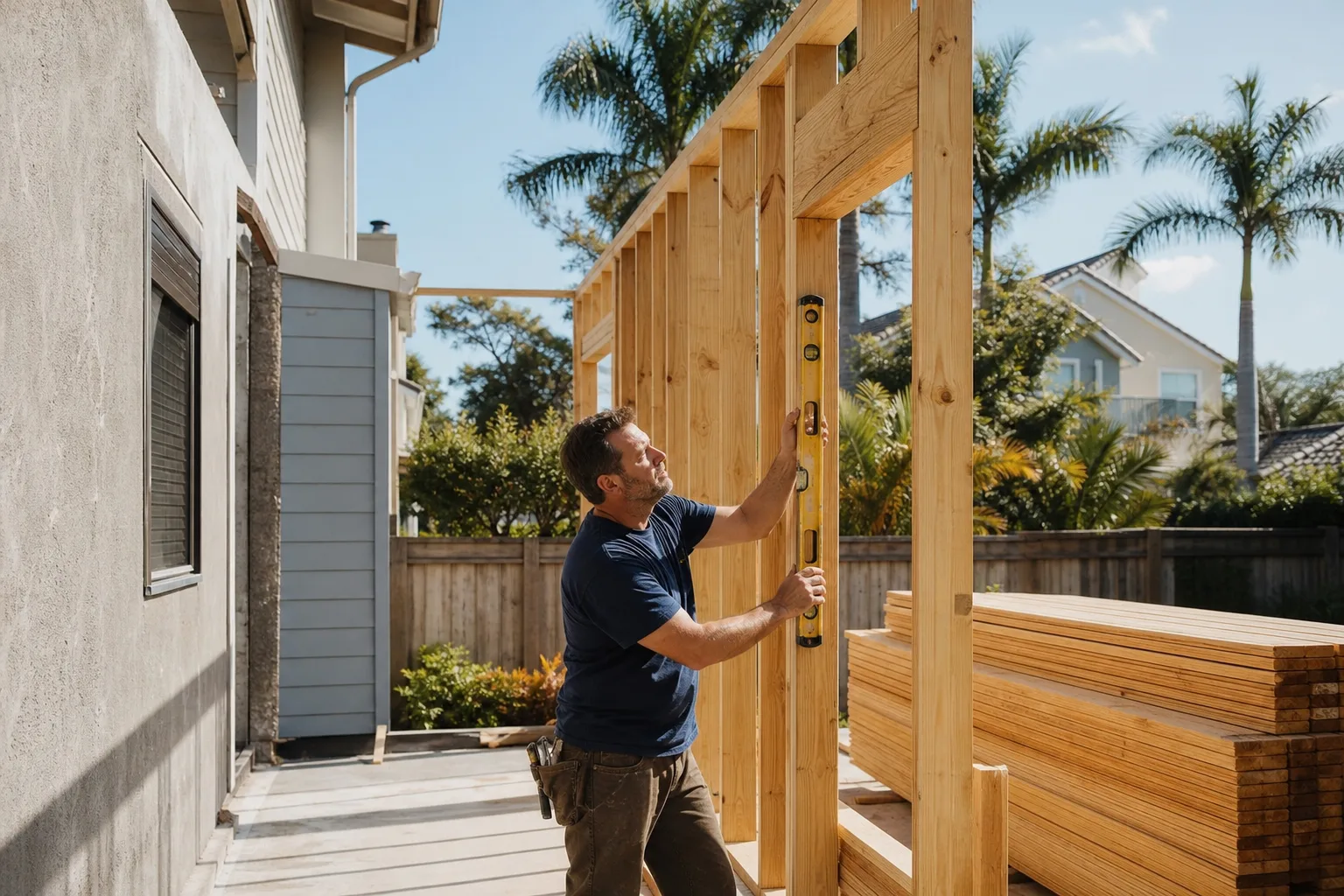
Side by Side: General Contractor vs Handyman in Fort Worth
| Consideration | General Contractor | Handyman |
|---|---|---|
| Permit authority | Can pull permits in Fort Worth’s name | Cannot legally pull structural/electrical/plumbing permits |
| Insurance | Commercial general liability + workers’ comp | Typically GL that excludes structural work |
| Structural liability if clay moves the work | Carried by the contractor | Falls on the homeowner |
| Change orders | Written and signed before work proceeds | Verbal, often on a Venmo receipt |
| Documentation | Signed contract, photo record, written warranty | Handshake |
| Resale impact | Permitted and documented | Unpermitted work flags on disclosure |
| Best for | Walls, slab edge, roof, additions, historic overlays | Sub-$500 punch-list items |
Documented Accountability: What a Fort Worth GC Owes You
The difference at the finish line is not enthusiasm. It’s paperwork. Under Clause 1 of The Haven Standard, Rowan Construction Group Fort Worth delivers a flat written price with a written scope before anyone picks up a tool - no “call for a quote,” ever. No change proceeds until a signed change order exists. That discipline is why projects land within a few percent of the number the customer agreed to, across 4,000-plus jobs since 2007.
Every visit includes a documented photo record as a standard deliverable, and the 365-Day Done Right Promise backs every trade. Technicians are background-checked, uniformed, and bring up to 19 years of experience; a live person answers the phone 24/7. When we specify roofing materials, they’re named brands - IKO, Atlas, Tamko - not “architectural shingle” left vague. That specificity is what separates a real quote from a guess.
How the trades break down when you cross the line
Once a project crosses into GC territory in Fort Worth, these are the honest ranges you should expect to see written down:
- Roof replacement: $8,000-$20,000; roof repair: $400-$1,800
- Home addition: $45,000-$130,000; ADU construction: $90,000-$220,000
- Kitchen remodel: $14,000-$45,000; bathroom remodel: $9,000-$28,000
- Window replacement: $4,500-$15,000; paver driveway: $7,000-$18,000
A handyman quoting inside those numbers without permits or structural insurance is telling you the risk is yours. For a full picture of what we cover across all seven trades, see our home page. If you’re still weighing scope, our guides on kitchen remodeling, bathroom remodeling, roofing, window replacement, fence installation, driveway and pavers, and home additions each explain what triggers a permit. Homeowners in nearby areas can read the same breakdown for Fort Worth, Arlington, Keller, and Southlake.
Common Local Scenarios We See in Fort Worth
- A Fairmount bungalow needs a front door replaced. The door is in the historic overlay, so the change runs through the Landmarks Commission. A handyman who hangs it anyway leaves an unpermitted exterior change for the next owner to explain.
- A west-side backyard needs a paver patio. No soil prep, and the blackland clay heaves it within a season. A GC specs the base; a handyman pours on dirt.
- A Northside pier-and-beam four-square gets a new load-bearing header. This needs an engineer’s stamp and a permit. This is not a punch-list item.
- A 2010s brick-veneer home needs a roof. Repeated spring hail tore up the shingles. A roof replacement runs a permit and a named shingle brand - IKO, Atlas, or Tamko - not a verbal promise.
- Fence repair after a storm. Sub-$500, no structural concern. Reasonable handyman work.
Frequently Asked Questions
You need a general contractor if the work touches a wall, the slab edge, the roof line, or requires a permit - anything structural, electrical, or plumbing-related. A handyman is fine for jobs under $500 with none of those components. Call (833) 570-6084 and we’ll tell you straight which side of that line your job falls on.
No. Texas does not license general contractors at the state level, though it does license plumbers, electricians, and HVAC technicians individually. The distinction that matters is whether the contractor carries commercial general liability plus workers’ comp and can pull permits in Fort Worth’s name - not the title on the truck. Estimates are free, so it costs nothing to ask us to review a competitor’s written quote line by line.
No - a handyman cannot legally pull a permit for structural, electrical, or plumbing work in Fort Worth, and Fort Worth’s Development Services requires licensed subs on those permits. If a handyman does the work anyway, the improvement is unpermitted and flags on resale. Call (833) 570-6084 for a written price before anyone starts.
It looks cheaper up front and almost never is. On Fort Worth’s expansive clay, unpermitted work carries no structural recourse when the ground moves, and it surfaces on resale disclosure. The upfront saving rarely survives the first foundation question. Get a written number before you decide - estimates are free.
If you’d rather have it looked at, Rowan Construction Group Fort Worth offers a no-pressure assessment in Fort Worth - call (833) 570-6084. We’ll review any written estimate line by line at no charge and tell you whether your project actually needs a GC.
Written by the team at Rowan Construction Group Fort Worth, serving Fort Worth, TX.