Free written scope consultation - allowances, timeline, and change-order rules on paper before a single trade is scheduled
Styles & brands we work with
- Kitchen remodeling
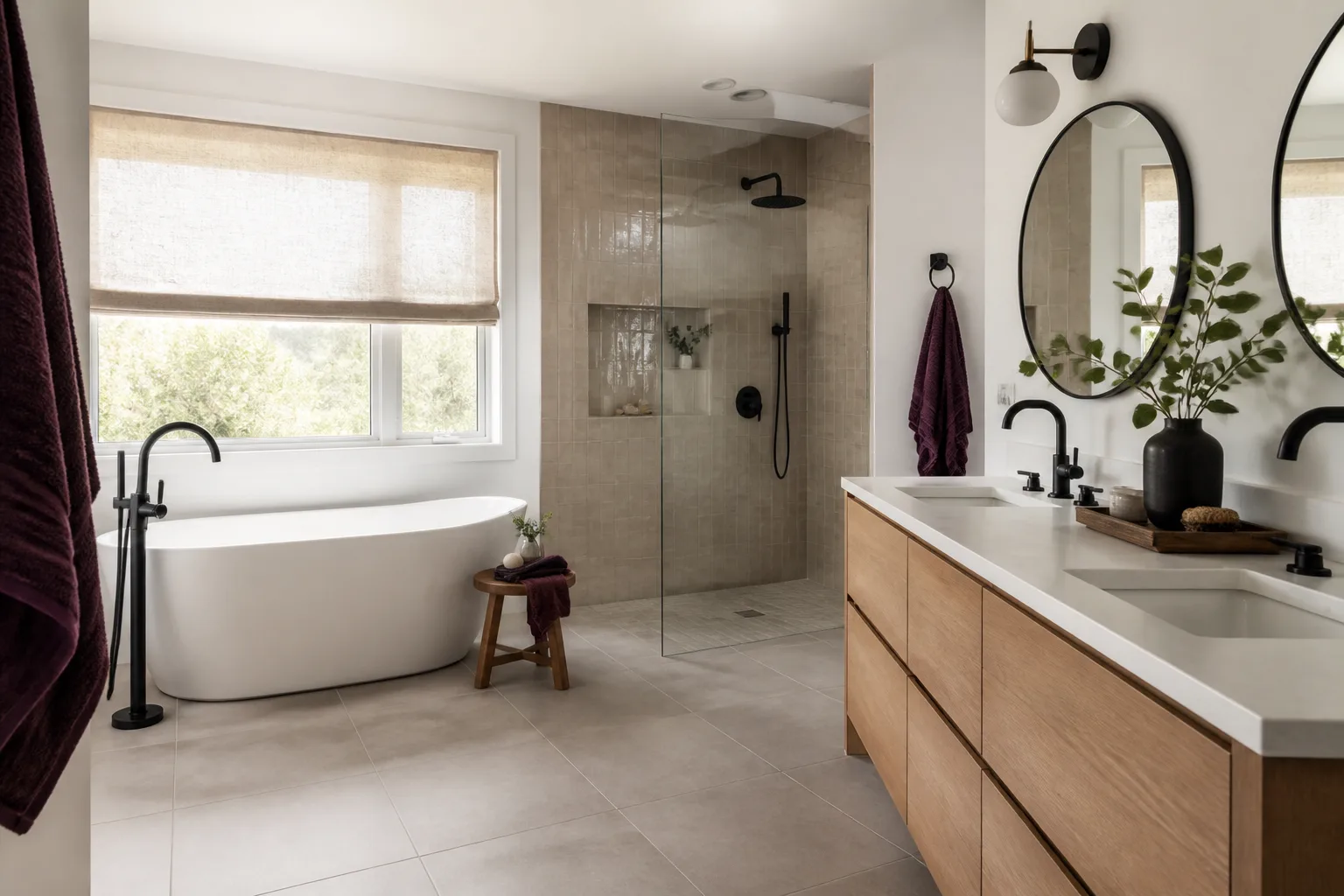
- Bathroom remodeling
- Home additions & ADU
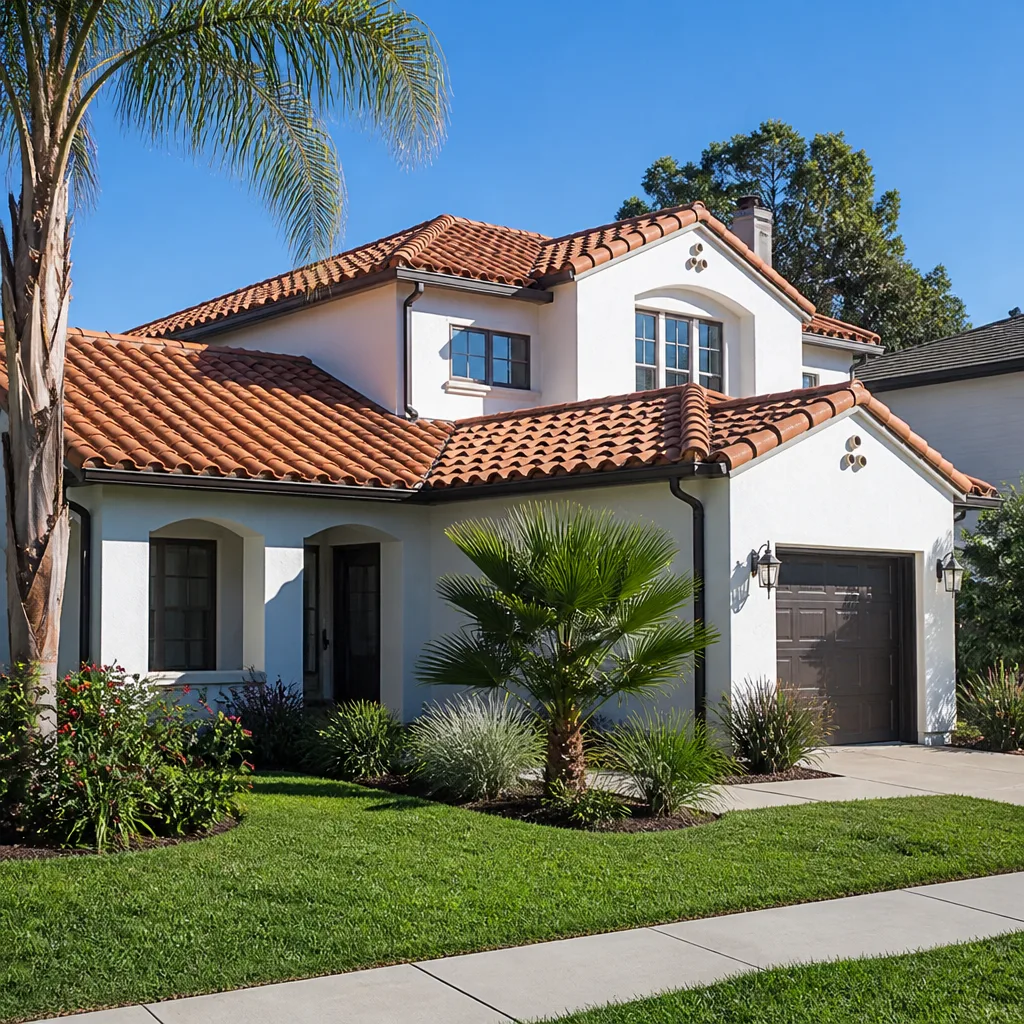
- Roofing
- Windows & doors
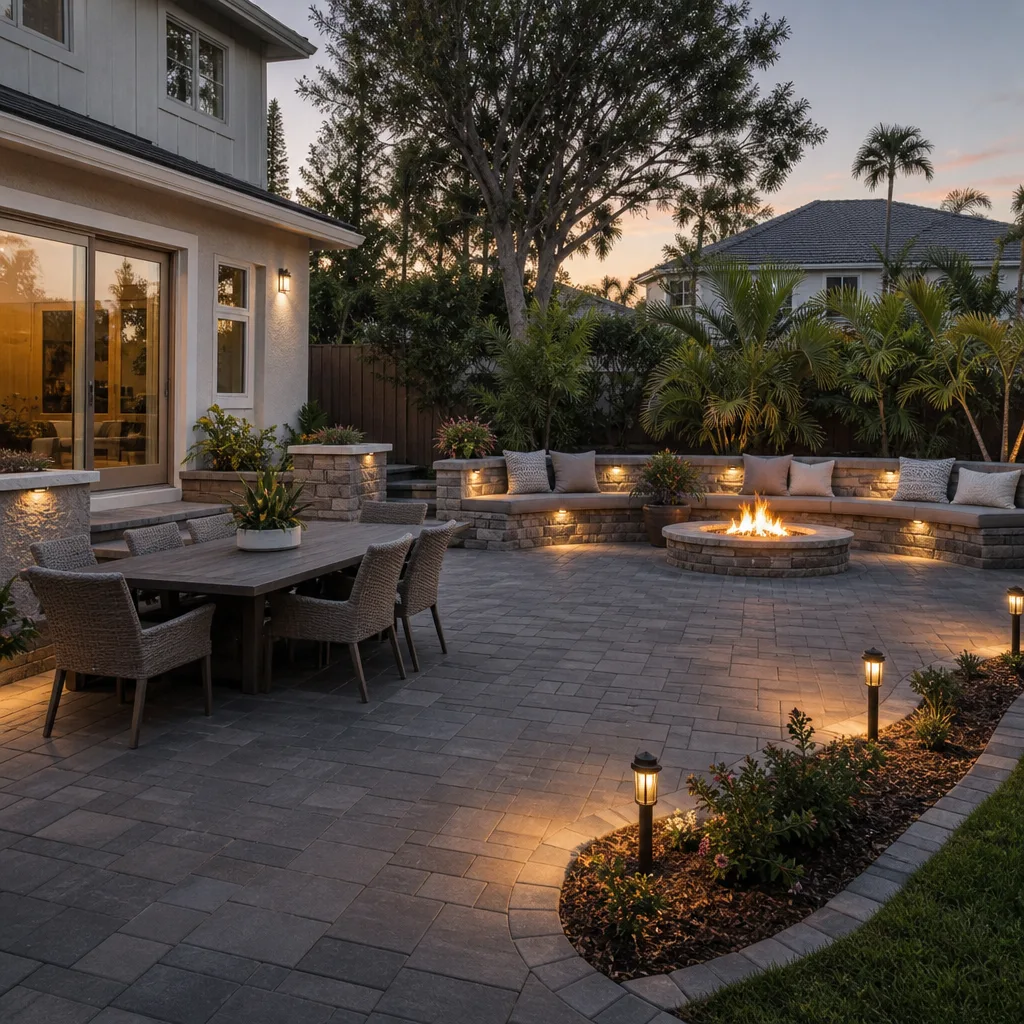
- Driveway & pavers
- Fence
See the difference
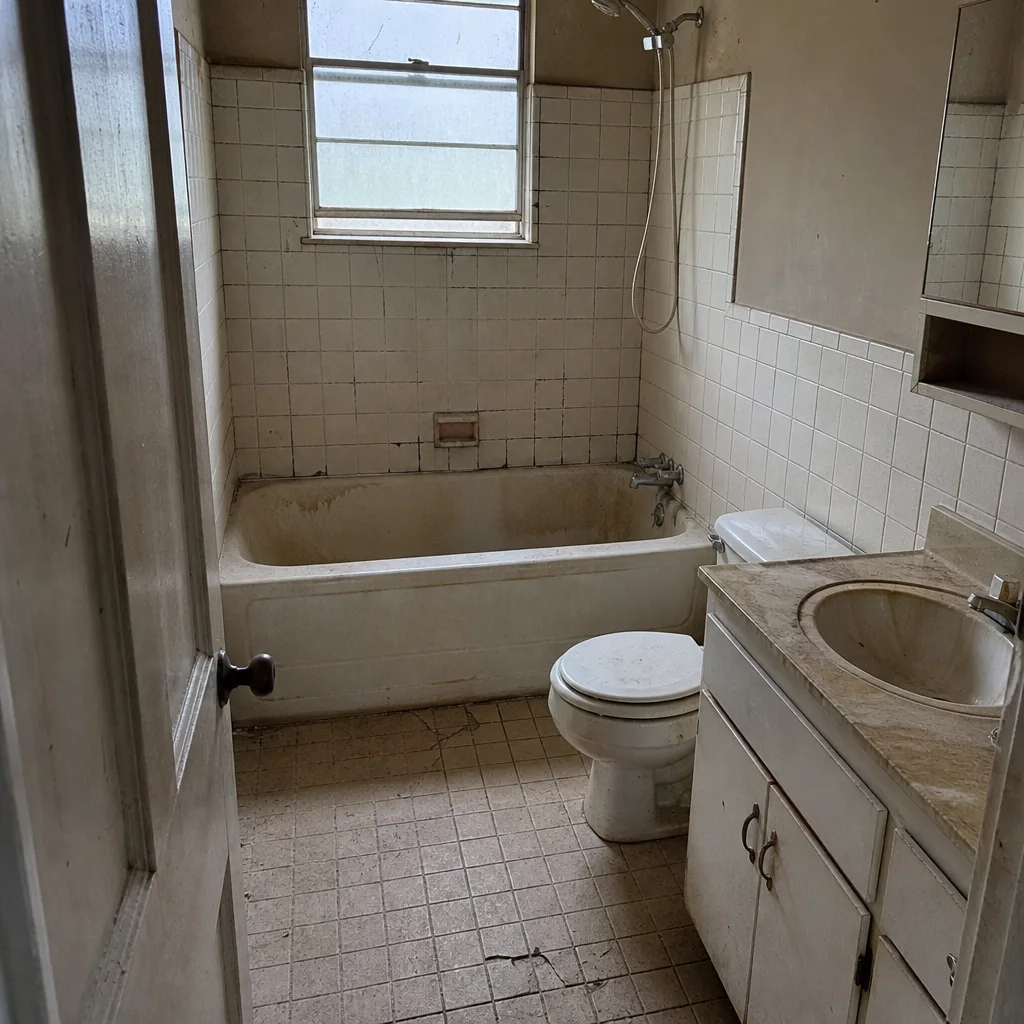 Before
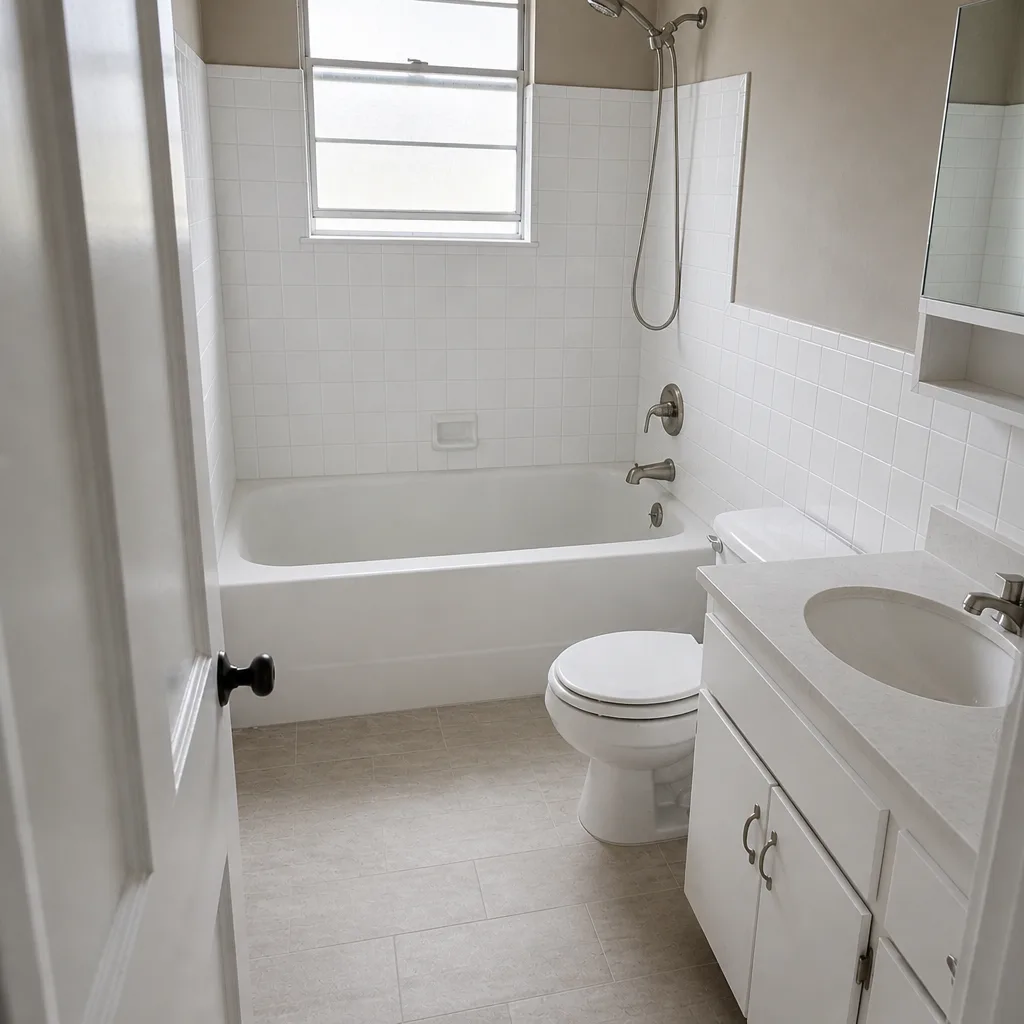 After
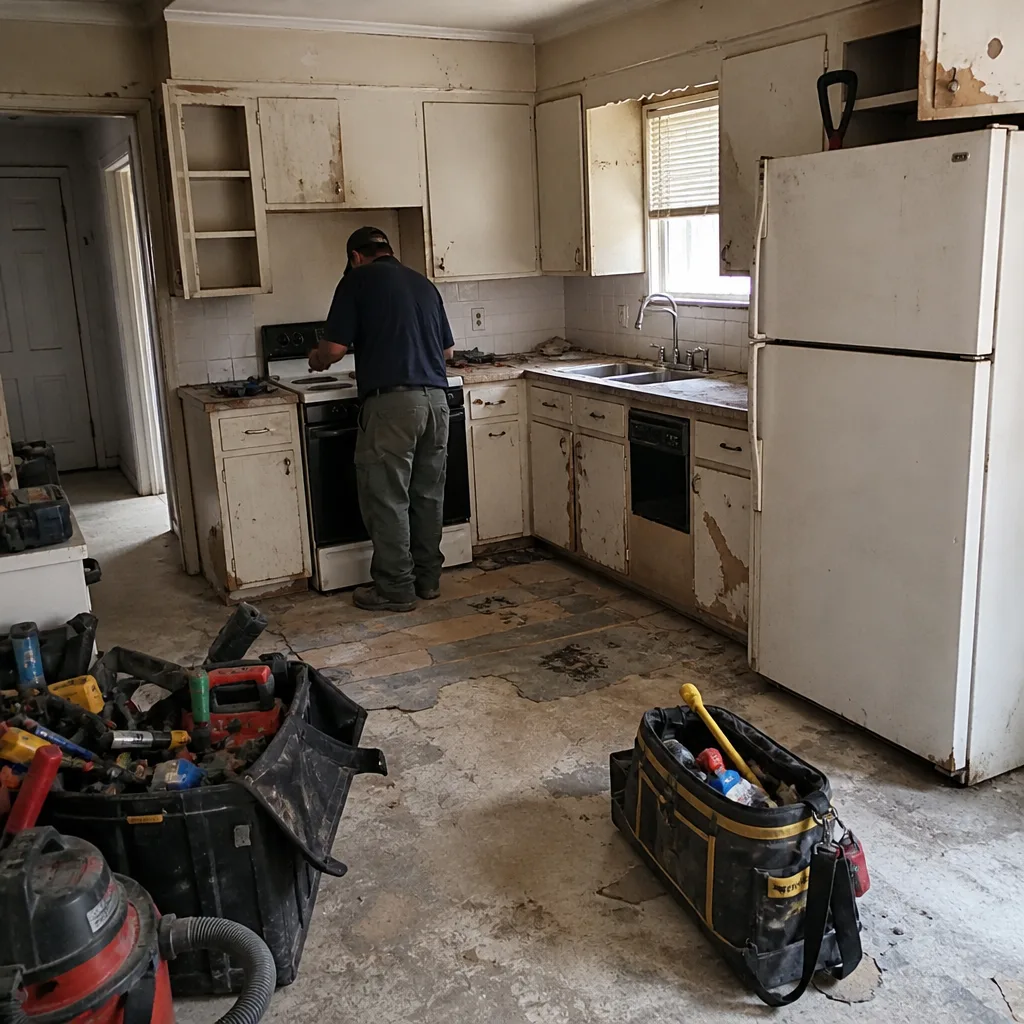 Before
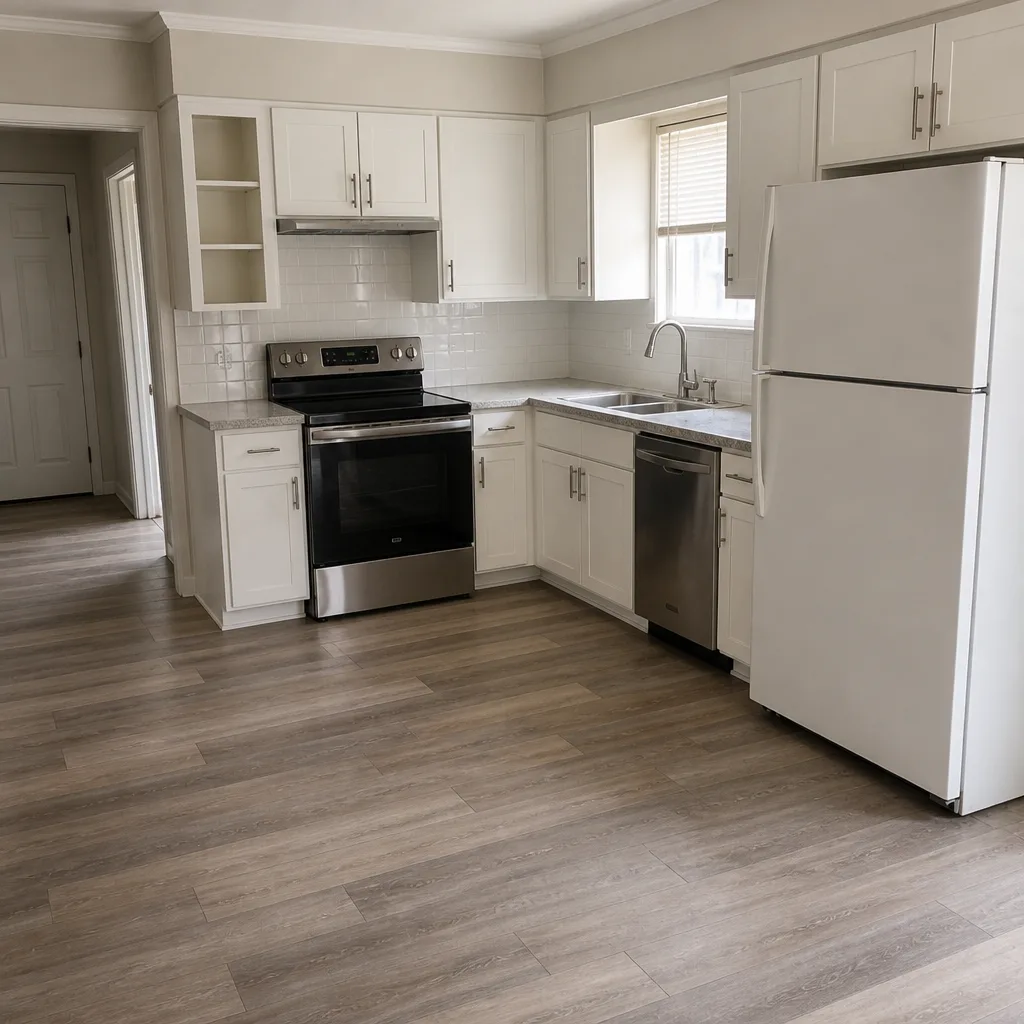 After
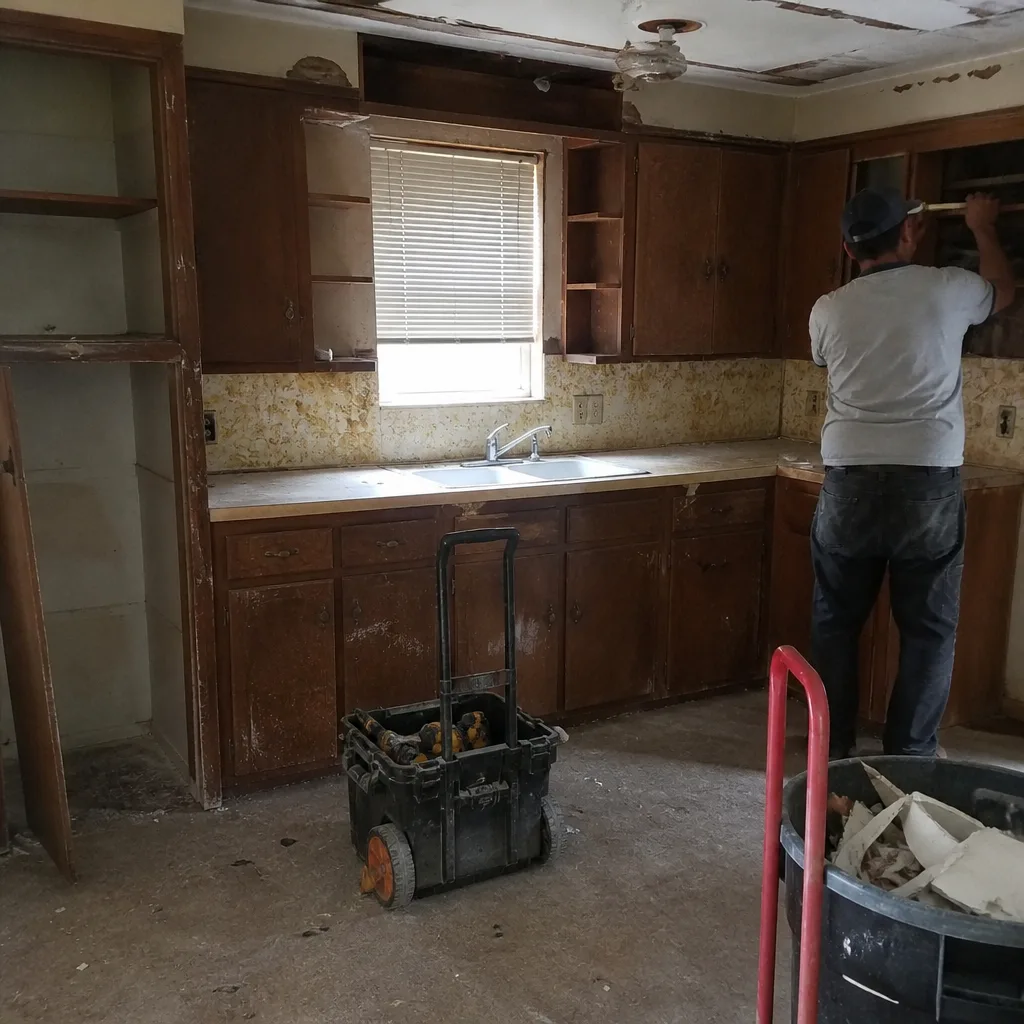 Before
 After
How to Choose a General Contractor in Fort Worth, TX
Choosing a general contractor in Fort Worth comes down to one test most checklists skip: can the contractor work in both of the city’s permit worlds? Fort Worth runs a standard residential permit process through Development Services for new subdivisions in Alliance and Walsh Ranch, and a separate design-review process through the Historic and Cultural Landmarks Commission for older homes in Fairmount and Northside. A contractor fluent in only one of those tracks will cost you months and change orders before anyone notices the mismatch.
The usual shortlist still matters. Licensed, insured, references, a written contract. But in Fort Worth those are the entry ticket, not the decision. What separates a contractor you’ll be glad you hired from one you’ll be fighting in month four is whether they can name, in plain language, the last three projects they permitted through the landmarks commission and the exact foundation spec they use on the clay soils west and south of downtown. Ask for both and you’ll learn more in ten minutes than a week of reference calls. If you’d rather short-circuit the process, call Rowan Construction Group Fort Worth at (833) 570-6084 and we’ll walk you through what we’d check.
Two Permit Worlds, Two Different Skill Sets
Fort Worth’s growth splits the city into two construction realities, and the split runs deeper than geography. Far North Fort Worth, Alliance, and the westward push toward Walsh Ranch are greenfield work. New plats, current energy code, coordination with builders who’ve done it a hundred times. The permitting is procedural. Get the drawings right, pay the fees, schedule inspections, keep the schedule moving.
Fairmount and the Near Southside are the opposite. Those are century-old Craftsman and Prairie bungalows, many pier-and-beam, sitting inside historic-district overlays. A front-facing change, an addition that shows from the street, even some window replacements can trigger review by the Historic and Cultural Landmarks Commission, which issues a Certificate of Appropriateness before the building permit is ever pulled. That’s a design review with its own standards, its own meeting calendar, and its own reviewers. A contractor who’s never navigated it will tell you the project is “basically permitted” right up until the commission asks for revised elevations.
So the first question you should ask any candidate is simple, and the answer is checkable:
- “Can you name the last three projects you permitted through HCLC?” A contractor who works the historic districts can answer in a sentence, with addresses or project types. A contractor who can’t is telling you they work the other track, which is fine if your house is in Walsh Ranch and a problem if it’s in Fairmount.
- “Which parts of my project need a Certificate of Appropriateness?” The right answer describes scope: front elevations, visible additions, sometimes material changes. A vague answer means they’re guessing.
Neither track is better. They’re just different, and hiring a greenfield contractor for a Fairmount bungalow (or a historic-district specialist for a new build) is the mismatch that ruins timelines. For a closer look at what we handle across both worlds, see our home page.
The Change-Order Discipline Test
Here’s where a lot of Fort Worth homeowners get burned, and it has nothing to do with permits. Ask every candidate how they handle scope changes mid-project. A good contractor doesn’t say “we document everything.” They describe a procedure: a written change order, a price, a signature, and no work starting until that signature is on the page. If they can’t describe that sequence, they’re describing intent, not a system.
This matters more in Fort Worth than most people expect because of the soil. A contractor opens a wall on an older Near Southside home and finds framing that’s moved with the clay for ninety years. Suddenly there’s real work nobody quoted. How that moment gets handled separates a project that finishes within a few percent of the agreed number from one that drifts 30% over. Under Clause 1 of the Haven Standard, Rowan delivers a written flat price and a written scope before any work begins, and no change proceeds until the change order is signed. That discipline is the whole reason we’re the contractor we are. You can hold any contractor to the same standard: ask to see a sample signed change order before you sign anything.
Ask About Clay Soils and Foundation Spec
Fort Worth sits on the eastern edge of the Cross Timbers, on expansive clay that swells when it’s wet and shrinks when it’s dry. The drought-and-storm cycle here moves foundations, and it’s why post-tension slab foundations and serious soil prep are standard on the west and south sides of the city. A plain slab poured on that clay will crack as it heaves. This is not a regional trivia fact. It’s a direct question you should ask about any addition, ADU, or slab project.
“What foundation spec do you use for a new addition on Fort Worth’s west-side clay?” A contractor who’s actually built there will mention post-tension engineering, soil testing, or specific prep. A contractor who doesn’t mention any of that either hasn’t worked that ground or is leaving it out of the quote to keep the number low. Both are reasons to keep looking. Here’s a rough sense of what the major project types run in Fort Worth so you can sanity-check any quote you receive:
| Project | Typical Fort Worth range |
|---|---|
| Kitchen remodel | $14,000-$45,000 |
| Bathroom remodel | $9,000-$28,000 |
| Roof replacement | $8,000-$20,000 |
| Window replacement | $4,500-$15,000 |
| Home addition | $45,000-$130,000 |
| ADU construction | $90,000-$220,000 |
| Paver driveway | $7,000-$18,000 |
Every one of those numbers is a range, and a range is not a price. The point of requiring a written flat price, not a range, is that the range hides the decisions. When we quote a window replacement, we name the manufacturer and the product rather than dropping an allowance. Therma-Tru and Mr-Glass are named in the quote, so you can compare the actual product to the actual product when you weigh two bids. An allowance for “windows” tells you nothing and lets the final number move. Our home page shows what a named-material quote looks like across all seven trades we run: kitchen and bath remodeling, roofing, windows and doors, fencing, driveways and pavers, and home additions including ADUs.
What the Documentation Standard Should Be
The best way to judge a contractor before hiring is to look at what they hand you at the end of a job. The contractors worth hiring treat documentation as a deliverable, not a favor. When you’re comparing bids in Fort Worth, require these four things in writing:
- A written upfront price, not a range. A flat number with a written scope and a written warranty. “Call for a quote” isn’t a price, it’s a deferred decision.
- Named material brands, not allowances. KraftMaid or Wellborn cabinets, Cambria or Caesarstone countertops, GAF or Owens Corning roofing. Named products make two bids comparable.
- Background-checked tradespeople. Ask how they’re vetted before they arrive at your door.
- A photo record of every visit. Included as standard. You should be able to see what was found and what was done, not just take someone’s word for it.
Rowan includes all four as standard across every trade, because the Haven Standard mandates them and the 365-Day Done Right Promise backs them. If something isn’t done right, we come back and make it right, backed by a written terms page rather than a handshake. Ask any contractor you’re considering for the same terms page and see whether it exists.
Five Questions to Ask Any Fort Worth GC
If you take nothing else from this page, take the questions. Print them, and score each candidate on the answer.
- Can you show me your HCLC permit history? A credible answer names specific historic-district projects. A blank look means they work the suburban track only.
- What is your change-order process, in writing? Look for a signed change order before any out-of-scope work, every time.
- What foundation spec do you use on Fort Worth’s clay soils? The right answer mentions post-tension engineering or soil prep, not a generic “we build to code.”
- Can I see a sample written quote with named brands? A real quote names the cabinet line, the shingle brand, the window manufacturer. An allowance is a placeholder.
- What is your warranty process, and who backs it? A written warranty with a named entity behind it, not “we stand behind our work.”
The goal is a set of written answers you can hold someone to. Our technicians have up to 19 years of experience, and a free second opinion on any written estimate you’ve already received is a standing offer. Bring a competitor’s quote and we’ll review it line by line at no charge, so you can see where the allowances hide.
FAQs
Choose a Fort Worth general contractor by testing dual competency across the city’s two permit tracks and by requiring a written flat price with named brands. Score each candidate on their HCLC historic-district permit history, their written change-order process, their foundation spec on clay soils, a sample quote with named products, and a written warranty. Call (833) 570-6084 for a free second opinion on any written estimate.
Yes, in most cases. Homes in Fairmount and Northside fall inside historic-district overlays that require a Certificate of Appropriateness from the Historic and Cultural Landmarks Commission before the building permit issues, especially for front-facing changes and additions. Ask any contractor to describe how their last three HCLC projects went; a real answer is specific.
A home addition in Fort Worth typically runs $45,000-$130,000, and an ADU runs $90,000-$220,000, depending on size, foundation work, and finish level. On west and south Fort Worth’s expansive clay, post-tension slab engineering and soil prep push the number up. Require a written flat price, not a range; call (833) 570-6084 to get one.
A quote should include a written flat price, a written scope, named material brands (not allowances), and a written warranty. If your quote says “windows – allowance” instead of naming the product, you don’t have a price yet. Bring the quote to us and we’ll review it line by line at no charge.
If you’d rather have it looked at, Rowan Construction Group Fort Worth offers a no-pressure assessment in Fort Worth. Call (833) 570-6084 for a free estimate, and we’ll put the number in writing before anyone picks up a tool.
Written by the team at Rowan Construction Group Fort Worth, serving Fort Worth, TX.