
Free written scope consultation - allowances, timeline, and change-order rules on paper before a single trade is scheduled
Styles & brands we work with
- Kitchen remodeling
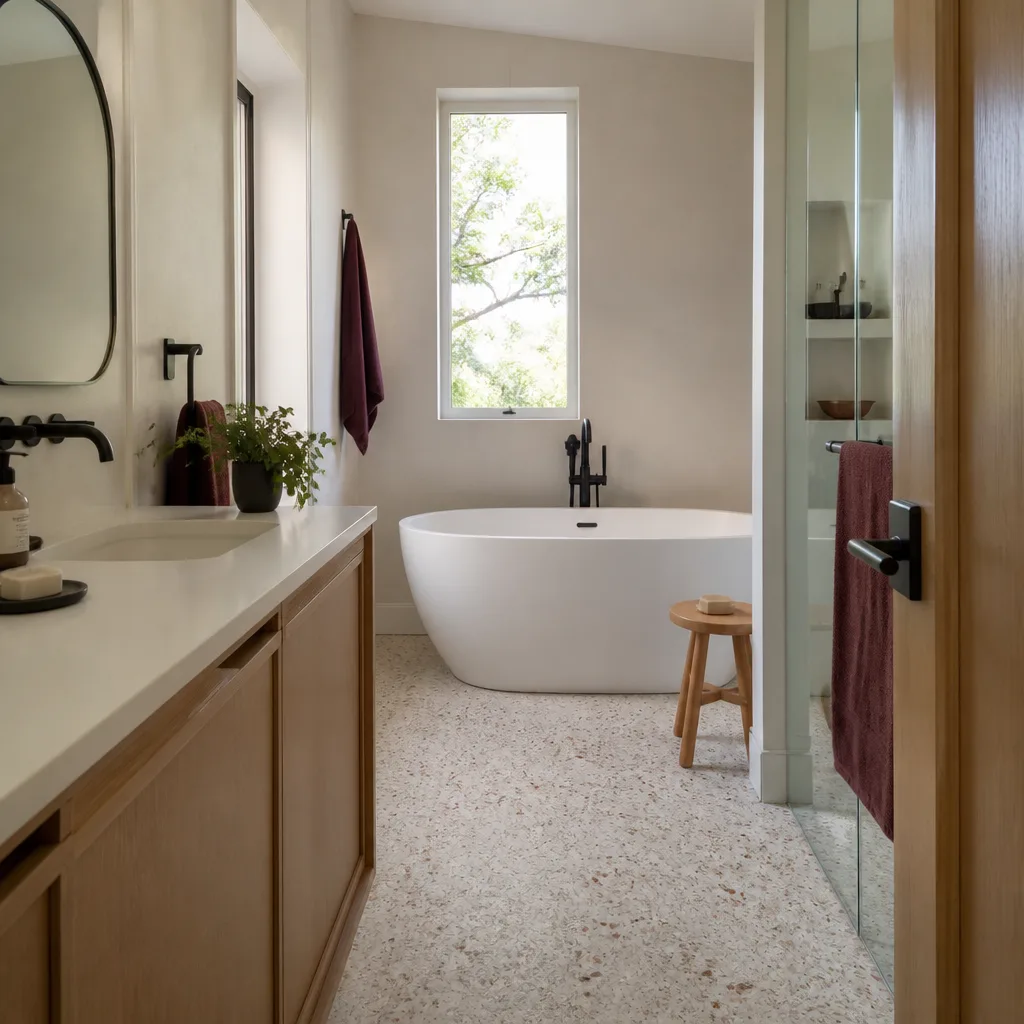
- Bathroom remodeling
- Home additions & ADU
- Roofing
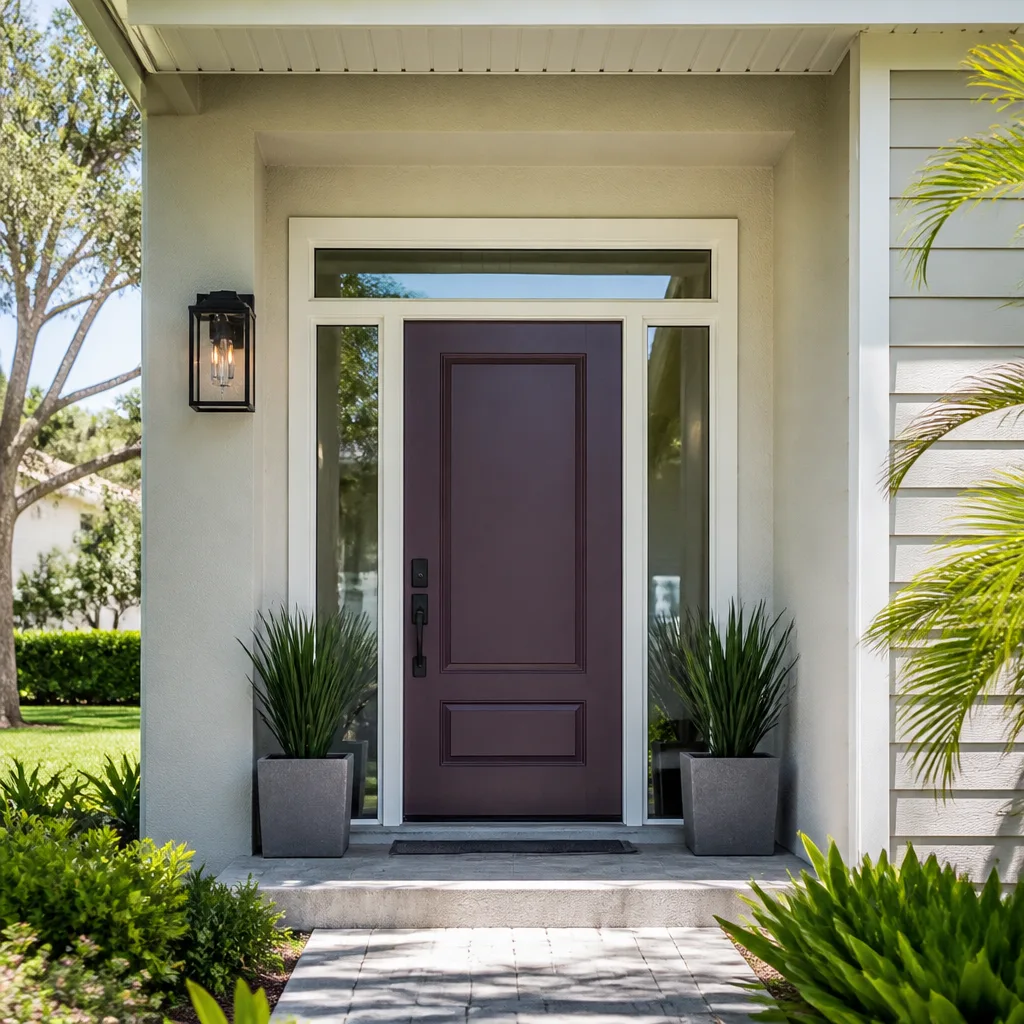
- Windows & doors
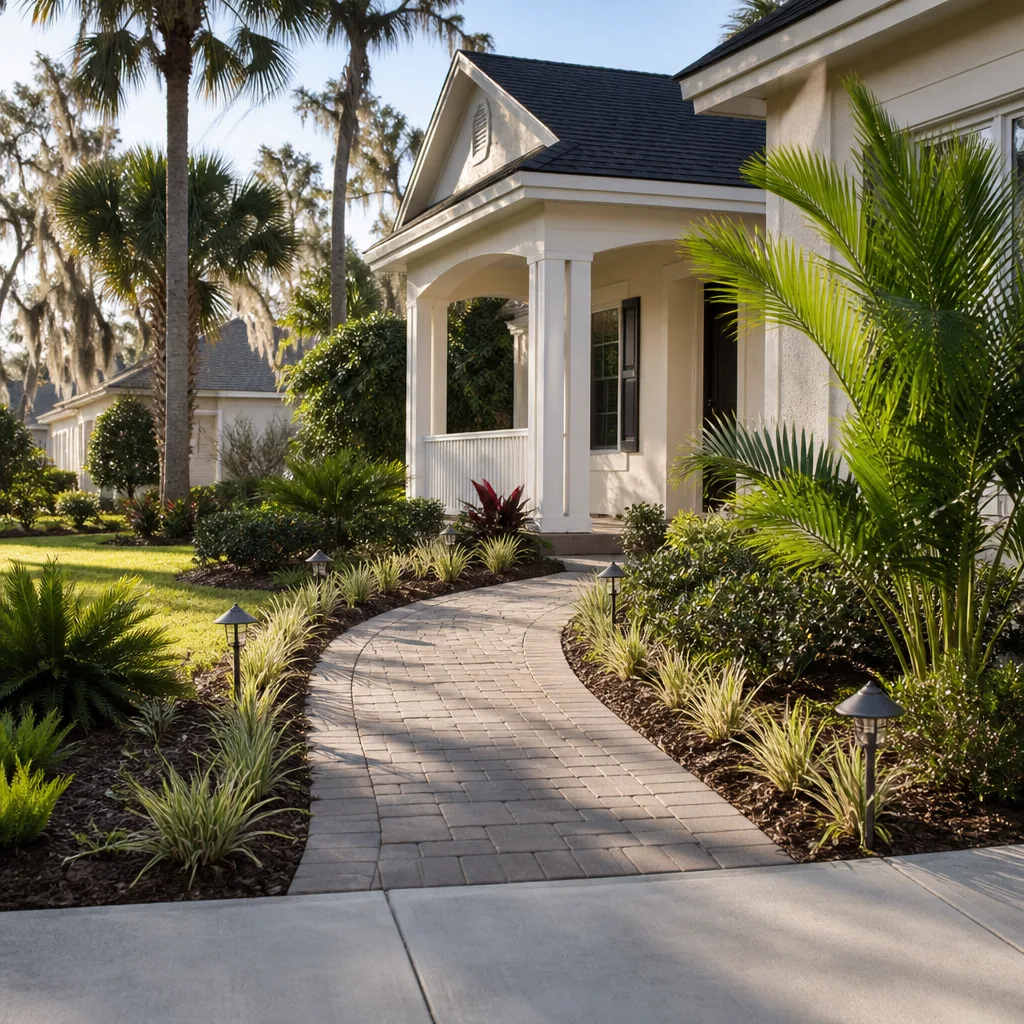
- Driveway & pavers
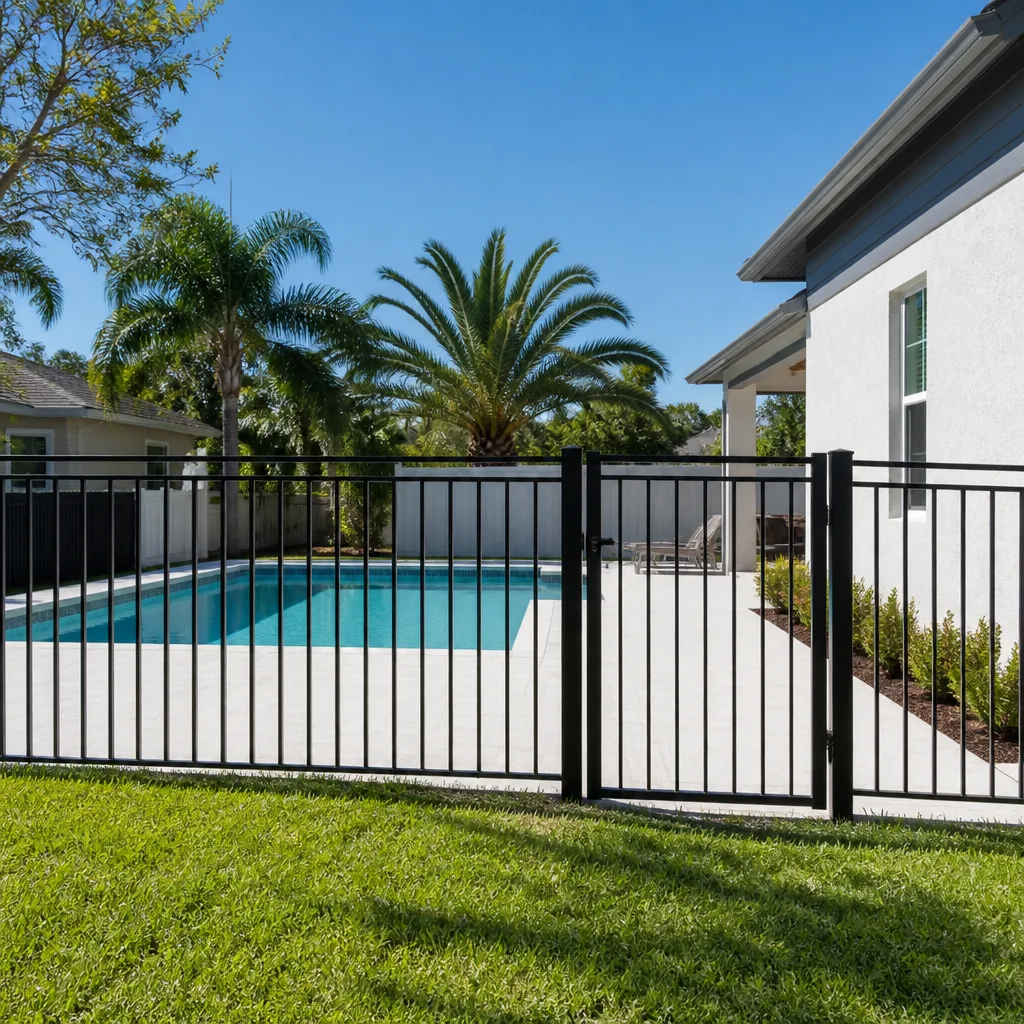
- Fence
See the difference
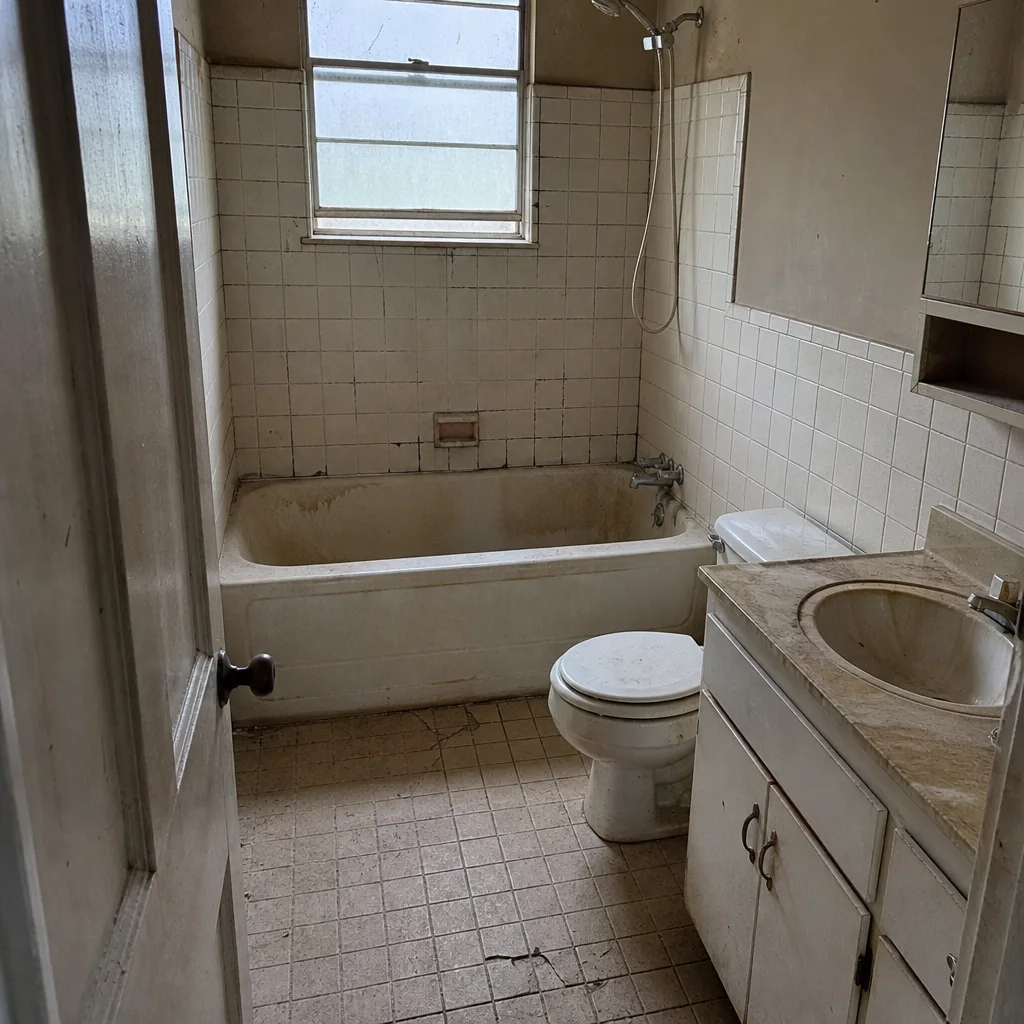 Before
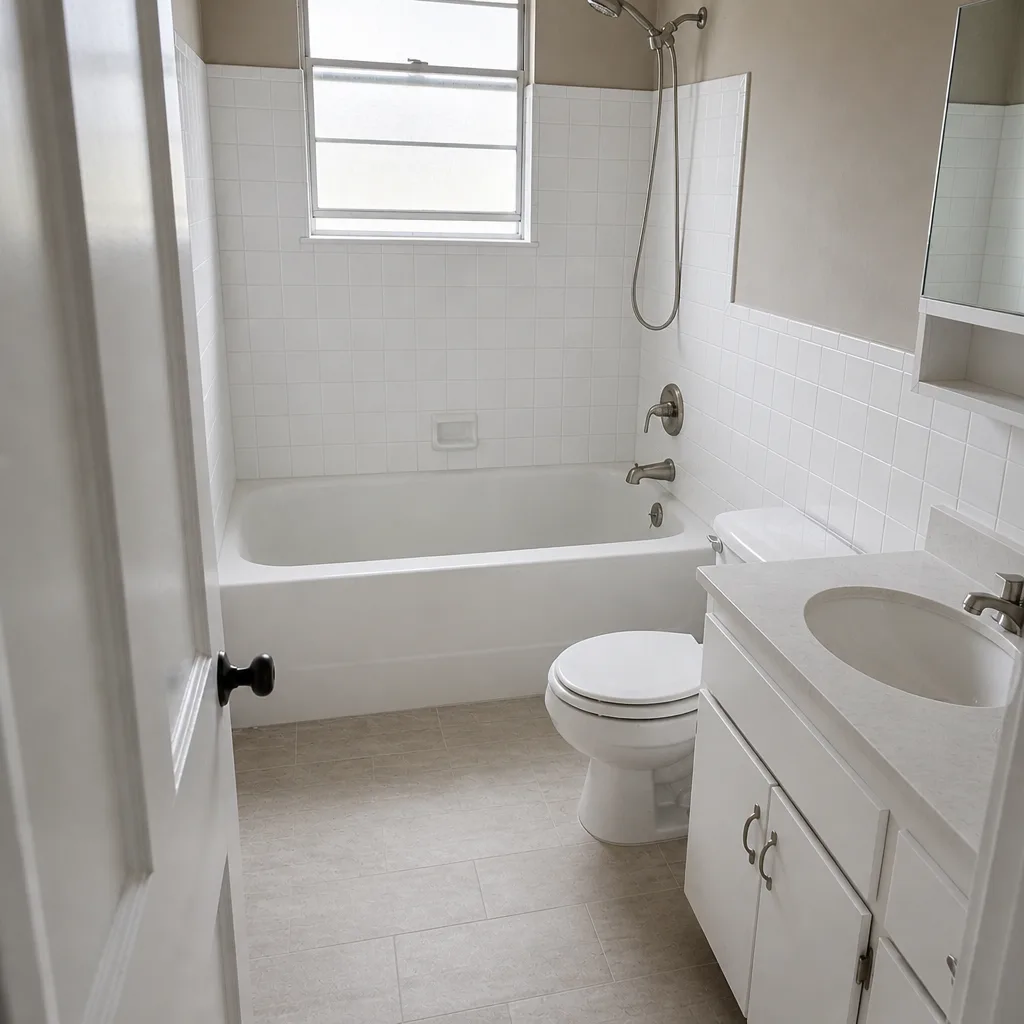 After
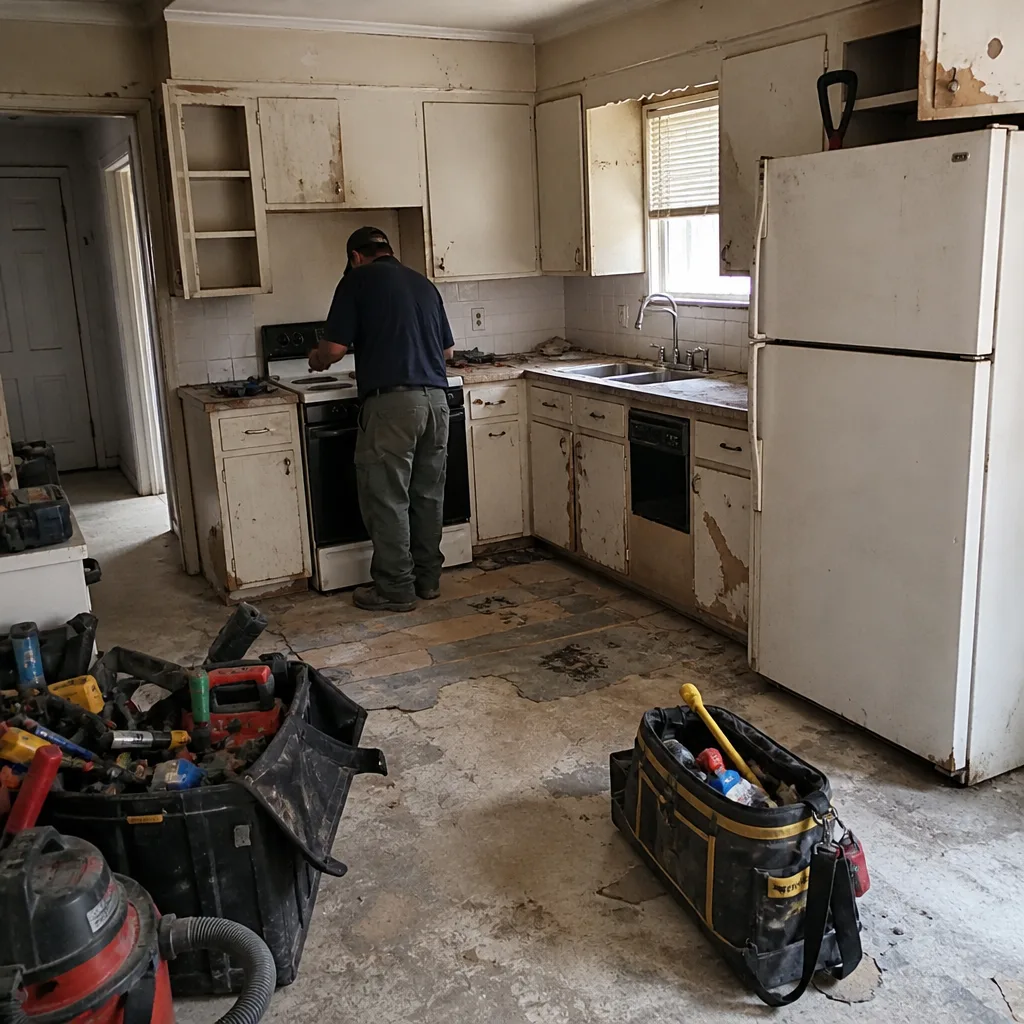 Before
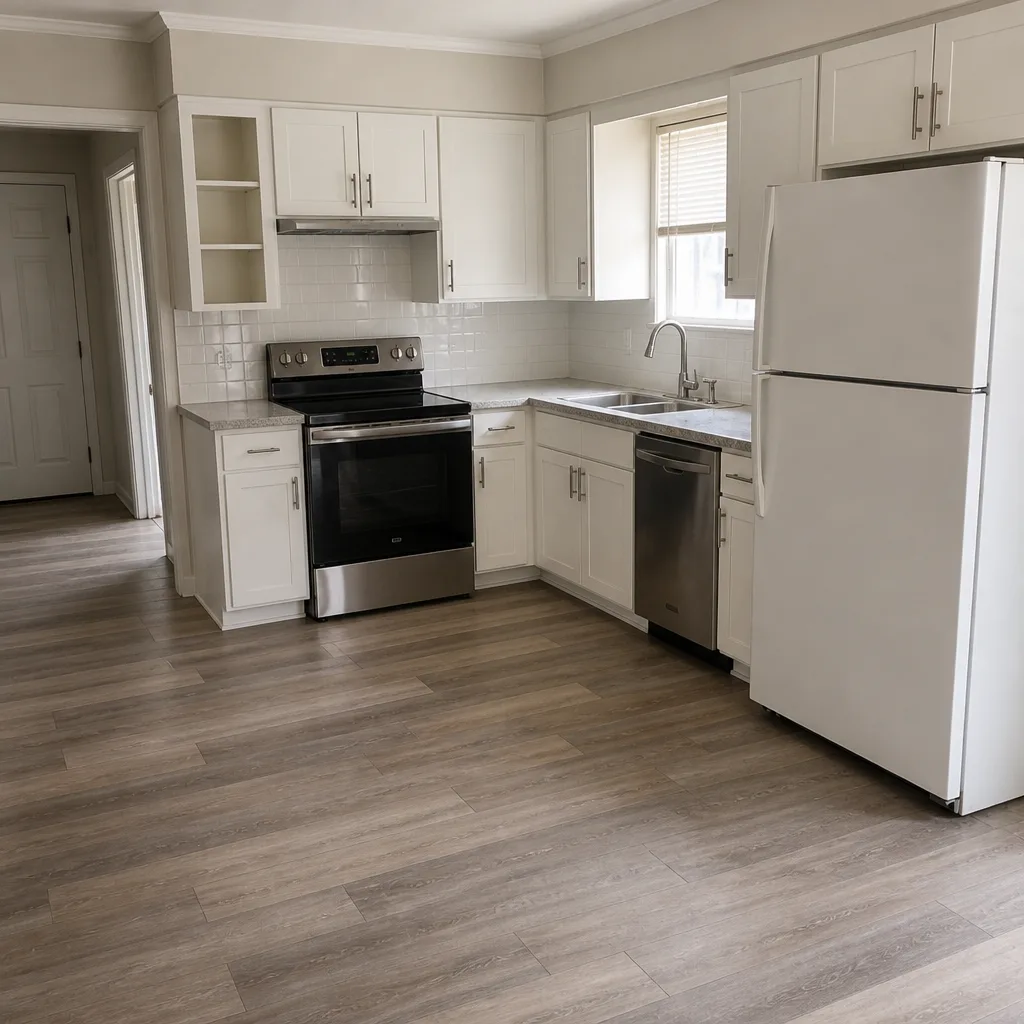 After
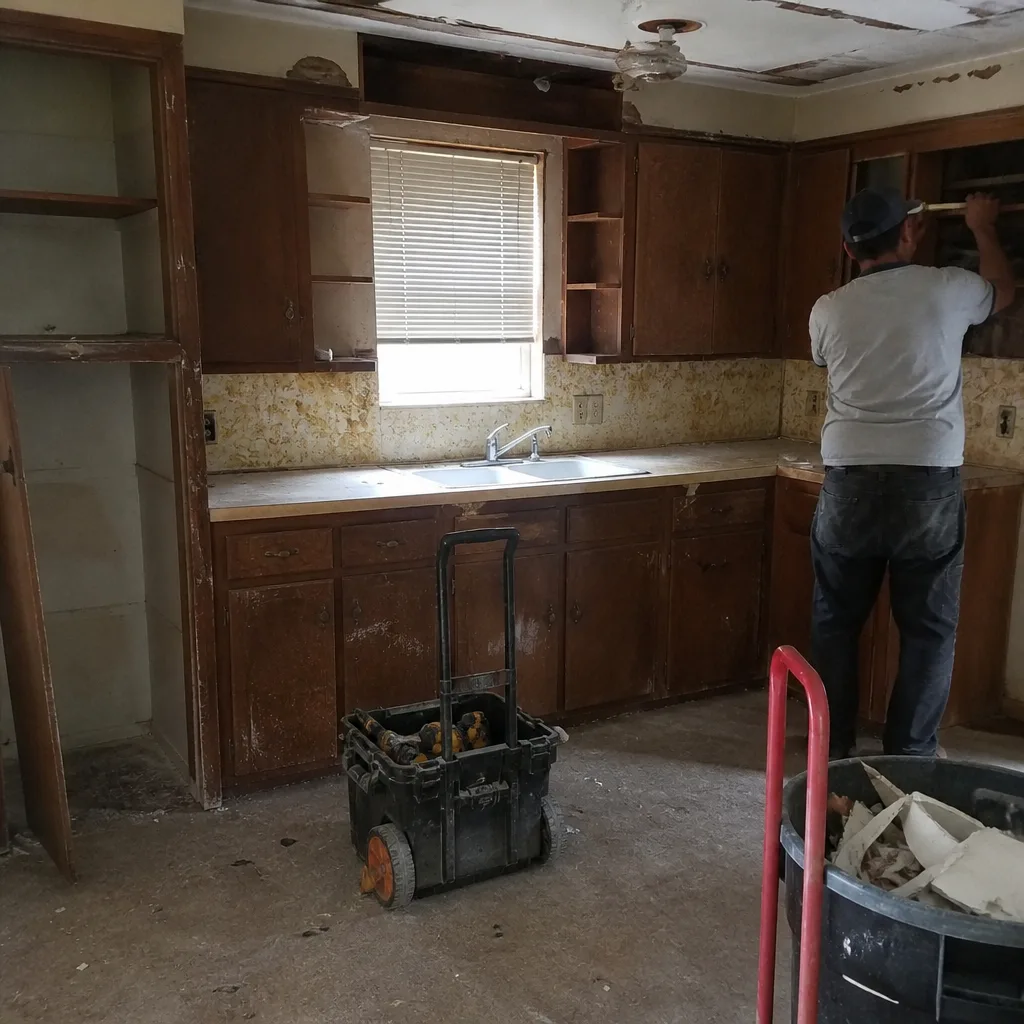 Before
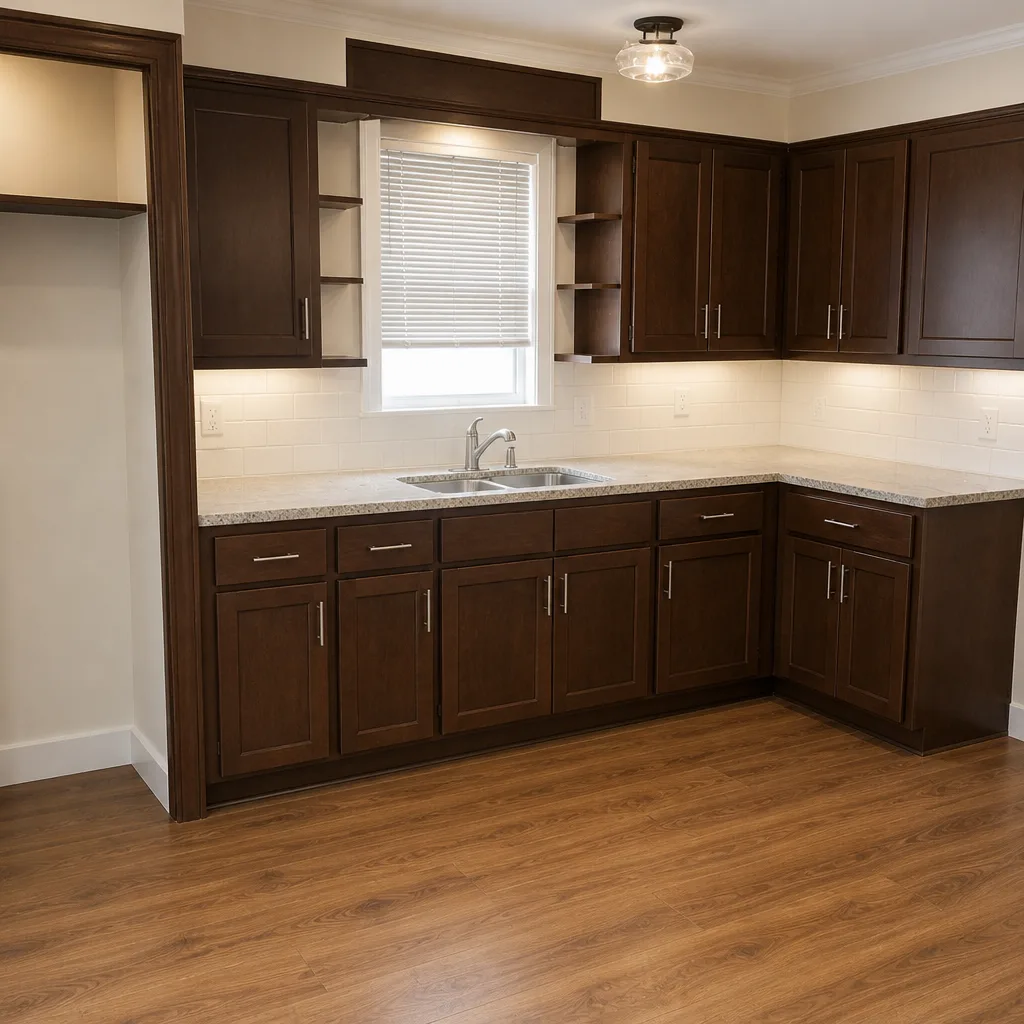 After
What Does a General Contractor Do in Fort Worth, TX?
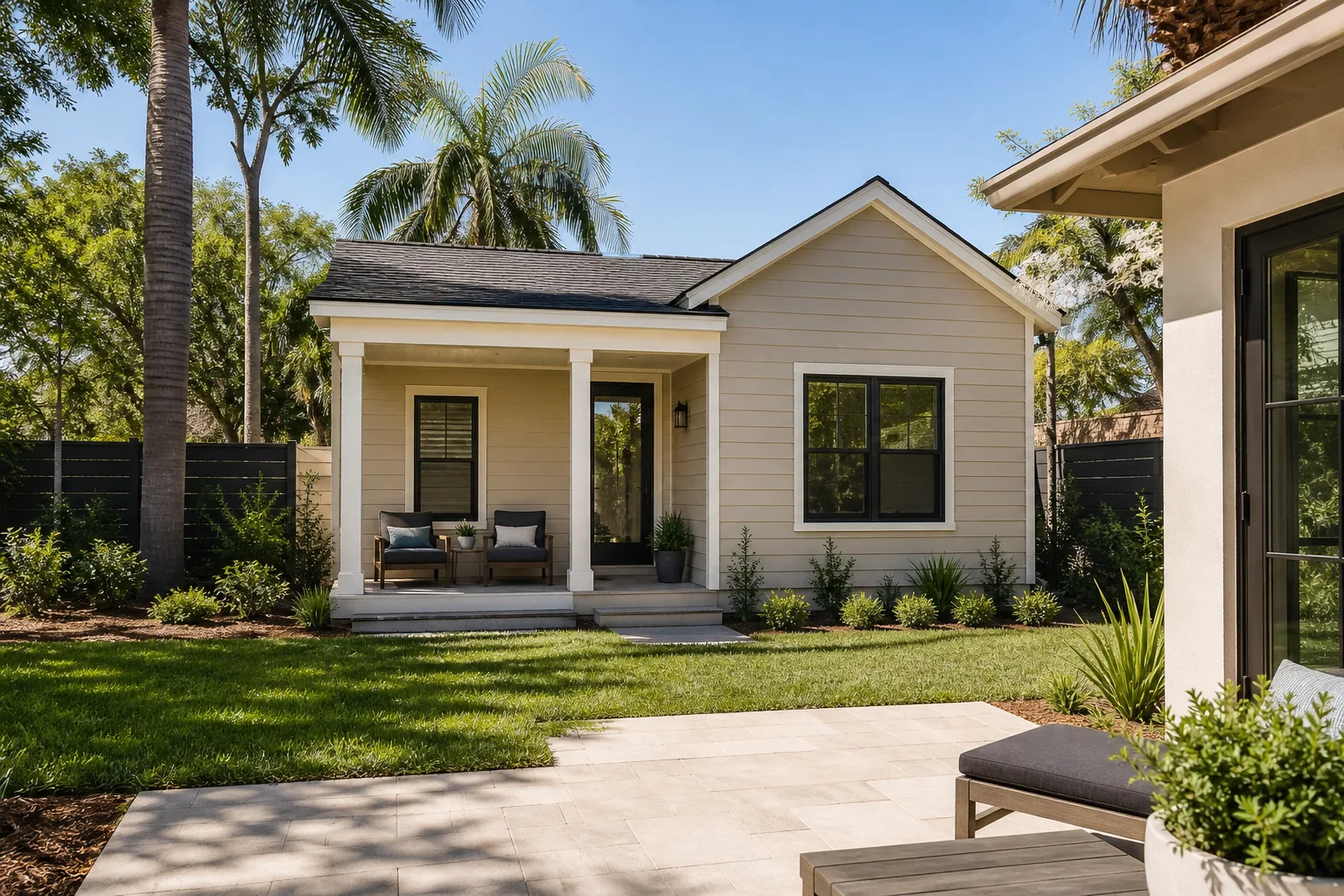
A general contractor runs the entire build: writing the scope, hiring and supervising subcontractors, pulling permits and scheduling inspections, buying materials, and tracking the budget so the finished project matches the signed number. In Fort Worth, that job also means two things a national “what does a GC do” article won’t tell you: routing exterior changes through the Historic and Cultural Landmarks Commission review process, and specifying foundations for expansive clay soils that will crack a plain slab within a few seasons if the engineering gets skipped. Rowan Construction Group Fort Worth handles both as part of the written scope, with the price in writing before any crew arrives.
The Five Core Functions, Defined Without the Jargon
Strip away the title and a GC does five jobs. Each one looks different in Fort Worth than it does in a market with less growth and cleaner soil.
- Scope writing. The GC writes down exactly what gets built, in what material, and to what spec. This is the document the price hangs on. A vague scope is where overruns start.
- Subcontractor hiring and oversight. Plumbing, electrical, framing, drywall, and finish trades are separate licenses and separate crews. The GC vets them, sequences them, and answers for their work.
- Permit application and inspection scheduling. The GC files the permit, coordinates the city reviewer, and books inspections in the order the code requires. Fort Worth runs these through its development services process, and the sequence matters.
- Materials procurement. The GC buys to spec, tracks lead times, and holds substitutions to what the customer approved.
- Budget management. The GC tracks spend against the written price and manages any change in writing. No change proceeds without a signed change order.
Why Fort Worth Permitting Splits in Two
This is the piece most GC descriptions skip. Fort Worth runs two permitting tracks, and knowing which one your project lands on determines whether your schedule holds.
A kitchen or bath remodel inside an existing home generally moves through standard residential review. An exterior change on a designated landmark or contributing structure in Fairmount, Northside, or the Stockyards area triggers a different process: the Historic and Cultural Landmarks Commission. That review requires a Certificate of Appropriateness application, and it can add four to eight weeks to the permit timeline before a shovel touches the ground. A front-facing addition, a new porch, a window change visible from the street: all of it runs through HCLC.
The GC’s job here is to know that window exists and build it into the schedule before the customer signs, not discover it three weeks into demolition. A contractor without local permit history finds out about HCLC review the same day the customer does. Under Clause 1 of The Haven Standard, the written price and the written scope land before work starts. On a Fairmount bungalow, that scope includes the review window.
The city’s construction market makes this split sharper. Fort Worth is one of the fastest-growing big cities in the US, with greenfield development pushing out toward the Alliance corridor and Walsh Ranch, while the Near Southside and Northside hold early-1900s bungalows and pier-and-beam four-squares inside historic overlays. A Fort Worth GC has to be fluent in both worlds.
Foundations on Expansive Clay: The Decision Before the Permit
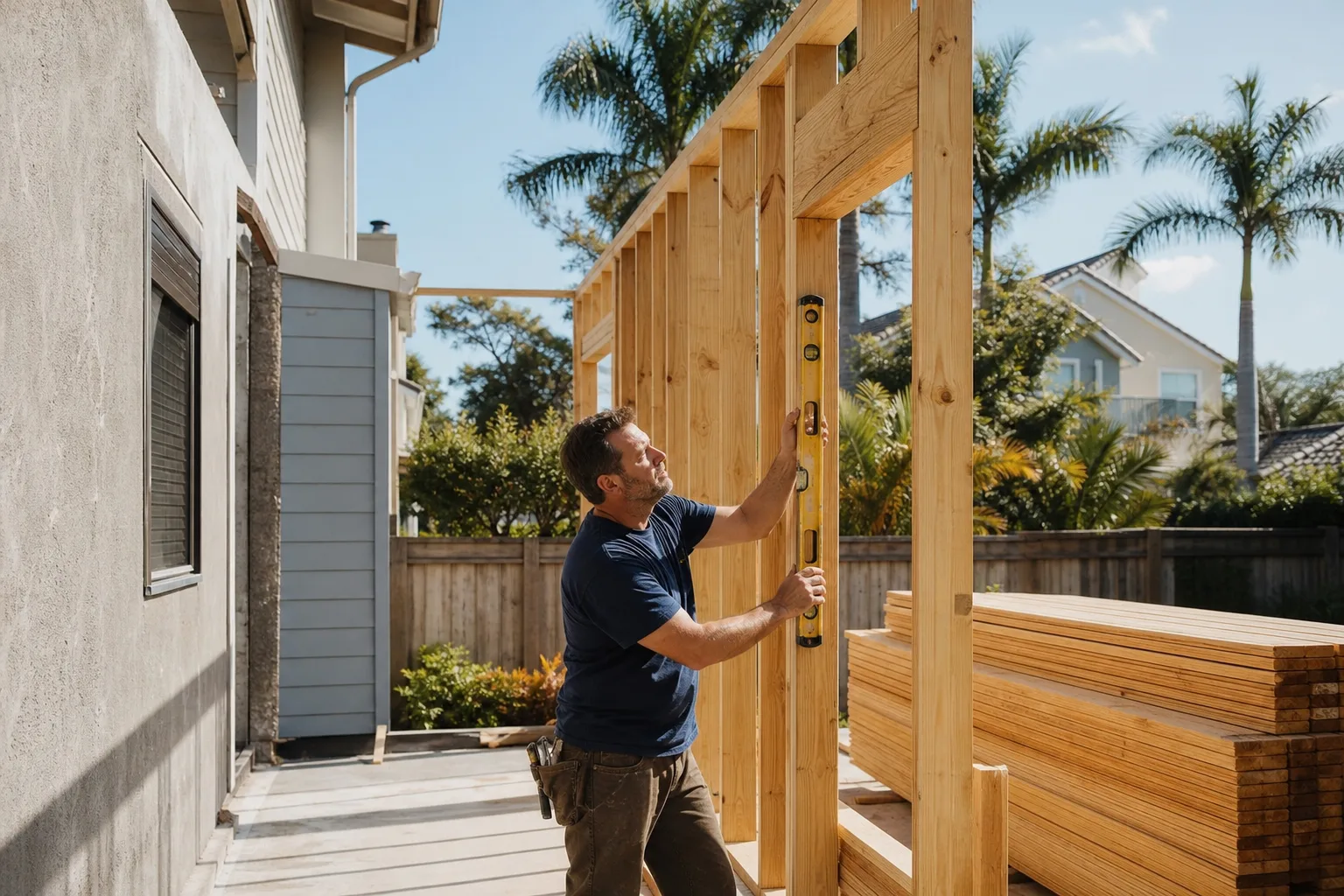
West and south of town, the blackland clay swells when it’s wet and shrinks when it’s dry. That wet-dry cycle moves foundations, and a plain slab poured without soil engineering will crack. The fix happens before anyone applies for a permit.
The GC coordinates with a geotechnical engineer to specify the right slab type (post-tension versus conventional) and the soil-prep depth that matches the site. Post-tension slabs, where cables run through the concrete under tension, are standard on these soils because they resist the heave that cracks a plain slab. Skipping that step leaves the homeowner with a crack in a few seasons and nobody to call.
Fort Worth’s weather adds pressure to the schedule. Concrete pours get pushed when summer heat climbs past 100°F, and the hard freeze that followed Uri reshaped insulation specs across the region. A GC who has worked these cycles knows to sequence exterior work around them instead of fighting them.
What Rowan’s GC Process Adds
Generic descriptions stop at the five functions. Here’s what a Rowan scope includes that those descriptions leave out:
- A written price before any work starts, with named material brands. That means Kohler and Moen fixtures named in the quote, not “builder-grade faucet” as a line item.
- No work on any change without a signed change order. This is the administrative discipline that has kept our projects within a few percent of the agreed price.
- A documented photo record on every visit, included as standard, not an upgrade. The customer ends up with evidence of what the crew found and what they did.
- A live person answering calls 24/7. No voicemail tree on a Saturday.
- Background-checked, uniformed technicians. Every crew member is verified before they arrive.
Our technicians have up to 19 years of experience. That experience shows up in the scope more than the sales pitch: it’s the reason a GC can tell you the tile membrane spec before the first tile is set, and why the quote on a Fairmount bungalow knows to ask about the HCLC overlay.
What a Fort Worth GC Project Costs
Prices below are the written ranges we quote for the trades a GC coordinates. These are Fort Worth market numbers, not national averages.
| Project | Written Price Range |
|---|---|
| Kitchen Remodel | $14,000-$45,000 |
| Bathroom Remodel | $9,000-$28,000 |
| Home Addition | $45,000-$130,000 |
| ADU Construction | $90,000-$220,000 |
| Roof Replacement | $8,000-$20,000 |
| Paver Driveway Installation | $7,000-$18,000 |
Every one of those ranges comes with a written scope and a written warranty. “Call for a quote” isn’t an option here, because the number is the point. If you already have a competitor’s written estimate in hand, Rowan will review it line by line at no charge as a Free Second Opinion on any written estimate. That’s often where customers find the line item nobody documented, whether that’s the soil engineering or the HCLC review window.
Subcontractor Vetting in a Boom Market
The Alliance corridor and Walsh Ranch are pulling the same crews every other fast-growth project in North Texas is pulling. When subcontractor demand outruns supply, a GC without deep trade relationships is bidding on the same framing crew as everyone else and quoting a timeline nobody can deliver. Rowan’s vetted subcontractor network and relationships across fifty-plus material brands (including Kohler and Moen among fixtures, and GAF and Owens Corning on roofing) are a supply-chain asset. It’s the reason the timeline in the written quote is real rather than aspirational, and the reason a materials substitution gets flagged in writing instead of appearing on demo day.
That’s the whole difference between the general conclusion in a generic article and the specific work on a Fort Worth project. The five functions are the same everywhere. The permit track, the clay, and the crew supply are not.
FAQs
A general contractor spends the day coordinating: confirming the framing crew is on site before the electrician shows up, checking a permit status with the city, verifying a material delivery against the approved spec, and updating the budget. On a Fort Worth project in a historic overlay, that day also includes tracking an HCLC Certificate of Appropriateness application through design review. Call (833) 570-6084 for an exact scope and quote on your project, free.
For most kitchen remodels, yes, because a kitchen moves plumbing, electrical, and cabinets through separate licensed trades, and a GC coordinates the sequence and holds the permit. Kitchen remodels in Fort Worth run $14,000-$45,000, and the GC’s role is keeping the plumbing, electrical, and finish schedules in the right order. For a pricing check on your kitchen, call (833) 570-6084; estimates are free.
If your property sits in a historic district such as Fairmount, Northside, or the Stockyards area and you plan any exterior change visible from the street, it likely needs a Certificate of Appropriateness from the Historic and Cultural Landmarks Commission. That review can add four to eight weeks. The fastest way to confirm is to pull your property’s historic designation status before you schedule anything. Call us at (833) 570-6084 and we’ll walk the designation with you.
Ask for the license and insurance certificate in writing before you sign anything, then verify the license through the Texas licensing authority directly. A GC who won’t put those documents in writing is one you should walk away from. Rowan is licensed and insured and puts the credential in the written scope. Call (833) 570-6084 to request that documentation for any project.
If you’d rather have your project looked at by a GC who knows the Fort Worth permit track and the clay under the slab, Rowan Construction Group Fort Worth offers a no-pressure assessment. The written price comes before any work, every time. Call (833) 570-6084 for a free estimate.
Written by the team at Rowan Construction Group Fort Worth, serving Fort Worth, TX.