
Last updated November 18, 2026







Free written scope consultation - allowances, timeline, and change-order rules on paper before a single trade is scheduled
How to Hire a Construction Contractor in Fort Worth: A Step-by-Step Guide
Texas does not license general contractors at the state level. That means anyone in Fort Worth can print “general contractor” on a business card, buy a magnetic sign for the truck, and legally offer to remodel your kitchen – without passing a single exam, holding a bond, or proving a day of trade experience. This guide treats hiring as a document audit rather than a gut check. You’ll learn which Texas trades are actually licensed and which “certifications” are voluntary, how to read a certificate of insurance line by line, the five change-order clauses that decide whether a fixed price stays fixed, and where Texas’s constitutional mechanic’s lien law fits in. By the end, you’ll know exactly which paper to demand in Fort Worth before you sign.
Quick Answer
To hire a construction contractor in Fort Worth, verify trade-specific licenses (electrical, plumbing, and HVAC are state-regulated; general contracting is not), collect a current certificate of insurance showing general liability, completed operations, and workers’ comp coverage, demand a flat written price with a written scope and a written warranty, and insist that any change requires a signed change order before work proceeds. Most homeowner losses in Fort Worth come from missing paper – an unsigned change order, an expired insurance certificate, or a missing lien waiver – not from bad craftsmanship on day one.
Styles & brands we work with
- Kitchen remodeling
- Bathroom remodeling
- Home additions & ADU
- Roofing
- Windows & doors
- Driveway & pavers
- Fence
Table of Contents
- What Licenses Does a Fort Worth Contractor Actually Need?
- How to Read a Certificate of Insurance Line by Line
- What Makes a Fixed-Price Contract Actually Fixed?
- The Five Change-Order Clauses to Insist On
- Lien Waivers and Texas’s Constitutional Mechanic’s Lien
- How to Read a Bid for Red Flags
- A 7-Step Contractor Verification Checklist
- Questions That Reveal How a Contractor Works
What Licenses Does a Fort Worth Contractor Actually Need?
Only three residential trades are licensed by the State of Texas: electrical work, plumbing, and HVAC. Each is regulated by the Texas Department of Licensing and Regulation (TDLR), and each license number can be verified in the TDLR public search in about ninety seconds. If a contractor handles any of those three scopes and can’t produce a license number on request, that is a walk-away signal – the person is either unlicensed or subcontracting to someone they can’t or won’t name.
General construction – kitchen remodeling, bathroom remodeling, roofing, windows, fence, pavers, and home additions – is not licensed at the state level. That surprises most Fort Worth homeowners. It also means the “license” on the business card is often one of these:
- Voluntary certification. Programs run by trade associations or third-party training bodies. Real training, but not a government license, and not a substitute for insurance.
- A city permit or registration. Fort Worth Development Services requires permits for structural, electrical, plumbing, mechanical, and roofing work above certain thresholds – it does not issue a “contractor license.”
- A Texas Sales and Use Tax Permit. Sometimes displayed to look like a license. It’s a tax registration, nothing more.
So the license question isn’t one question – it’s three: which scopes require a state license, which handles your specific trade, and can they produce the number? For scopes that aren’t licensed, insurance and contract language carry the entire burden of protection. Under Clause 1 of the Haven Standard, our written price and written scope land in your inbox before anyone picks up a tool – because on unlicensed scopes, the paper is the credential.
For trade-specific written pricing on the scopes we handle most in Fort Worth, see our Rowan Construction Group Fort Worth home page.
How to Read a Certificate of Insurance Line by Line
A certificate of insurance (COI) is a one-page summary issued by the contractor’s insurer listing coverage types, limits, and dates. Three lines on that page matter for every Fort Worth project, and most homeowners check none of them.
General Liability (GL) covers third-party bodily injury and property damage during active work – a dropped shingle through a car windshield, a ladder through a neighbor’s fence. For Fort Worth residential work, a $1 million per-occurrence limit is the minimum worth accepting on any project above minor repairs.
Completed Operations coverage is the line most homeowners miss. GL covers the work while the crew is on site. Completed Operations covers the work after the crew has left – a roof flashing failure eighteen months later, a paver drainage issue that surfaces the following spring. Ask for it in writing. If the insurer won’t list it, ask why.
Workers’ Compensation matters on every project where someone other than the contractor steps foot on the property. Without workers’ comp, an injured crew member has one avenue for recovery in Texas: your homeowner’s policy. If the COI lists “exempt” under workers’ comp, that contractor is typically a sole proprietor – which means the person swinging a hammer on your roof has no coverage if they fall. That’s an underwriting problem, not a personal one, and it belongs in the conversation before you sign.
Three checks to perform on every COI:
- Confirm the coverage dates – a certificate is only valid through the expiration date printed on it. Ask for an updated one if your project timeline crosses that date.
- Match the named insured to the company signing the contract. If the COI is under “J. Smith DBA” and the contract is with “Smith Construction LLC,” the coverage may not apply.
- Ask for an additional insured endorsement if your project is substantial. This puts your homeowner’s policy on the contractor’s coverage as a secondary layer.
What Makes a Fixed-Price Contract Actually Fixed?
Most Fort Worth contracts say “fixed price” at the top. Few are fixed at the bottom. The difference between a flat number and a fixed number is administrative discipline – a written scope that names every brand, every allowance, and every line item, and a change-order process that puts a signature on every deviation before anyone swings a hammer.
A written price is only as fixed as the scope behind it. If the scope says “tile allowance: $4.50/sf” and the homeowner wants porcelain at $9/sf, that variance is a change order, and the contract should already state how markups on that change are handled. Our rule is straightforward: no work proceeds on a change until the change order is signed. That discipline is the reason our projects finish within a few percent of the number the customer agreed to, across 4,000-plus jobs.
What a truly fixed-price contract contains:
- Written scope of work. Room-by-room, component-by-component, with brand names attached: KraftMaid or Wellborn cabinets, Cambria or Caesarstone countertops, GAF or Owens Corning shingles, Kohler or Toto fixtures, Belgard or Techo-Bloc pavers. A brand name in the contract is a specification; “builder-grade cabinets” is a placeholder.
- All allowances broken out separately. Allowances are the pre-set dollar amounts a contractor reserves for materials you haven’t picked yet. Every allowance should have a number and a defined overage process.
- Permit costs line-itemized. Fort Worth permits aren’t free, and a bid that excludes them isn’t a bid – it’s the first change order.
- Written warranty language. Not a verbal promise. A document that states what’s covered, what isn’t, and how to file a claim.
- Subcontractor names. If a contractor subs out electrical, plumbing, or HVAC, the contract should name the licensed subs. If they won’t, that’s a signal about how much of your job is actually under their control.
Our 365-Day Done Right Promise is printed on every page of the contract, backed by a terms page rather than an asterisk – because a promise that doesn’t exist on paper isn’t a promise. For smaller scopes that don’t need a general contractor, you’ll find written fixed pricing on our Fence Installation in Fort Worth and Driveway & Pavers in Fort Worth pages.
The Five Change-Order Clauses to Insist On
A change order is a written amendment to the contract that alters scope, price, or timeline. Every estimate that goes sideways in Fort Worth can usually be traced to a change order that wasn’t signed, wasn’t written, or wasn’t capped. Five clauses separate a change-order system that protects you from one that protects the contractor.
- Authorization threshold. The clause that states what dollar amount triggers a signed change order. Anything at $250 or more should require your signature. The best contracts set the threshold at $0 – every deviation, no matter how small, requires sign-off.
- Written-only rule. A change communicated by phone or in a hallway is not a change. The contract should state that changes are valid only in writing and signed by both parties. Verbal agreements are the beginning of every “he said, she said” dispute.
- Markup cap. The percentage a contractor adds to a change-order price for overhead, material handling, and profit. 15-20% is standard on residential changes. Above 25% is aggressive. The markup should be stated as a ceiling, not “to be determined.”
- Timeline extension language. Every change order that adds work extends the schedule. The clause should state that any extension is added as a specific number of days in the signed change order, not left to a verbal “we’ll catch up.”
- Dispute escalation path. What happens if you and the contractor disagree on a change-order price. The best contracts include a written step-down process: an agreed-on window for negotiation, then a defined path to mediation before any legal action.
Under Clause 1, the price is written before anyone starts – and under the change-order discipline, nothing moves without the signature. Those two rules together are what keep a project within a few percent of the agreed cost.
Lien Waivers and Texas’s Constitutional Mechanic’s Lien
Texas gives contractors, subcontractors, and material suppliers the right to place a mechanic’s lien on your home if they aren’t paid – and the Texas Constitution’s Article XVI, Section 37 makes that right unusually broad. In plain terms: if your general contractor collects your final payment but doesn’t pay the roofing sub, the roofing sub can file a lien against your property. You may have paid in full and still be facing a lien claim.
The tool that closes that door is a lien waiver – a signed statement from a contractor or supplier waiving their right to file a lien in exchange for payment received. There are two forms, and the difference matters:
- Conditional waiver. Effective only when the payment actually clears. File this before you hand over a check. If the check bounces or is stopped, the lien right survives.
- Unconditional waiver. Effective whether or not the payment clears. Only accept this after the payment has been confirmed by your bank.
For a Fort Worth project with several subs, collect a waiver from every sub and material supplier at each payment milestone – not just the general contractor. A roofing project with four subs should produce four waivers plus the GC’s, on every draw. It’s the only document that closes the lien exposure after your money has left the account.
How to Read a Bid for Red Flags
The three-bids adage is fine as far as it goes, but it screens out nothing without a rubric. A Bid A at $28,000 and a Bid B at $41,000 on the same kitchen aren’t two data points on the same project – they’re usually two different projects, one of them underwritten to win the job. Here are the specific red flags in a Fort Worth bid to look for.
- Missing allowance line items. A bid that lists “cabinets: $12,000” with no allowance for hardware, trim, or completion materials is setting up a change order. Every allowance should be a number you can point to.
- No permit cost. Fort Worth Development Services charges permit fees on most structural, electrical, plumbing, and roofing work. A bid with zero dollars for permits is either not pulling permits (a code violation and an insurance problem) or planning to charge them later.
- Absent subcontractor names. If the contractor can’t tell you which electrical or plumbing outfit will be on site, they haven’t scheduled them – which means the schedule is aspirational.
- No demo and disposal line. Demolition labor and dumpster rental are real costs. A bid without them is either absorbing them into another line (hiding them from your comparison) or planning to bill them later.
- Vague scope language. “Bathroom refresh” and “kitchen update” are not scopes. Every line should be a component with a brand and a quantity.
- No written warranty. Any bid that doesn’t include a written warranty document – not a verbal promise – is missing the piece that matters most after the last check clears.
- Timeline with no start date. “6-8 weeks” is not a schedule. Ask for the start date on the calendar, not just the duration.
If you already have a bid in hand from another contractor, we’ll review it line by line at no charge through our Free Second Opinion offer. It’s a straightforward comparison of scope and allowances, not a sales conversation. For larger scopes, our Home Additions & ADU in Fort Worth page covers how we structure fixed pricing on the most change-order-prone project type in residential construction.
A 7-Step Contractor Verification Checklist
Run every Fort Worth contractor through this sequence before signing. The whole list takes less than a day and eliminates the majority of hiring disasters before any money changes hands.
- Verify trade licenses on the TDLR site. Any electrical, plumbing, or HVAC contractor should produce a license number you can search in the state’s public database in under two minutes.
- Request a current COI. Confirm general liability, completed operations, and workers’ comp are all listed, with coverage dates extending past your project’s expected completion.
- Ask for three recent Fort Worth addresses. Not three customer names. Three addresses on projects completed in the last eighteen months, within a reasonable drive of your property. Drive by two of them. If they can’t name three, that’s the answer.
- Ask where the permits will come from. Fort Worth Development Services issues permits in the property owner’s name or the licensed contractor’s name. Confirm which, and confirm the contractor has pulled permits in this city before.
- Get the change-order clauses in writing. All five from the previous section. If the contract doesn’t have them, negotiate them in or walk.
- Confirm the lien-waiver process. Ask how waivers are handled at each draw. If the answer is “what’s a lien waiver,” that’s the answer.
- Read the three-star reviews. Not the five-star ones – those are the low-hanging fruit. The three-star reviews tell you exactly which process fails first under real conditions.
Every crew member we work with is background-checked and uniformed, every visit includes a documented photo record as a standard deliverable rather than an upgrade, and calls are answered by a live person – because verification shouldn’t stop at the first phone call. Technicians on our crews carry up to 19 years of experience, and the license number on the page is there so you can verify it, not take it on faith.
Questions That Reveal How a Contractor Works
The best interview questions aren’t about experience or reputation. They’re about process – because a contractor with documented processes answers specific questions with specific answers, and a contractor without them answers with adjectives. Ask these before signing.
- “Walk me through your change-order process.” A good answer names the threshold, describes the written form, and states where the signature goes. A bad answer says “we don’t usually have change orders” – which means the scope is underspecified or the change orders are happening informally.
- “What does your written warranty cover, and what does it exclude?” A good answer references a specific document with clauses. A bad answer says “it’s fully warranted” – which is not a warranty, it’s a slogan.
- “Can I see the last three projects you pulled a Fort Worth permit for?” A good answer knows the permit process, the inspection schedule, and what inspectors flagged on the last project. A bad answer is uncomfortable with the word “permit.”
- “Which subs will be on site, and are they licensed?” A good answer names the outfits. A bad answer says “we use a few guys we trust” – which means unlicensed.
- “How do you handle a material delay?” A good answer has a defined process for schedule changes. A bad answer says “we’ll figure it out” – which means the timeline was never real.
Homeowners in Fort Worth who already bought at recent prices want more than a phone promise before signing a five-figure contract. They want a written price in hand, a photo record, a signed change order, and a warranty document – and they should expect no less from anyone they hire.
Common Mistakes to Avoid
- Accepting “we’ll pull the permits” without confirming. No-permit work in Fort Worth can invalidate your homeowner’s insurance on a damage claim and complicate a future sale. Ask for the permit number once work begins.
- Taking the lowest bid to “save money.” The lowest bid is usually the least-specified one, and the missing allowances and permit costs turn into change orders within the first two weeks. The number on the bid and the number at the end are rarely the same thing when the scope was underwritten to win.
- Skipping the completed operations coverage check. General liability covers the crew on site. Completed operations covers the work after they’re gone – which is the failure window that actually matters for roofing and pavers in Fort Worth’s spring hail season.
- Paying in full before the final lien waiver. A finished job with a lien on your property is not a finished job. Collect waivers from every sub at each draw.
- Accepting verbal change orders. Every contractor who “doesn’t do paperwork” has a dispute story. If it isn’t written and signed, it doesn’t exist.
- Not asking who the subs will be. Licensed electrical and plumbing work goes through licensed subs. If your contractor can’t name them, the schedule is a guess and the inspections are a gamble.
- Trusting tenure over documentation. A contractor with forty years of experience but no COI on file is a worse hire than one with five years and a complete document package. In Texas, the paper is the protection.
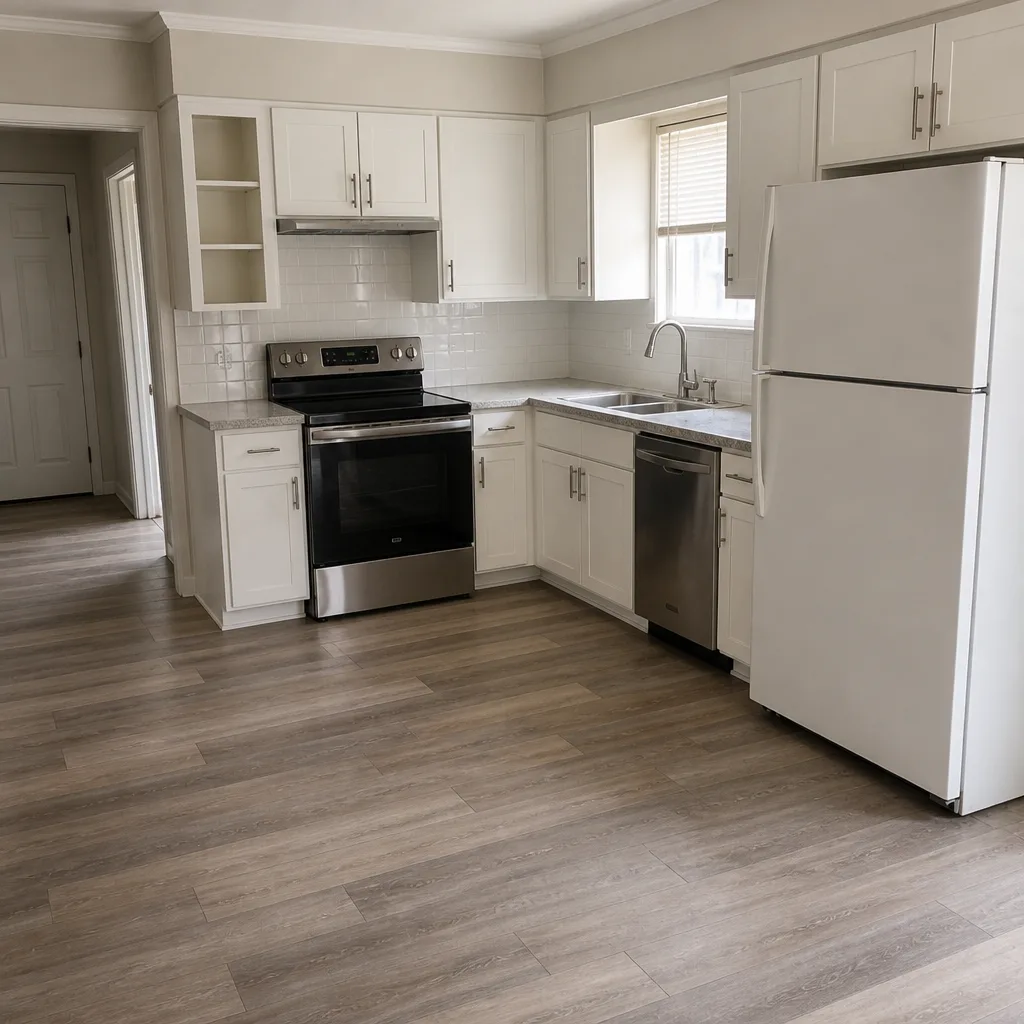
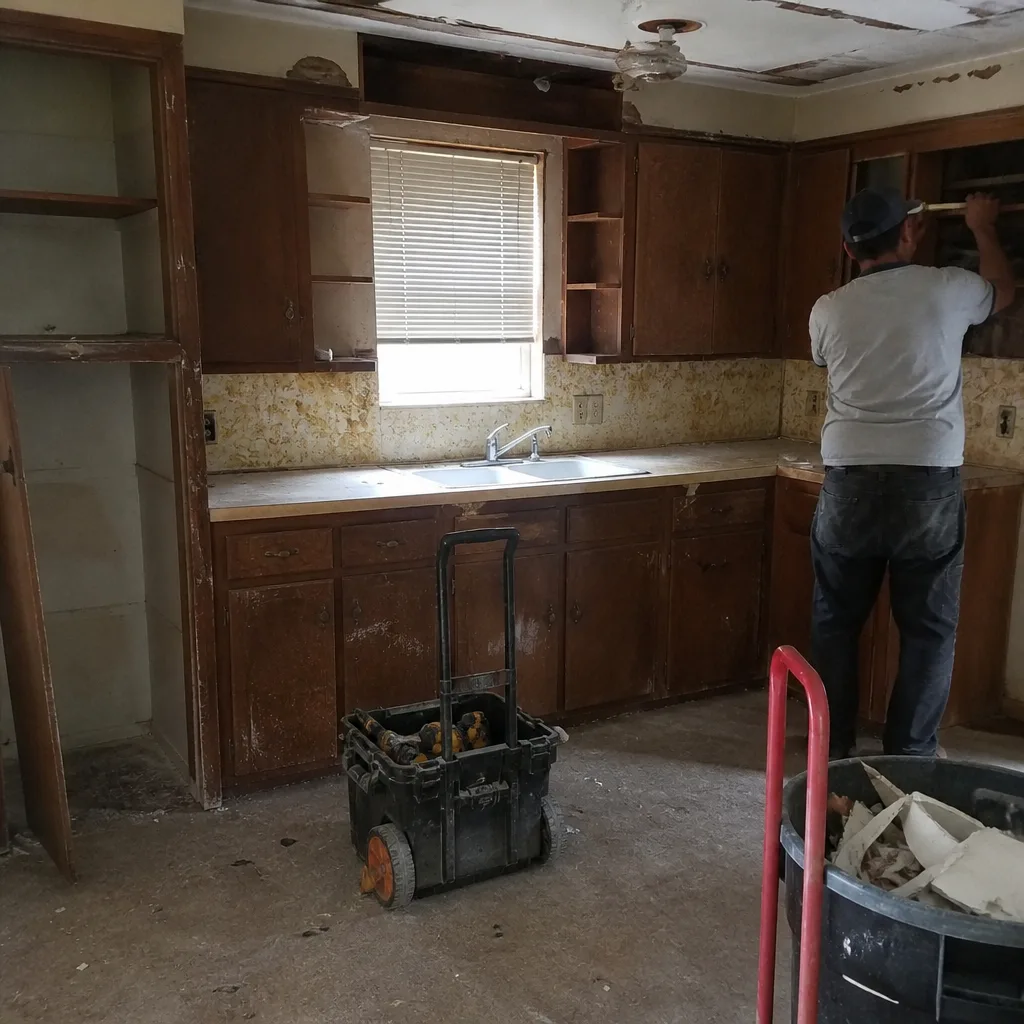
See the difference
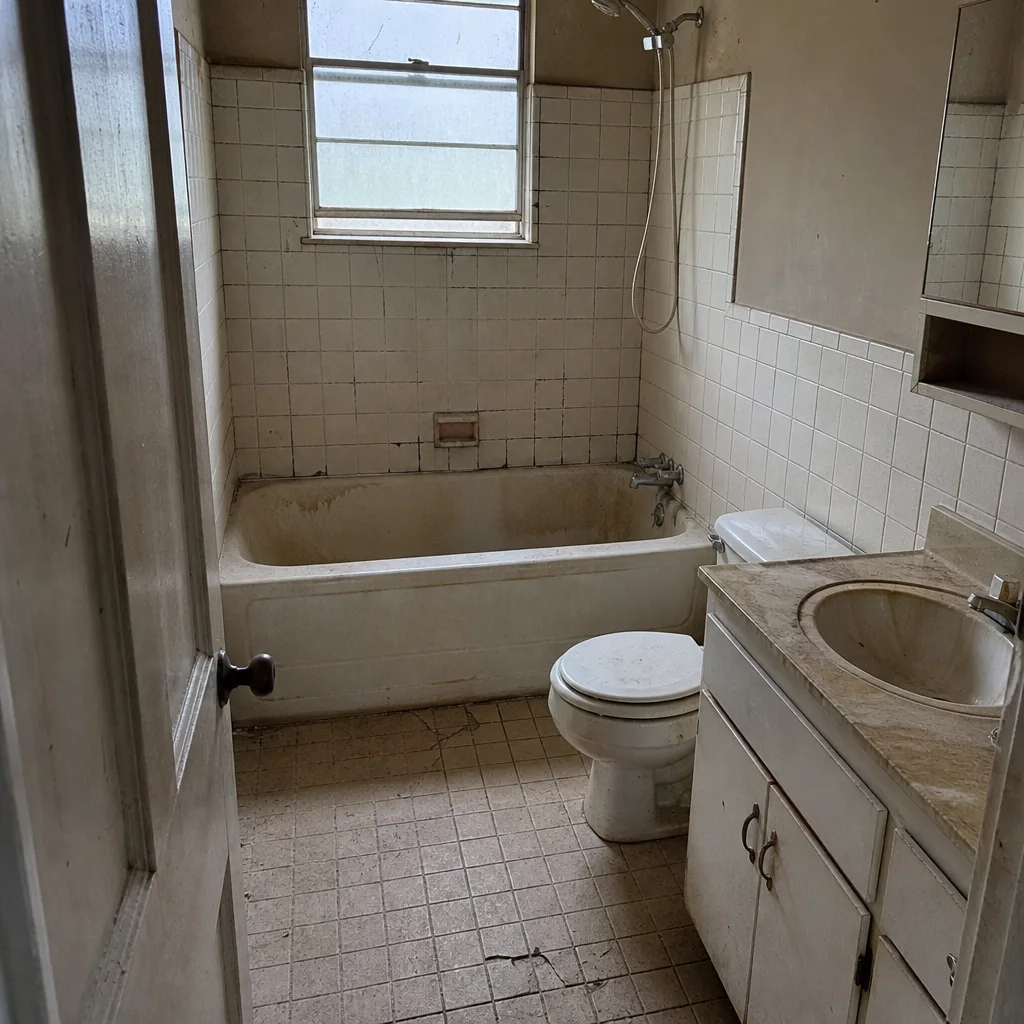 Before
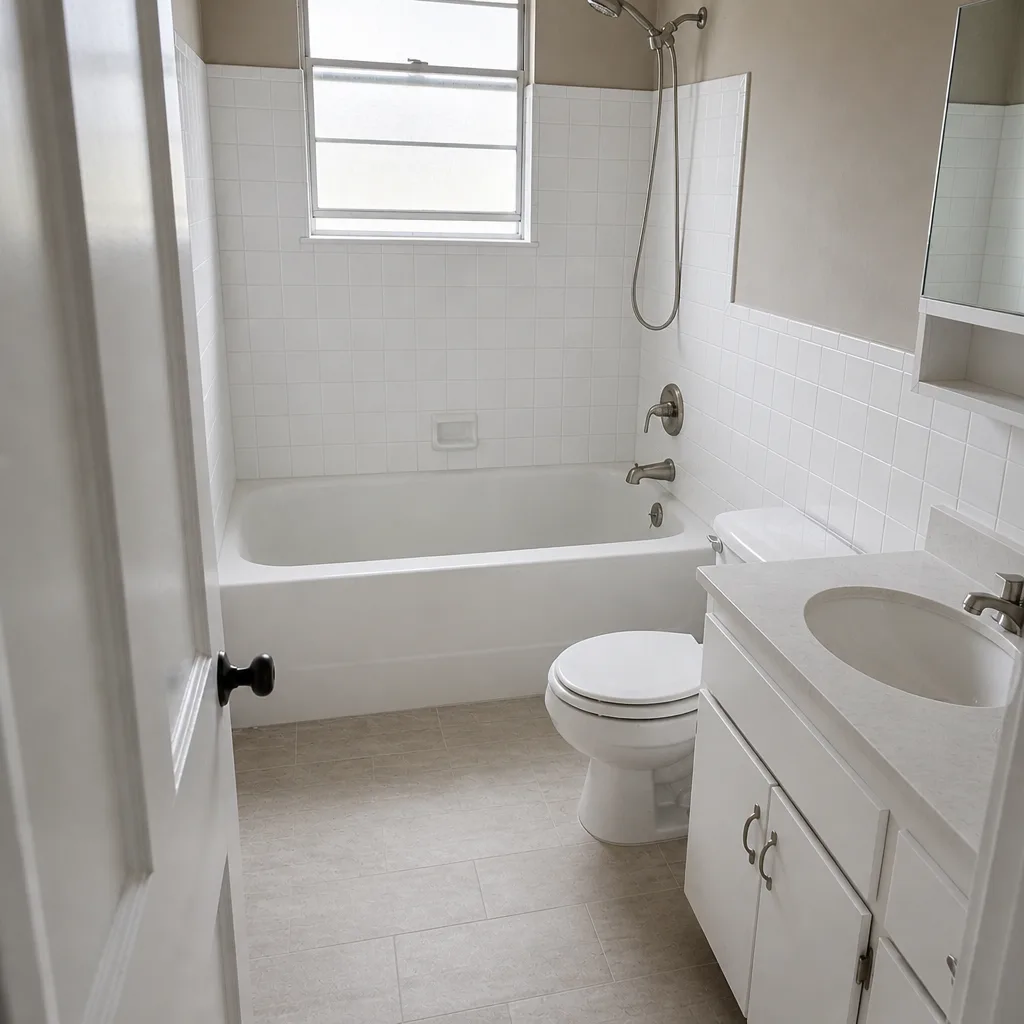 After
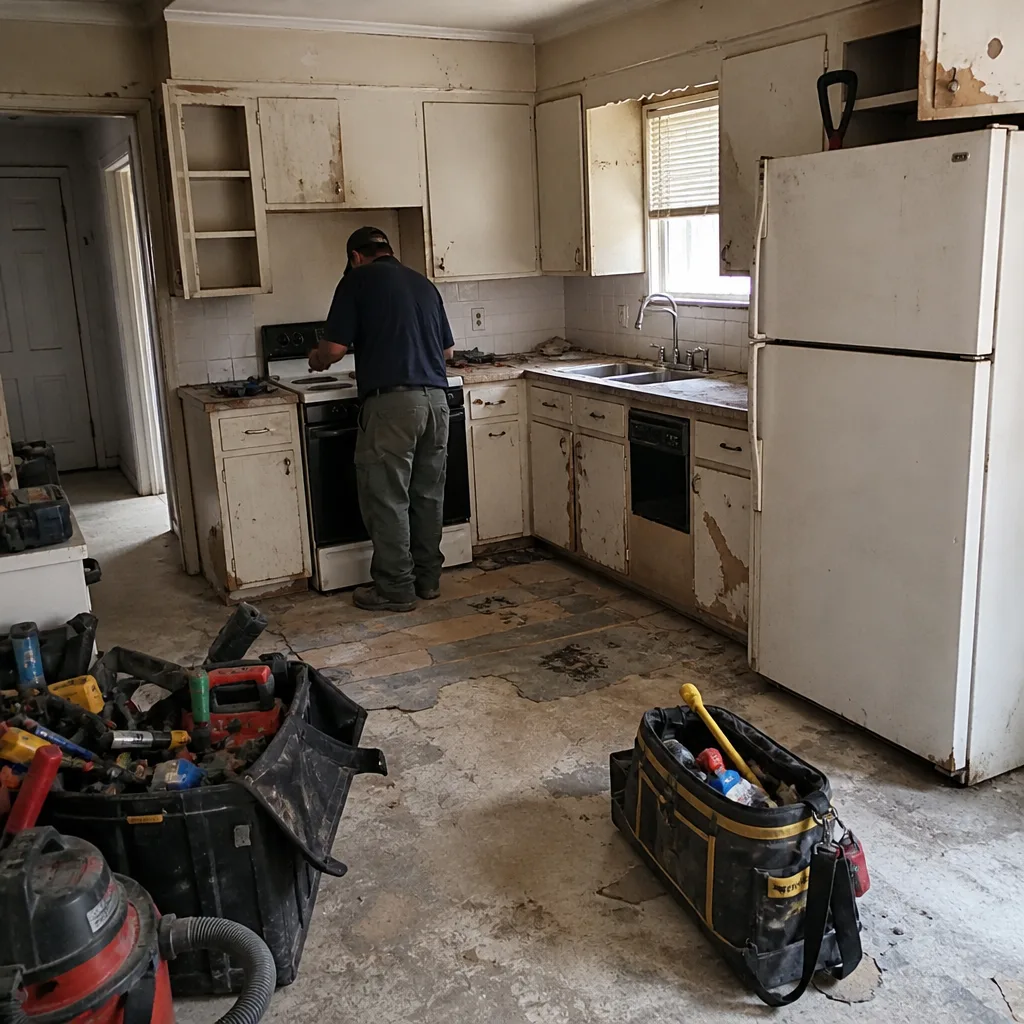 Before
 After
 Before
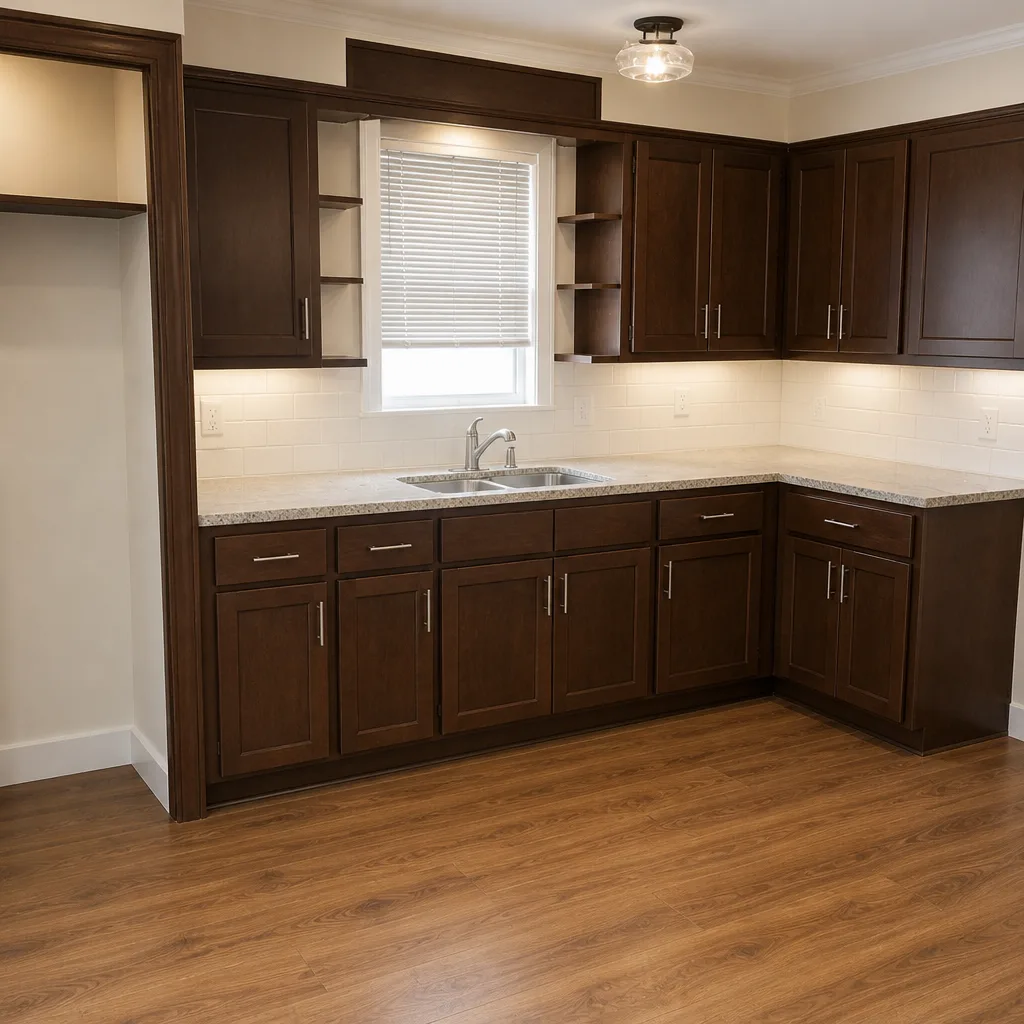 After
When to Call a Professional
Some scopes should not go to a homeowner with a weekend and a rental truck – not because of skill, but because of permits, insurance, and structural risk. Projects that always warrant a licensed, insured professional in Fort Worth: any structural modification or load-bearing change, anything that requires a Fort Worth building permit, roofing (especially on a multi-story home or a roof with more than two shingle layers), electrical panel work, gas line work, plumbing relocation, and any home addition or ADU. The same rule applies when a scope involves engineered pavers with drainage slopes, or a fence installation that crosses a property line into a survey dispute.
Rowan Construction Group Fort Worth offers free estimates across all seven of our trades – Kitchen Remodeling, Bathroom Remodeling, Roofing, Windows and Doors, Fence Installation, Driveway and Pavers, and Home Additions including ADUs. Call (833) 570-6084 to schedule your free estimate.
Frequently Asked Questions

No. Texas does not license general contractors at the state level, so anyone can legally call themselves a general contractor in Fort Worth without an exam, a bond, or trade experience. Electrical, plumbing, and HVAC are the three residential trades that are licensed by the Texas Department of Licensing and Regulation, and those license numbers can be verified online. Call (833) 570-6084 for a free estimate where the paper is the protection.
A $1 million per-occurrence general liability limit is the reasonable floor for Fort Worth residential work, and completed operations coverage plus workers’ comp should be listed on the same certificate. Ask for the COI directly from the insurer or through the contractor’s agent, and confirm the coverage dates extend past your project timeline. Call (833) 570-6084 for a written quote that lists the certificate and the scope.
A lien waiver is a signed statement from a contractor or supplier waiving the right to place a mechanic’s lien on your property in exchange for payment. Texas’s constitutional mechanic’s lien law is unusually broad, so a roofing sub who wasn’t paid by the general contractor can still file against your home even if you paid in full. Collect conditional waivers before each payment and unconditional waivers only after payment clears. Call (833) 570-6084 for a free estimate and a written process for waivers on every draw.
Most Fort Worth kitchen remodels land in the $28,000-$75,000 range for a mid-grade scope, and cost tracks primarily to square footage, cabinet brand (KraftMaid and Wellborn sit at different price points), and whether plumbing or electrical is being moved. A written bid that lists “cabinets” without a brand and an allowance is not a comparison you can make. Call (833) 570-6084 for a free flat-price estimate with line-item allowances – and a Free Second Opinion on any competitor’s written bid at no charge.
Only a signed change order should change a fixed price, and the contract should say so in writing before work begins. The five clauses that matter – authorization threshold, written-only rule, markup cap, timeline extension, and dispute escalation – should all appear in the contract you sign. Our rule is simple: no work proceeds on a change until the change order is signed, and that discipline is why projects finish within a few percent of the agreed price. Call (833) 570-6084 for a free estimate with the change-order clauses attached.
Yes. The City of Fort Worth requires a permit for most residential roofing work, and Fort Worth Development Services performs an inspection after the roof is installed. A contractor who says “permits aren’t needed for a re-roof” is either uninformed or avoiding the inspection – and either one is a problem when your insurance claim comes up. Call (833) 570-6084 for a free estimate from a contractor whose written price includes the permit cost.
The Bottom Line
Texas doesn’t license general contractors, so in Fort Worth your protection is the document package, not the title on the truck. Verify the three trades that are licensed – electrical, plumbing, HVAC – through the TDLR public search. Require a certificate of insurance listing general liability, completed operations, and workers’ comp, with coverage dates past your project completion. Demand a flat written price with a written scope, a written warranty, line-itemed allowances, and named subs. Sign nothing that doesn’t include the five change-order clauses, and collect lien waivers on every draw. Do that, and the three-star reviews become the confirmation rather than the discovery.
Ready to skip the audit-and-guesswork phase? Call (833) 570-6084 to schedule your free estimate with Rowan Construction Group Fort Worth – a written price, a written scope, and a written process before anyone picks up a tool.
Written by the team at Rowan Construction Group Fort Worth.