Last updated November 18, 2026



Free written scope consultation - allowances, timeline, and change-order rules on paper before a single trade is scheduled
Windows & Doors Troubleshooting: Common Problems and How to Fix Them
A door that won’t latch in July and latches fine in January isn’t broken. It’s moving with its frame. But a door that won’t latch in both seasons, with a 1/16-inch gap at the hinge side, has a frame or foundation problem, and a new strike plate won’t solve it. In our experience across Fort Worth, most window and door complaints are one root cause wearing several costumes: drafts, sticking sashes, failed locks, and condensation are usually symptoms, not the disease. This guide pairs each symptom with its actual mechanical source, gives you the diagnostic check that confirms it before you spend a dollar, and draws the line between a $30 fix and a replacement unit.
Quick Answer
Most window and door problems in Fort Worth trace to four causes: air and moisture movement through failed weatherstripping or glazing seals, humidity-driven wood swelling, loose or stripped hinge hardware, and a frame that has moved out of square. Diagnose which one you have before repairing. Fixing the symptom without the cause typically produces a repair that fails again within 18 months.
Styles & brands we work with
- Kitchen remodeling
- Bathroom remodeling
- Home additions & ADU
- Roofing
- Windows & doors
- Driveway & pavers
- Fence
Table of Contents
- The Symptom-to-Cause Matrix: Diagnose Before You Repair
- Condensation: Three Locations, Three Different Problems
- Sticking Sash and Sticking Doors: The 4-Foot Level Test
- Failed Lock Engagement and Visible Daylight
- Repair or Replace? The Dollar Threshold
- What You Can Fix Yourself vs. What Voids a Warranty
- Fort Worth Climate and What It Does to Your Windows and Doors
- Common Mistakes to Avoid
The Symptom-to-Cause Matrix: Diagnose Before You Repair
Every symptom on this list has at least two possible causes, and they cost wildly different amounts to fix. Use the diagnostic test to rule out the expensive one before you pick up a tool. This table is the spine of the whole guide.
- Draft at the perimeter of the window or door. Most likely cause: failed weatherstripping or a worn sweep. Confirm it: hold a lit incense stick at the joint on a windy day and watch the smoke. If it wavers along the entire edge, it’s the seal. If it wavers only near a hinge or latch, it’s hardware alignment.
- Condensation between the panes. Cause: a failed insulated glass unit (IGU) seal. Confirm it: you can’t wipe it off from either side, and it’s been there for weeks. This is not a humidity problem and no dehumidifier will fix it.
- Window that sticks when you raise it. Cause: either a swollen wood sash (humidity) or a worn balance or pivot shoe. Confirm it: if it sticks only in summer and frees up in winter, it’s humidity. If it sticks year-round and grinds, it’s the balance mechanism.
- Door lock that won’t fully engage. Cause: the door has moved in its frame, so the latch bolt misses the strike plate. Confirm it: close the door slowly and look at where the bolt meets the plate. If it’s hitting high or low by more than 1/16 inch, the door has sagged or the frame has moved.
- Visible daylight around a closed door. Cause: weatherstripping failure (cheap) or a hinge-side gap indicating frame movement (expensive). Confirm it: run a dollar bill around the closed door. If it pulls out easily everywhere, it’s weatherstripping. If it pulls out easily at the top and stays tight at the bottom, the frame is out of square.
Run each test before you buy anything. We’ve seen Fort Worth homeowners spend $400 on new weatherstripping for what turned out to be a stripped hinge screw. Two minutes with an incense stick and a dollar bill would have saved three weeks of frustration.
Condensation: Three Locations, Three Different Problems
Condensation is the single most misdiagnosed window complaint. Where the water appears tells you what’s actually wrong, and the three locations have almost nothing in common with each other.
- On the interior surface (room side of the glass). This is a humidity problem inside your house, not a window problem. Warm moist air is hitting cold glass and condensing. Check with a hygrometer (under $20 at any hardware store); if your interior relative humidity is above 50 percent in winter, that’s your answer. Run bath fans longer, open a window for ten minutes, and check the clothes dryer duct. No glass replacement will fix it.
- On the exterior surface (outside the glass). This is normal dew point behavior, and it’s actually a sign your windows are working. Modern low-E glass reflects interior heat so effectively the outside pane stays close to the outdoor temperature, so morning dew condenses on it. It burns off by mid-morning. Ignore it.
- Between the panes (inside the sealed IGU). The seal around the insulated glass unit has failed, and argon is escaping while moisture enters. This is the one that requires replacement of the glass unit. There is no repair, no re-seal, no injection. An IGU replacement is the fix, and on a window under 10 years old it’s worth doing rather than replacing the whole window.
Fort Worth’s humidity swings make case one common in summer and case three common after our hail seasons, when a strike on the frame can crack a seal without shattering the glass. We’ve inspected windows in Fort Worth after a hail event where the glass showed no visible damage but the IGU seal failed six months later.
Sticking Sash and Sticking Doors: The 4-Foot Level Test
Sticking doors are the most common call we get, and the four-foot level resolves at least 80 percent of them in under five minutes. Here’s the sequence we run on every door in Fort Worth before deciding whether it’s a $8 fix or a carpenter’s problem.
- Place a 4-foot level vertically on the hinge-side jamb. The bubble should sit dead center. If the jamb is out of plumb by more than 1/8 inch over four feet, the frame has moved, and this is not a hinge problem. Stop here.
- Place the level horizontally across the top of the door and across the threshold. The gap between the and the door should be even across the width. If the hinge side is tight and the latch side is wide at the top, the door is sagging, which points to hinge screws.
- Open the door and check every hinge screw with a screwdriver. If any screw spins free without tightening, the screw hole is stripped. The fix is a $8 box of 3-inch wood screws or a set of hinge screws with a slightly thicker shank. This is the single most common door fix we perform.
- Check the bottom sweep and the threshold. If the door drags only at the bottom, the sweep has failed or the threshold has shifted. Both are easy swaps.
- If the door sticks only in summer and frees in winter, the wood is swelling with humidity, and no amount of hinge work will fix it. You need to relieve the binding edge with a block plane or a sanding block, or investigate why that room stays humid (usually an HVAC balance issue).
If the level shows an out-of-square frame, and the door has been that way for more than a season, the next step is a carpenter or a window and door specialist, not more weatherstripping. Fort Worth homes built before 1990, particularly in older neighborhoods, sometimes have door frames that have shifted with clay soil movement. That’s a real repair, and it has real cost.
Failed Lock Engagement and Visible Daylight
A lock that won’t engage is a symptom, not a lock problem. The mechanism almost always works fine; the door has moved relative to the strike plate. Here’s how to separate the two cases.
- Latch bolt misses the strike plate vertically. The door has sagged. Run the hinge-screw test above. If the screws are tight and the door still sags, the hinge itself has worn and needs replacement, which is a two-hinge swap in under an hour.
- Latch bolt misses horizontally. The door has moved away from the jamb, usually because the frame has shifted or the weatherstripping has compressed. Replace the weatherstripping first; if that doesn’t close the gap, you’re looking at frame work.
- Deadbolt won’t turn but the latch works. That’s a lock mechanism issue, and the lock needs service or replacement. This is the rare case where the problem is actually in the hardware.
- Visible daylight around the closed door at the latch side, all the way down. The door is warped or the frame is out of square. A door that shows daylight at the top and bottom but seals at the middle is warped, and no adjustment will fix it. The door needs replacement.
Fort Worth doors see more thermal movement than most of the country because our summer-to-winter temperature swing regularly tops 40 degrees. When a door in Fort Worth shows daylight in February and seals in August, the frame is moving, and that’s exactly what weatherstripping can’t solve.
Repair or Replace? The Dollar Threshold
Here’s the rule we give every Fort Worth homeowner: it’s about the age of the unit and the cost of the failed component relative to the cost of a new unit. Not a gut feeling, not a contractor’s upsell. A number.
- Window under 10 years old with a failed IGU seal. Replace the glass unit (the sash), not the window. The sash is typically 40 – 60 percent of a new window’s cost, and the frame is still good. A full-window replacement here is wasted money.
- Window 15-plus years old with a failed IGU AND a leaky frame or rotted sill. Replace the whole unit. You’re going to pay for the sash and the frame separately, and the frame won’t outlast the new glass.
- Door with stripped hinge screws and a plumb frame. $8 fix. Never replace a door for this.
- Door with a warped slab or an out-of-square frame that the level test confirms. Replace the door and, often, the frame. Adjustment and sanding buys you 12 – 18 months before the problem returns.
- Door with a worn lock mechanism only. Replace the lock. Never the door.
- Any window or door where the frame has rotted from water intrusion. Replace. Water damage compromises the structural integrity, and the new glass won’t fix a soft sill.
Our rule of thumb on Fort Worth window replacement: if the failed component costs more than 50 percent of a new unit, and the unit is over 12 years old, replace rather than repair. It’s not always the cheapest choice on the day, but it’s the one that doesn’t come back. When you’re ready to price a window and door project alongside a larger renovation, our Rowan Construction Group Fort Worth home page shows how we quote every trade the same way, with a written number before anyone starts.
What You Can Fix Yourself vs. What Voids a Warranty
A lot of window and door work is genuinely DIY-friendly. Some of it isn’t, and the split matters because opening the wrong component can void a manufacturer warranty that was worth thousands of dollars.
Safe for a screwdriver and $30 in weatherstripping
- Replacing weatherstripping around a door or window perimeter.
- Replacing a door sweep at the bottom.
- Replacing a stripped hinge screw or a worn hinge.
- Applying a bead of silicone caulk to a leaking exterior joint.
- Replacing a standard deadbolt or door lock.
- Lubricating a window balance or track with silicone spray.
Requires a licensed installer to keep the warranty intact
- Replacing an insulated glass unit (IGU). Most manufacturers require a certified installer to honor the glazing seal warranty.
- Removing and resetting a window or door frame.
- Adjusting a modern multi-point lock system on a European-style door.
- Replacing the balance mechanism on a double-hung or casement window.
- Any work on a window that is part of a manufacturer’s full-unit warranty claim, which almost always requires documented professional service.
We were called to a Fort Worth home last year where the homeowner had replaced a failed IGU themselves, then found the manufacturer’s warranty wouldn’t cover a subsequent second failure because the glass hadn’t been installed by a certified installer. That’s a real loss. Read the warranty terms before you touch the glass.
Fort Worth Climate and What It Does to Your Windows and Doors
Fort Worth puts windows and doors through more movement than most of the country, and it’s worth knowing exactly what your house is up against. Three forces matter most.
- Clay soil movement. The expansive clay soils across much of Fort Worth and Tarrant County swell when wet and shrink when dry. That movement translates directly into frame movement, which is why door alignment issues here are so common. A door that was perfectly plumb when installed can be out of square in a year if the foundation has moved.
- Hail season. Fort Worth sits in the middle of hail alley, and a single hail event can crack the seal on an IGU without visibly damaging the glass. If you’ve had a hail event in the past two years, watch for between-pane condensation on any window that faces the storm’s direction.
- Summer-to-winter swing. Our 40-plus degree swing drives wood swelling and shrinkage on older homes, and thermal expansion on vinyl and aluminum frames. Doors that stuck in August usually free up by November, which is a diagnostic clue, not a fix.
In our experience working with Fort Worth homeowners, the doors that fail most reliably are the ones on the south and west sides of the house, where sun load is heaviest and the thermal swing is widest. It’s the same exposure that drives demand to think about Home Additions & ADU in Fort Worth properly sealed from the start, and it shows up in the exterior materials we quote, including brands like Belgard for hardscape where the same sun exposure plays out on pavers. If your exterior work runs alongside a Driveway & Pavers in Fort Worth project, do the window and door seal work first, so water sheds away from the new hardscape rather than toward it.
Common Mistakes to Avoid
- Replacing weatherstripping before running the diagnostic test. Weatherstripping is cheap, but it never fixes a frame that’s out of square. Two minutes with a dollar bill tells you which problem you have.
- Ignoring between-pane condensation for a season. A failed IGU seal gets worse, not better, and the sash warranty usually has a shorter window than the frame warranty. Fort Worth hail damage often shows up here first.
- Oversized screws in a stripped hinge hole. A 3-inch screw in the hinge’s top hole is fine; a 3-inch screw in every hole can split the jamb. Match the screw to the hole.
- Adjusting a modern multi-point lock yourself. European-style locking systems on doors like those from ActiveYards and similar high-end lines have specific torque specs, and a wrong adjustment can rack the door. Call a licensed installer.
- Sandpapering a sticking door without a level test. If the frame is out of square, you’ll sand the door to fit the wrong shape, and it will stick again the next season.
- Replacing a whole window when only the sash has failed. On a unit under 10 years old with good frame and sill, the sash replacement is 40 – 60 percent of the cost of a full window, and the frame you have is fine.
- Believing a contractor who quotes the giant job without running the level test. A quote for a full door replacement on a door with stripped hinge screws is a red flag. Ask what they tested and what they found.
See the difference
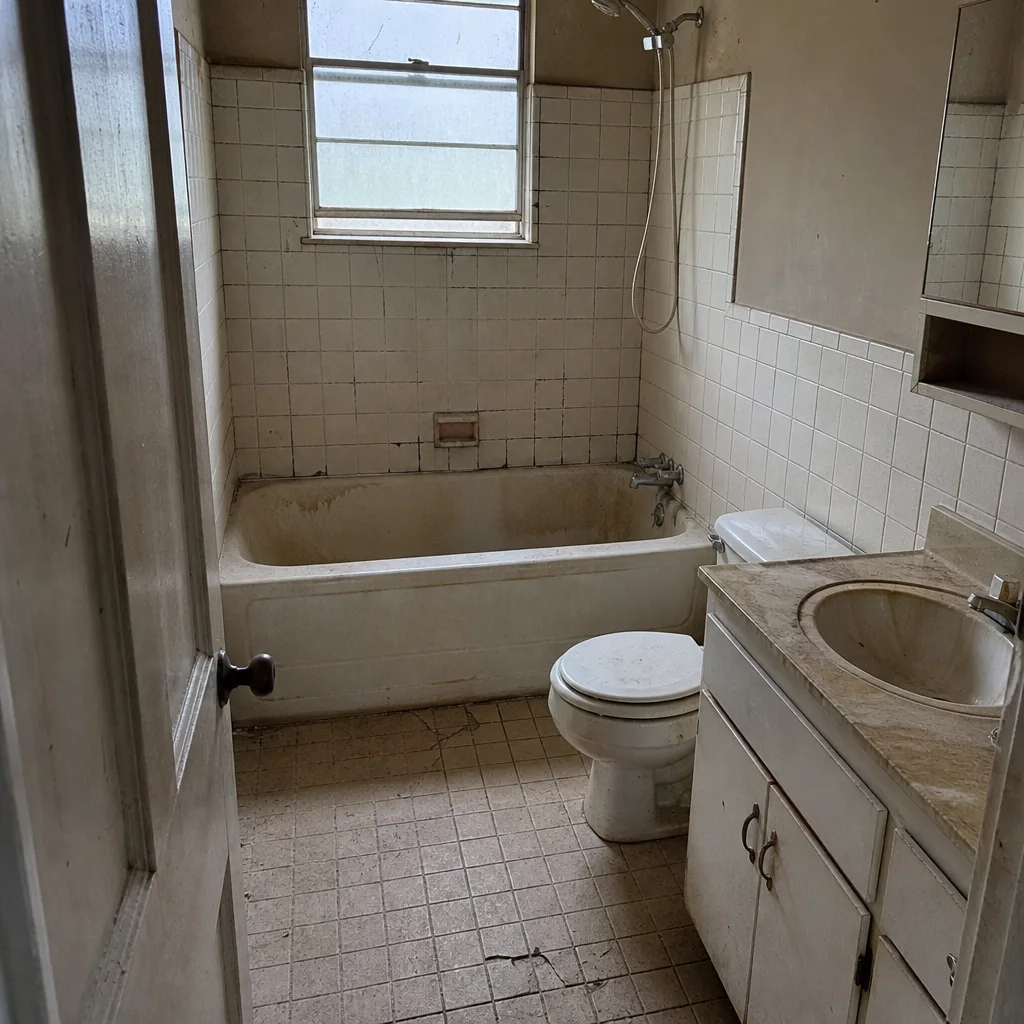 Before
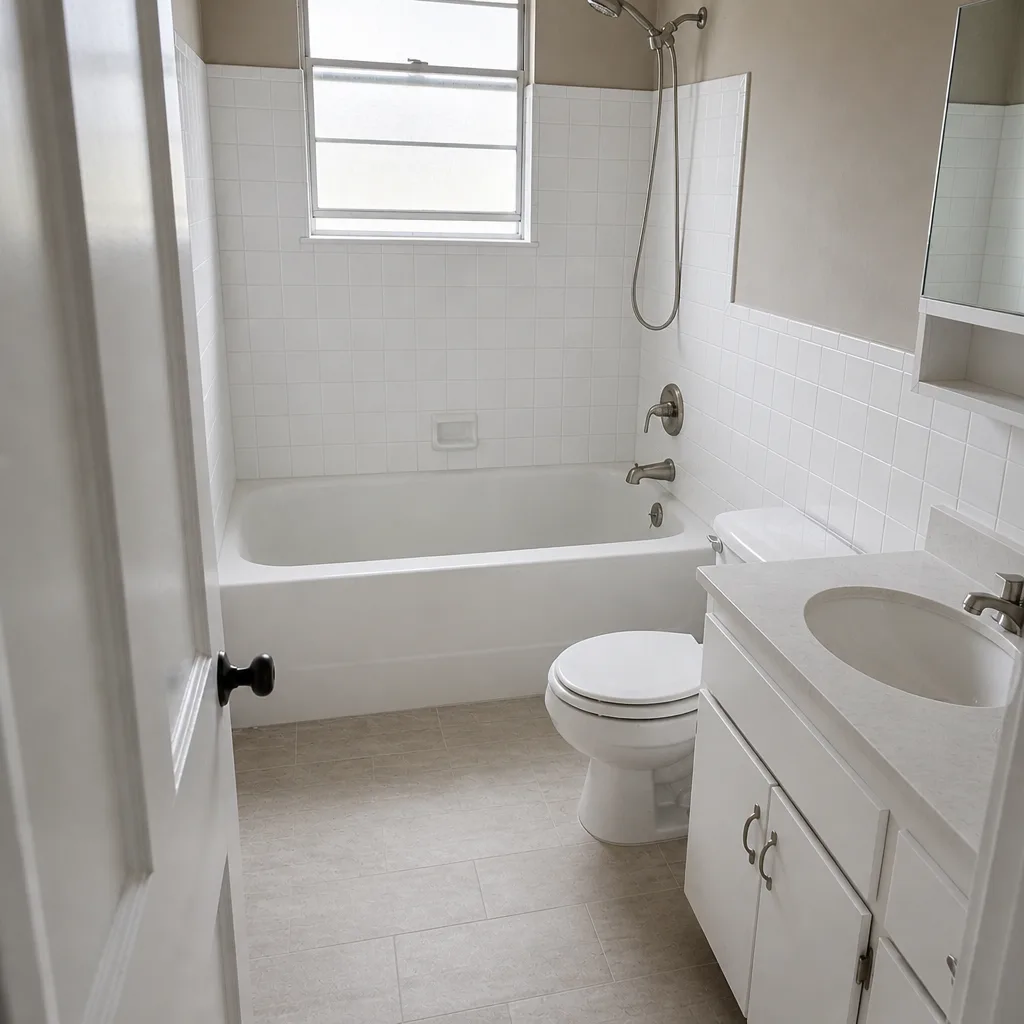 After
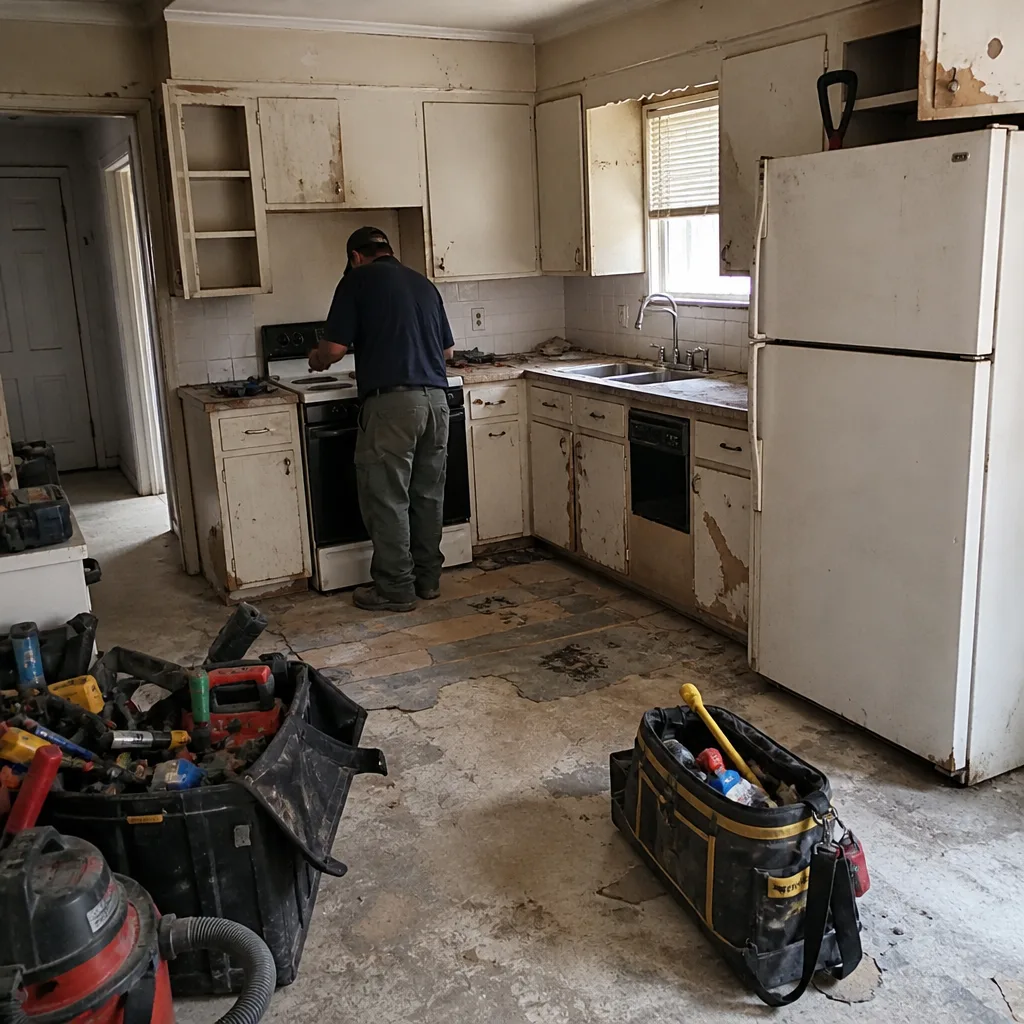 Before
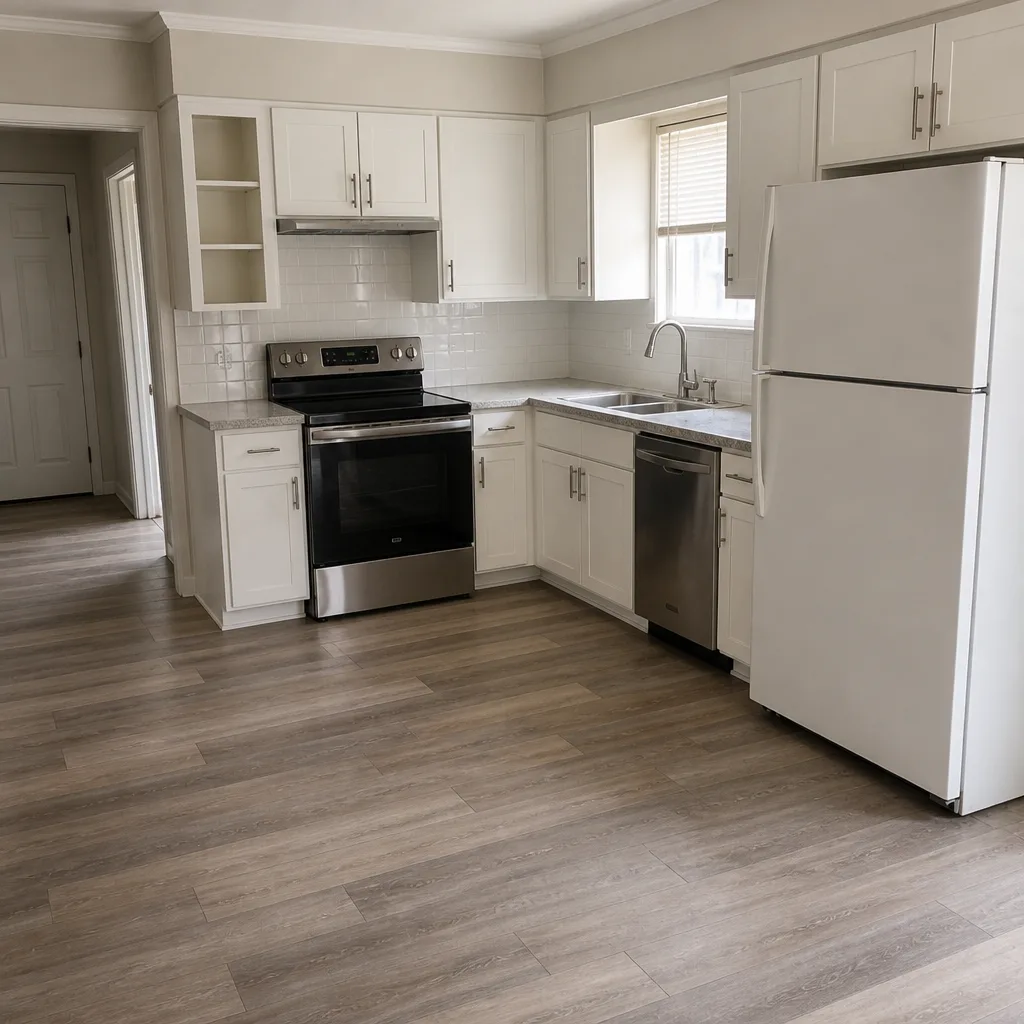 After
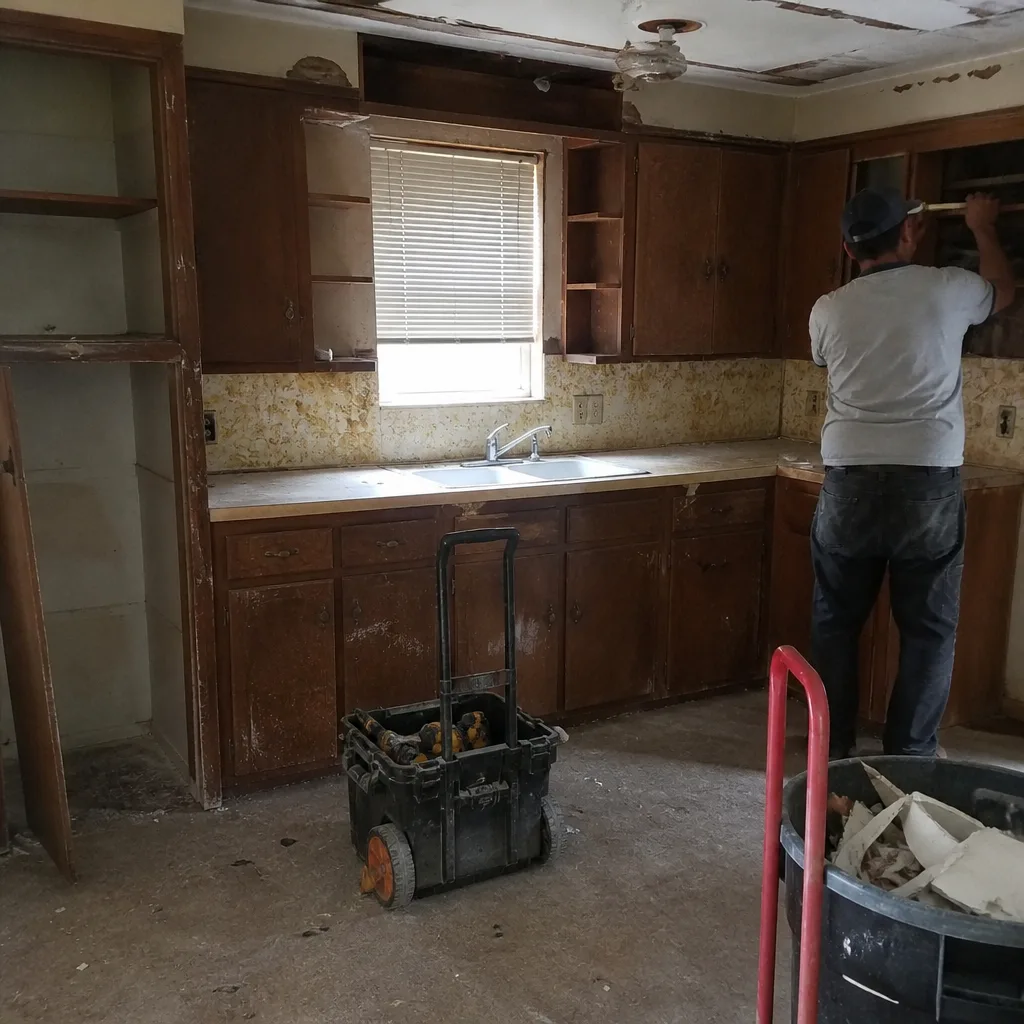 Before
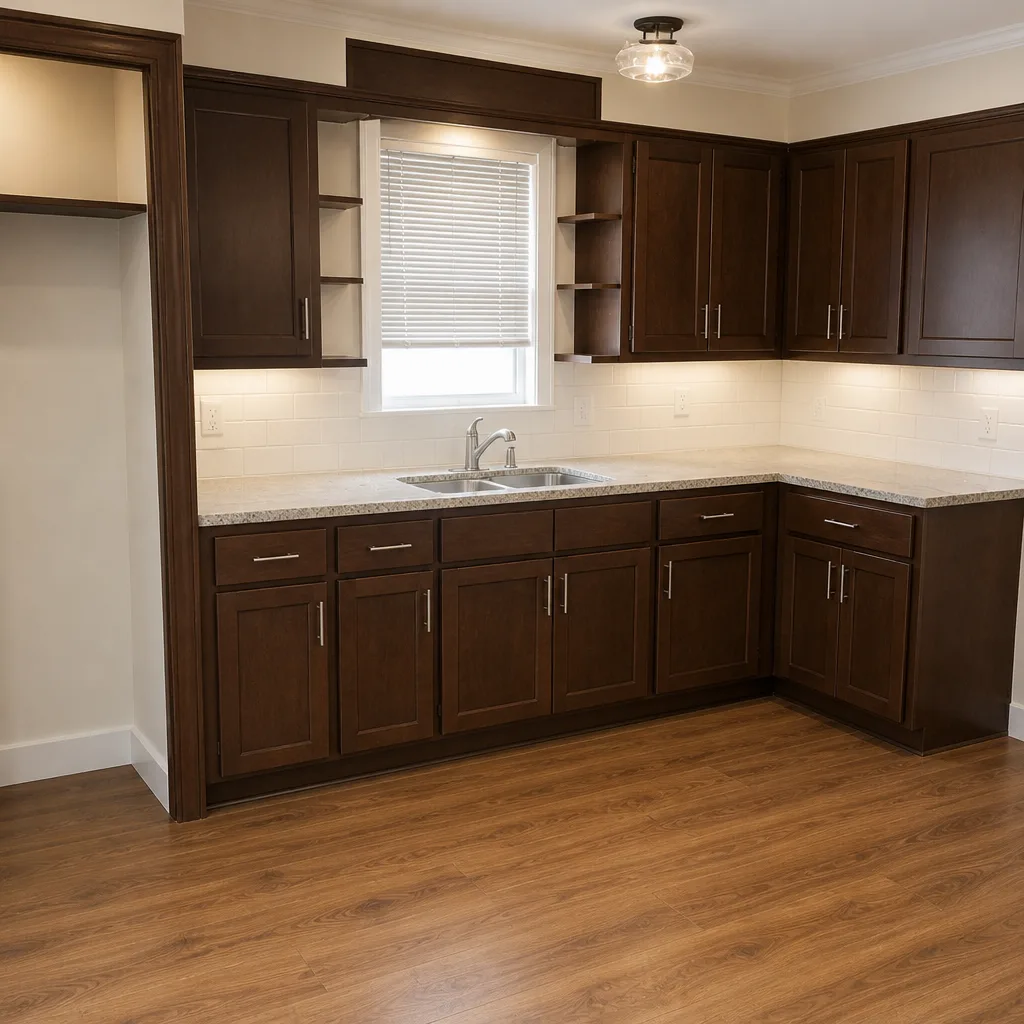 After
When to Call a Professional
Call a licensed installer when the diagnostic test points to frame movement, when the glass unit has failed on a window under warranty, when the door is warped or the jamb is out of plumb by more than 1/8 inch over four feet, or when water intrusion points to a rotted sill or frame. These are the cases where the fix needs a carpenter’s hand and a manufacturer’s warranty in writing. Call us before you buy anything if you’re not sure which case you have. Rowan Construction Group Fort Worth offers free estimates in Fort Worth; call (833) 570-6084 and we’ll send a background-checked technician to run the same diagnostic we use on our own installs and leave you with a documented photo record of what was found, not a guess about what might be.
Frequently Asked Questions
Typical Fort Worth pricing runs $150 – $350 to replace weatherstripping and realign a door, $350 – $700 to replace a single failed insulated glass unit (IGU), $200 – $450 to replace a door lock and strike plate, $150 – $300 to replace a hinge set, and $1,200 – $2,800 to replace a full exterior door including frame work. Full window replacement runs $450 – $1,200 per unit depending on size and brand. Call (833) 570-6084 for an exact quote; estimates are free.
Wipe it with a cloth. If it comes off, it’s surface condensation (a humidity or dew point issue), and you can fix it with ventilation or a dehumidifier. If the condensation stays between the panes after wiping both sides, the IGU seal has failed and the glass unit needs replacement. There is no repair for a failed IGU seal.
Humidity. Wood doors of Fort Worth homes swell in summer and shrink in winter, so a door that sticks only in summer is doing exactly what wood does. If the sticking is severe enough to require a plane or a sand, relieve the binding edge a little at a time; don’t take more than 1/16 inch. If it sticks year-round with a visible gap at the hinge, it’s a frame problem, not humidity. Call (833) 570-6084 if you’re not sure which.
No. Every Rowan project is quoted with a flat written price and a written scope before any work begins, and no change proceeds without a signed change order. That’s the discipline Haven acquired us for, and it’s why our finished projects come in within a few percent of the number the customer agreed to. The quote you get from us is the price you pay.
Yes, when a permit is required. Replacement of like-for-like windows and doors generally doesn’t require a permit in Fort Worth, but new openings, changes in size, and structural alterations do, and we handle those. We’ll tell you upfront which category your job falls into and include the permit line item in the written quote.
Weatherstripping and hinge repairs are a one- to two-hour visit. An IGU replacement is typically a two- to four-hour visit once the glass arrives, which can take one to three weeks depending on your window brand. A full door replacement is a one-day job. A multi-window IGU project on a Fort Worth home is usually a one- to two-day job once material arrives. Call (833) 570-6084 for a scheduling estimate specific to your project.
The Bottom Line

Most window and door problems in Fort Worth come down to a small set of root causes: failed seals, humidity-driven swelling, stripped hardware, and frame movement. Diagnose before you repair, and use the 4-foot level and the dollar-bill test as your filter. The repair you choose should match the cause, not the symptom, and the age and cost of the failed component – not the contractor’s gut feeling – should decide whether you repair or replace. If you want the diagnostic done by a licensed installer who leaves a written record of what was found, Rowan Construction Group Fort Worth offers free estimates with a flat written price before any work starts, background-checked technicians, and the 365-Day Done Right Promise behind every repair. Call (833) 570-6084 to schedule yours. If your project also involves a new fence line or a hardscape tie-in, we list those alongside our window and door work on our Fence Installation in Fort Worth page, quoted the same way with the same written scope.
Written by the team at Rowan Construction Group Fort Worth.