Last updated November 18, 2026


Free written scope consultation - allowances, timeline, and change-order rules on paper before a single trade is scheduled
The Complete Fence Installation Guide for Fort Worth Homeowners
Fort Worth’s design wind speed is 90 mph, per ASCE 7. That single number changes how a fence should be built here. An undersized post set in Blackland clay without a proper concrete collar doesn’t just lean after a storm – it becomes a projectile. We’ve walked plenty of Fort Worth properties after severe weather and the failures follow a pattern: shallow holes, dry concrete mix, and posts that were never going to hold. This guide covers the three hard constraints most fence guides skip – post-hole engineering in shrink-swell clay, City of Fort Worth setback and height ordinances that shift by zoning district, and wind load requirements that pushed several neighborhoods to update deed restrictions after the 2021 ice storm. You’ll get real 2024 Fort Worth pricing, permit thresholds, HOA documentation steps, and the exact line items that separate a written contract from a verbal promise.
Quick Answer
A fence in Fort Worth typically costs $18 to $40 per linear foot installed, depending on material, with cedar privacy fence landing around $18 to $28 per linear foot and aluminum ornamental at $28 to $40. Post holes for a 6-foot fence should be at least 42 inches deep and dug wider than standard augers allow because Blackland clay expands and contracts with moisture. Most residential fences in Fort Worth don’t require a permit, but front-yard height limits, corner-lot sight triangles, and HOA approval still apply. Get a written contract that specifies post depth, concrete mix, board grade, and hardware spec before any digging starts.
Styles & brands we work with
- Kitchen remodeling
- Bathroom remodeling
- Home additions & ADU
- Roofing
- Windows & doors
- Driveway & pavers
- Fence
Table of Contents
- Post-Hole Engineering in Blackland Clay
- Fort Worth Fence Ordinance: Height, Setbacks, and Permits
- Wind Load and the 90 mph Design Standard
- Fence Material Costs in Fort Worth (2024 Prices)
- HOA Approval: Documents, Timelines, and Shared Fence Lines
- What a Written Fence Contract Must Specify
- The Installation Process, Step by Step
Post-Hole Engineering in Blackland Clay
Blackland clay is the defining soil condition across most of Fort Worth, and it behaves nothing like the sandy loam you’d find west of Loop 820. When it’s wet, it swells. When it dries through a Fort Worth summer, it shrinks and cracks. A post set in a hole that’s the same diameter as the post has nowhere to grip – the clay pulls away and the post loosens within a season or two. The fix is straightforward engineering: dig the hole wider than the post so the concrete collar has enough mass to resist soil movement in both directions.
For a 6-foot fence in Fort Worth, we specify a minimum hole depth of 42 inches. That puts the bottom of the hole below the active clay zone and gives the post enough embedment to resist wind uplift. Hole diameter should run at least three times the post width – a 4×4 post needs a 12-inch hole. A standard one-man auger often won’t get you there in dry Blackland clay, which is why crews here typically use a two-man auger or a mini-skid-mounted unit with a larger bit.
Concrete matters as much as the hole. We specify a pre-mixed concrete rated for structural post setting, poured wet – not dry-set and watered from the top, which is how a lot of cheap fences go in and why they lean. Each hole should receive enough mixed concrete to form a dome above grade so water sheds away from the post rather than pooling at the base. A proper collar also keeps the bottom of the post above the water table during wet springs, which is what extends the life of the wood itself.
If you’re planning a fence alongside a paver project, our Driveway & Pavers in Fort Worth guide covers the same soil considerations from a different angle.
Fort Worth Fence Ordinance: Height, Setbacks, and Permits
Fort Worth fence rules vary by zoning district, which catches a lot of homeowners off guard because the rules that apply to a neighbor three streets over may not apply to them. The core requirements to know:
- Front yard height limit: Fences in the front yard are typically capped at 4 feet, though this can shift slightly depending on the underlying zoning district and whether the lot fronts a corner.
- Corner lot sight triangles: Fences on a corner lot must maintain a sight triangle at the intersection so drivers and pedestrians can see each other. Obstructions in that triangle – fence, hedge, or anything else – are a code issue and a safety issue.
- Side and rear yard heights: Interior side and rear fences are generally allowed up to 6 feet, with 8 feet achievable in some districts with proper documentation.
- Permit threshold: Most residential wood fences do not require a building permit. Masonry fences, fences above certain heights, and fences in commercial or mixed-use zones usually do. This is where homeowners get surprised, so it’s worth confirming with the city before a masonry fence goes in.
- Drainage: A fence can’t block a natural drainage path across a lot. In parts of Fort Worth with shallow swales between properties, this becomes a real design constraint.
Zoning is the first thing to verify before you commit to a material. A 6-foot cedar privacy fence that’s allowed in a rear yard might not be allowed at the front, and a masonry wall that clears the height limit in one district might trip the permit threshold in another. Check your plat and zoning designation, not just what the neighbors did.
Wind Load and the 90 mph Design Standard
Fort Worth’s sustained design wind speed is 90 mph under ASCE 7, the standard that governs structural design across the United States. For a fence, which is a tall, flat, porous surface with no lateral bracing beyond its own posts, that number is not theoretical. A 6-foot fence with standard spacing catches hundreds of square feet of wind on a broadside gust, and every one of those pounds of force concentrates on the posts and the concrete collars that hold them.
After the 2021 ice storm, several Fort Worth neighborhoods revised their deed restrictions and HOA fencing rules to address wind performance explicitly. In our experience, the practical result is that more homeowners are asking for post spacing tighter than the old standard – typically 8-foot centers rather than 10 or 12 – and specifying concrete collars rather than tamped dirt. Both changes cost a bit more up front and both are worth it.
Wind load also affects the fence panel itself. Board-on-board construction, where overlapping boards close every gap, catches more wind than a standard dog-ear style with small gaps between pickets. That doesn’t mean board-on-board is wrong in Fort Worth – it means the posts need to be sized and set for the load. The material choice and the post engineering have to match, and that’s a written-contract item, not a verbal one.
Roofing takes the same wind load seriously, and our Rowan Construction Group Fort Worth home page covers how we approach exterior work across trades.
Fence Material Costs in Fort Worth (2024 Prices)
These are the installed price ranges we see for fence work in Fort Worth as of 2024. They include materials, labor, and concrete. They do not include permitting, demolition of an old fence, or gate hardware upgrades unless noted.
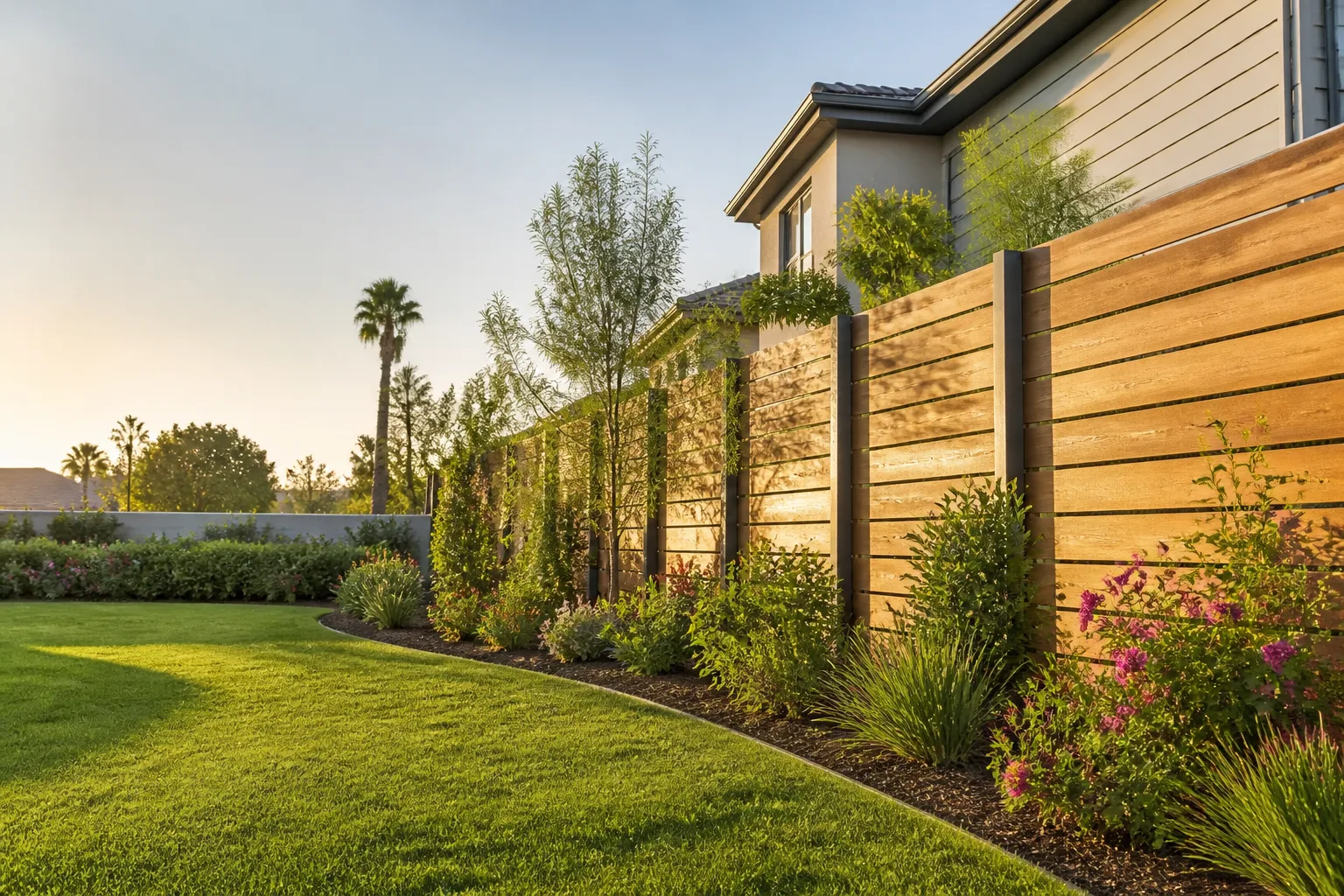
- Cedar privacy fence, dog-ear style: $18 to $28 per linear foot installed. This is the Fort Worth default for a reason – western red cedar handles the humidity swings well and looks right on most residential lots.
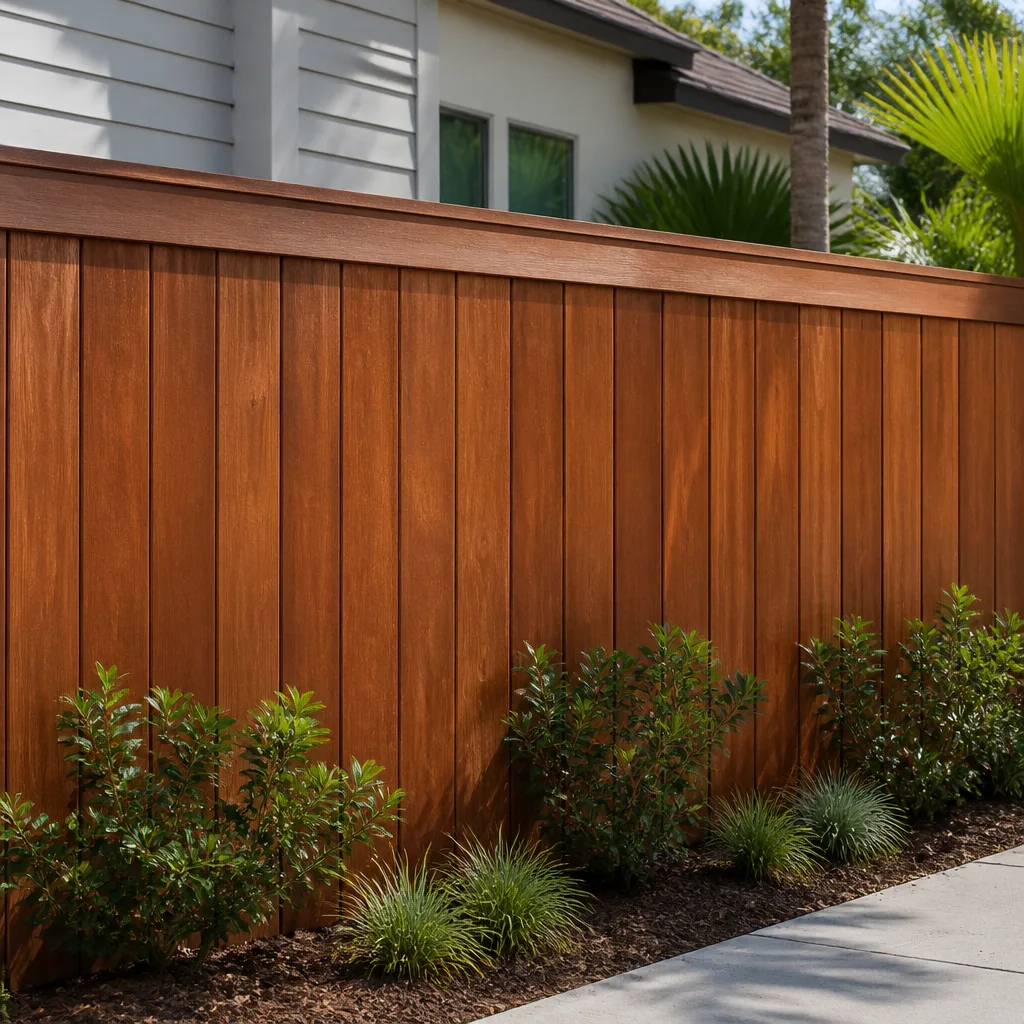
- Board-on-board cedar: $22 to $32 per linear foot installed. Overlapping boards close the gaps, add privacy, and add wind load. Higher material and labor cost, higher perceived quality.
- Aluminum ornamental: $28 to $40 per linear foot installed. Pricier per foot, but no maintenance. Powder-coated finishes hold up against Blackland clay splashback and sun.
- Chain link: $14 to $20 per linear foot installed. Still the cheapest option and still common on Fort Worth lots backing to open space or commercial property. Vinyl-coated chain link runs toward the top of that range.
Lumber pricing in Fort Worth moves with the regional market and depends on supplier. 84 Lumber and Carter Lumber both serve the metro, and their local pricing fluctuates with regional mill capacity and trucking costs. When a quote comes in dramatically below the ranges above, the difference is usually in the board grade – #2 cedar versus a lower grade – or in post spacing and hole depth. Those are exactly the line items that matter in Fort Worth clay and wind.
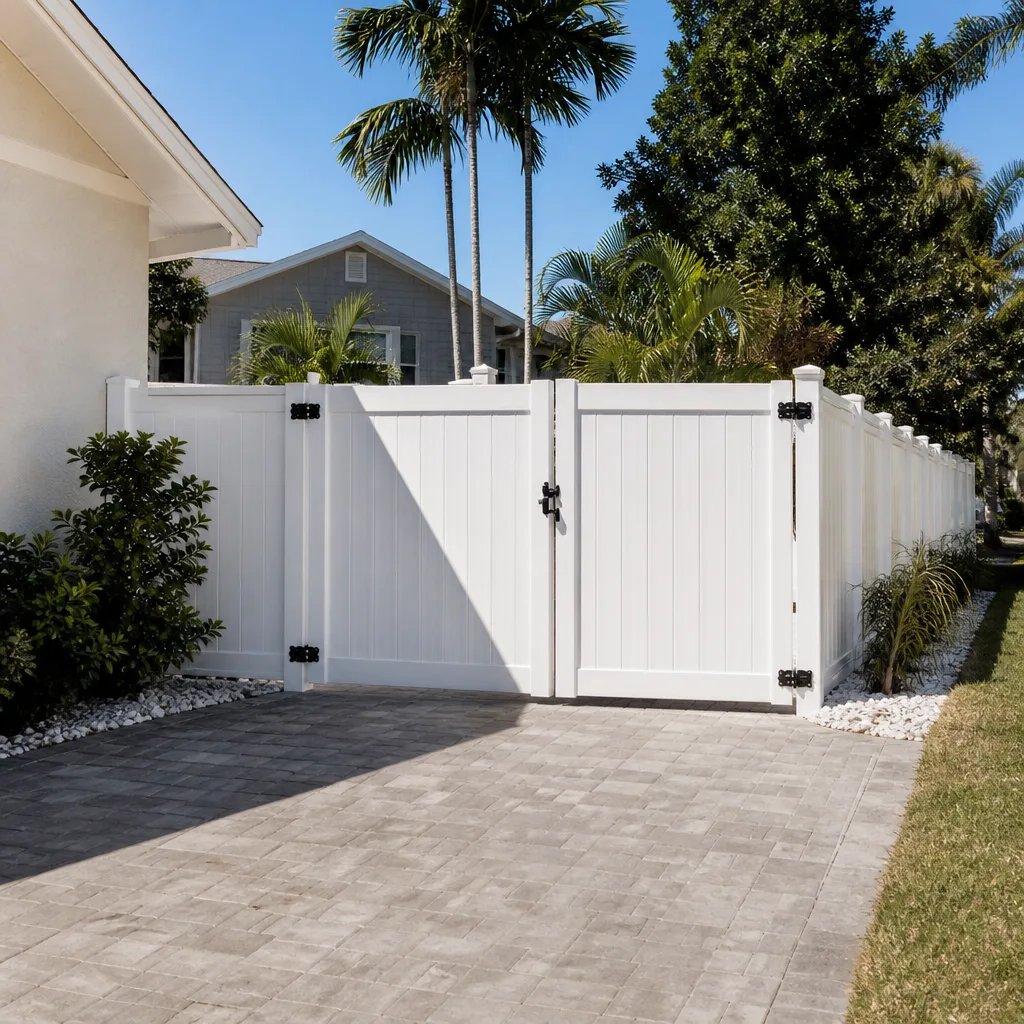
If your project also involves a gate that opens onto a driveway, our Fence Installation in Fort Worth page walks through the coordination between fence and hardscape crews.
HOA Approval: Documents, Timelines, and Shared Fence Lines
If your home sits in a master-planned community in Fort Worth – Alliance, Heritage, Walsh, or any of the dozens of smaller HOAs across the metro – the architectural review committee controls the fence long before the city does. Most HOAs have a fencing addendum in their covenants that specifies allowable materials, heights, colors, and sometimes even the exact picket profile. Get the latest version of that document, not the one that came in your closing packet five years ago.
The documents you’ll typically need to submit:
- Site plan or plat survey showing the proposed fence line and gates.
- Material specification sheet – brand, style, color, and board profile.
- Elevation drawing or photo of the proposed fence style.
- Neighbor notification acknowledgment for any shared fence line.
- Contractor information, including proof of insurance.
Review timelines vary widely. Small HOAs with a volunteer committee can turn an approval around in a week or two. Larger associations with a management company typically run 30 to 45 days, sometimes longer if the committee meets monthly. Build the review window into your schedule before you order materials.
Shared fence lines – where your fence sits on a property line shared with a neighbor – need more care. Fort Worth does not have a blanket shared-fence statute that resolves cost-sharing disputes, so the practical answer is documentation: a written acknowledgment from the neighbor that the fence is going in, ideally with a photo of the existing condition before demolition. That file protects both parties if a boundary dispute or damage claim comes up later.
If you’re planning a backyard structure or addition that will interact with the fence line, our Home Additions & ADU in Fort Worth guide covers how those projects get sequenced.
What a Written Fence Contract Must Specify
A price on a handshake and a price in a written contract are two different products. The written contract is what you can hold someone to if the fence leans, the wrong boards show up, or the hardware rusts within a year. Here are the line items that belong in writing, every time:
- Post depth and hole diameter: Specify the minimum depth (42 inches for a 6-foot fence in Fort Worth) and the hole diameter relative to the post size. “Standard depth” is not a spec.
- Concrete mix and volume: State the mix type and the approximate volume per post. “Concrete set” without detail means the cheapest method that will pass a glance.
- Board grade: #2 cedar or better. Specify the wood species and the grade. Western red cedar and inland cedar are not the same material and don’t price the same.
- Hardware galvanization: Specify hot-dip galvanized or stainless fasteners. Electro-galvanized nails rust through cedar in a few Fort Worth summers.
- Post spacing: Typically 8-foot centers for a 6-foot fence in high-wind exposure. Say it out loud in writing.
- Gate construction: Frame material, hinge type, latch type, and whether the gate is rated for the load of the panel.
- Warranty terms: Written warranty on labor and materials, in plain language, with what’s covered and what voids it.
Under Clause 1 of The Haven Standard, the price is written before anyone starts. No work proceeds on a change until the change order is signed. That discipline is why our projects finish within a few percent of the agreed cost, and it’s the reason a written contract is not paperwork – it’s the actual product.
The Installation Process, Step by Step
Here’s the sequence a properly built Fort Worth fence follows, start to finish:
- Property line verification. Pull the plat survey or commission a locate. Digging on a neighbor’s property is a dispute you don’t want.
- Utility locate call. Texas law requires calling 811 before digging. Free service, mandatory step, no exceptions.
- HOA and city confirmation. Approval in hand, zoning verified, sight triangle checked if it’s a corner lot.
- Layout and string line. Posts marked at 8-foot centers, corners squared with the 3-4-5 method.
- Hole excavation to spec. Minimum 42 inches deep, diameter sized for the concrete collar, using equipment that can handle Blackland clay.
- Post setting. Post in hole, plumb and level, brace in place, pour mixed concrete to form a dome above grade.
- Cure time. Concrete cures before rails and boards go on. A crew that shows up and hangs boards the same hour is cutting a corner.
- Rails, boards, and gates. Rails attached with hot-dip galvanized or stainless fasteners, boards set to spec, gate hung on a properly framed jamb.
- Cleanup and walkthrough. Site cleared, hardware checked, photo record of the finished work delivered to the homeowner.
That sequence takes longer than a two-day fence install. It also holds up to a Fort Worth summer and a spring squall line. If your crew is quoting a fence in a day, ask which steps they’re skipping.
Common Mistakes to Avoid
- Setting posts in dry concrete mix. Pouring dry mix into a hole and watering from the top is a fast way to a fence that leans. The mix needs to be wet before it goes in, and it needs to cure before boards go on. In Blackland clay, the difference shows up within a year.
- Reusing a standard auger hole in shrink-swell soil. A hole the same diameter as the post has no collar to resist clay movement. Widen the hole or accept that the post will work loose through the first wet-dry cycle.
- Skipping the HOA review until after materials are ordered. Materials delivered before HOA approval is a common and expensive mistake in Fort Worth master-planned communities. Get the approval in writing first, then order.
- Spacing posts at 10 or 12 feet in a high-wind area. Wind load concentrates on posts, and 90 mph design wind will find the long spans. 8-foot centers are the safer default.
- Electro-galvanized fasteners on cedar. They rust within a few Fort Worth summers, stain the boards, and fail the warranty. Specify hot-dip galvanized or stainless in writing.
- Verbal agreements on shared fence lines. If a neighbor’s dogs or landscaping damage the fence, the only documentation you’ll have is what you wrote down. Get acknowledgment in writing, with photos of the pre-existing condition.
- No written contract, no written warranty. A verbal price and a verbal warranty are two promises. One of them is enforceable.
See the difference
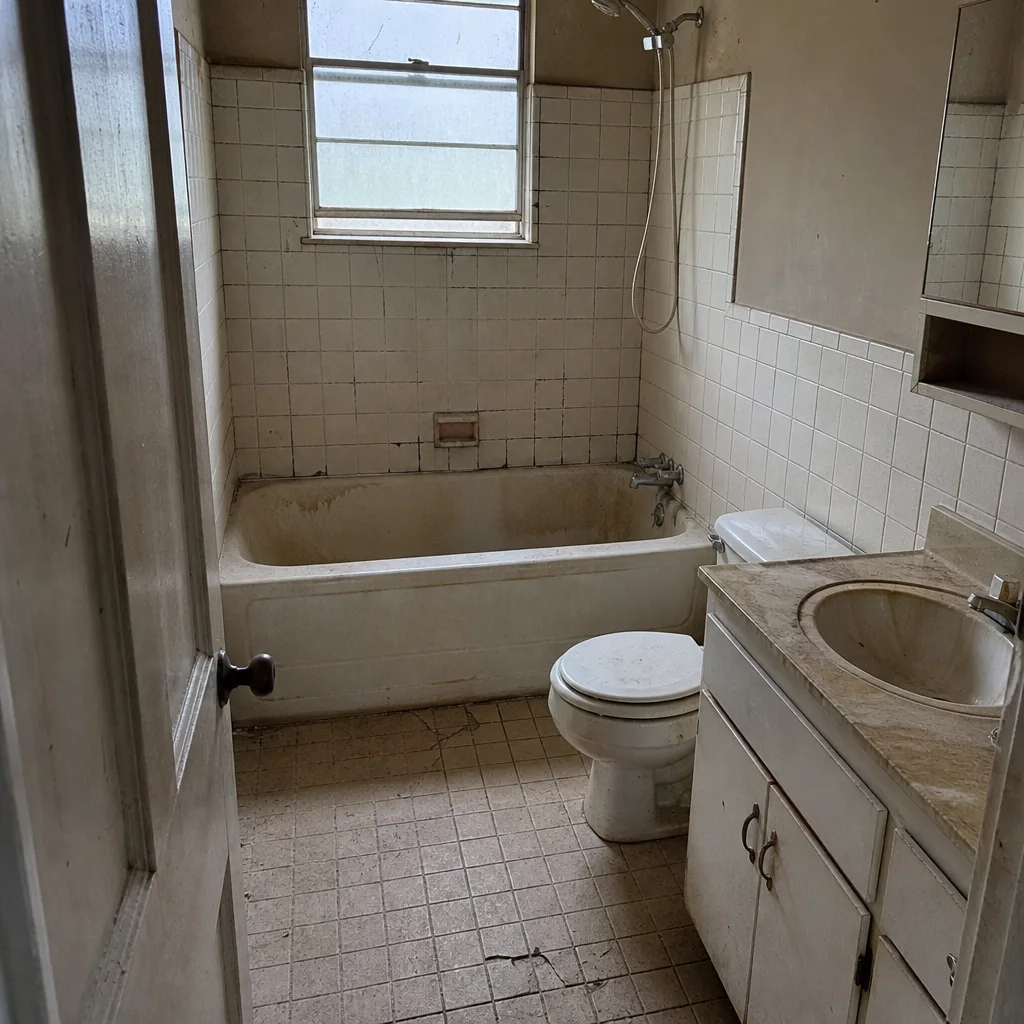 Before
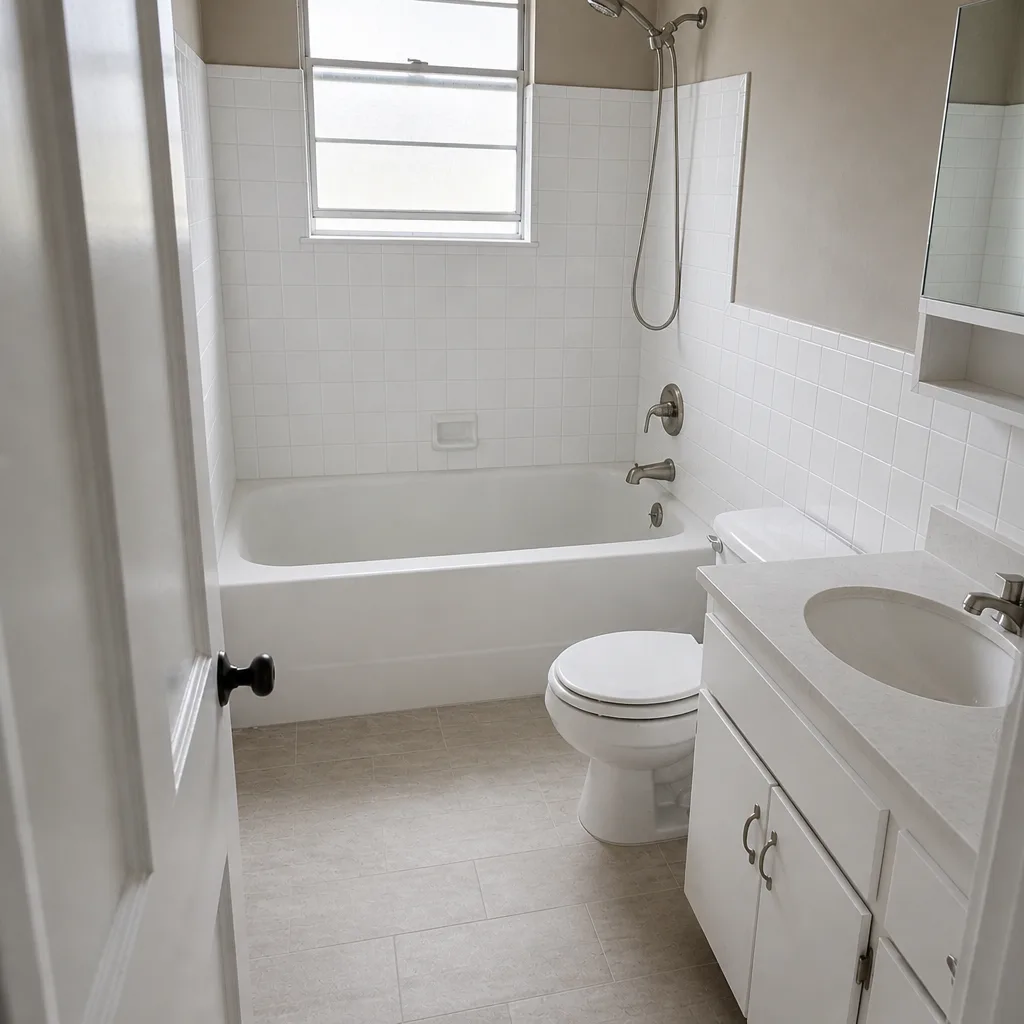 After
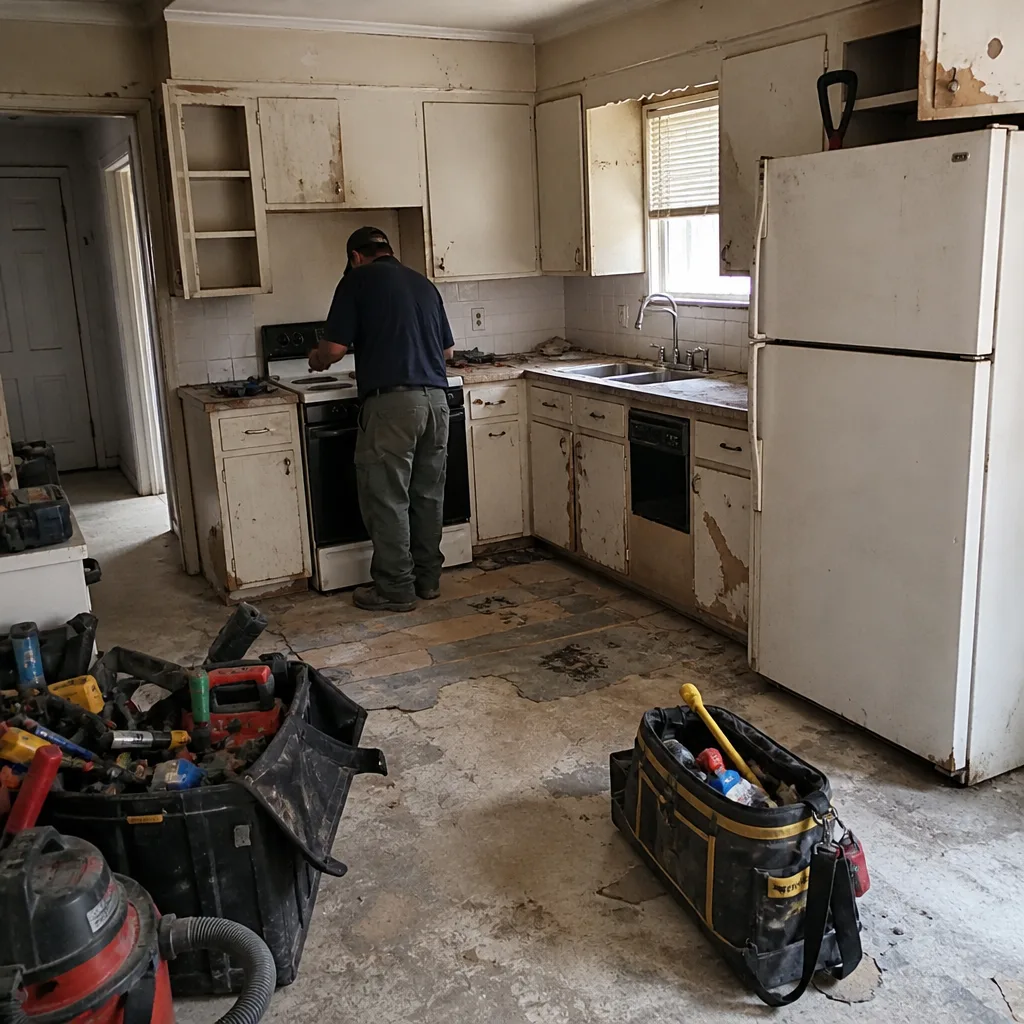 Before
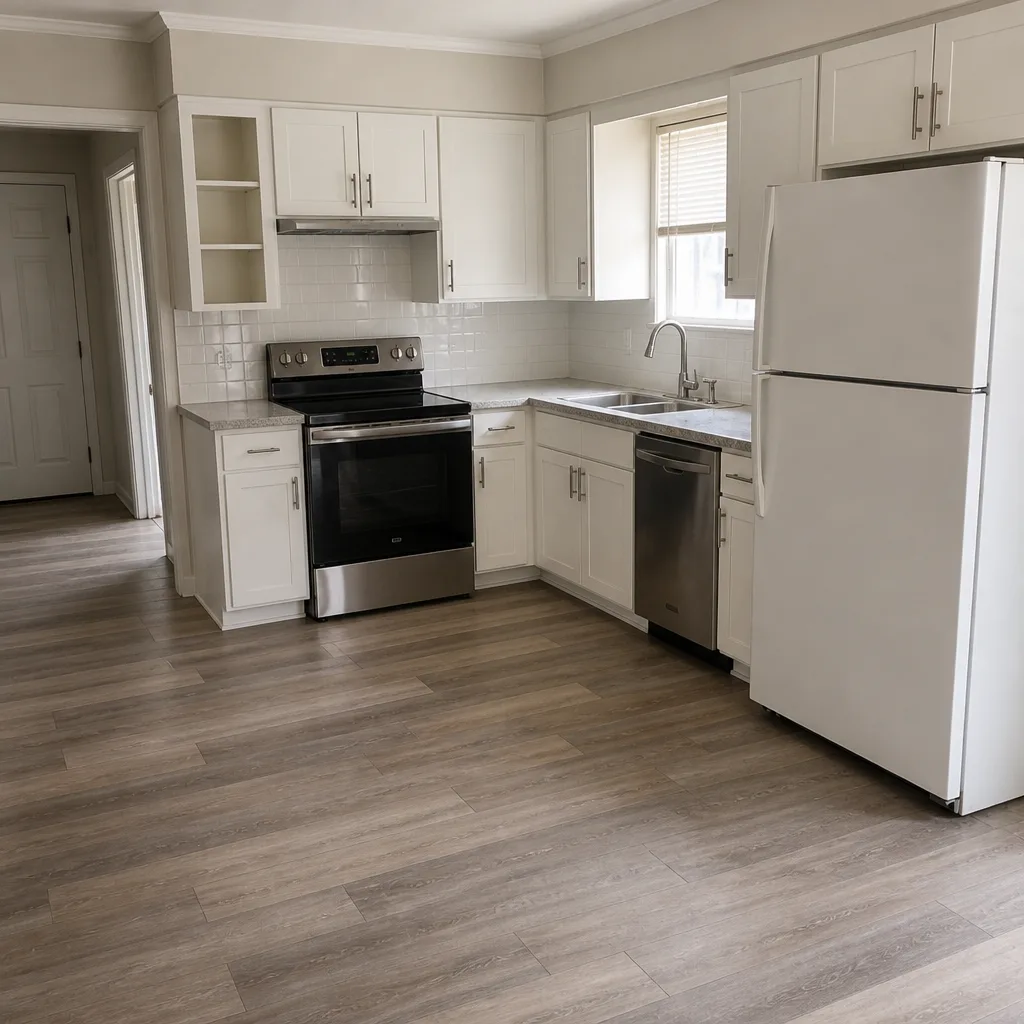 After
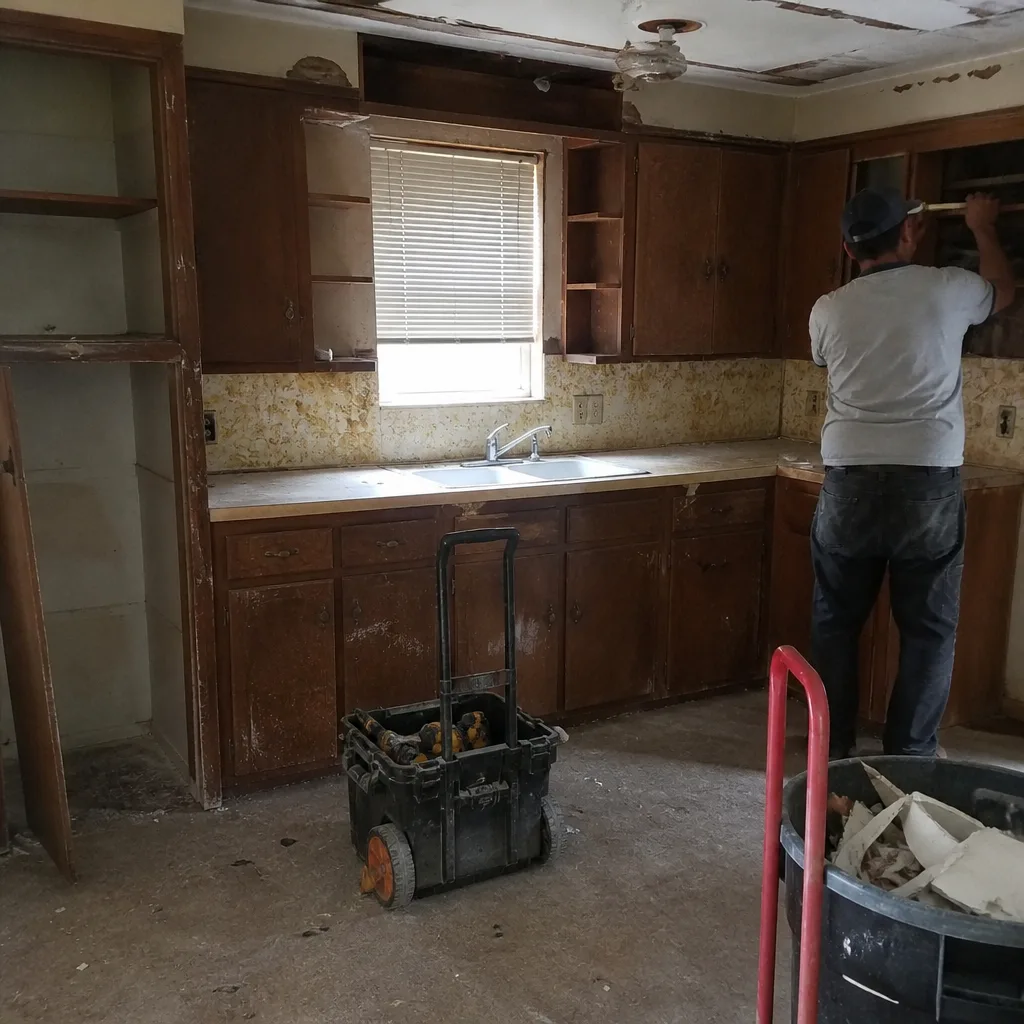 Before
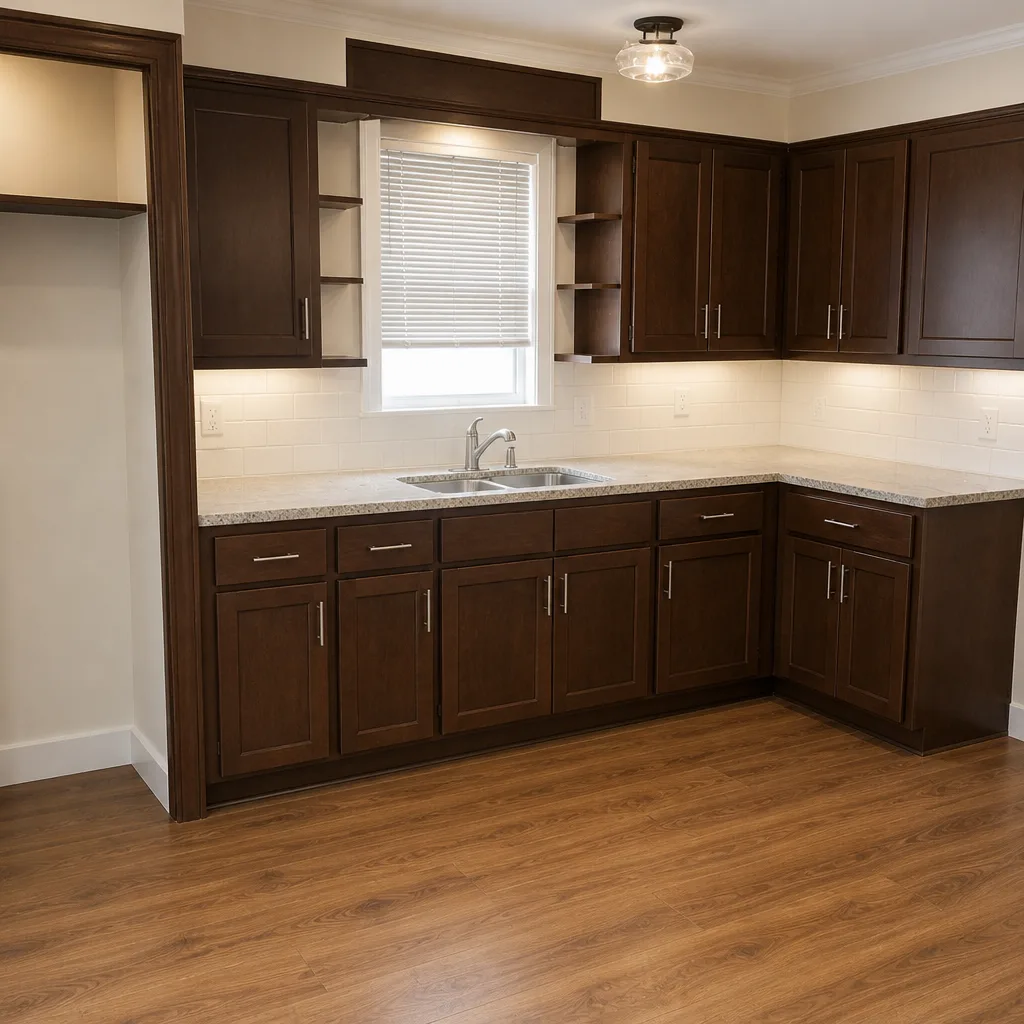 After
When to Call a Professional
Some fence work is genuinely a homeowner project. Small repairs, painting, and gate adjustments usually are. But there are cases where a professional saves you money on the back end:
Any fence with a corner lot or front-yard component needs a zoning review before the first hole is dug. Masonry fences and anything approaching the permit threshold need a contractor who knows how to pull documentation and pass inspection. Post holes in Blackland clay need equipment most homeowners don’t own and specs most fence guides don’t publish. Wind load requirements in high-exposure areas require post spacing, hole depth, and concrete volume that are written into the contract, not decided on site. And any fence near a property line, drainage swale, or HOA-controlled community involves documentation that protects the homeowner long after the crew leaves.
Rowan Construction Group Fort Worth offers free estimates in Fort Worth. Our technicians have up to 19 years of experience, crews are background-checked and uniformed, and every visit includes a documented photo record as a standard deliverable. Call (833) 570-6084 to schedule your free estimate.
Frequently Asked Questions
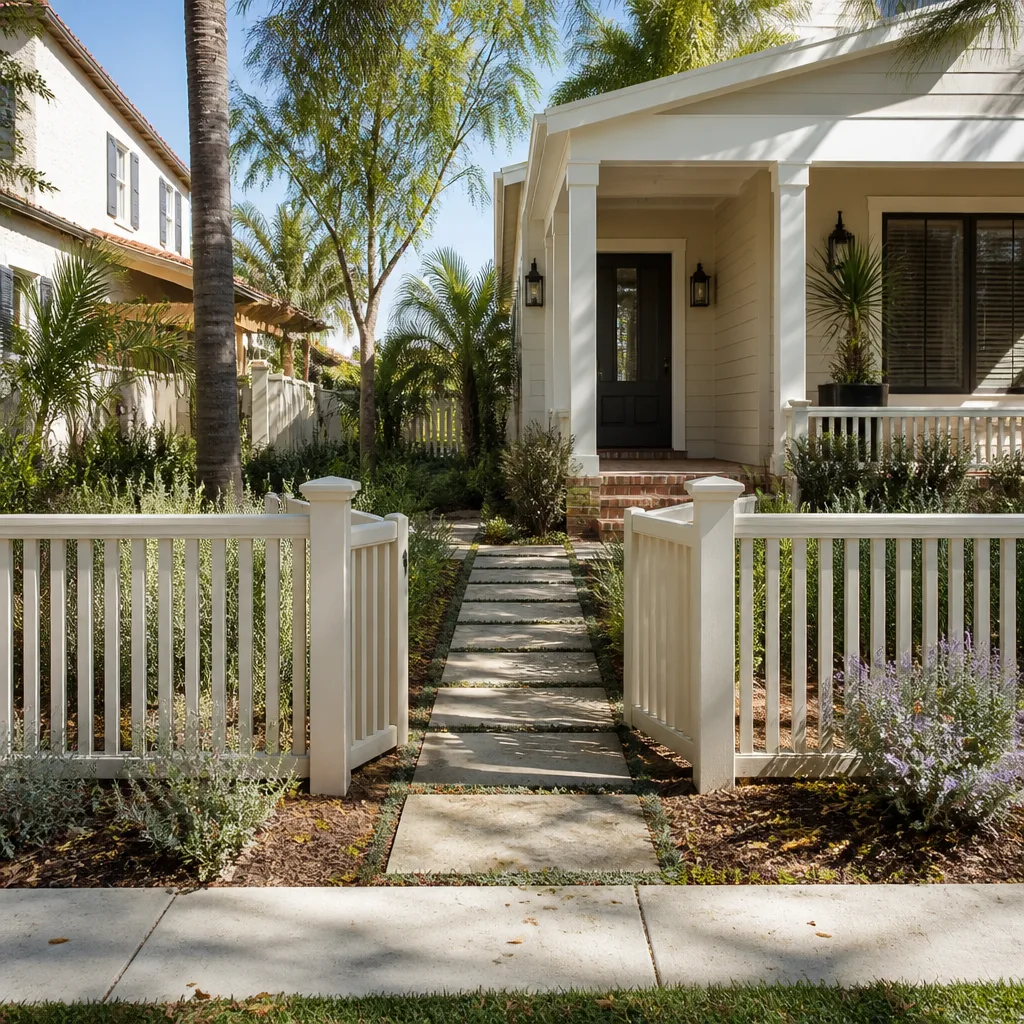
Fence installation in Fort Worth runs $18 to $40 per linear foot installed, depending on material. Cedar privacy runs $18 to $28 per linear foot, board-on-board cedar $22 to $32, aluminum ornamental $28 to $40, and chain link $14 to $20. A typical 150-foot residential fence in cedar privacy lands around $2,700 to $4,200 installed. Call (833) 570-6084 for an exact quote – estimates are free.
Most residential wood fences in Fort Worth do not require a building permit. Masonry fences, fences above certain heights, and fences in commercial or mixed-use zones usually do. Front yard height limits (typically 4 feet) and corner-lot sight triangle requirements apply regardless. Call (833) 570-6084 to schedule a free estimate and we’ll walk through which rules apply to your lot.
For a 6-foot fence in Fort Worth, posts should be set at least 42 inches deep, with a hole diameter at least three times the post width, and concrete poured wet to form a collar with a dome above grade. Dry-setting or over-shallow holes are the leading cause of fence failures in this soil. Call (833) 570-6084 for a written contract that specifies depth and concrete volume.
It shouldn’t. A written price with a written scope and a written warranty is the standard. At Rowan, no work proceeds on a change until the change order is signed, which is the discipline that has kept projects within a few percent of the agreed cost. Call (833) 570-6084 to get a flat written price before any work begins.
A typical 150- to 200-foot residential fence takes 3 to 5 working days in Fort Worth, including excavation through Blackland clay and concrete cure time before boards go on. HOA review can add 30 to 45 days on the front end in many master-planned communities. Call (833) 570-6084 to schedule your free estimate and get a written timeline.
Yes, if your Fort Worth home sits in a master-planned community or deed-restricted neighborhood. Most HOAs require a site plan, material spec sheet, elevation photo, and neighbor notification for shared fence lines. Approval typically takes a week for small HOAs and 30 to 45 days for larger associations. Call (833) 570-6084 and we’ll help you identify the documents your HOA will ask for.
The Bottom Line
A Fort Worth fence is three constraints wearing a picket: Blackland clay that moves with every wet-dry cycle, city and HOA rules that change by zoning district and neighborhood, and a 90 mph design wind that wants to push the whole thing over. Get the post engineering right – 42-inch depth, wider holes, wet concrete, dome above grade – and get the height, setback, and sight triangle rules verified before ordering material. Specify board grade, hardware galvanization, and post spacing in a written contract, not a handshake. Fort Worth’s market pricing for cedar privacy runs $18 to $28 per linear foot, and anything dramatically below that range is being paid for somewhere else. The written price, the written scope, the written warranty – those are what you can hold someone to. The verbal ones aren’t.
Written by the team at Rowan Construction Group Fort Worth.