Last updated November 18, 2026


Free written scope consultation - allowances, timeline, and change-order rules on paper before a single trade is scheduled
The Complete Guide to Construction in Fort Worth
Fort Worth issued more than 24,000 construction permits in a single recent fiscal year. Yet the complaint we hear most often from homeowners here isn’t about shoddy work. It’s about scope that grew without a signed paper trail: a “small add” to a kitchen that became a full gut, a fence line that wandered ten feet onto a neighbor’s lot, a final invoice that landed far from the number discussed at the kitchen table. This guide exists to close that gap. We’ll walk through how Fort Worth zoning shapes a project before a shovel moves, the trades a typical home touches, real day-by-day timelines, and the documents a finished Fort Worth job should hand you.
Quick Answer
Construction in Fort Worth runs on scope discipline, not luck. The projects that finish on budget are the ones where a written, itemized price and a written definition of “finished” exist before work starts, and where every change is signed before anyone picks up a tool. Everything else – permits, trades, timelines, material lead times – follows from getting that one step right first.
Styles & brands we work with
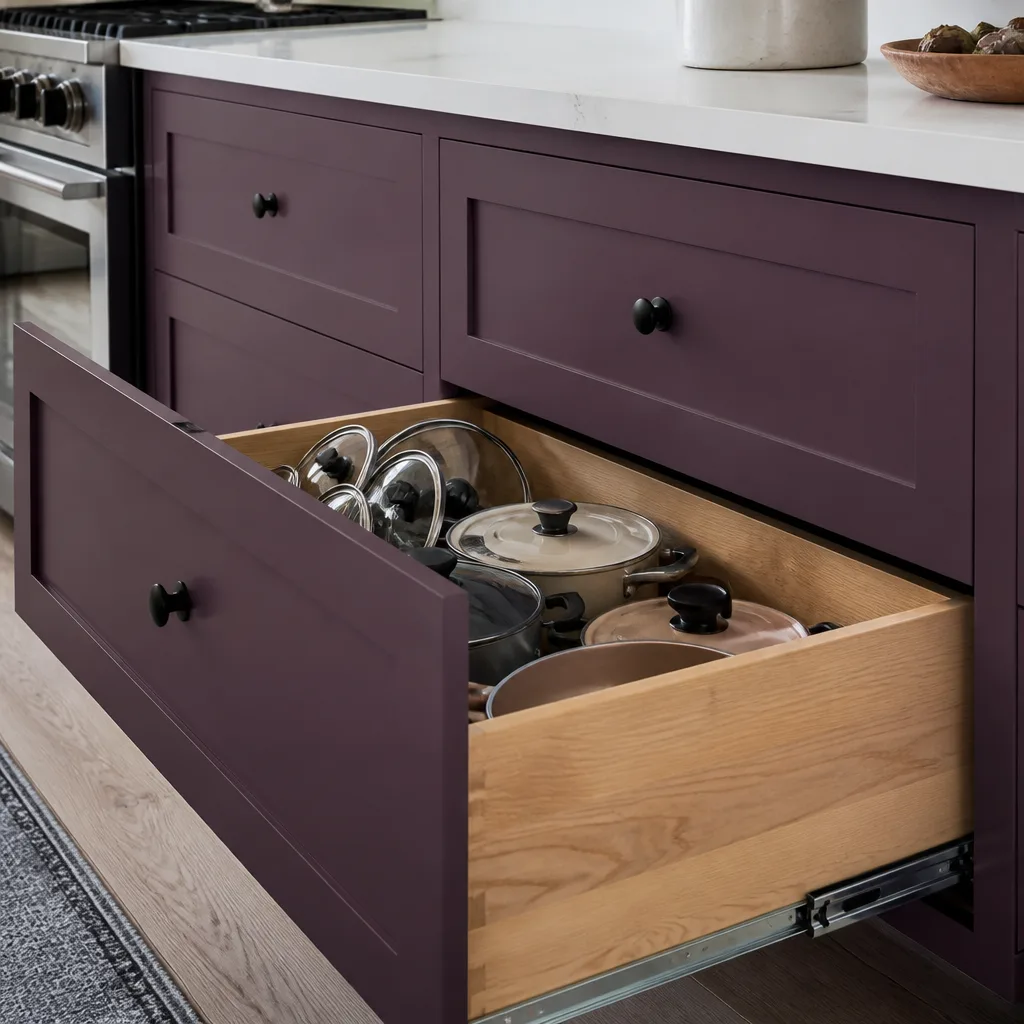
- Kitchen remodeling
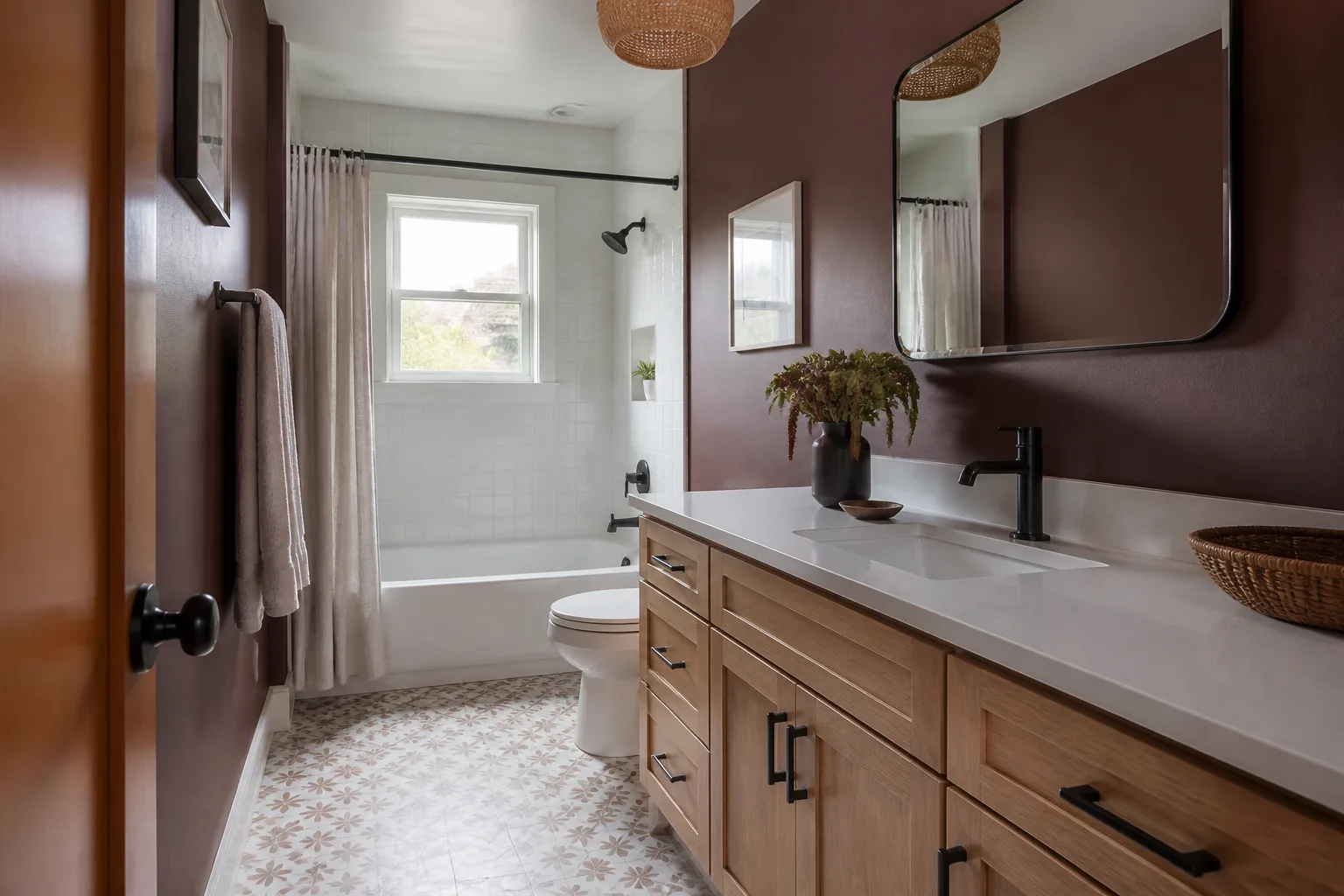
- Bathroom remodeling
- Home additions & ADU
- Roofing
- Windows & doors
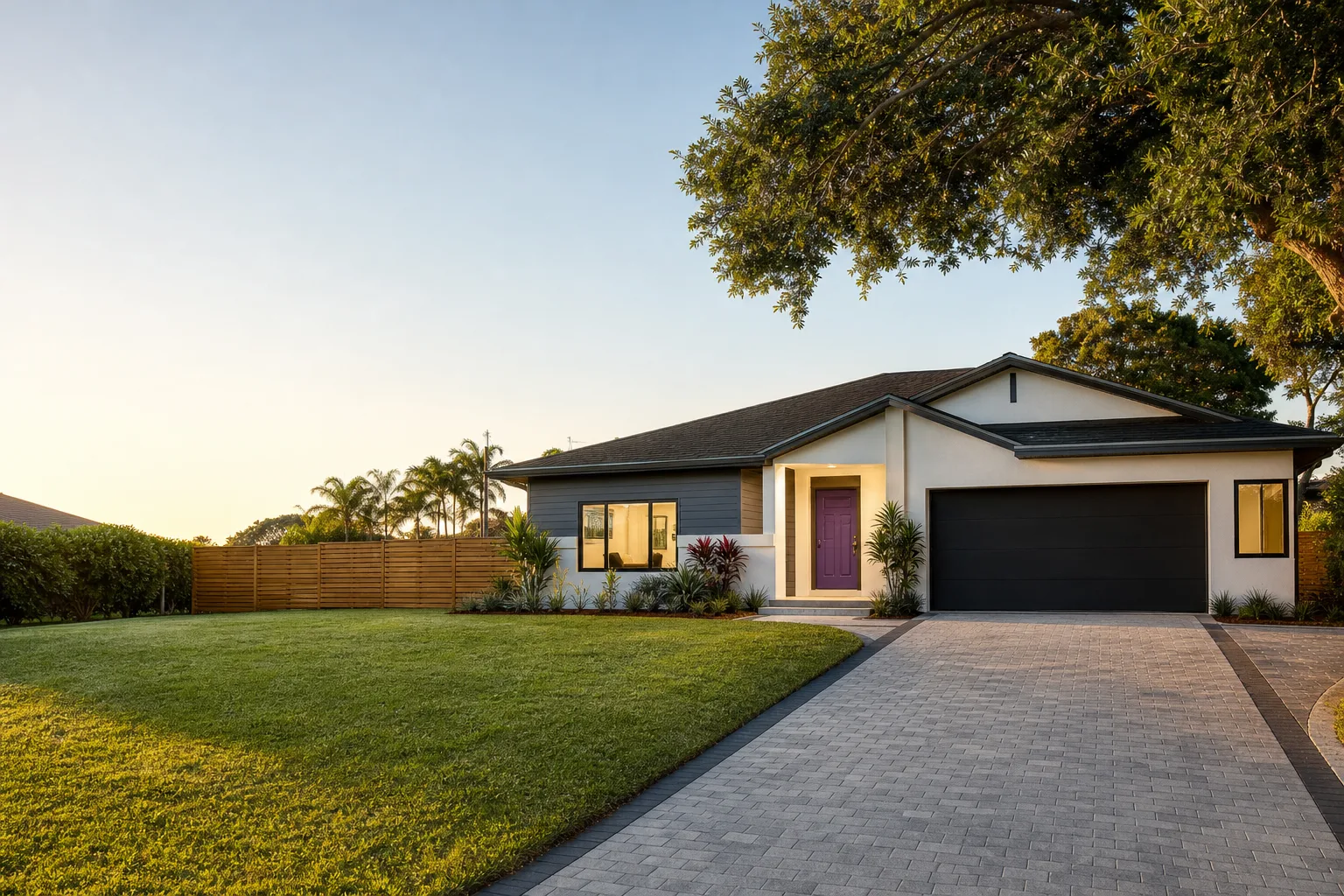
- Driveway & pavers
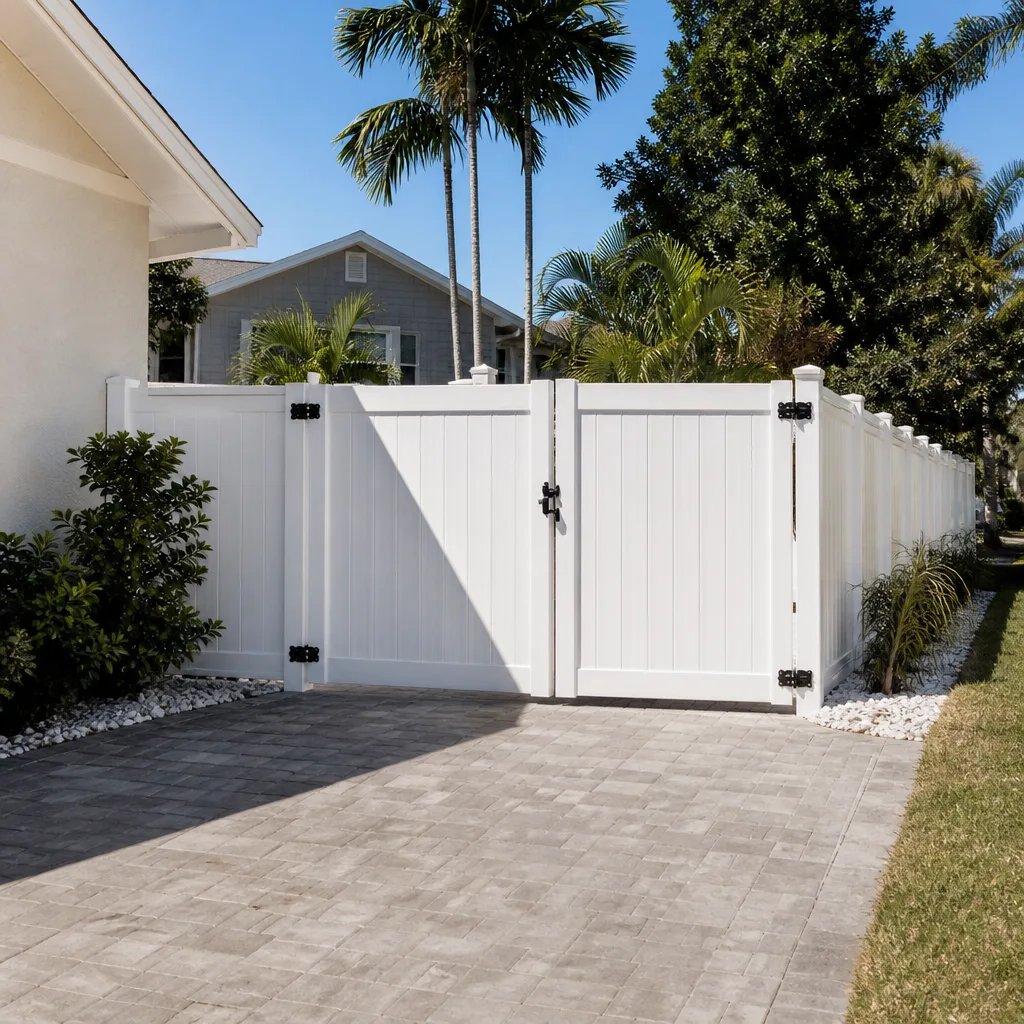
- Fence
Table of Contents
- How Fort Worth Zoning Shapes Scope Before You Build
- The Seven Trades a Fort Worth Project Touches
- What a Realistic Timeline Looks Like, Trade by Trade
- Permits and Inspections in Fort Worth
- The Documentation Stack Every Finished Job Should Produce
- North Texas Material Lead Times and How to Buffer Them
- Defining “Done” Before Work Starts
How Fort Worth Zoning Shapes Scope Before You Build
The single biggest scope mistake we see in Fort Worth happens before a contract is signed: homeowners plan a build without checking what their zoning district allows. Fort Worth zoning is not uniform citywide, and the district rules often decide what’s even possible. A lot in the Near Southside falls under form-based code that controls building placement and frontage, not just use. A property near TCU may sit in an overlay with height or setback limits tied to the campus edge. A lot in the Historic Southside can trigger design review before a single exterior change is approved.
Before you price anything, confirm four numbers for your address:
- Zoning district and any overlay – this sets use, setbacks, height, and lot coverage.
- Maximum lot coverage – the percentage of your lot that can be under roof, which caps an addition or ADU footprint.
- Setbacks – front, side, and rear distances a structure must keep from the property line.
- Historic or design-review status – added review steps and possible material requirements.
These constraints define scope in a way no contractor can negotiate around. If your lot coverage is already at the limit, a two-story addition may only be possible as a smaller single-story bump, or not at all. Getting this answered first is why we walk the property line and pull the zoning before quoting a number. It’s also the reason a well-run quote names the district it was priced against.
For projects that add square footage, our guide to Home Additions & ADU in Fort Worth covers how lot coverage and setbacks translate into a realistic footprint.
The Seven Trades a Fort Worth Project Touches
Texas law is specific about which trades require a licensed professional. Electrical work, plumbing, and HVAC – the “MEP” trades – each require a state license, and a general contractor can’t simply self-perform them without holding that license. That’s a boundary worth knowing, because it determines who is legally responsible for the work inside your walls. The seven trade categories most Fort Worth residential projects touch:
- Structural and framing – the load path: studs, beams, headers, and any wall being opened or added.
- Roofing – shingle or metal systems, decking, flashing, and underlayment.
- Electrical (licensed) – panels, circuits, fixtures, and any service upgrade an addition demands.
- Plumbing (licensed) – supply and drain lines, fixtures, and gas piping connections.
- HVAC (licensed) – ductwork, equipment sizing, and the load calculation an added room requires.
- Exterior flatwork and hardscape – driveways, pavers, walks, and retaining edges.
- Fencing and site work – perimeter fencing, gates, grading, and drainage.
Each one carries its own inspection cadence and its own documentation. A kitchen remodel might touch all seven at once; a fence replacement touches one. When a contractor quotes you a single lump number, ask which trades are included and who holds the license for each. Our Driveway & Pavers in Fort Worth work, for example, is priced and permitted separately from the structure – because concrete and clay soil here behave nothing alike.
What a Realistic Timeline Looks Like, Trade by Trade
Vague promises of “a few weeks” hide the real question: which task is on the critical path? Here are day ranges we plan around for a mid-size Fort Worth addition or major remodel, from permit issuance to final inspection:
- Site prep and demo: 2-5 days. Older Fort Worth homes can reveal surprises (cast iron drains, knob-and-tube wiring) that add a day.
- Foundation and slab: 5-10 days, including cure time. North Texas expansive clay makes foundation detailing non-negotiable.
- Framing: 5-12 days for an addition; a full second story runs longer.
- Roofing and dry-in: 2-4 days once framing passes inspection – critical before summer storms.
- Rough-in MEP (electrical, plumbing, HVAC): 5-9 days combined, ending with the rough-in inspection.
- Insulation and drywall: 6-10 days, including taping, mudding, and texture cure.
- Masonry and brick veneer: 4-8 days, weather permitting – mortar needs moderate temps.
- Finishes (cabinets, counters, tile, paint, trim): 15-30 days, driven by material delivery.
- Final inspections and punch list: 5-10 days.
The task most likely to throw a schedule off is not framing or masonry – it’s the lead time on finishes. That’s why we build a written buffer into the contract, not a verbal one, and why the number that matters is the one on paper before work starts.
Permits and Inspections in Fort Worth
Fort Worth requires a permit for most structural, electrical, plumbing, mechanical, and roofing work, and the permit comes with a defined inspection sequence. The value of the permit isn’t the paperwork – it’s the independent verification at each stage. A typical sequence for an addition looks like this:
- Permit application with sealed plans and a site plan showing setbacks.
- Foundation inspection before the pour.
- Framing inspection after the structure is up and before dry-in.
- Rough-in inspection for electrical, plumbing, and mechanical, before walls close.
- Insulation inspection before drywall.
- Final inspection covering the full scope, then a certificate of occupancy where required.
Each passed inspection gets a sign-off, and those sign-offs belong in your file. If a contractor offers to “handle the paperwork later” or suggests skipping a permit to save time, that’s a scope and liability problem wearing a friendly face. Under Clause 1 of our Haven Standard, the permit is pulled and the inspections are scheduled before a single crew day is booked – not after.
The Documentation Stack Every Finished Job Should Produce
A finished job is more than a clean site. It’s a paper and photo record you can hand to a buyer, an insurer, or a future contractor. This is the stack we deliver on a Fort Worth project, and the stack you should expect from anyone:
- Permit card and inspection sign-offs – proof each stage passed.
- Signed change orders – every scope change, dated and priced, with your signature before the work happened.
- Lien waivers from each subcontractor and supplier – proof no one can file a lien against your property for the work.
- As-built markups – drawings showing where lines and structure actually run, not where they were planned.
- A documented photo record of what was found and what was done, on every visit – a standard deliverable here, not an add-on.
- The written warranty – terms in writing, not an asterisk.
When a job finishes within a few percent of the agreed price, it’s usually because this stack existed from day one. The lien waivers and signed changes are the paper trail that keeps scope from expanding quietly.
North Texas Material Lead Times and How to Buffer Them
North Texas doesn’t buy material on the national schedule. Cabinetry and specialty doors often ship from regional distribution points that run on their own timeline, and the busy spring-and-summer building season tightens everything. Local framing crews feel it when lumber yards run short; homeowners feel it when a cabinet order slips three weeks and the whole finish sequence stalls.
We account for this in two ways. First, we name the brands in the written quote – KraftMaid and Wellborn cabinets, Cambria and Caesarstone countertops, GAF and Owens Corning roofing, Sakrete for structural concrete mixes, Kohler and Toto fixtures – so the lead time is tied to a known product, not a vague category. Second, we build a realistic buffer into the contract schedule rather than promising date-certain finishes the supply chain can’t guarantee.
If your project uses a manufactured or panelized system, lead times work differently again. Dvele and Cover both build wall and roof panels off-site, which can shorten the on-site framing window while lengthening the front-end design phase. It’s a different trade-off, and worth knowing before you pick a construction method.
Defining “Done” Before Work Starts
Here’s the thesis of this whole guide: most Fort Worth construction disputes are scope disputes, not craft disputes. Two people looked at the same half-finished room and had two different pictures of “finished.” The fix is procedural, not emotional.
Before work starts, get these on paper:
- A written scope listing every room, surface, and trade included – and explicitly listing what’s excluded.
- A flat written price tied to that scope, with a line-item breakdown so you can compare bids honestly.
- A definition of “substantial completion” – what the room looks like when the crew leaves for the last time.
- The change-order rule stated in the contract: no work on a change until the change order is signed.
- A punch-list process and a written warranty with real terms.
That’s the discipline that has kept our projects within a few percent of the agreed cost across 4,000-plus jobs under The Haven Standard. It’s not glamorous. But a written price delivered before any work starts, every time, on every trade from Fence Installation in Fort Worth to a full addition, is what turns a build from a negotiation into a plan.
Common Mistakes to Avoid
- Quoting before checking zoning. Pricing an addition against a lot that’s already at its coverage limit wastes everyone’s time – confirm district and setbacks first.
- Accepting a verbal price. A number said at the kitchen table isn’t a number. Get it in writing with a line-item scope before anything is ordered.
- Letting a “small change” happen without a signature. This is how budgets drift. Every change needs a signed change order, even the ones that feel minor.
- Skipping the lien waivers. Without them, a subcontractor you never hired can file a lien against your property. Collect them at close-out.
- Ignoring North Texas soil and storm cycles. Expansive clay and hail season aren’t surprises here – they should show up in the foundation and roofing detail, not get discovered later.
- Assuming all trades are handled by the same license. Electrical, plumbing, and HVAC each need a licensed professional under Texas law.
- Treating “weeks” as a schedule. Demand day ranges by phase, so you can see which task is holding up the rest.
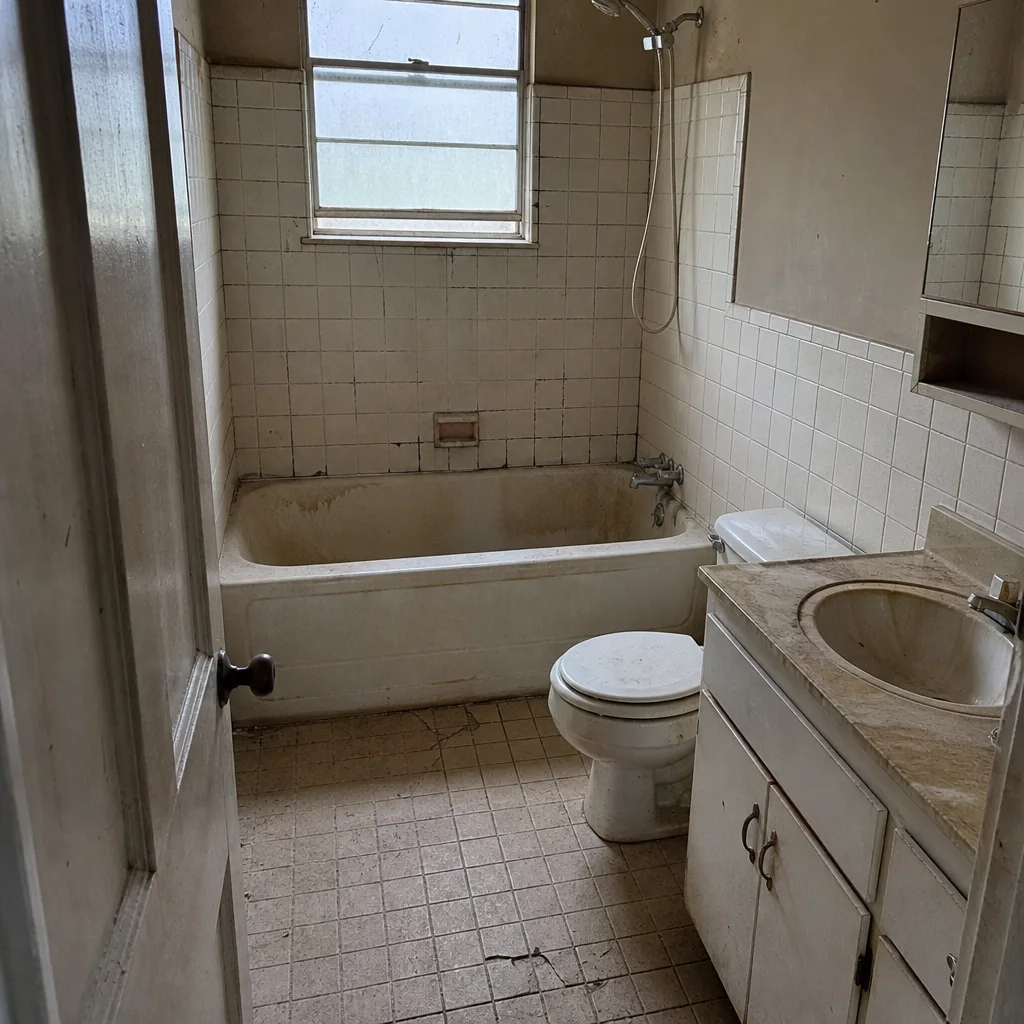
See the difference
 Before
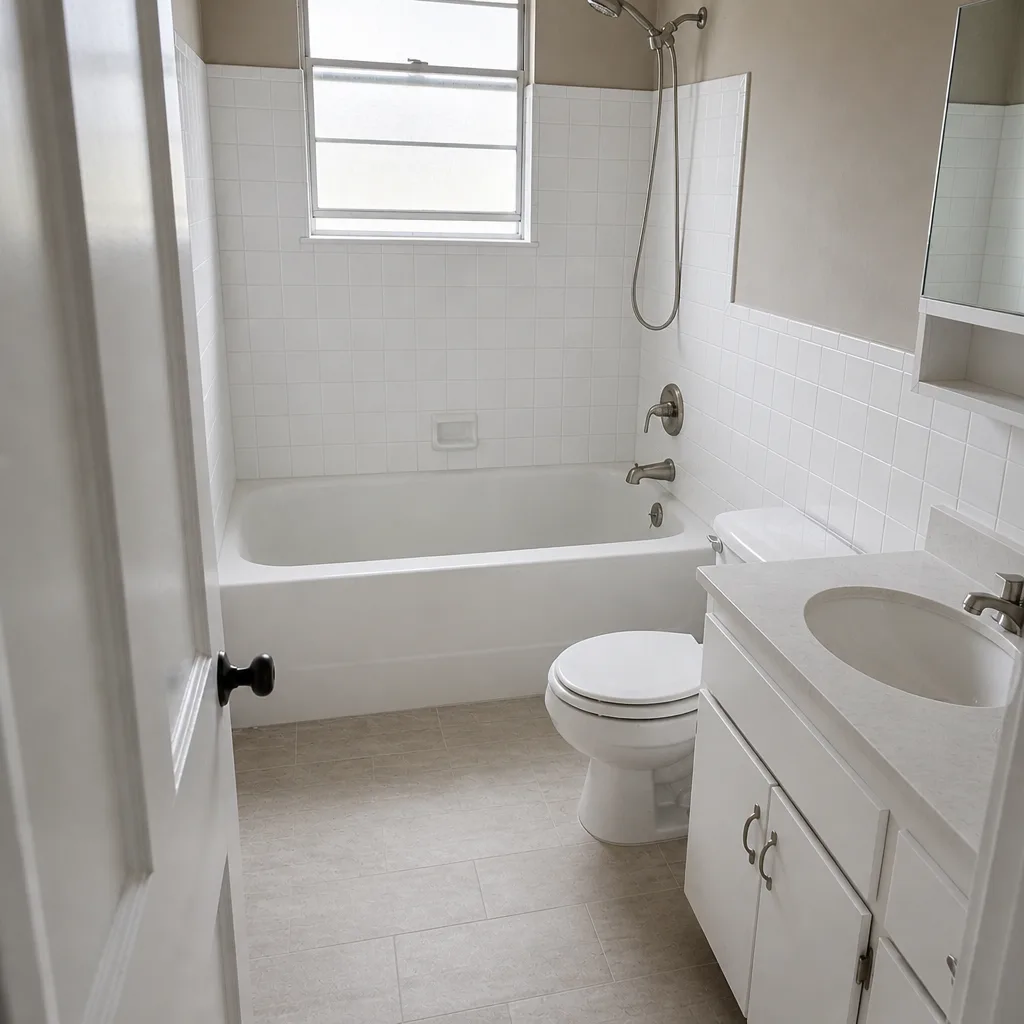 After
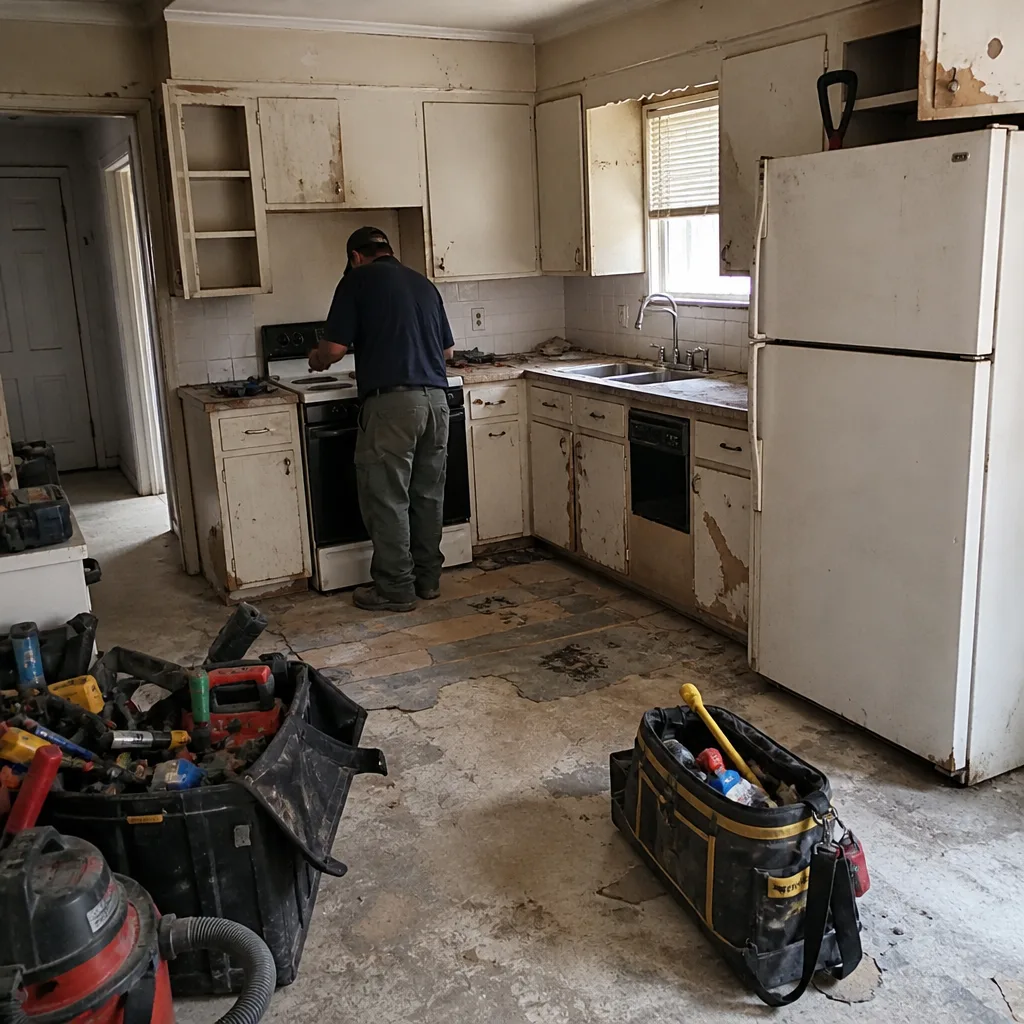 Before
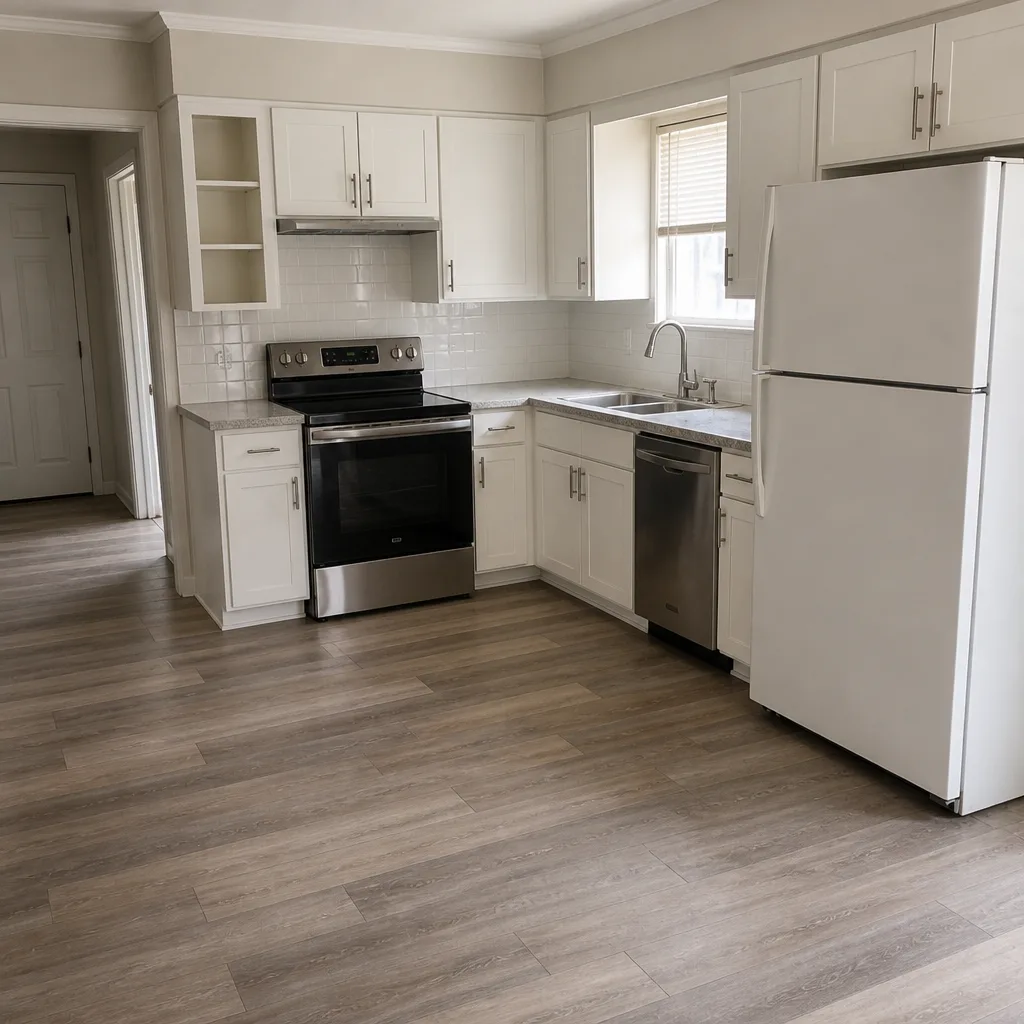 After
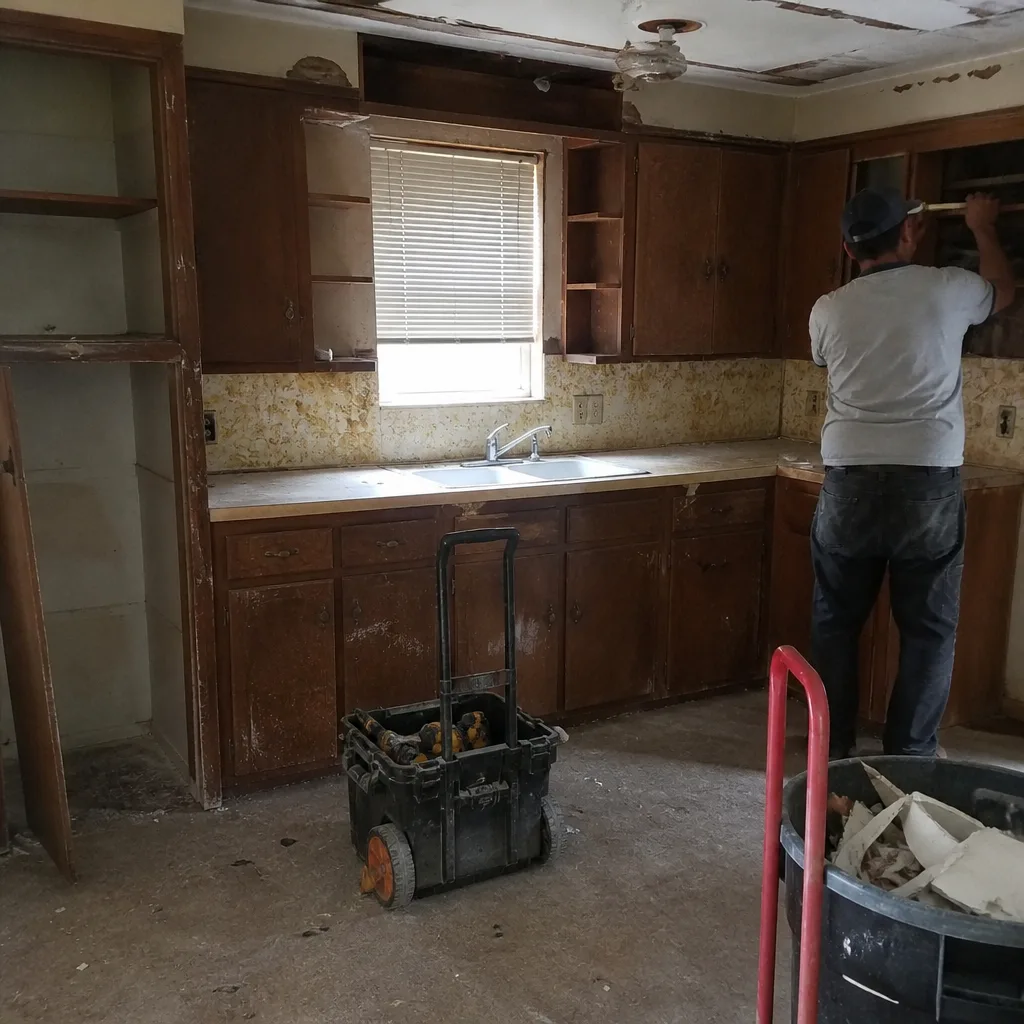 Before
 After
When to Call a Professional
Some work genuinely needs a trained, licensed professional, and it’s worth saying plainly which. Any electrical panel or wiring work, any gas line connection, any structural change to a load-bearing wall, and any roofing at height belongs in professional hands – the injury and fire risks are real, and a mistake can void insurance coverage. Beyond safety, call a pro when your project crosses a permit threshold, when zoning or historic review applies, or when you’re adding square footage and need the foundation, framing, and MEP trades coordinated under one written plan. Rowan Construction Group Fort Worth offers free estimates in Fort Worth – call (833) 570-6084 to schedule yours.
Frequently Asked Questions

A major kitchen remodel in Fort Worth typically runs from the mid-five figures into six figures depending on finishes and whether walls move, while a home addition prices by square footage and complexity. The only reliable number is the written, line-item quote tied to a defined scope – which is exactly what we deliver before work starts. Call (833) 570-6084 for a free estimate.
It shouldn’t, if the scope was defined properly and the change-order rule is in the contract. Any legitimate change gets priced and signed before the work happens, so you always know the cost before you approve it. That discipline is why our projects finish within a few percent of the agreed price.
Yes. Permits and the associated inspections are pulled and scheduled before work is booked, and you receive the sign-offs at close-out. Skipping a permit to save time is a liability problem, not a shortcut.
Plan on roughly three to five months from permit issuance for a mid-size addition, with framing and finish lead times driving most of the range. We give day ranges by phase in the written schedule so you can track progress, not guess at it.
Electrical, plumbing, and HVAC work each require a state-licensed professional; structural, roofing, and flatwork have their own requirements and inspection cadence. Ask who holds the license for each trade named in your quote – it’s a fair question with a clear answer.
Cabinetry, specialty doors, and fixtures can run longer here than national averages because of regional distribution and the busy building season. We name the brands in the written quote and build a realistic buffer into the contract schedule rather than promising dates the supply chain can’t guarantee.
The Bottom Line
Fort Worth construction rewards planning and punishes ambiguity. Get the zoning right before you price, know which trades need a licensed professional, expect day ranges not vague weeks, and demand the full documentation stack – permit sign-offs, signed change orders, lien waivers, as-builts, photos, and a written warranty. Define “done” in writing before anyone picks up a tool, and the project finishes where you agreed it would. That’s the whole method, and it’s why a written price before work starts matters more than any promise made along the way.
Ready to put a number on paper? Call (833) 570-6084 for a free estimate from Rowan Construction Group Fort Worth – and if you already have a quote in hand, we’ll review it line by line at no charge. Start with the Rowan Construction Group Fort Worth home page to see all seven trades we cover.
Written by the team at Rowan Construction Group Fort Worth.