Last updated November 18, 2026
Free written scope consultation - allowances, timeline, and change-order rules on paper before a single trade is scheduled
Construction Cost Breakdown: The Fort Worth Homeowner’s Reference for 2026
The national average cost-per-square-foot figure cited in most construction guides is built from a dataset that includes rural Mississippi and Manhattan. The Fort Worth residential market sits in its own cost band, and in 2025 that band widened by roughly 11 percent for framing labor alone. Meanwhile, most online calculators still quote a single blended number with no split between material and labor, no permit line, and no allowance math. This guide separates those lines by trade, shows what Fort Worth Development Services actually charges on a $150,000 project, and names the five line items dropped from low bids that quietly bring the real cost back up.
Quick Answer
Residential construction in Fort Worth in 2026 runs roughly $150 to $400 per square foot depending on trade scope, with structural framing at $18 to $32 per square foot, concrete flatwork at $8 to $14, and roofing at $6 to $11 installed. Permit fees in Fort Worth are calculated on declared project valuation, so a $150,000 remodel typically carries $1,400 to $2,200 in permit and inspection fees. The biggest gap between the lowest bid and the eventual invoice is almost always missing line items, not labor rate.
Styles & brands we work with
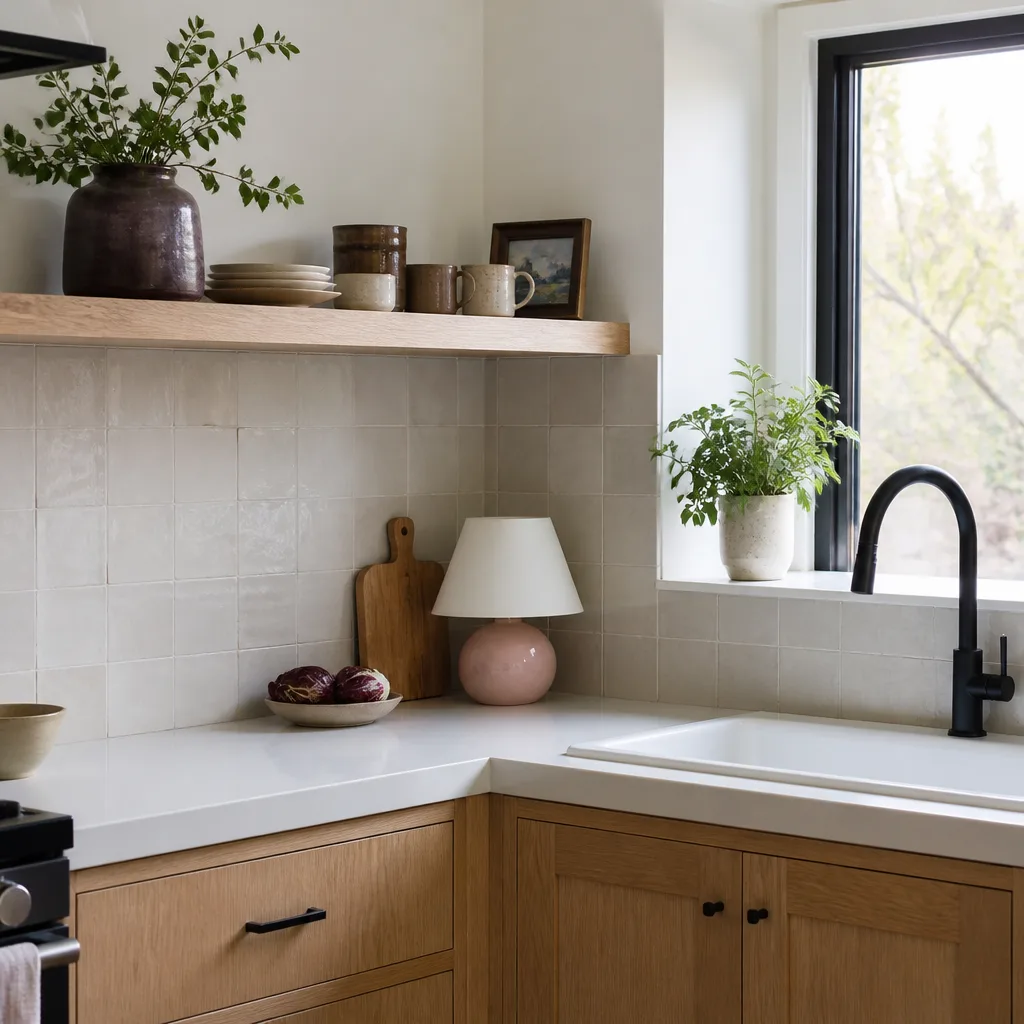
- Kitchen remodeling
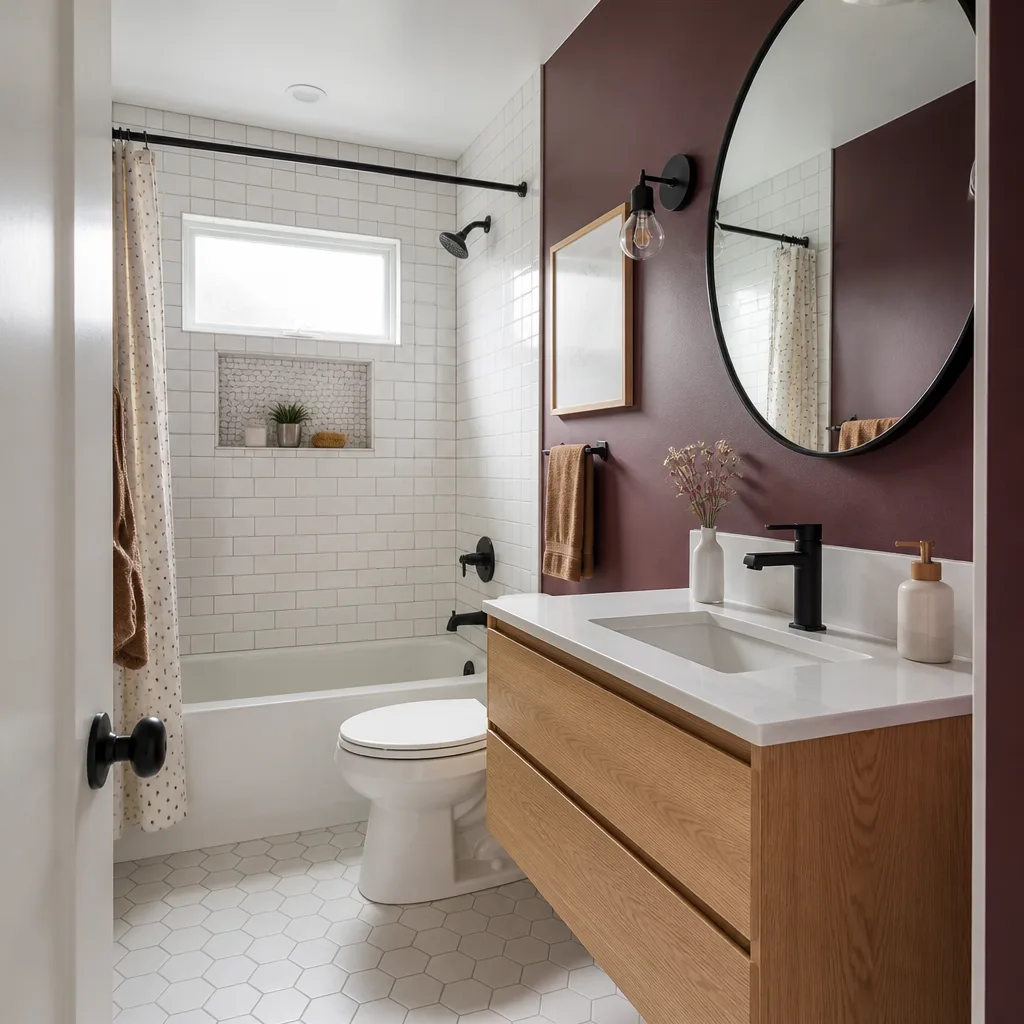
- Bathroom remodeling
- Home additions & ADU
- Roofing
- Windows & doors
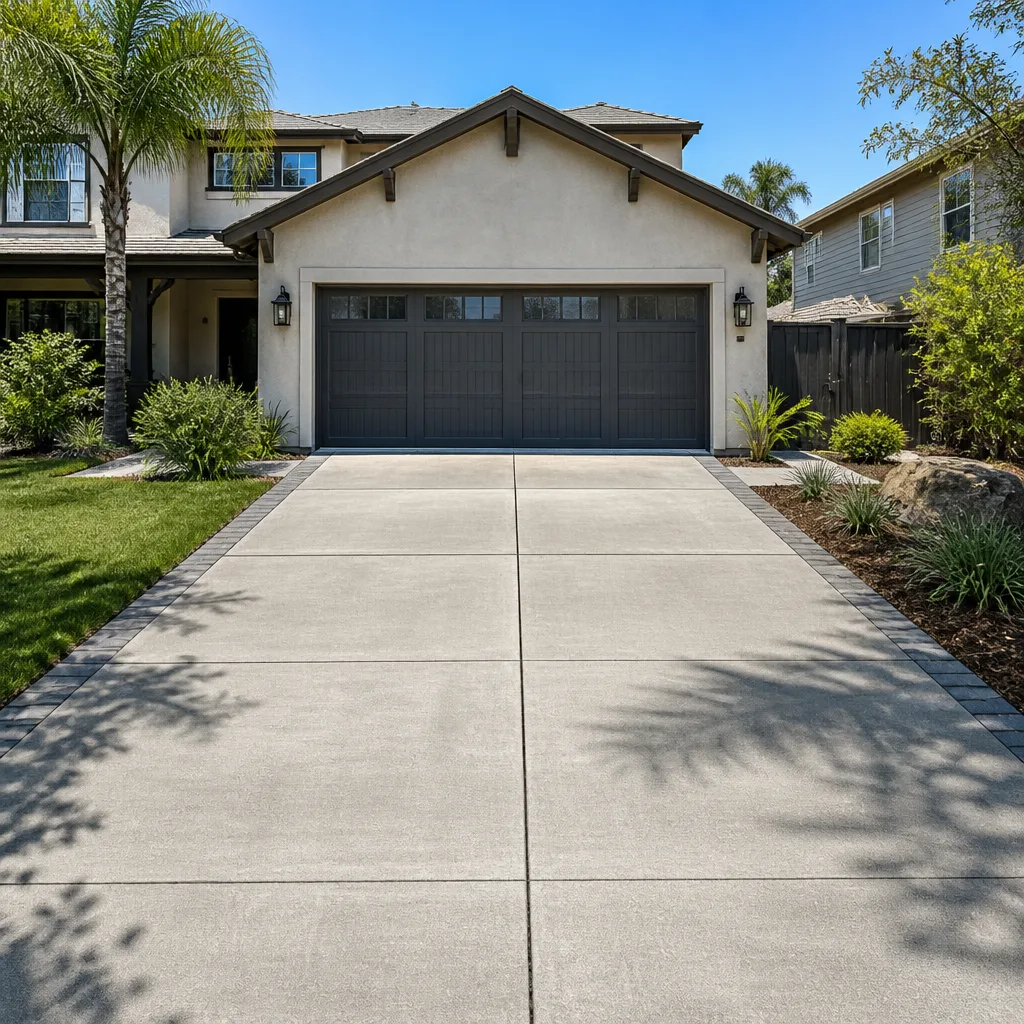
- Driveway & pavers
- Fence
Table of Contents
- Why National Cost Calculators Miss Fort Worth
- Per-Square-Foot Cost Ranges by Trade
- Material and Labor Split, Shown Separately
- Fort Worth Permit Fees: How They’re Calculated
- Contractor Markup, Overhead, and Profit
- Material Allowances: How to Read the Line
- The Five Line Items Missing From Low Bids
- How to Compare Two Bids in Fort Worth
Why National Cost Calculators Miss Fort Worth
Three pressures are shaping Fort Worth construction costs in 2026, and none of them show up in a national average. The first is labor. North Texas has absorbed a decade of population growth without a matching increase in licensed tradespeople. Framing crews, electricians, and HVAC installers are all bidding against a build calendar that keeps expanding. That tightening alone drove about an 11 percent jump in framing labor between 2024 and 2025, and the number has held into 2026.
The second pressure is regional distribution. Material pricing in Fort Worth is anchored by the regional supply houses that serve the DFW metroplex, and those prices carry surcharges for delivery distance and for products that ship from outside Texas. A cabinet line priced from a local KraftMaid dealer reads differently than the same line priced from a national catalog.
The third is permitting. Fort Worth Development Services revised its fee schedule in 2024, and the new schedule calculates fees on project valuation with a tiered structure. Projects that used to slip under a simpler fee formula now carry real money in the permit line, and builders who haven’t updated their estimating sheets are the ones whose bids come in low and then climb.
If you’re planning a project and want a written number rather than a range, the best starting point is a free estimate from a contractor who quotes flat, written prices. You can request one from the Rowan Construction Group Fort Worth home page.
Per-Square-Foot Cost Ranges by Trade
These ranges reflect the Fort Worth market in 2026 for residential work, quoted as installed cost. They are not national averages and should not be cross-checked against a calculator built from a different dataset. Use them to sanity-check a bid, not to build one.
- Framing: $18 to $32 per square foot of floor area. Includes lumber, sheathing, hardware, and labor. Engineered lumber and TJI joists push toward the top of the range.
- Masonry: $22 to $48 per square foot of wall face. Brick veneer sits at the low end; full stone and cast stone detailing sit at the high end.
- Concrete flatwork: $8 to $14 per square foot. Driveways, patios, and walkways. Stamped or colored finishes add $4 to $9 per square foot.
- Roofing: $6 to $11 per square foot installed for architectural asphalt shingles. Standing seam metal runs $14 to $22. Tile is priced separately by underlayment and batten.
- Electrical: $90 to $160 per device or fixture rough-in, plus panel work at $1,800 to $3,400 for a service upgrade.
- Plumbing: $350 to $700 per fixture rough-in, plus $1,200 to $2,600 for a full repipe depending on square footage.
- HVAC: $6,000 to $12,500 for a full system replacement in a typical Fort Worth home. Ductwork runs $3 to $7 per linear foot.
Neighborhood matters less than lot and age in Fort Worth. A 1950s ranch in Ryan Place and a 2018 build in Walsh carry different framing costs because the older home has surprises behind the drywall. We’ve seen a 900-square-foot kitchen remodel in Ryan Place run 20 percent higher than the same scope in Aledo, purely on what the demo revealed.
Material and Labor Split, Shown Separately
Most bids quote a single number for a scope of work. That’s fine, but it hides where the money actually goes. In Fort Worth in 2026, a typical rough-framing package splits roughly 55 percent material to 45 percent labor. Roofing splits closer to 60 percent material to 40 percent labor. Electrical and plumbing run the other direction, roughly 30 percent material to 70 percent labor, because the trade is skilled and the parts are cheap.
Why does this matter? Because when a bid comes in unusually low, the split tells you where the contractor cut. A framing bid at impossible material pricing usually means a substitution to a lower grade lumber or an assumption that the homeowner will supply materials. A roofing bid that trims 30 percent off labor usually means the crew size is too small to finish on schedule or the underlayment line has been dropped. Ask for the split. A serious bidder will show it, and a fixed-price quote with the split visible is one of the clearest signals of a contractor who knows their own numbers.
If you’re evaluating quotes on windows and doors or on a roofing project, we recommend asking directly: “Show me the material and labor split on this line.” A contractor who can’t answer that in writing hasn’t done the takeoff.
Fort Worth Permit Fees: How They’re Calculated
Fort Worth Development Services calculates permit fees on the declared project valuation using a tiered schedule. The schedule was revised in 2024, and it’s worth understanding because the permit line is the first place a low bid usually reveals itself.
Here’s how a $150,000 project breaks down:
- Plan review fee: roughly 30 to 40 percent of the total permit fee, calculated on valuation. On a $150,000 project, expect $400 to $650.
- Building permit fee: the primary fee, tiered by valuation. On $150,000, expect $950 to $1,400.
- Trade permits: electrical, plumbing, and mechanical. Each carries its own valuation-based fee, typically $80 to $180 each.
- Inspection fees: included in most residential permits, but separate reinspection fees apply if a trade fails and requires a return visit. Budget $75 to $120 per reinspection.
Add those up and a $150,000 Fort Worth project carries roughly $1,400 to $2,200 in permit and inspection fees. That’s not trivial. It’s also invisible in most bids that skip the permit line entirely, which is why the next section exists.
Contractor Markup, Overhead, and Profit
Contractor markup in Fort Worth breaks into two structures: cost-plus and fixed-price. Cost-plus means the contractor bills you actual cost plus a stated percentage. Fixed-price means the number in the contract is the number you pay, and the contractor absorbs any overrun. Cost-plus typically carries 10 to 15 percent markup on material and labor plus a management fee of 5 to 10 percent. Fixed-price bakes the same overhead and profit into the project total, which lands around 15 to 20 percent of the raw cost.
Both structures are legitimate. What matters is that you know which one you’re signing. A cost-plus bid with a 10 percent markup on a $150,000 project adds $15,000 plus the management fee, and if the project runs over, you pay markup on the overrun too. A fixed-price bid with the same 15 to 20 percent baked in protects you from that risk but caps the contractor’s flexibility if the scope changes.
This is where the change-order discipline matters. Under Clause 1 of The Haven Standard, the price is written before anyone starts, and no work proceeds on a change until the change order is signed. That’s the reason projects with that discipline finish within a few percent of the number the customer agreed to. It’s also the difference between a contract that protects both sides and one that protects only the contractor.
If you have a competitor’s bid in hand and want to know whether the markup is reasonable for Fort Worth, Rowan’s free second opinion reviews any written estimate line by line, at no charge.
Material Allowances: How to Read the Line
An allowance in a bid is a placeholder for a material choice not yet made. The contractor writes, say, “$4,500 allowance for tile,” and that becomes part of the contract price. When the homeowner walks into the tile supplier and picks something at $8,500, the difference becomes a change order.
Allowances are common and legitimate for kitchen remodels, bathroom remodels, and additions where finish selections happen after the contract is signed. The problem is that a low bid will often use an unrealistically low allowance to make the total look smaller, then rely on selection overage to bring the real cost up. The math is straightforward: if the allowance for cabinets is $12,000 but the Fort Worth KraftMaid or Wellborn line you actually want prices at $22,000, the bid is $10,000 light before the crew has arrived.
Fort Worth suppliers whose shelf pricing should anchor your allowance expectations:
- Cabinets: KraftMaid and Wellborn pricing at local dealers runs roughly $180 to $420 per linear foot installed, depending on door style and finish.
- Countertops: Cambria and Caesarstone quartz runs $65 to $125 per square foot fabricated and installed.
- Hardscape: Belgard and Techo-Bloc pavers run $12 to $22 per square foot installed. Unilock and Tremron sit in the same band. Concrete scoring and staining is priced separately.
- Plumbing fixtures: Kohler and Toto fixtures price at $400 to $1,800 per fixture installed depending on model.
Ask for the allowance to be sized to the actual product line you intend to buy. If the contractor won’t adjust the allowance, ask for the line to be listed as a homeowner-supplied item.
The Five Line Items Missing From Low Bids
When a Fort Worth bid comes in dramatically under the others, it’s almost never because the contractor is cheaper. It’s because the bid dropped lines and will add them back as change orders. These five are the most common omissions:
- Permit fees. Often left out or marked “TBD.” A bid without a permit line is a bid that hasn’t priced the permit. On a $150,000 project that’s $1,400 to $2,200 you’ll pay later.
- Dumpster and haul-off. Demolition debris, packaging, and job-site waste all need removal. Expect $450 to $900 for a 20-yard dumpster plus haul. A bid that “assumes owner will arrange disposal” has shifted real money to you.
- Temporary utilities. If utilities will be off during the project, temporary power and water can run $300 to $700 for the duration. Larger remodels and additions often need it.
- Final grading and cleanup. The site goes back together after the work is done, and grading, seeding, and cleanup carry real labor. A bid that stops at “rough cleanup included” will hand you the fine grade and re-seed separately.
- Punch-list labor. The final walkthrough items – touch-up, hardware adjustments, paint corrections – are labor, and a serious bid prices them into the total. A bid that says “one final walk-through” without a budgeted line is a bid that will run short at the end.
All five are standard in a complete bid. When they’re absent, they’re not free. They’re deferred.
How to Compare Two Bids in Fort Worth
Two bids on the same scope of work will never line up line for line. That’s normal. What you want is a method for reading both against a common structure. Here’s what we recommend for any Fort Worth homeowner comparing quotes:
- Match scope first, price second. Put the two scopes side by side and confirm both describe the same work. A bid $20,000 lower on a different scope is not a lower bid.
- Confirm the price is fixed. A flat price with a written scope and a written warranty is the baseline. Cost-plus bids are legitimate, but you need to know which one you’re comparing.
- Check the permit line. If a bid skips permits, ask who pulls them. A contractor who doesn’t pull permits is either working outside code or planning to pass the cost to you.
- Verify allowances. Ask for each allowance to name the product line it assumes. Tile allowance at $8 per square foot is not the same allowance as tile at $18.
- Look for the punch list. A bid without a punch-list line will ask you to pay for the final walk-through items separately.
- Request the material and labor split. A written split tells you whether the price is grounded in a real takeoff or a guess.
If you want a third set of eyes on the comparison, Rowan’s free second opinion on any written estimate will review a competitor’s quote line by line. It’s the same discipline behind the written price on every Rowan job. You can lean on the Home Additions & ADU in Fort Worth page for the scope of a full addition if your project is larger than a remodel.
Common Mistakes to Avoid
- Comparing bids on total price only. A lower total with a different scope isn’t a better bid. Match the scope first, then compare.
- Accepting an allowance without a product line. A $6,000 tile allowance means nothing until it names the tile you’ll actually buy. Ask what $6,000 buys, then decide.
- Assuming permit fees are the contractor’s problem. If the permit isn’t in the bid, it’s your problem. Confirm who pulls it and at what cost before signing.
- Signing a change order verbally. “We’ll sort the price out later” is the beginning of every disputed invoice. No work proceeds on a change until the change order is signed.
- Going with a bid that skips haul-off. A dumpster line is standard on any demo of a kitchen, bath, or addition. If it’s missing, price it yourself before you sign.
- Not asking about final grading. On a Fort Worth addition or paver job, the site doesn’t put itself back together. Grading and re-seeding are real labor and belong in the bid.
- Treating an 11 percent framing labor jump as a flat material cost. Labor moves independently of material. A bid that shows a lump sum on framing tells you nothing about which side moved.
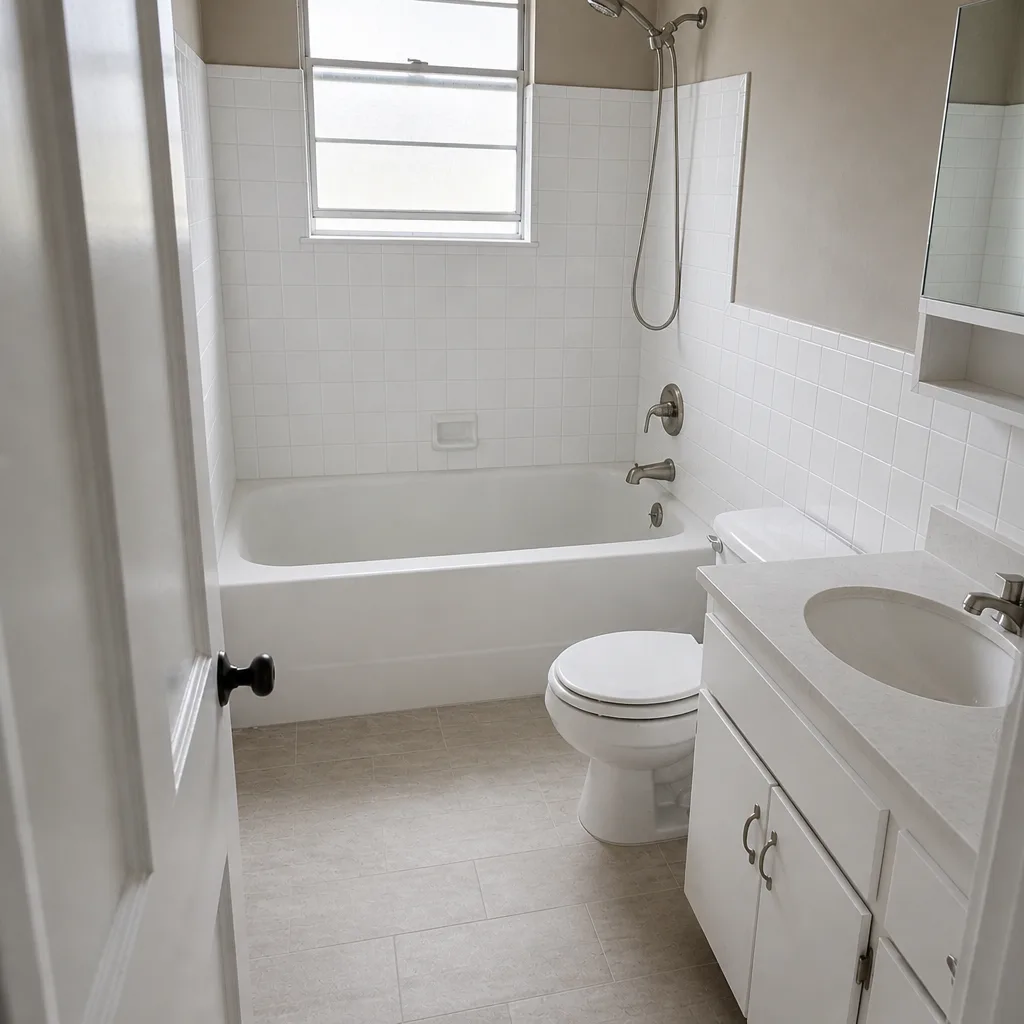
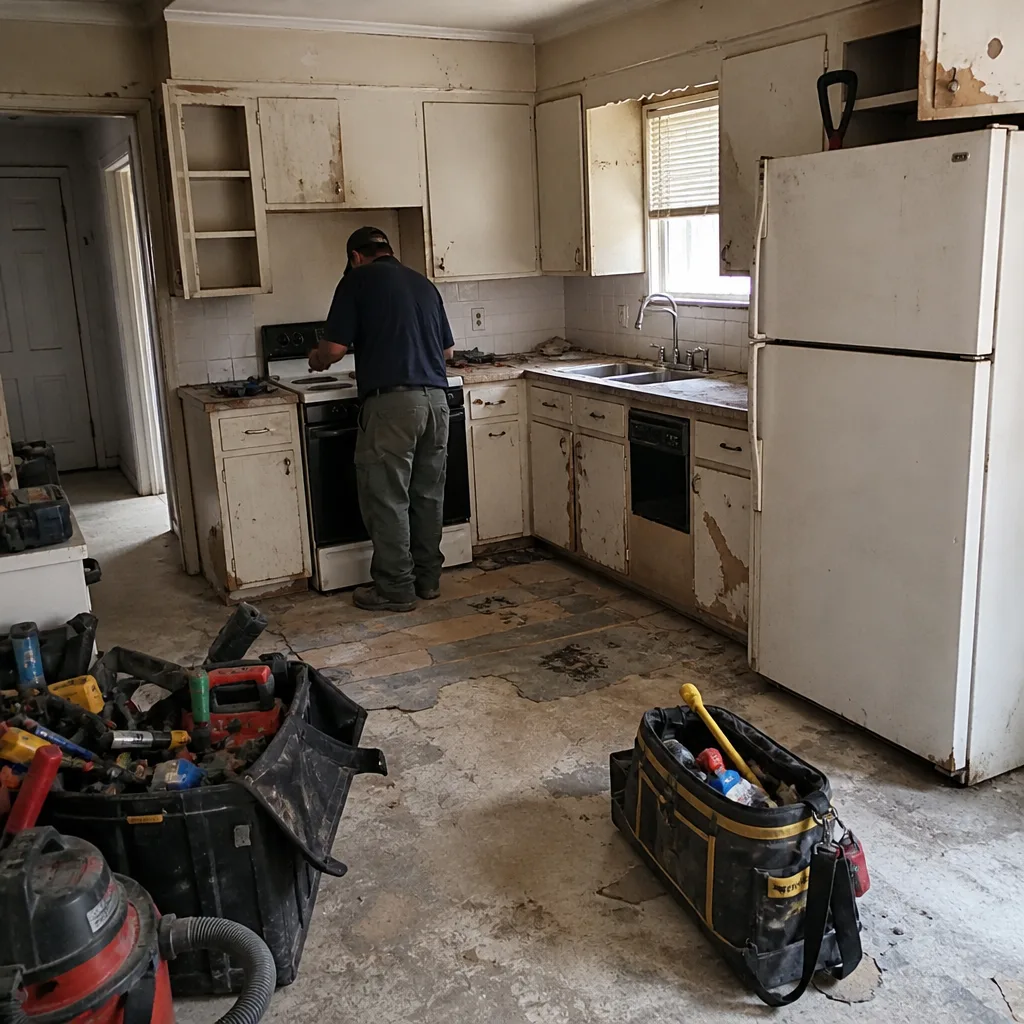
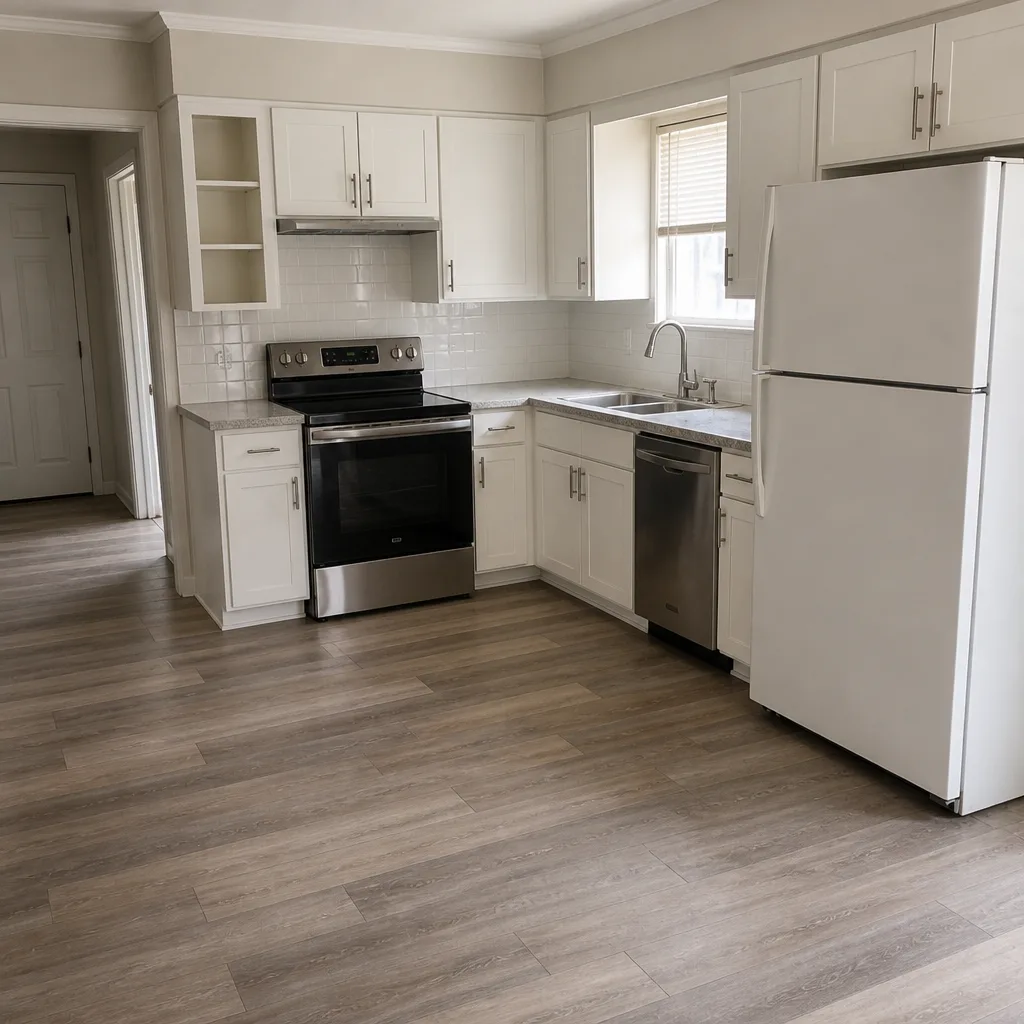
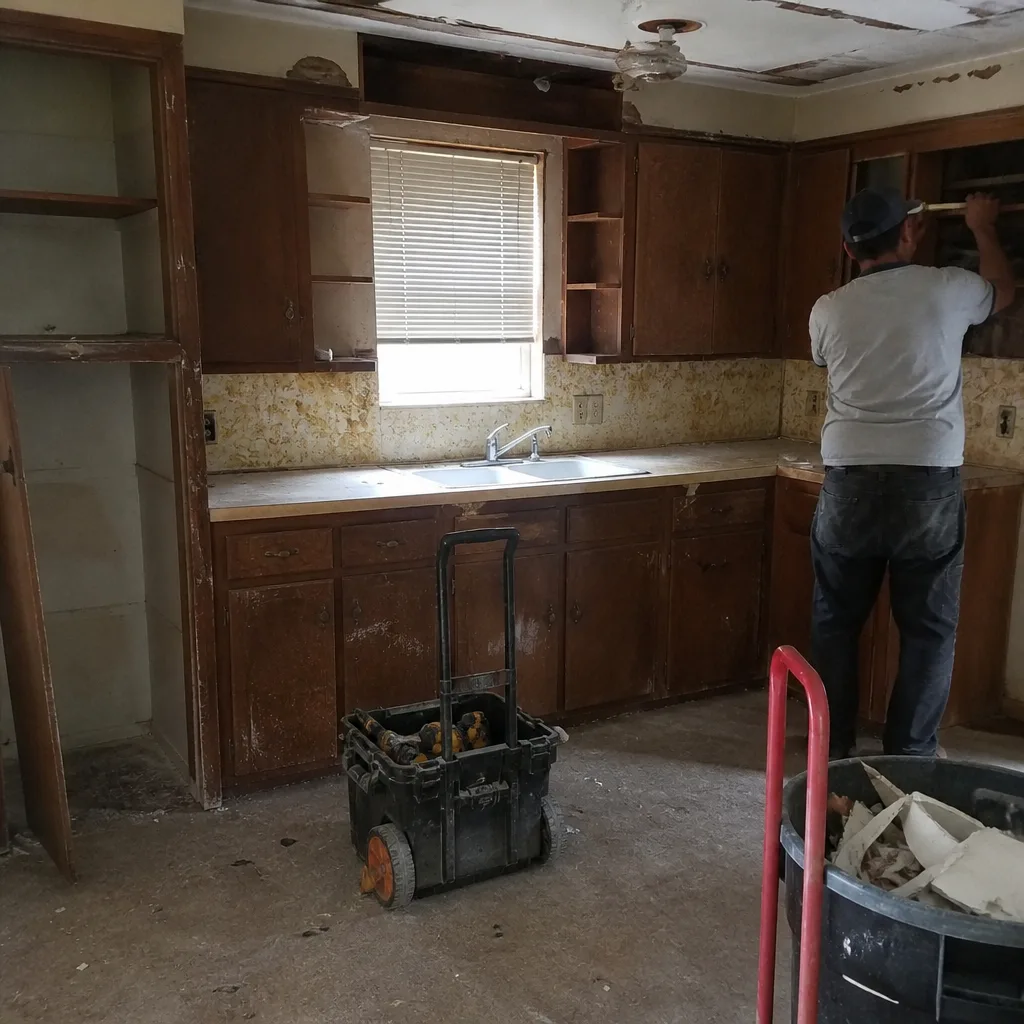
See the difference
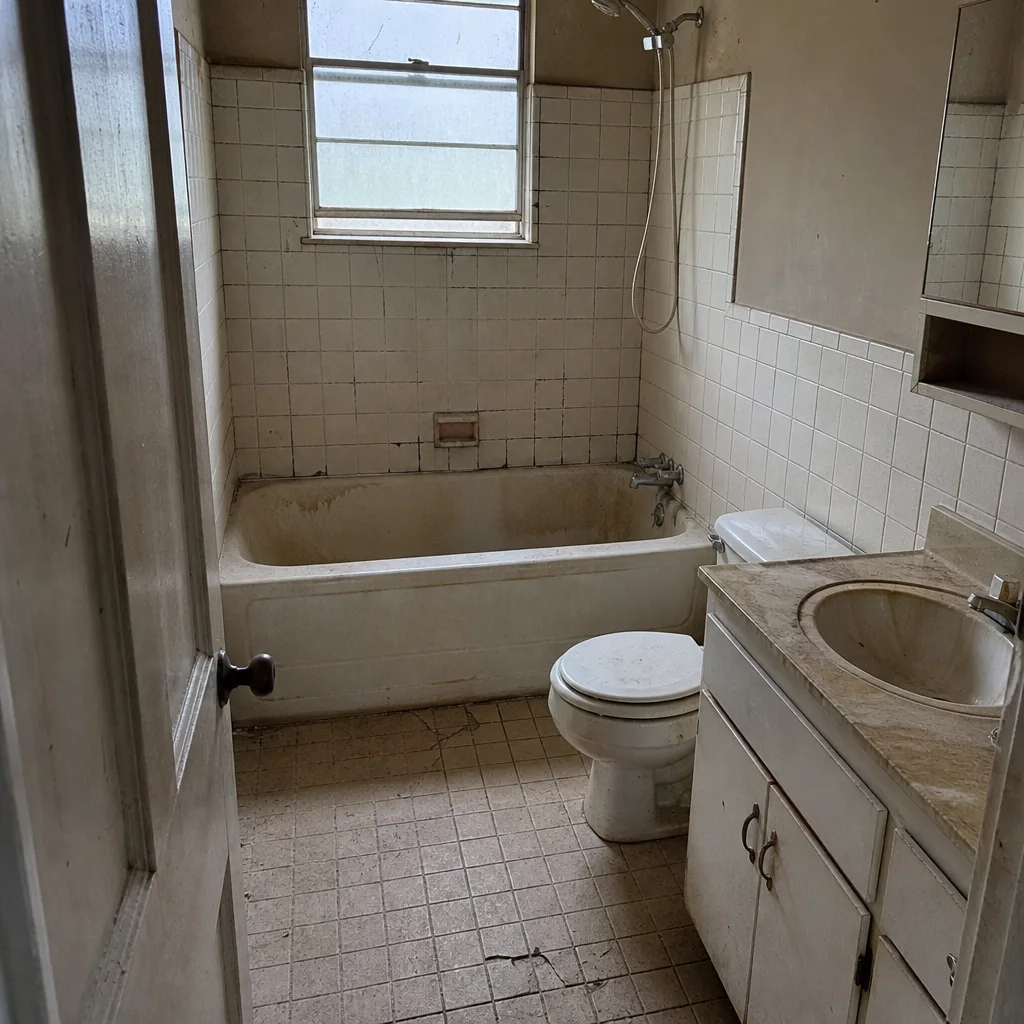 Before
 After
 Before
 After
 Before
 After
When to Call a Professional
Not every Fort Worth project needs a contractor. But the moment structural work, a permit, or a trade license enters the picture, general handyman experience stops being enough. Call a professional if you’re planning anything that touches framing, electrical panels, gas lines, plumbing rough-in, or roofing – those are licensed trades for good reason, and Fort Worth inspections will catch the shortcuts. Call a professional if you’re changing the footprint of the house, adding square footage, or converting a garage or storage area into an ADU. Call if the scope involves hauling debris off-site, coordinating more than two trades, or pulling any permit at all. You can plan a paver walkway on your own. You can’t plan a kitchen remodel without permits and three trades in sequence.
Rowan Construction Group Fort Worth offers free estimates in Fort Worth. The quote is a flat price with a written scope and a written warranty, and the crew arrives background-checked, uniformed, and carrying a documented photo record of every visit. Call (833) 570-6084 to schedule your free estimate.
Frequently Asked Questions
A $150,000 project in Fort Worth carries roughly $1,400 to $2,200 in permit and inspection fees under the Development Services fee schedule revised in 2024. That breaks into plan review, building permit, individual trade permits, and inspection fees, with separate reinspection charges if a trade fails a check. If your bid doesn’t show a permit line, that cost is still going to be paid – by you. Call (833) 570-6084 for an exact quote on your project; estimates are free.
North Texas framing labor tightened between 2024 and 2025, and the higher rate held into 2026 as the build calendar stayed full. The cost of material didn’t move as much as the cost of the crew. The Fort Worth residential market sits in its own band and the framing portion of that band widened by roughly 11 percent. A bid that quotes framing as a lump sum without splitting labor from material hides which side moved.
An allowance is realistic when it names the specific product line you intend to buy and matches local supplier pricing. Check the allowance against KraftMaid or Wellborn cabinet pricing, Cambria or Caesarstone quartz per square foot, and Belgard or Techo-Bloc paver rates at a Fort Worth supplier. If the allowance line comes in low against real pricing, the bid is under-priced and you’ll make up the difference through change orders.
Contractor markup in Fort Worth typically lands around 15 to 20 percent of raw cost on a fixed-price bid, split between overhead and profit. Cost-plus contracts carry a similar total through a stated material-and-labor markup plus a management fee. Either structure is legitimate when disclosed. The number that matters is whether the price is written down and whether change orders are signed before work proceeds, which is what keeps a project within a few percent of the agreed number.
Any project that touches structure, electrical, gas, plumbing, or adds conditioned square footage requires a permit in Fort Worth. The contractor should pull it, and the permit fee should appear in the written bid. If a bid omits the permit line or says “homeowner pulls permits,” that’s a signal to ask more questions before signing. Under a written-price contract, the permit cost is baked into the flat number rather than added later.
The five line items most often missing from a low Fort Worth bid are permit fees, dumpster and haul-off, temporary utilities, final grading and cleanup, and punch-list labor. All five are standard components of a complete bid, and their absence is not a discount – it’s a deferral. Each one returns as a change order later. Compare bids line by line against these five before comparing totals, and ask any contractor who omitted one to explain how it will be handled.
If you’re planning a driveway, patio, or hardscape element, the line items differ slightly; the Driveway & Pavers in Fort Worth page walks through that scope. For fence work, the Fence Installation in Fort Worth page covers material and labor for wood, vinyl, and metal.
The Bottom Line
Fort Worth construction costs in 2026 are shaped by three pressures that a national calculator can’t see: a tightening North Texas labor market, local material surcharges from regional distribution, and the revised Fort Worth Development Services permit fee schedule. Framing sits at $18 to $32 per square foot, concrete flatwork at $8 to $14, and roofing at $6 to $11 installed. A $150,000 project carries roughly $1,400 to $2,200 in permits. Contractor markup lands around 15 to 20 percent. And the five missing line items – permits, haul-off, utilities, final grading, and punch-list – are what turn a “low bid” into a higher final invoice. Compare scopes, not totals. Get the split in writing. Sign change orders before work proceeds, every time.
When you’re ready for a written price on your project, call (833) 570-6084 for a free estimate from Rowan Construction Group Fort Worth. Every visit includes a documented photo record and a flat written quote before work starts, and the 365-Day Done Right Promise backs the finished job.
Written by the team at Rowan Construction Group Fort Worth.