Last updated November 18, 2026





Free written scope consultation - allowances, timeline, and change-order rules on paper before a single trade is scheduled
Construction Warning Signs: A Fort Worth Homeowner’s Reference Guide
A hairline crack running at 45 degrees from a window corner isn’t a settling crack. In Fort Worth’s expansive clay soil, it’s a load-path indicator that the foundation has moved differentially, and it usually shows up 18 to 24 months before that movement becomes visible across the whole wall. The warning signs that actually cost homeowners money here are rarely the dramatic ones. They’re the ambiguous signals that look cosmetic, the drainage that looks fine until it rains, and the contractor habits that predict a documentation problem long before the first invoice dispute. This guide covers what to look at, where to look, and what the numbers mean.
Quick Answer
The most important construction warning signs for a Fort Worth homeowner are 45-degree cracks radiating from window and door corners (differential foundation movement in clay soil), water ponding within 3 feet of the slab (failed grading), masonry powder that reappears after rain (active water intrusion, not cosmetic efflorescence), and on-site contractor habits like no posted permit card or verbal-only change orders. Catching any of these early usually means a repair in the hundreds to low thousands of dollars instead of a structural fix in the tens of thousands.
Styles & brands we work with
- Kitchen remodeling
- Bathroom remodeling
- Home additions & ADU
- Roofing
- Windows & doors
- Driveway & pavers
- Fence
Table of Contents
- How to tell a shrinkage crack from structural movement in Fort Worth
- Drainage grading: where to look and what slope the UDC requires
- Contractor warning signs that predict documentation problems
- Efflorescence vs. active water intrusion in masonry
- The three inspection points to photograph yourself
- Why Fort Worth’s wet-dry cycles accelerate damage
- Common mistakes to avoid
- When to call a professional
How to Tell a Shrinkage Crack From Structural Movement in Fort Worth
Not every crack means the foundation is failing. Fort Worth sits on expansive clay that swells when it’s wet and shrinks when it dries, and the region swings between both conditions several times a year. That movement produces two very different kinds of cracks, and the geometry, location, and growth pattern tell you which one you’re looking at.
Cosmetic shrinkage cracks are typically vertical or stair-step, hairline to about 1/16 inch wide, found in mortar joints or drywall seams, and they open and close with the seasons. They don’t grow dramatically and they don’t radiate from corners.
Structural movement cracks show a different profile:
- 45-degree diagonal cracks running from the corner of a window or door opening. These follow the load path, which is why they appear at openings rather than open wall.
- Stair-step cracks in brick veneer that track through the mortar joints, especially at the corners of the home.
- Widths over 1/8 inch that don’t close seasonally.
- Cracks that grow by a measurable amount over 6 to 12 months. Photograph with a coin or ruler alongside for scale and date the photo.
- Doors and windows that suddenly stick in one part of the house while the rest of the home is fine.
The clay soil under most Fort Worth neighborhoods from TCU-area bungalows to newer builds in Aledo’s fringe moves differentially, meaning one part of the slab heaves or settles more than another. That differential is what produces the diagonal pattern. If you’re seeing it, the fix usually starts with a drainage evaluation, not a foundation pier quote. Get the water right first.
Drainage Grading: Where to Look and What Slope the UDC Requires
Improper grading is the most common contributor to foundation movement in Fort Worth, and it’s also the easiest problem to spot before it does damage. The city’s Unified Development Code requires a minimum slope of 2 percent away from the foundation for the first 10 feet on residential lots. That’s roughly a quarter inch of fall per foot. It sounds small, but flat or negative slope near a slab holds water against the foundation, and in clay, that’s the mechanism that drives differential movement.
Here’s where to look after a heavy rain, ideally 30 to 60 minutes after the storm passes:
- The strip within 3 feet of the slab. If water is standing there 24 hours after rain, the grade is failing. Soil may have settled against the foundation over time, or mulch beds may be mounded against the brick, which creates a pond.
- The low corner of the lot. Walk the perimeter and find where water naturally collects. If the low point is against the house instead of away from it, the yard needs regrading.
- Downspout discharge points. A downspout that dumps within 2 feet of the foundation is concentrating thousands of gallons of water in one spot each season. Look for soil erosion under the discharge.
- Under decks and porches. Shaded areas hold moisture longer. Check for green algae, moss, or permanently dark soil, all of which indicate water sitting too long.
Ponding damage is progressive. The first sign is a low, wet patch in the yard near the slab. Six to twelve months later, you get the drywall crack or the stuck door. If you’re adding exterior paving or redoing a driveway and pavers in Fort Worth, the pavers must be installed to keep sheet flow moving away from the house, which is a grading decision, not just a materials decision.
Contractor Warning Signs That Predict Documentation Problems
The signs of a project going sideways usually show up in the first three days, long before any billing dispute. In our experience across 4,000-plus projects, most documentation problems trace back to three habits a homeowner can spot on-site. None of them are about the contractor being dishonest. They’re about a crew that doesn’t run a paper trail, and a missing paper trail is what makes cost overruns possible.
Watch for these:
- No permit card posted. A permitted job in Fort Worth has inspection cards on site. If work is happening and there’s no card visible at the front of the house, either the permit wasn’t pulled or the crew isn’t tracking it. Ask directly.
- No material delivery receipts. When material arrives (lumber, shingles, pavers, cabinets), the delivery ticket should be left with the homeowner or photographed and texted. No receipt means no verifiable record of what was delivered versus what was quoted.
- Verbal change orders. If anyone asks for extra money because “we found rot” or “we need another layer of sheathing,” and there’s no signed, written change order with a price, that’s the single biggest predictor of a budget overrun. Under our Haven Standard Clause 1, the price is written before anyone starts, and no work proceeds on a change until the change order is signed.
The best defense is a written scope and a flat written price before work begins. If you’ve already received an estimate from another contractor and something feels off, a Rowan Construction Group Fort Worth home second opinion is free, and we’ll review any written estimate line by line at no charge. That review has caught missing permits, unpriced allowances, and change-order language that gave the contractor open-ended pricing authority. A fence installation in Fort Worth is a good way to observe the pattern on a smaller scale before a full roof or kitchen project, because the documentation habits either exist or they don’t. A crew that installs a Barrette or Master Halco fence and leaves you the delivery receipts and a photo record of the gate hardware is likely running the same discipline on the bigger job.
Efflorescence vs. Active Water Intrusion in Masonry
That white, chalky powder on brick or stone is often treated as either scary or harmless, and both reactions are wrong. There are two conditions behind it, and the difference matters because one is cosmetic and the other can void the wall assembly warranty you have on the home.
Efflorescence is a cosmetic condition. Water-soluble salts migrate to the surface of masonry as moisture moves through it, then crystallize when the surface dries. It wipes off with a dry brush, it’s powdery, and it stays gone until the masonry absorbs a lot of water again. Seeing it once after an unusually wet spring in Fort Worth is not a crisis. It’s a signal that the masonry got wet, and you should check the drainage and flashing.
Active water intrusion looks similar but behaves differently. Tell them apart with three checks:
- Does it come back immediately after a rain, or reappear within days of a dry spell? Persistent, fast-returning powder suggests moisture is entering continuously, not just seasonally.
- Is there a dark, damp discoloration band on the brick in the same zone? That’s moisture in the masonry, not surface salt.
- Is there a corresponding interior stain on the drywall or a musty smell in the room behind that wall? That’s active intrusion, and it needs to be investigated before it spreads.
Active intrusion can come from a failed weep screed (the metal piece at the bottom of a stucco or masonry wall that lets moisture drain out), a cracked sill, missing kick-out flashing where a roof meets a wall, or a masonry wall that’s absorbing water at grade because the grade is too high. Any of these can follow water into the sheathing, and once moisture sits in a wall cavity in a Fort Worth summer, the mold and rot damage is faster and more expensive than expected. If you confirm active intrusion, get it fixed before you schedule any interior finish work.
The Three Inspection Points to Photograph Yourself
You don’t need to inspect the work yourself. You do need a documented record, because “the crew didn’t do that” versus “it looked fine when we left” is a dispute you win or lose with photos. Here are the three points to photograph on any active project, with framing and angle guidance so the photos actually prove something.
1. The framing before it’s closed in. Stand in the doorway of the room being framed and photograph straight on, then step left and right and take a photo down each wall at eye level. You want the stud layout, the corner framing, and any blocking visible in the same frame. If you see the work being covered before you’ve taken these, ask for a document hold. Good crews photograph this themselves as part of the documented photo record on every visit, but your own set matters.
2. The rough-in plumbing and electrical before drywall. Stand at the farthest corner of the room and photograph the whole rough-in at a slight downward angle so it captures both floor and ceiling penetrations. Then take a close-up of any point where pipes or wires pass through a stud or plate. The wide shot proves where the runs are; the close-up proves how they’re protected.
3. The final grade and drainage at the exterior before landscape installation. Stand at the corner of the house with your phone at chest height, aimed parallel to the wall and angled slightly toward the yard. The photo should show the top of the slab, the soil line against the wall, and the fall of the grade. Repeat at each corner. If you can see a low spot within 3 feet of the slab, that’s a call before landscaping goes in.
Take each photo with the date and time stamp visible. Combined with a signed change order and a written warranty, that set is the most useful record you have if anything later needs correcting.
Why Fort Worth’s Wet-Dry Cycles Accelerate Damage
Fort Worth doesn’t have a gentle climate. It has a wet season and a dry season that each push the clay under a home in opposite directions, and that constant cycling is what makes hairline issues grow into priced repairs. When the clay swells, it lifts the slab. When it shrinks, it drops. Repeated lift-and-drop cycles fatigue the structure, and the damage shows up first at openings because those are the weakest points in the wall.
For homeowners, the practical implications are simple. Check the perimeter after each big spring storm for ponding. Check the diagonal cracks at each seasonal change with a photo for scale. Watch the drainage after summer irrigation season, because a sprinkler overwatering one corner of the yard can produce the same differential as a grading problem. When the soil is moving seasonally, the fix is usually water management, drainage correction, and then if needed, foundation work. Doing the water management first often rules out an expensive structural repair. If you’re planning added square footage, the same logic applies, and a structural and drainage review precedes any home addition or ADU in Fort Worth. The best additions start by reading the lot.
Common Mistakes to Avoid
- Treating a 45-degree crack as cosmetic because it’s thin. Crack location and geometry matter more than width. A quarter-inch stair-step crack at a corner is a bigger warning than a wider vertical seam elsewhere.
- Landscaping over a low spot instead of fixing the grade. A new mulch bed or planting mounded against the brick holds water against the foundation and accelerates the movement you were trying to avoid.
- Accepting a verbal change order. Once a crew has started, a verbal “we found rot” has no price attached. Always require a signed change order with the change and the dollars before any work proceeds.
- Skipping the permit because the contractor says it “isn’t needed.” If the job is inspected, the permit card should be on site. Missing permits usually surface later at resale or during an insurance review.
- Washing efflorescence off and calling it fixed. If the powder returns within days of rain, the water is still entering. Wash it off and watch the return pattern instead of assuming it’s cosmetic.
- Not photographing your own project. Relying on the crew’s photos alone leaves you without a record if there’s a dispute. Take the three documented photos described above.
- Quoting a large scope from a verbal walk-through. Any large project needs a written scope and a flat written price. If a contractor won’t put a number on paper, treat that as the first warning sign.
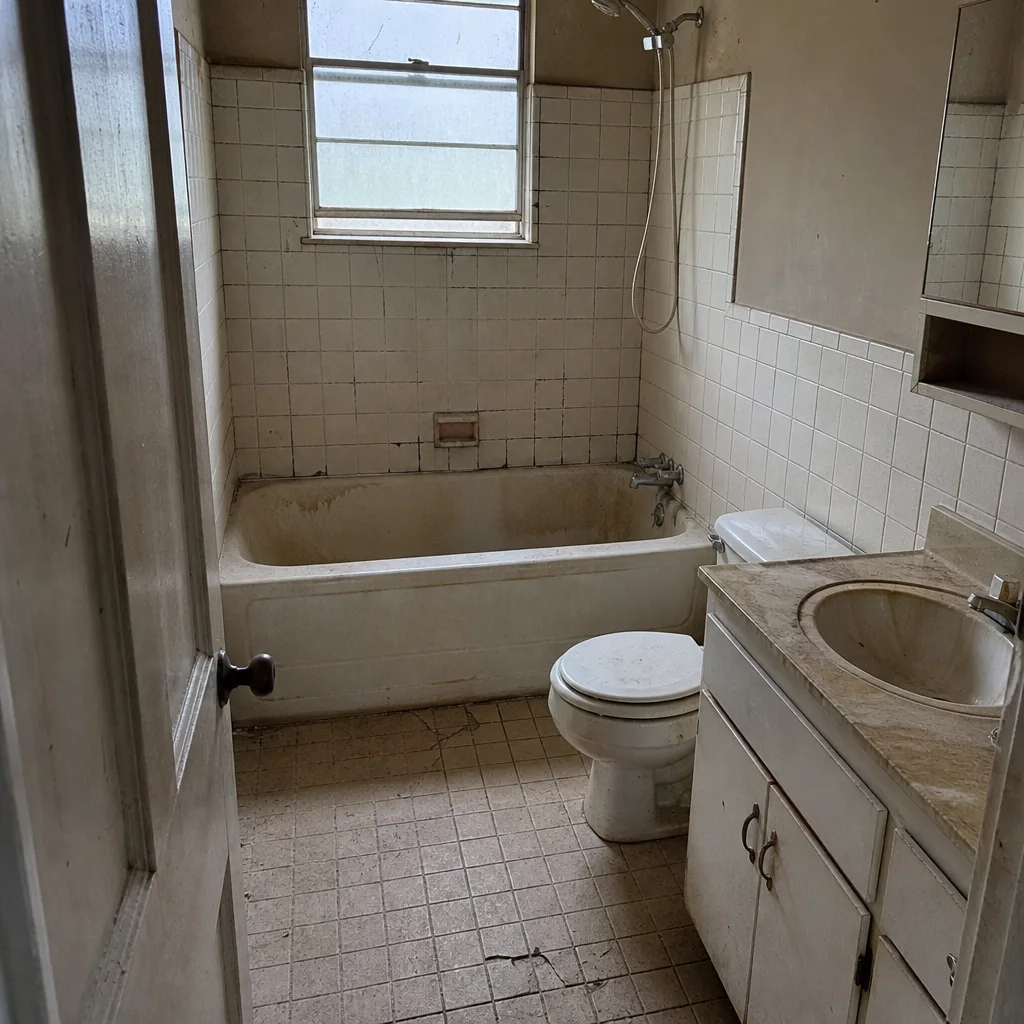
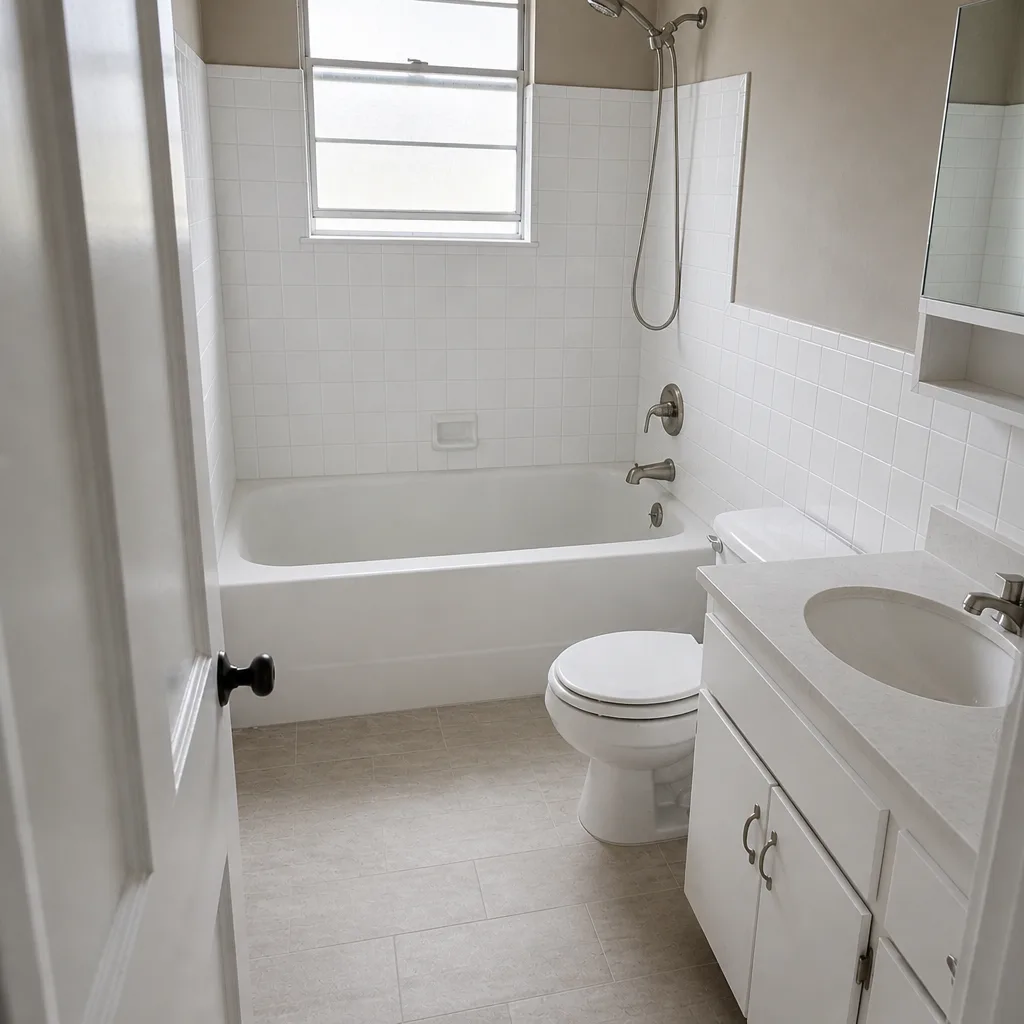
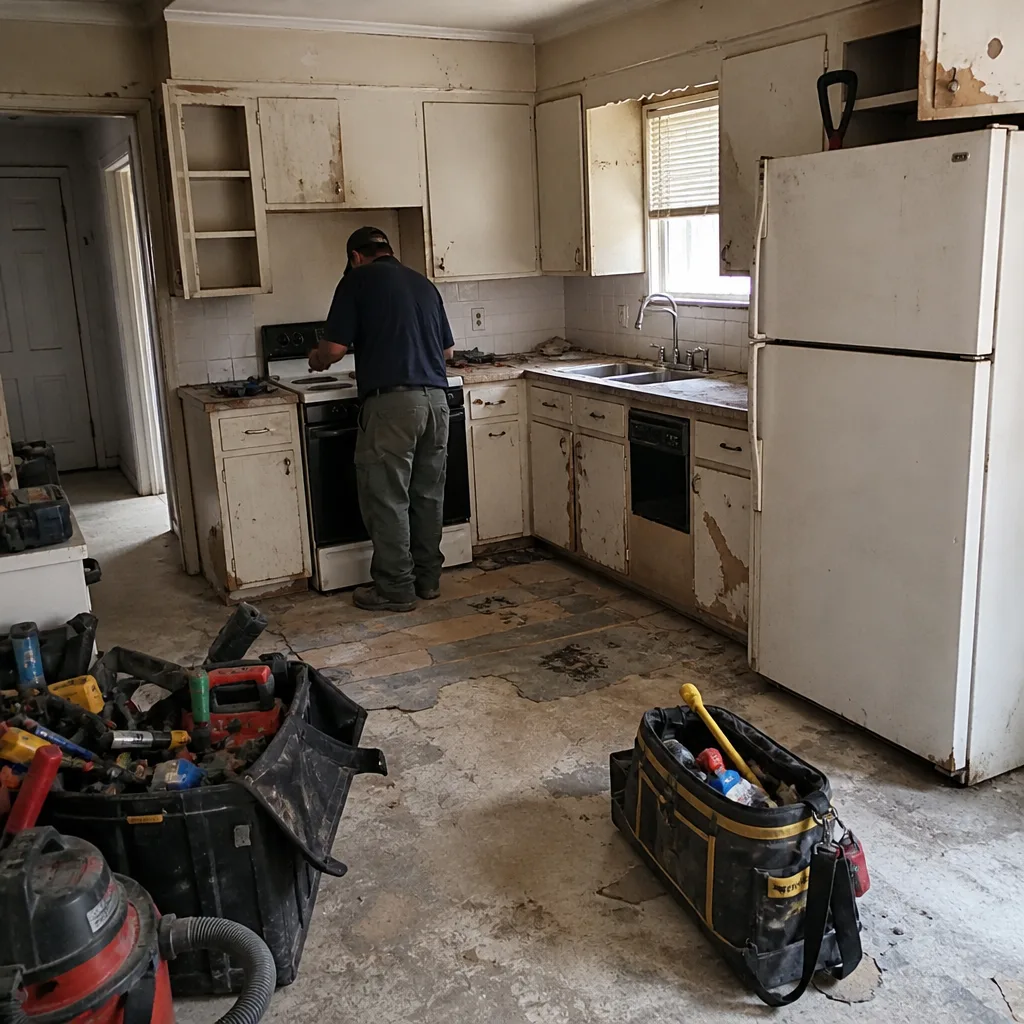
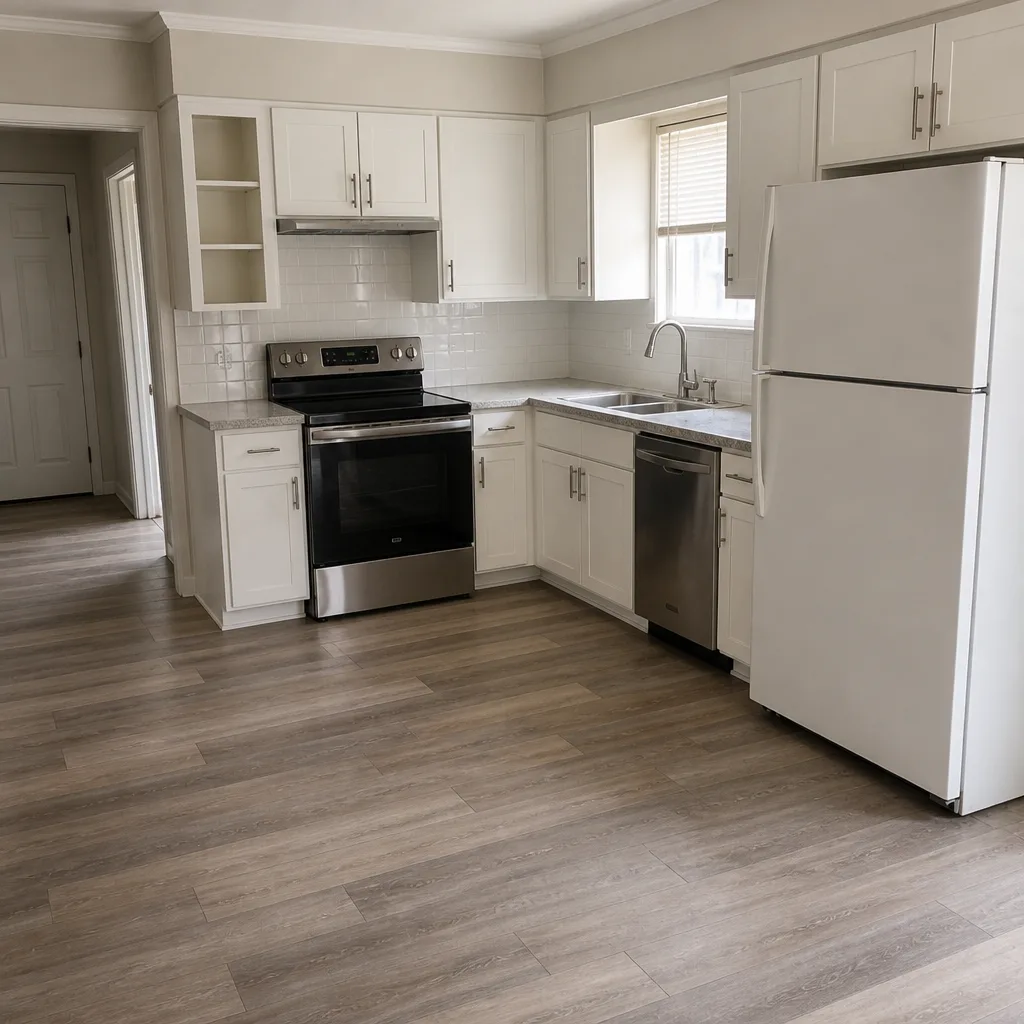
See the difference
 Before
 After
 Before
 After
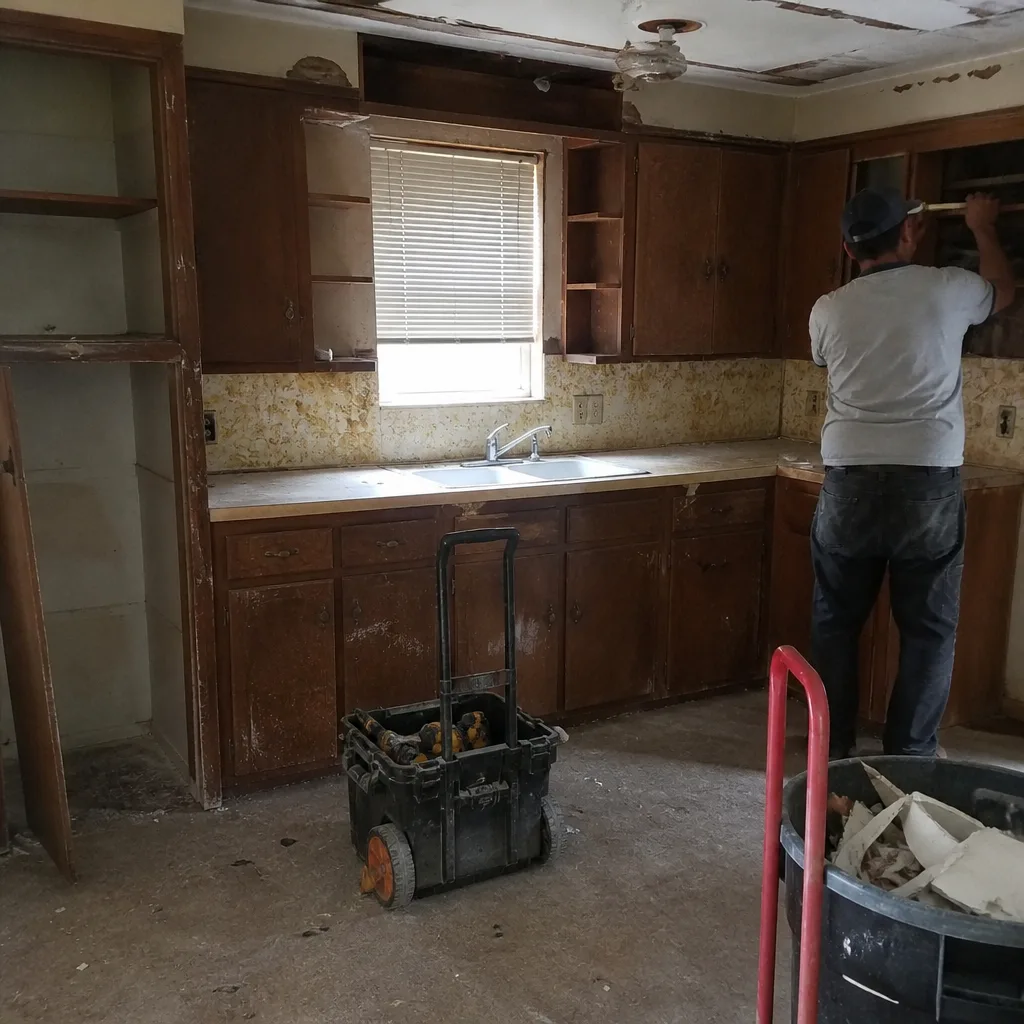 Before
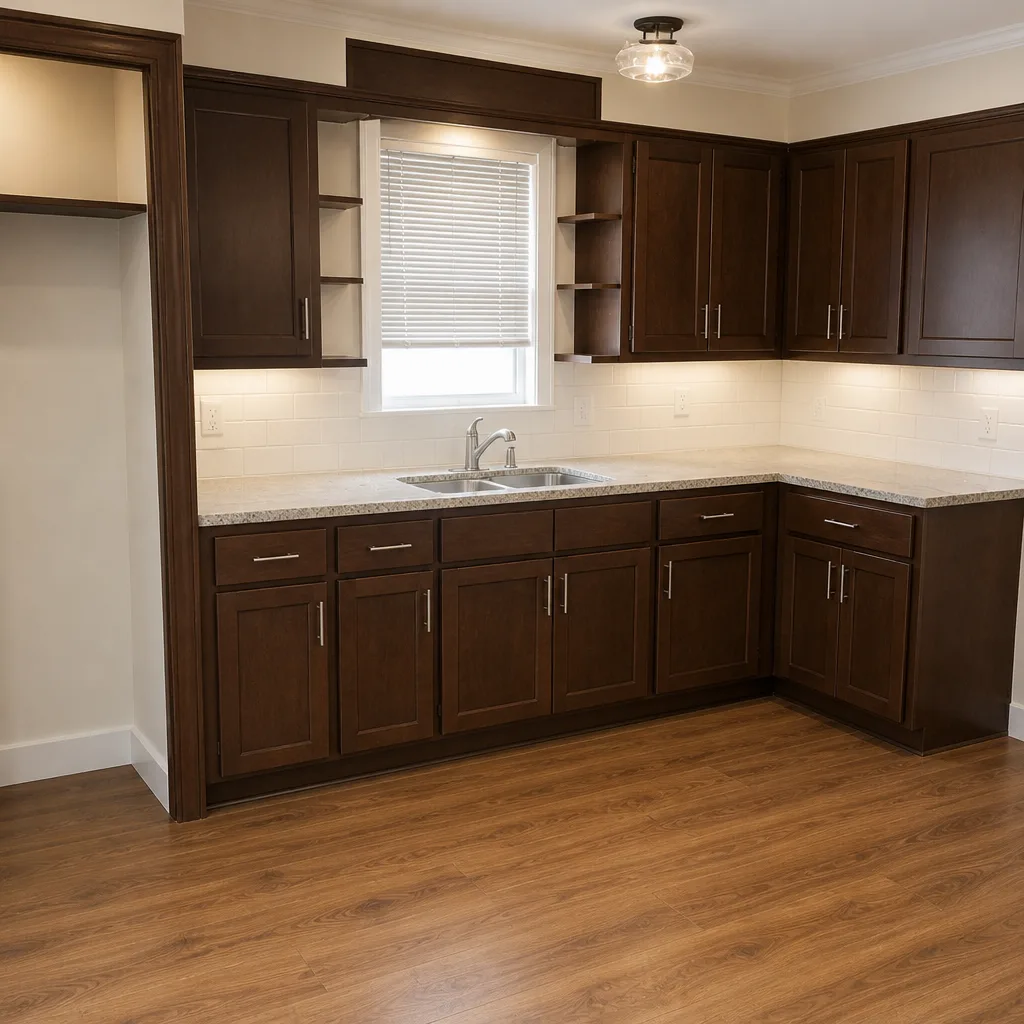 After
When to Call a Professional
Some warning signs can wait for a routine inspection, and some shouldn’t. Call a professional if you see a diagonal crack at a window or door corner that has grown in width over a season, water ponding within 3 feet of the slab 24 hours after rain, efflorescence that returns within days of rain with an interior stain behind the wall, or door and window frames that have started sticking in one section of the home while the rest is unchanged. Call earlier if you’re seeing several at once. Those combinations point to foundation movement that’s active rather than seasonal.
Rowan Construction Group Fort Worth offers free estimates in Fort Worth, and if you already have a written estimate from another contractor, we’ll review it line by line at no charge. Call (833) 570-6084 to schedule your free estimate.
Frequently Asked Questions
Foundation repair in Fort Worth typically runs about $1,200 to $2,400 for a small section of pier and beam work, $3,500 to $7,500 for a residential slab with a modest number of piers, and above $10,000 for a larger or multi-directional repair. The exact number depends on pier count, depth to bearing soil, and whether the fix includes drainage regrading. Call (833) 570-6084 for an exact quote – estimates are free.
A crack is serious when it’s 45 degrees from a window or door corner, over 1/8 inch wide, or growing measurably over 6 to 12 months. Vertical hairline cracks in drywall seams that open and close with the seasons are usually cosmetic. Photograph the crack with a coin next to it and date the photo so you can compare growth.
Fort Worth’s Unified Development Code requires a minimum 2 percent slope away from the foundation for the first 10 feet on residential lots, which is about a quarter inch of fall per foot. Flat or negative slope within 3 feet of the slab is what allows water to pool and drive clay movement.
Efflorescence is surface salt that wipes off and stays gone until the masonry gets saturated again; it’s cosmetic. Active water intrusion looks similar but reappears quickly after rain, often with a damp discoloration band on the brick, and can carry water into the wall cavity. If you see a matching interior stain or smell, get it inspected.
Let the contractor pull the permits, because the permit is tied to the licensed trade doing the work. But verify it. Ask for the permit number and confirm that the inspection card is posted on site during the work. If anyone says a permit isn’t needed for a job this size, assume you’ll need the inspection record at resale and ask for it in writing.
Don’t pay it, and don’t let the work proceed. Ask for a signed change order in writing with the specific change and the flat price. Any legitimate contractor will produce one; any contractor who won’t is the main problem.
The Bottom Line
The warning signs that cost Fort Worth homeowners the most are the quiet ones: a 45-degree crack treated as cosmetic, water ponding against a slab, efflorescence that keeps coming back, and a contractor who runs a loose paper trail. Check the perimeter after every big storm. Photograph your own project at the framing, rough-in, and final grading stages. Require a written scope, a flat written price, and a signed change order before any extra work. That combination catches the structural movement while it’s still a drainage fix, and catches the project that’s going sideways while there’s still a number to dispute.
If you’re seeing any of these signs right now, or you’d like a second opinion on an estimate you’ve already received, Rowan Construction Group Fort Worth is here for it. Call (833) 570-6084 to schedule your free estimate or a free second opinion.
Written by the team at Rowan Construction Group Fort Worth.