Last updated November 18, 2026
Free written scope consultation - allowances, timeline, and change-order rules on paper before a single trade is scheduled
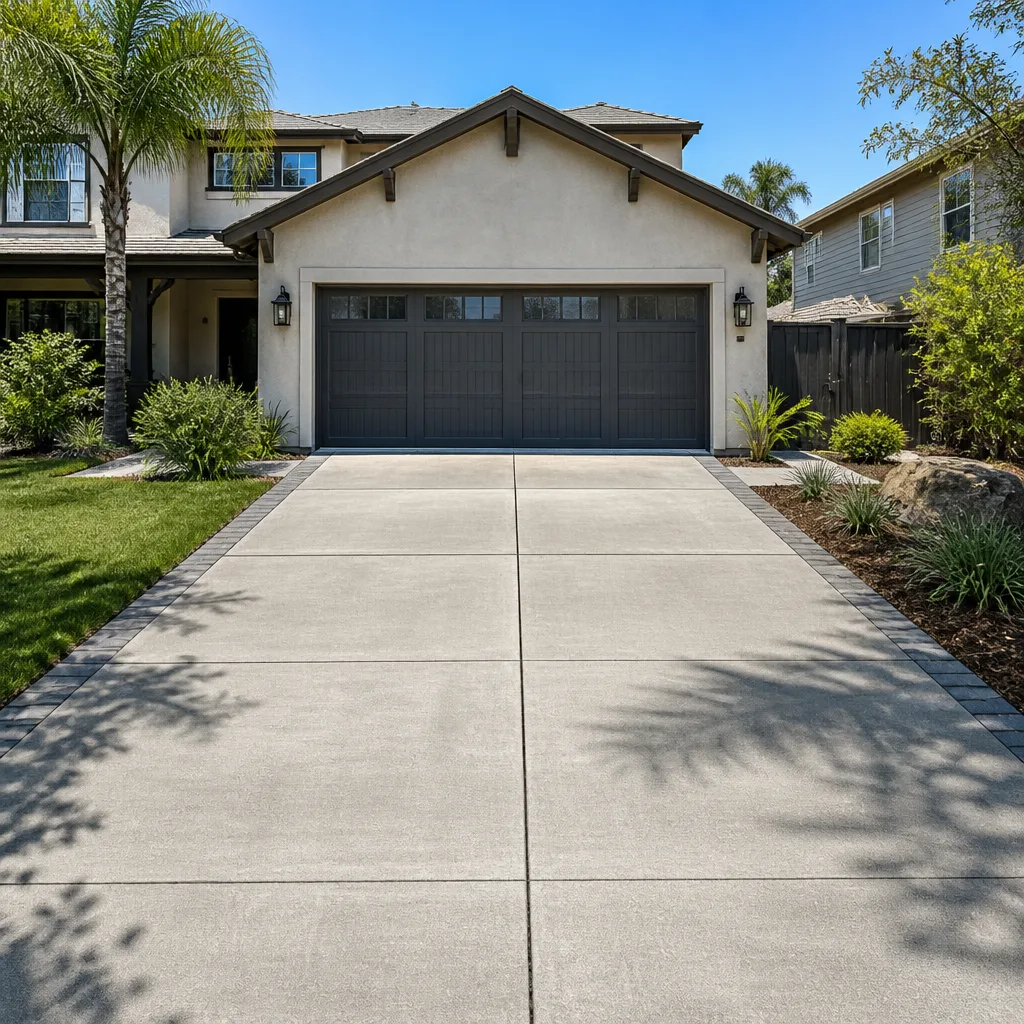
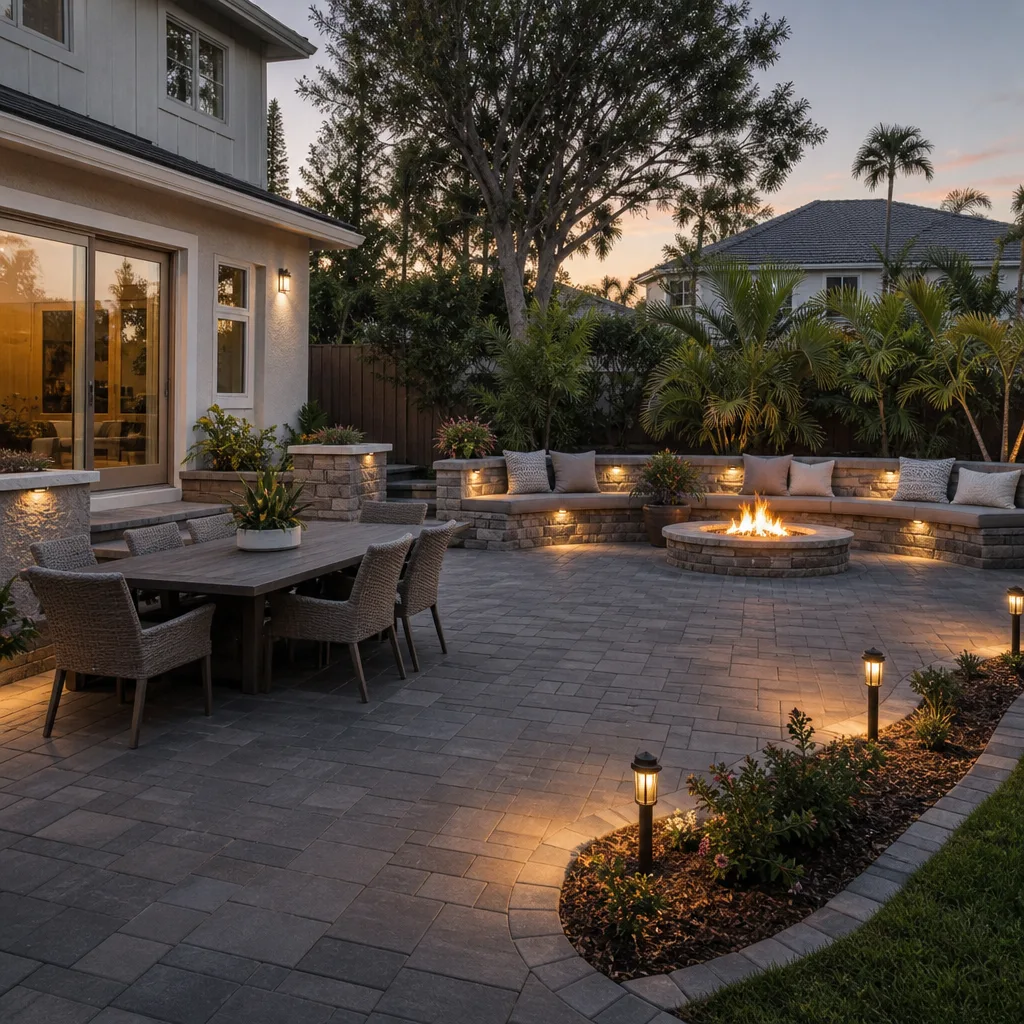
DIY vs Professional Driveway & Pavers: What’s Safe to Do Yourself
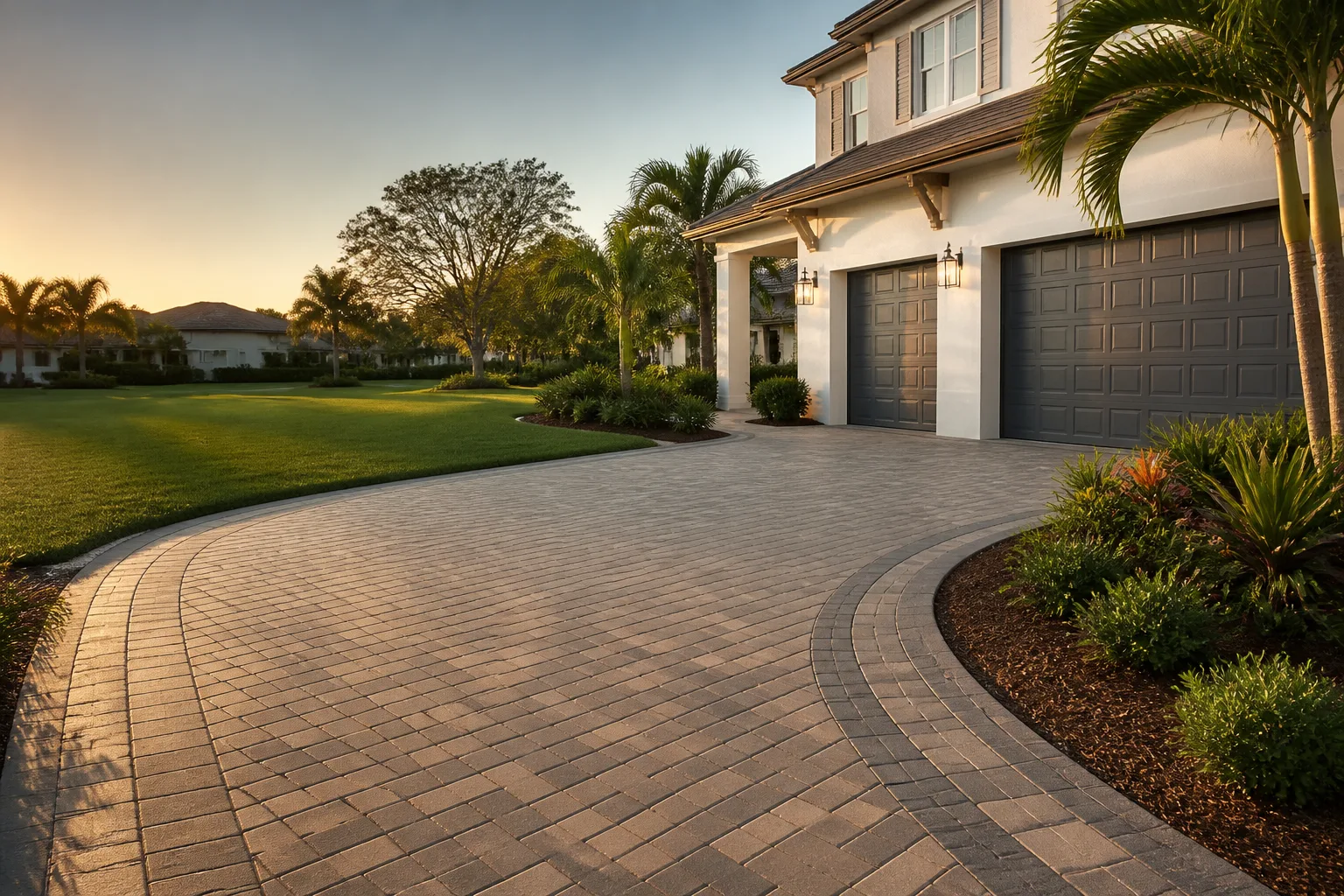
A homeowner can correctly lay every single paver and still have a failed driveway in two years. That sounds backwards until you look underneath. If the base wasn’t compacted to about 95% Proctor density, the expansive clay under most Fort Worth properties does the rest, and no amount of careful pattern-setting on top will save it. The line between a reasonable weekend project and an expensive mistake isn’t really about skill. It’s about equipment access. This guide separates the paver jobs you can genuinely handle from the ones that need a crew, and it names the break-even point in square feet so you can price your own decision.
Quick Answer
Pattern design, polymeric sand re-application on an existing driveway, and swapping single cracked pavers on a stable base are all safe to do yourself. Anything that requires tearing out and rebuilding the sub-base, compacting stone to spec, setting edge restraint on a slope, or grading water away from your foundation is not, because the failure happens below the surface where you can’t see it. In Fort Worth, that base compaction step is the single most common reason DIY paver driveways fail within two to three years.
Styles & brands we work with
- Kitchen remodeling
- Bathroom remodeling
- Home additions & ADU
- Roofing
- Windows & doors
- Driveway & pavers
- Fence
Table of Contents
- The line isn’t skill, it’s equipment access
- Tasks that are genuinely DIY-safe
- Tasks where DIY creates measurable risk
- Equipment cost reality: rental vs. contractor-grade
- Fort Worth permit rules and the home-sale problem
- DIY total vs. installed price per square foot
- Where the break-even actually lands
The Line Isn’t Skill, It’s Equipment Access
Proper base compaction calls for a plate compactor delivering roughly 3,000 to 4,000 pounds of compaction force, run in multiple passes over lifts of crushed stone that are no deeper than 4 inches at a time. The plate compactor you rent from a big-box store usually doesn’t hit that number, and it almost never carries the weight needed to consolidate Fort Worth’s heavy clay soil beneath the aggregate. You can do everything else right and still lose the driveway to a base that rebounded the first wet season.
Here’s the failure mechanism, described plainly. A paver driveway is a load-transfer system. Traffic loads pass through the pavers, into the bedding sand, through the compacted aggregate base, and into the native soil. Uniform compaction is what spreads that load evenly. If the base is compacted unevenly or not at all, loads concentrate in the soft spots, the bedding sand migrates into voids, the pavers lose their interlock, and you get the rutted, shifting, sand-washed mess we see all over Fort Worth after a wet spring. The pavers themselves are almost never the failure. The forgotten step under them is.
That’s why we treat base preparation as the whole job in disguise. Under Clause 1 of the Haven Standard, the price is written before anyone starts, and that written scope names exactly what happens below grade: excavation depth, stone type, lift thickness, number of compaction passes, and edge restraint specs. When you can’t see the base again for twenty years, the paperwork is your only proof it was built right.
Tasks That Are Genuinely DIY-Safe (With Realistic Costs)
These three jobs respect the limits of a homeowner’s tools and time. Each one touches only the top of the system, never the structural base.
- Paver pattern design. Choosing the layout – herringbone, running bond, basketweave, a mixed-color blend – is a design decision, not a structural one. Cost: $0. Time: an evening with graph paper or a free pattern tool from a brand like Belgard or Techo-Bloc. Pick the pattern before you buy stone, because the layout changes your waste factor by 5 to 15 percent.
- Polymeric sand re-application on an existing driveway. When the joints wash out but the pavers stay put and level, re-sanding is a real weekend job. Cost: roughly $30 to $45 per 50-pound bag, and a 500-square-foot driveway takes 6 to 9 bags. Time: 4 to 6 hours including sweep-in and a light water set. The catch – if pavers are rocking or joints keep washing out within a season, the base is moving, and re-sanding won’t fix it.
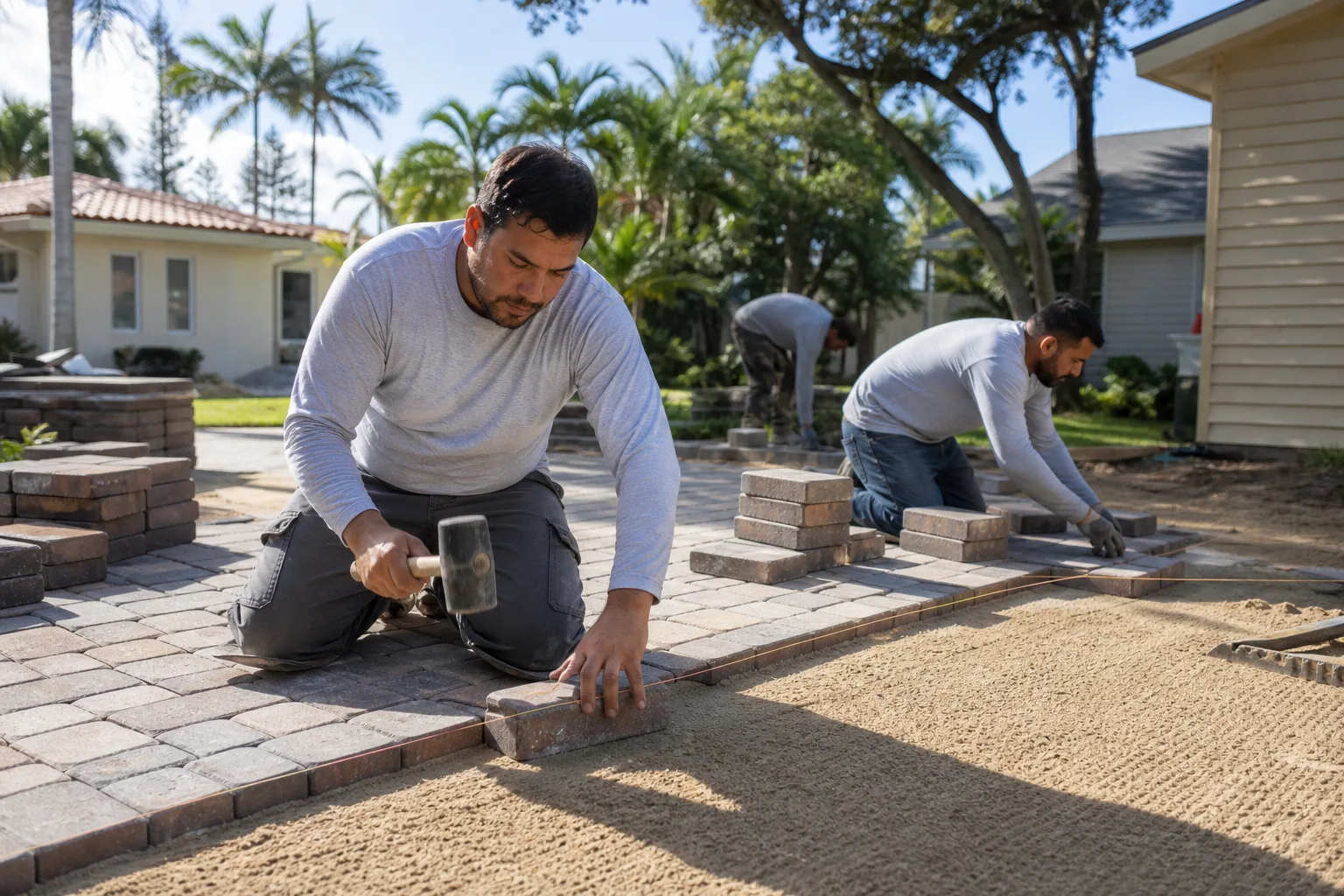
- Individual paver replacement on a stable base. One cracked paver on a base that hasn’t moved is a safe swap. Cost: a couple of replacement pavers and a bag of bedding sand, under $40. Time: about an hour. Set the paver on fresh sand, tap it level with a rubber mallet, and re-sand the joint.
Notice what these three have in common: none of them disturb the compacted base. That’s the test to apply before you start any paver job yourself.
Tasks Where DIY Creates Measurable Risk
These are the jobs where the mistake hides under the finished surface and shows up a year or two later, usually right after a Fort Worth rain event. We’re describing the failure mechanism here, not handing you a how-to, because some of these involve heavy equipment and excavation near utilities.
- Sub-base excavation depth and compaction. Fort Worth’s expansive clay swells when wet and shrinks when dry. The base has to be excavated to the correct depth for your traffic load, then built back up in thin lifts with proper compaction between each one. Skip a lift, or compact too thick a layer, and the base compacts unevenly later under traffic. That’s how you get waves and settlement within two seasons.
- Edge restraint installation on slopes. Fort Worth lots are rarely dead flat, and a driveway on any grade needs edge restraint that resists lateral creep. Undersized or shallow-anchored restraint lets the whole field spread outward, opening joints across the entire surface.
- Grading for drainage away from the foundation. Water has to leave the driveway. If the finished grade sheds toward the house instead of away, you’re routing stormwater toward your foundation slab and the soil under it. On Fort Worth clay, that means differential movement and foundation repair bills far larger than the driveway. This is a survey-and-slope problem, not a paver problem, and it’s the one most DIYers get wrong.
If your driveway sits within a few feet of the house or on a noticeable slope, treat these as professional-only. Estimating slope by eye is how driveways end up draining into garages.
Equipment Cost Reality: Rental vs. Contractor-Grade
This is where the DIY math gets interesting. A plate compactor rents for about $80 to $120 per day at a Fort Worth rental yard. That sounds manageable until you count the ways rental equipment differs from what a paver crew runs.
- Force rating, not just weight. A box-store rental plate compactor often delivers well under the 3,000 to 4,000 pounds of compaction force a proper base needs. A heavier machine with higher centrifugal force does the job in fewer, more consistent passes.
- The number of passes matters as much as the machine. Compaction is cumulative. Contractors run a set number of passes per lift, and that pass count is specified in the written scope. A rental machine that takes twice the passes to reach the same density just means twice the time and twice the rental days.
- Multi-day rental math. A 600-square-foot base build and compaction is a two to three day job for a first-timer. That’s $160 to $360 in rental alone, before stone, sand, restraint, and pavers.
When we quote a paver driveway, the compaction spec isn’t a line you pay extra for – it’s the job. Sourcing from brands like Belgard and Techo-Bloc lets us put honest numbers on that written quote rather than inflating it, and the flat price you get before work starts already includes the equipment that reaches spec.
Fort Worth Permit Rules and the Home-Sale Problem
Most like-for-like paver replacements on private property don’t trigger a permit. The trouble starts when a project touches the public right-of-way – the strip between your driveway apron and the street. Work that alters the curb cut, changes the apron, or extends into that right-of-way generally needs a right-of-way permit from the City of Fort Worth Public Works department. A paver job that adds a new driveway approach or widens an existing one is the common trigger.
Here’s why it matters at the wrong time. Unpermitted right-of-way work often goes unnoticed until a buyer’s inspector or the title company flags it during a home sale, and then you’re either disclosing it, pulling an after-the-fact permit, or paying to undo work that doesn’t meet city standards for the approach. On a $15,000 paver project, that surprise can stall a closing. We pull permits and pass inspections on every job that needs them, and the permit status is documented in the record you get when the crew leaves.
If your project stays entirely on private property and matches the existing footprint, the permit question usually doesn’t apply. The right-of-way is where to check first.
DIY Total vs. Installed Price Per Square Foot
Let’s put real numbers on both sides for a 600-square-foot paver driveway. The DIY column includes a value on your time, because a weekend isn’t free. Professional installed pricing in the Fort Worth market typically runs about $12 to $20 per square foot depending on paver brand, base conditions, and site access.
- DIY materials for 600 sq ft: pavers roughly $2.50 to $5.00 per square foot, plus crushed stone base, bedding sand, edge restraint, and polymeric sand, lands around $4,500 to $7,500 total.
- DIY equipment: plate compactor $80 to $120 per day across 2 to 3 days, plus a cutoff saw rental, roughly $250 to $450.
- DIY labor: a first-timer realistically spends 40 to 60 hours across excavation, base, and laying. At a homeowner’s time value of $30 per hour, that’s $1,200 to $1,800 of your own labor.
- DIY total, all-in: roughly $5,950 to $9,750, assuming nothing goes wrong and you hit proper compaction.
- Professional installed: 600 sq ft at $12 to $20 per square foot lands around $7,200 to $12,000, with the base compacted to spec and a written warranty.
Read the two ranges side by side and the DIY savings are thin or nonexistent once you value your weekends. And the DIY range carries a risk the professional number doesn’t: if the base fails, you pay the full cost again to rebuild it. This is why in our experience the honest DIY conversations we have in Fort Worth end with a written estimate rather than a shopping list.
Where the Break-Even Actually Lands
The break-even square footage is smaller than most homeowners expect, and the reason is fixed costs. A plate compactor rental, a saw rental, and the delivery fees on stone and sand are roughly the same whether your driveway is 200 square feet or 600. Those fixed costs spread over a big job; on a small job they dominate. Add the value of your time, and the DIY advantage vanishes on anything under about 400 square feet.
Above roughly 600 square feet, the DIY cash savings can look real on paper, but the labor hours climb steeply and the compaction risk scales with area, because a larger base has more surface to get uniformly right. Our honest read: for anything over a few hundred square feet that requires a new base, the professional installed price buys you the compaction spec, the permit discipline, and the written warranty, and it removes the failure risk that would double your cost. For small cosmetic work on an existing driveway, do it yourself and keep the savings.
If you want to compare a competitor’s number against ours, we’ll review any written estimate line by line at no charge. That’s our free second-opinion offer, and it’s a fair way to test whether an installed price is built on a real base spec or just pavers laid over hope.
Common Mistakes to Avoid
- Treating base compaction as optional. Skipping or rushing the compaction passes is the leading cause of Fort Worth paver failures, and the damage doesn’t surface until the first wet season.
- Laying pavers on top of Fort Worth’s native clay without a proper aggregate base. The clay shifts with moisture, and pavers need that crushed-stone layer to bridge the movement.
- Running a rental plate compactor for fewer passes than the base needs. Pass count matters as much as machine force, and a light rental takes longer to reach density.
- Grading the finished surface toward the house instead of away. Water routed to your foundation on expansive clay means foundation repair, not a drainage fix.
- Skipping the right-of-way permit when the apron or curb cut changes. Unpermitted work can surface during a home sale and stall the closing.
- Re-sanding joints on a driveway that’s already rocking. If the base is moving, new sand washes straight back out, and the real fix is structural.
- Buying stone before finalizing the pattern. Pattern choice changes your waste factor by 5 to 15 percent, and getting it wrong means a second order and a stalled job.
See the difference
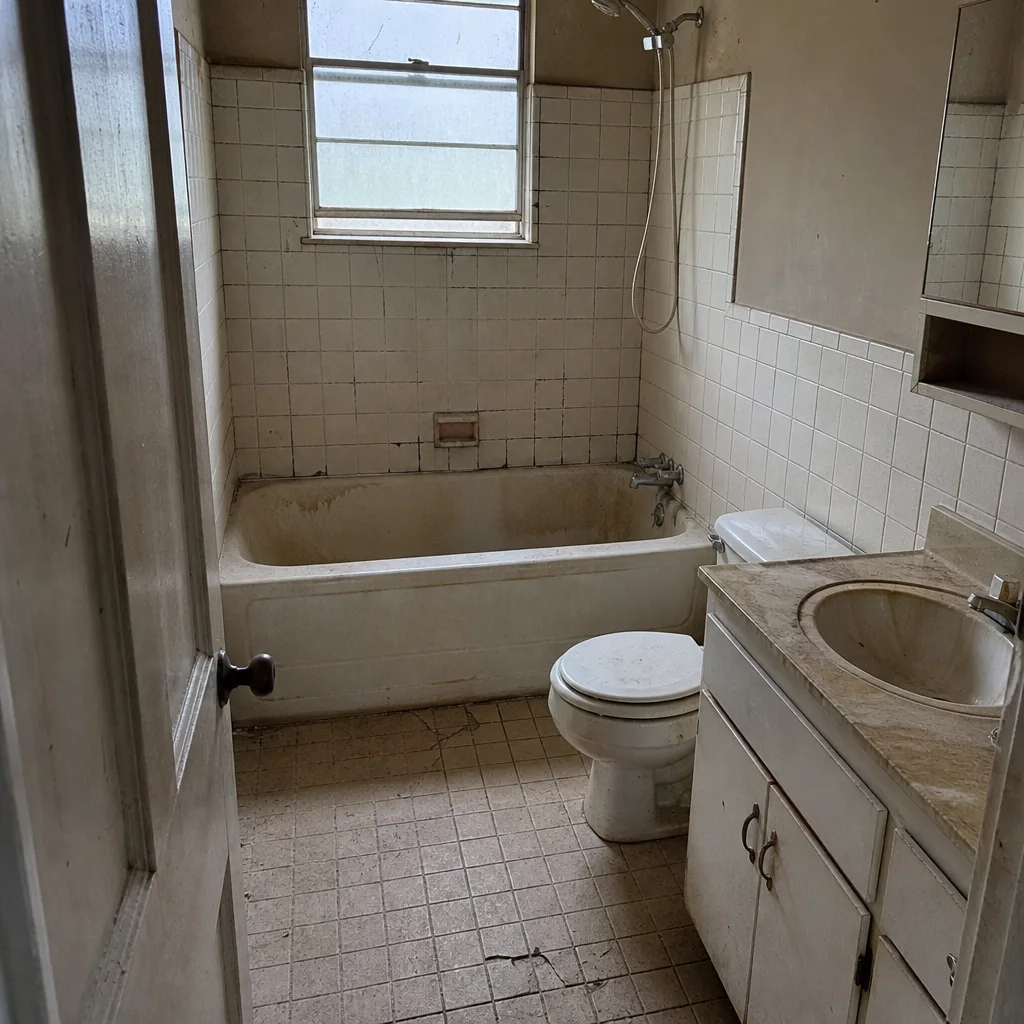 Before
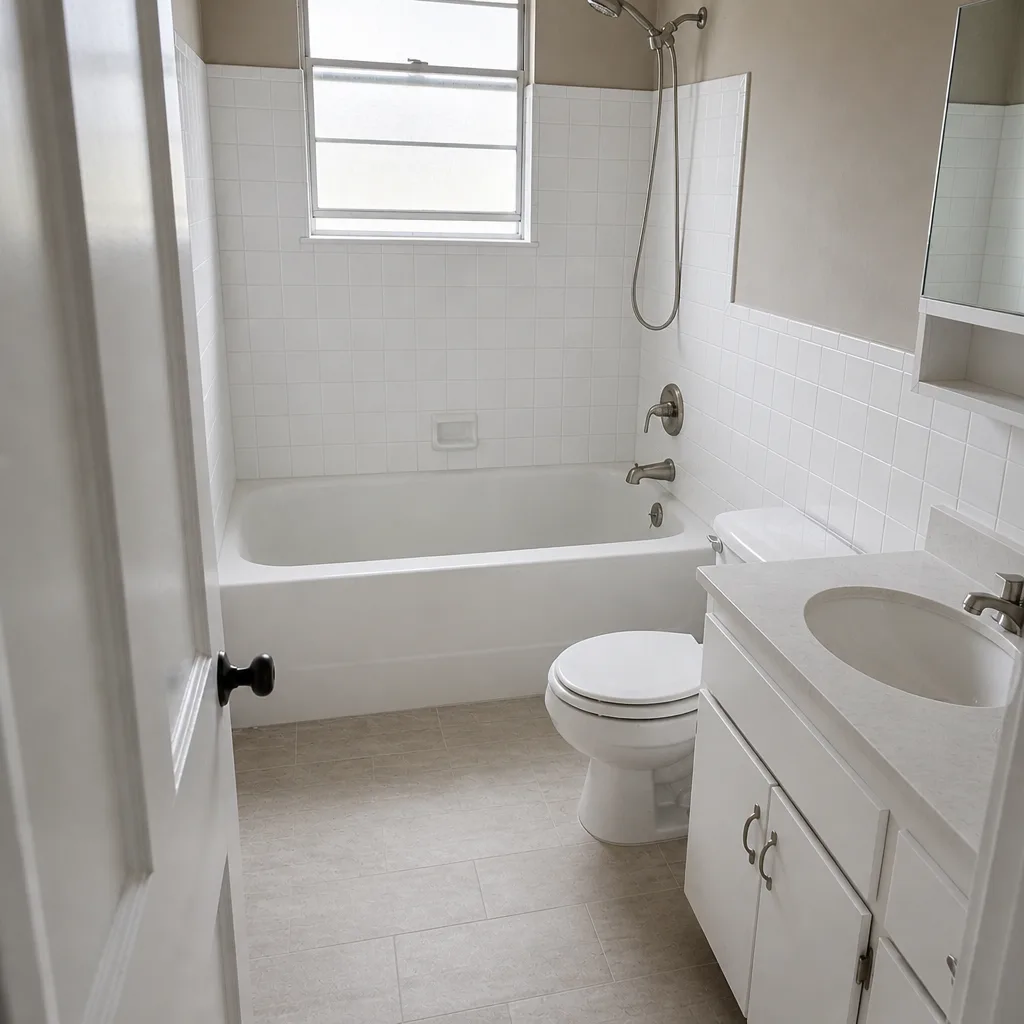 After
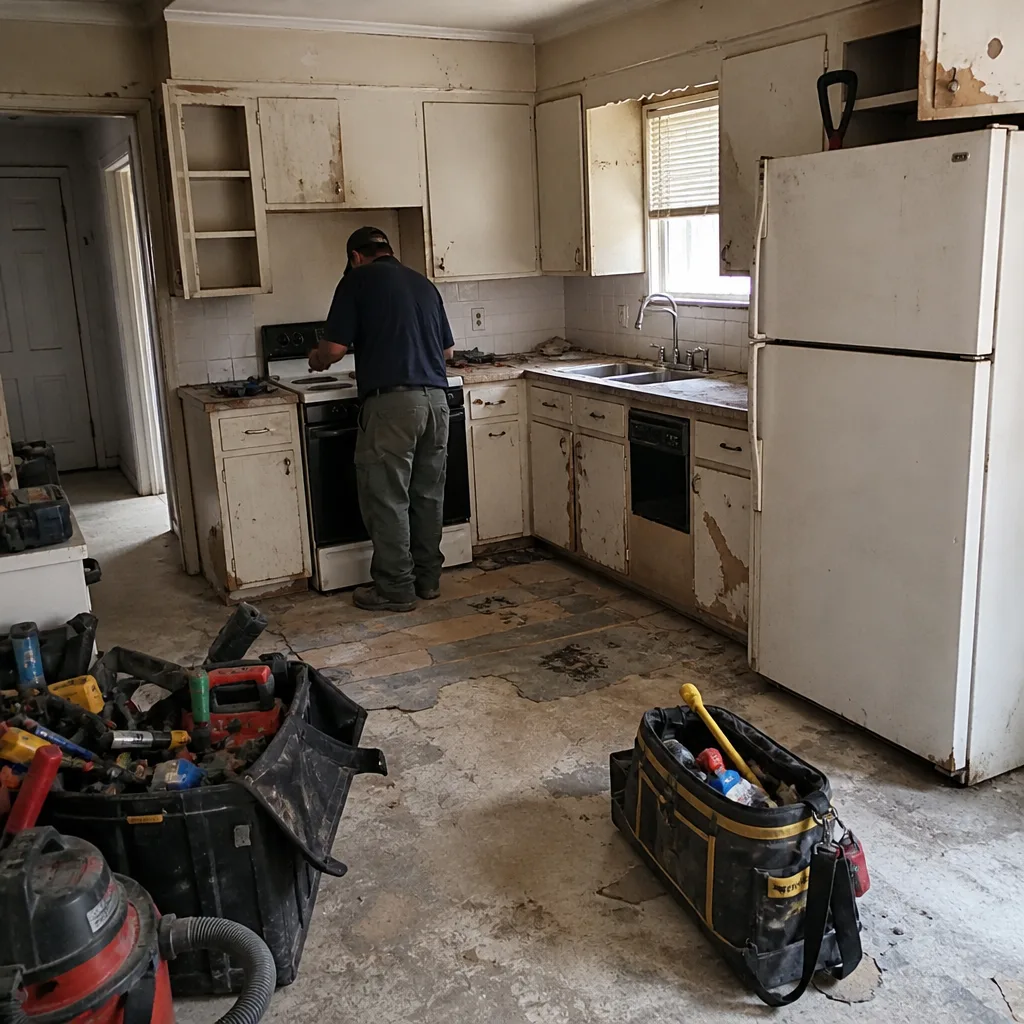 Before
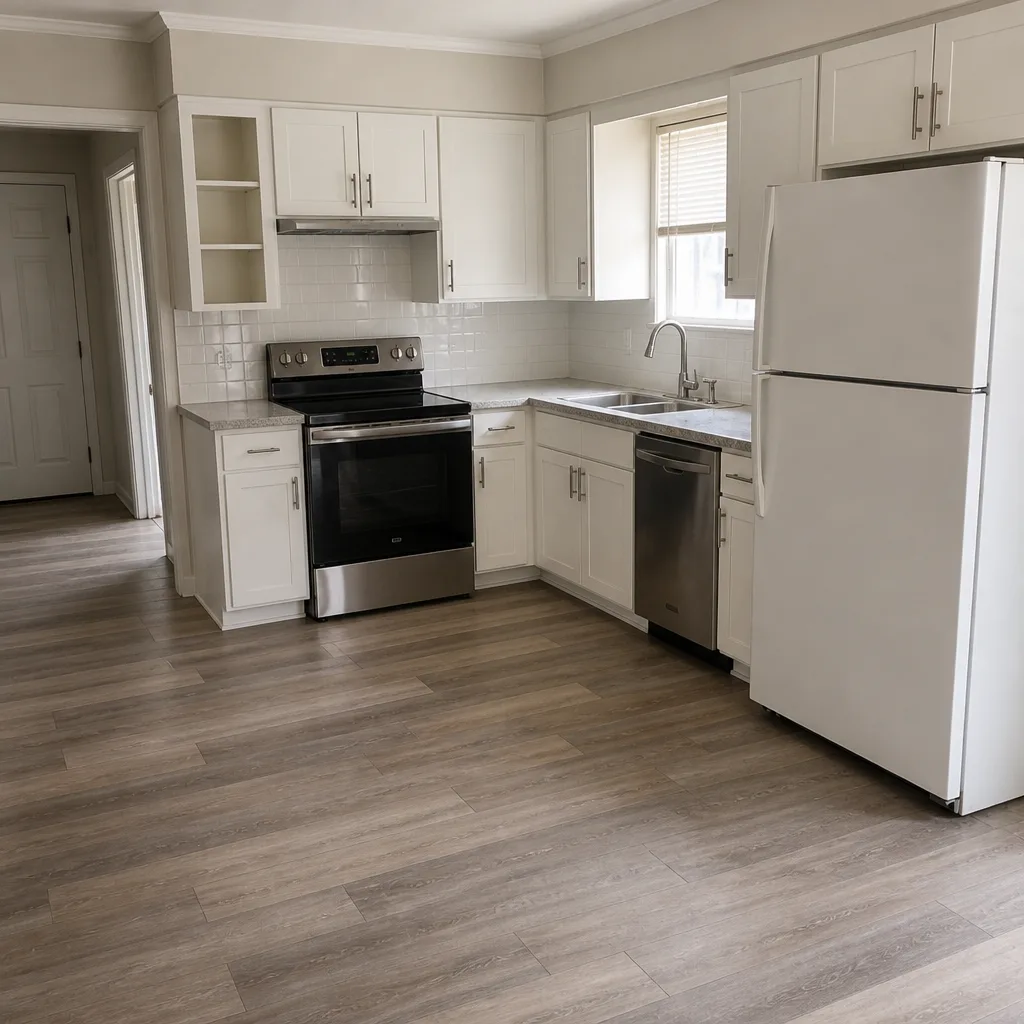 After
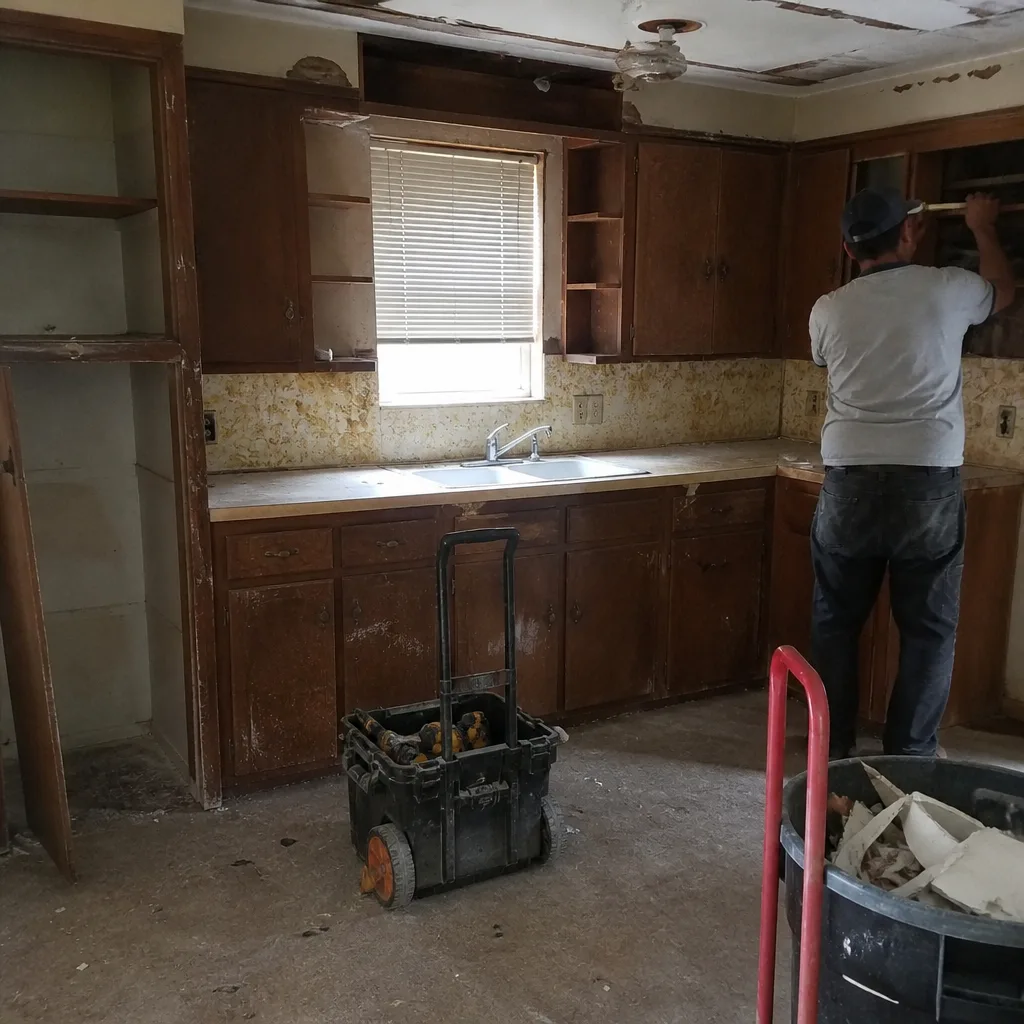 Before
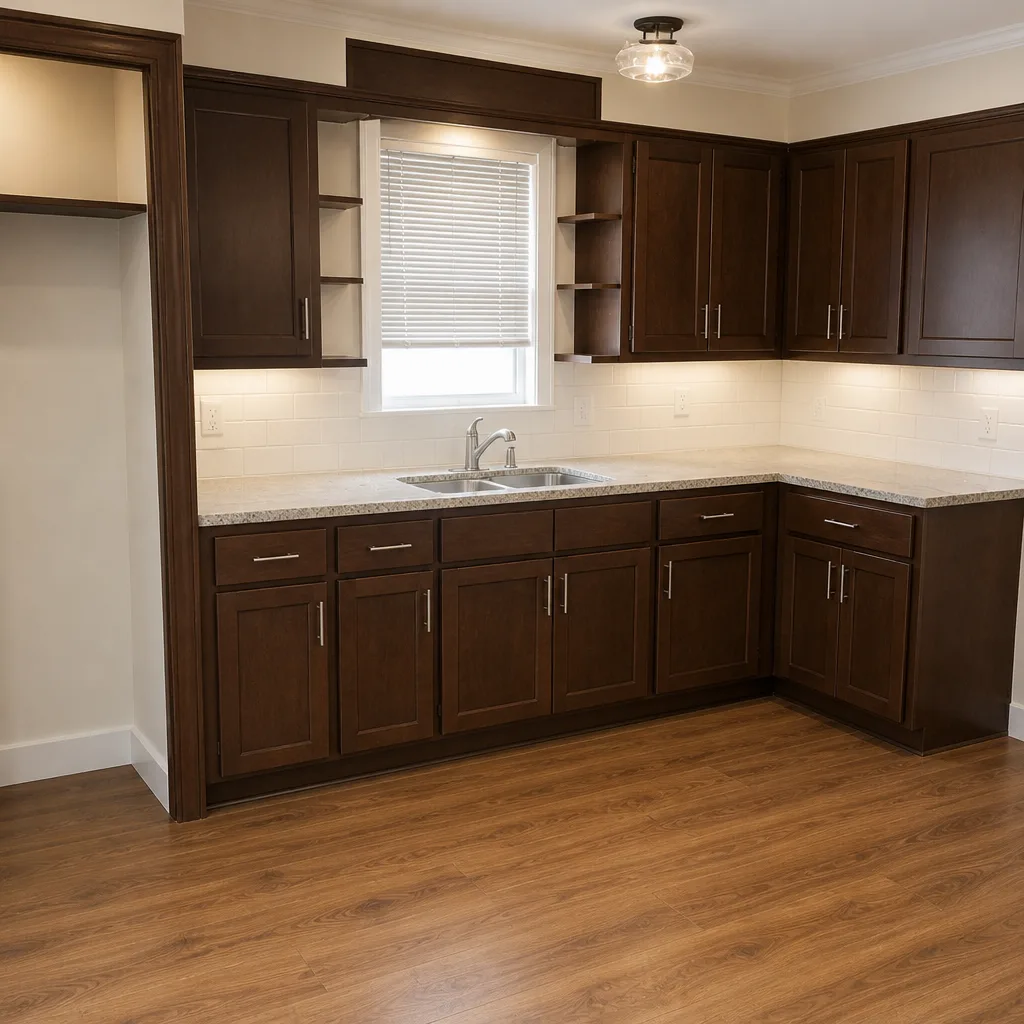 After
When to Call a Professional
Call a professional when the job requires a new base, when your driveway sits near the house or on any grade, when the apron or curb cut will change, or when existing pavers are rocking rather than just wearing. Those are the cases where the failure lives below the surface and the fix doubles the cost. For small cosmetic work on a stable driveway, you’re fine on your own. Rowan Construction Group Fort Worth offers free estimates in Fort Worth, and every quote is a flat written price with a written scope and a written warranty before any work starts. Call (833) 570-6084 to schedule yours, and bring a competitor’s quote if you have one – we’ll review it line by line at no charge.
Frequently Asked Questions
You can lay pavers yourself, but the base compaction is the part most homeowners can’t get right without contractor-grade equipment, and that’s what causes most Fort Worth paver failures. If your project needs a new sub-base, the honest answer is no – do the cosmetic work yourself and hire out anything structural.
Professional installed paver driveways in the Fort Worth market typically run about $12 to $20 per square foot, depending on paver brand, base conditions, and site access. A 600-square-foot driveway lands around $7,200 to $12,000 installed. Call (833) 570-6084 for an exact written quote – estimates are free.
A like-for-like replacement on private property usually doesn’t need one, but work in the public right-of-way – the curb cut or apron area – generally requires a right-of-way permit from the City of Fort Worth Public Works. If your project widens the approach or changes the curb cut, check before you start.
Usually not. A proper paver base needs about 3,000 to 4,000 pounds of compaction force in multiple passes, and a typical box-store rental plate compactor doesn’t reliably hit that number. More passes with a lighter machine also means more rental days, which eats the savings.
Not without your signature. Under the Haven Standard, the price is written before work begins, and no work proceeds on a change until the change order is signed – which is the discipline that has kept our projects within a few percent of the agreed cost. The written price and scope arrive before anyone picks up a tool.
A 600-square-foot driveway with a new base typically takes a crew two to four working days, depending on excavation, base conditions, and site access. A DIY version realistically runs 40 to 60 hours for a first-timer, usually spread across several weekends.
The Bottom Line
The DIY-and-professional split on paver driveways comes down to equipment access, not skill. Pattern design, polymeric sand re-application on a stable driveway, and single-paver swaps are genuinely safe to do yourself, and they save real money. Everything that requires tearing out and rebuilding the base, compacting stone to spec, setting edge restraint on a slope, or grading water away from your foundation belongs to a crew with the right equipment. In Fort Worth, the clay under your driveway decides the outcome, and the compaction you can’t see is what keeps the pavers you can. When your project turns structural, get a written price first and a documented record when the crew leaves.
Explore our related services across the trades – see Rowan Construction Group Fort Worth home, Driveway & Pavers in Fort Worth, Fence Installation in Fort Worth, and Home Additions & ADU in Fort Worth – and call (833) 570-6084 to schedule your free estimate. Bring a competitor’s quote and we’ll walk it line by line with you, no charge.
Written by the team at Rowan Construction Group Fort Worth.