Last updated November 18, 2026


Free written scope consultation - allowances, timeline, and change-order rules on paper before a single trade is scheduled
DIY vs Professional Home Additions & ADU: What’s Safe to Do Yourself
Here’s the part most DIY guides skip: in Texas, the line between “you can do this yourself” and “you legally can’t” isn’t drawn by how handy you are. It’s drawn by permit law, engineering sign-off requirements, and state licensing rules for electrical, plumbing, and HVAC work. A homeowner in Fort Worth can legally frame, insulate, paint, and trim an addition. The moment the scope crosses into a new circuit, a gas line, or a load-bearing wall, the rules change and the risk shifts onto your insurance policy. This guide walks through where that line sits in Tarrant County and Fort Worth, using the actual code and licensing requirements, so you know what’s genuinely safe to self-perform and what needs a licensed trade or a stamped drawing before anyone picks up a tool.
Quick Answer
In Fort Worth, you can safely and legally self-perform finish carpentry, insulation after framing inspection, painting, cabinet installation, and landscaping around an addition. You cannot legally self-perform electrical, plumbing, or HVAC work that requires a permit; Texas licensing rules require a licensed professional for those scopes. Structural work, foundation design, load-bearing wall removal, and roof tie-ins require a licensed engineer’s stamp in Fort Worth, and a permit application without one gets rejected. DIY saves money on finishes. It costs you more on anything that involves a permit, a stamp, or a trade license.
Styles & brands we work with
- Kitchen remodeling
- Bathroom remodeling
- Home additions & ADU
- Roofing
- Windows & doors
- Driveway & pavers
- Fence
Table of Contents
- What Texas Law Says About DIY vs Licensed Trades
- Fort Worth Permit Requirements and What Triggers an Inspection
- The Structural Tasks That Need an Engineer’s Stamp
- What’s Genuinely Safe to Do Yourself
- The Insurance Gap on Unpermitted DIY Work
- How to Structure a Hybrid Project
- Common Mistakes to Avoid
- When to Call a Professional
What Texas Law Says About DIY vs Licensed Trades
Texas draws clear licensing boundaries around three trades: electrical, plumbing, and HVAC. A homeowner can legally pull some permits and self-perform non-licensed scopes in Tarrant County, but the state restricts electrical work that requires a permit to licensed electricians, and a licensed master plumber must pull and sign off on plumbing permits. HVAC work falls under the same licensing framework. Those three scopes are not DIY-safe in Fort Worth, no matter how many YouTube tutorials you’ve watched.
Here’s the practical breakdown:
- Electrical: Any new circuit, panel work, or service change in an addition or ADU requires a permit, and the permit requires a licensed electrician to perform or directly supervise the work. A homeowner cannot self-perform this scope.
- Plumbing: New supply and drain lines, water heater relocation, and gas line work all require a licensed plumber to pull the permit and perform the work.
- HVAC: Ductwork, refrigerant lines, and equipment installation in an addition require a licensed HVAC contractor.
- Framing, drywall, insulation, finish carpentry, paint, tile, cabinetry: These scopes are not restricted by state license. A homeowner can legally self-perform them, provided the work passes inspection where inspection is required.
In our experience, most DIY homeowners in Fort Worth start with the right instinct: they want to save money on an addition using their own labor. The savings are real, but they only apply to the finish scopes. Trying to save money by wiring your own addition doesn’t produce a real saving. It produces a permit application that gets flagged, an insurance problem later, and a correction bill that erases any labor savings twice over.
Fort Worth Permit Requirements and What Triggers an Inspection
Every home addition and ADU in Fort Worth requires a building permit from the city. The permit process itself is where a lot of DIY projects fail before they start. The City of Fort Worth’s Development Services department requires construction drawings that show the addition’s footprint, structural details, electrical layout, plumbing routing, and energy code compliance. If a homeowner submits drawings without structural engineering detail, the permit gets kicked back. If a homeowner submits drawings that show a homeowner performing electrical work, the permit gets flagged for the licensed electrician requirement.
What triggers inspection in Fort Worth:
- Foundation inspection before pouring slabs. Reinforcing steel and form locations are verified.
- Framing inspection before insulation goes in. Rough electrical, plumbing, and HVAC are inspected at the same time.
- Insulation and drywall inspection after mechanical systems are approved, verifying energy code compliance.
- Final inspection after all scopes are complete, confirming the project matches the permitted scope.
Each inspection is a checkpoint. A homeowner who skips one and covers the work with drywall has created a project that cannot be sold without disclosure and cannot be insured properly. This is where the permit process functions as a protection for the homeowner, not just a bureaucratic cost. The city inspection record becomes the documented proof that the work was done to code.
The Structural Tasks That Need an Engineer’s Stamp
Structural changes in Fort Worth require a licensed engineer’s seal on the drawings submitted for permit. This isn’t a suggestion; the permit application will be rejected without it. The scopes that trigger the requirement:
- Foundation design for the addition, including slab-on-grade reinforcement detail and soil-bearing assumptions. Fort Worth soils have a lot of clay content, and expansion is a real design problem that engineers mitigate with piering or post-tensioned slabs.
- Load-bearing wall removal between the existing home and the addition. A beam designed to carry the new load requires engineering calculation, not a lumber estimate.
- Roof tie-in where the addition roof connects to the existing roof structure. The engineer specifies the connection detail, and the framing inspection verifies it.
- Second-story or ADU loft structures where the added load requires verification of existing structural members.
What happens to a permit application without an engineer’s stamp: it gets rejected at intake or during plan review. The application doesn’t get “approved with conditions.” It comes back. The homeowner then has to hire an engineer mid-project, which delays everything and costs more than getting it done at the front end. We’ve seen this pattern more than once on residential additions in Fort Worth, and the delay is usually two to six weeks.
If you’re planning the structural side of an addition, the specialists who handle Home Additions & ADU in Fort Worth deal with these engineering requirements on nearly every project and can point you toward which drawings the city will accept.
What’s Genuinely Safe to Do Yourself
The honest answer for a homeowner with time and reasonable skill: the finish work. Framing, insulation, drywall, paint, finish carpentry, cabinetry, tile, and landscaping all sit outside state licensing requirements in Texas, and all sit inside the scope a diligent homeowner can legally perform on their own addition in Fort Worth. The work still gets inspected, but the labor cost stays with you.
What a homeowner can safely self-perform after the framing and rough-trade inspections pass:
- Insulation installation. Once the framing inspection is signed off, installing batt or blown-in insulation is legal DIY and takes a weekend per room. It also requires care to hit the energy code R-value for Fort Worth’s climate zone, so read the code table before you buy.
- Drywall hanging and finishing. Heavy work, but legal and DIY-friendly. Consider hiring out the taping and floating if you want a level-4 finish.
- Painting. Priming and painting interior walls, ceilings, trim, and doors. No permit, no inspection, no licensing.
- Finish carpentry. Baseboards, casing, door and window trim, crown, and closet shelving.
- Cabinet installation. Hanging base and wall cabinets in the addition’s kitchen or utility room. If you go with brands like KraftMaid or Wellborn (both of which we specify on projects), the layout comes from the manufacturer and the install is a two-person job.
- Tile work. Floor tile, backsplash, and shower tile if the shower pan and waterproofing are already inspected.
- Landscaping around the addition. Grading, sod, planting, and hardscape outside the footprint. If you’re grading, make sure water runs away from the foundation. That’s the same rule that applies to Driveway & Pavers in Fort Worth installation, where slope and drainage determine whether the pavers hold up after a season of North Texas rain.
That list is where the real labor savings live. Cabinet installation on a $30,000 kitchen can save $2,000 to $4,000 in labor. Insulating an 800-square-foot addition can save $1,500 to $3,000. Those are real numbers a homeowner can put back into a project budget.
The Insurance Gap on Unpermitted DIY Work
Here’s the part that costs the most, and it comes from your insurance policy rather than your building inspector. Most homeowners policies include a faulty workmanship exclusion. If a loss happens in a DIY addition and the insurer’s adjuster determines the cause was faulty work, the loss is denied. “Faulty workmanship” is standard policy language: it typically excludes losses caused by defective work by the insured, defective materials, and work that did not meet applicable building codes. A permitted, inspected, contractor-built addition carries a documented record of code compliance. A DIY addition without inspection does not.
Consider two scenarios:
- The insured scenario: An addition built under permit with inspections signed off, a licensed electrician’s work documented, and a contractor warranty on file. A fire or water loss caused by the electrical system is covered because the work was code-compliant and documented.
- The uninsured scenario: An addition where the homeowner pulled a permit but wired the electrical scope themselves through a licensed electrician’s sign-off. If a failure happens and the insurer’s investigation reveals the homeowner performed the work, the faulty workmanship exclusion applies in most policies.
This isn’t a scare tactic; it’s how the policy language gets applied in claims. We’ve watched homeowners learn the exclusion exists after a loss, and that’s the wrong time to learn it. The safer structure is simple: licensed trades pull their own permits and do their own work, and the homeowner self-performs only the scopes that don’t trigger the exclusion.
How to Structure a Hybrid Project
The hybrid project is the right answer for most Fort Worth homeowners who want to save money without taking on legal or structural risk. You handle the finishes. The licensed trades handle anything that requires a permit. The general contractor (if you use one) coordinates the inspection sequence and holds the schedule. Documenting each phase is what makes this structure work, especially if you ever want to sell the home or file an insurance claim.
- Get the permit under one applicant. Either the homeowner or the general contractor can be the applicant, but the drawings and inspection records need to sit in one package. Mixed applications around Tarrant County create confusion at final inspection.
- Contract the licensed scopes to licensed trades. Written contracts with each trade, including scope, warranty, and the license number of the journeyman or master performing the work. Keep copies of their pulls.
- Sequence inspections correctly. Foundation, framing plus rough trades, insulation, final. No drywall covers the rough trades until the framing inspection is signed off.
- Keep a documented photo record of everything you self-perform. Framing details, insulation R-value, cabinet fastening, tile waterproofing. Photos taken at each phase become evidence if anything goes wrong.
- Keep the signed change orders and the written scope for each phase. Even small changes on self-performed work benefit from a written note in your project file. It documents the sequence.
- Get a final inspection sign-off. Keep the signed permit card for as long as you own the home. This is the single best insurance document you can have.
Rowan Construction Group Fort Worth structures hybrid projects this way because under Clause 1 of the Haven Standard, the price is written before anyone starts, and every phase carries a documented record. If you want to review the structure of a written estimate before you commit, our Free Second Opinion service will review any competitor’s quote line by line at no charge. You can see the trades we cover on the Rowan Construction Group Fort Worth home page.
Common Mistakes to Avoid
- Pulling a permit as a homeowner but hiring unlicensed trades to do the work. Two sentences: the permit applicant is the homeowner, but the work is done by an unlicensed crew. If anything fails, the insurer’s investigation turns on who performed the work, not who signed the permit.
- Skipping the framing inspection before insulating. Two sentences: Fort Worth requires it, and the inspection happens before insulation and drywall. Once the wall is covered, the correction cost typically runs into the thousands.
- Removing a load-bearing wall without an engineer’s stamp. Two sentences: this happens more often than it should in Fort Worth’s older neighborhoods where homeowners want an open plan. The permit application comes back rejected, and the temporary shoring cost during the delay is substantial.
- Self-performing electrical work under a licensed electrician’s sign-off. Two sentences: the permit may pass inspection, but the faulty workmanship exclusion in the homeowner’s policy still applies to work the homeowner did. We’ve seen this trip up a Fort Worth homeowner after a kitchen fire.
- Not documenting the self-performed phases with photos. Two sentences: a photo record of framing, insulation, and waterproofing is the only evidence you’ll have years later if a warranty issue comes up. Take more photos than you think you need.
- Running new plumbing into a slab without the stub-out inspection. Two sentences: slab plumbing in Fort Worth requires an inspection before the concrete is poured, and a lot of DIY projects miss this step. The repair cost usually exceeds the labor savings.
- Grading the landscaping so water runs toward the foundation. Two sentences: North Texas clay swells when it gets wet, and a bad grade moves that water right into the addition’s foundation. Slope the finish grade away from the home at roughly six inches over the first ten feet.
When to Call a Professional
Call a licensed professional the moment a scope crosses into electrical, plumbing, HVAC, structural, or anything that triggers a permit. That includes every new circuit, every new plumbing run, any change to the load path, any foundation design, any roof tie-in, and any scope the City of Fort Worth inspects. It also includes the design work for the ADU floor plan, the permit drawings, and the engineering stamp. The trades you can safely do yourself are the finishes, but the coordination of the whole project is often easier with a general contractor than without one. If you’re pricing out an addition or ADU in Fort Worth, call (833) 570-6084 for a free estimate, or bring a competitor’s written quote for a Free Second Opinion line-by-line review at no charge.
See the difference
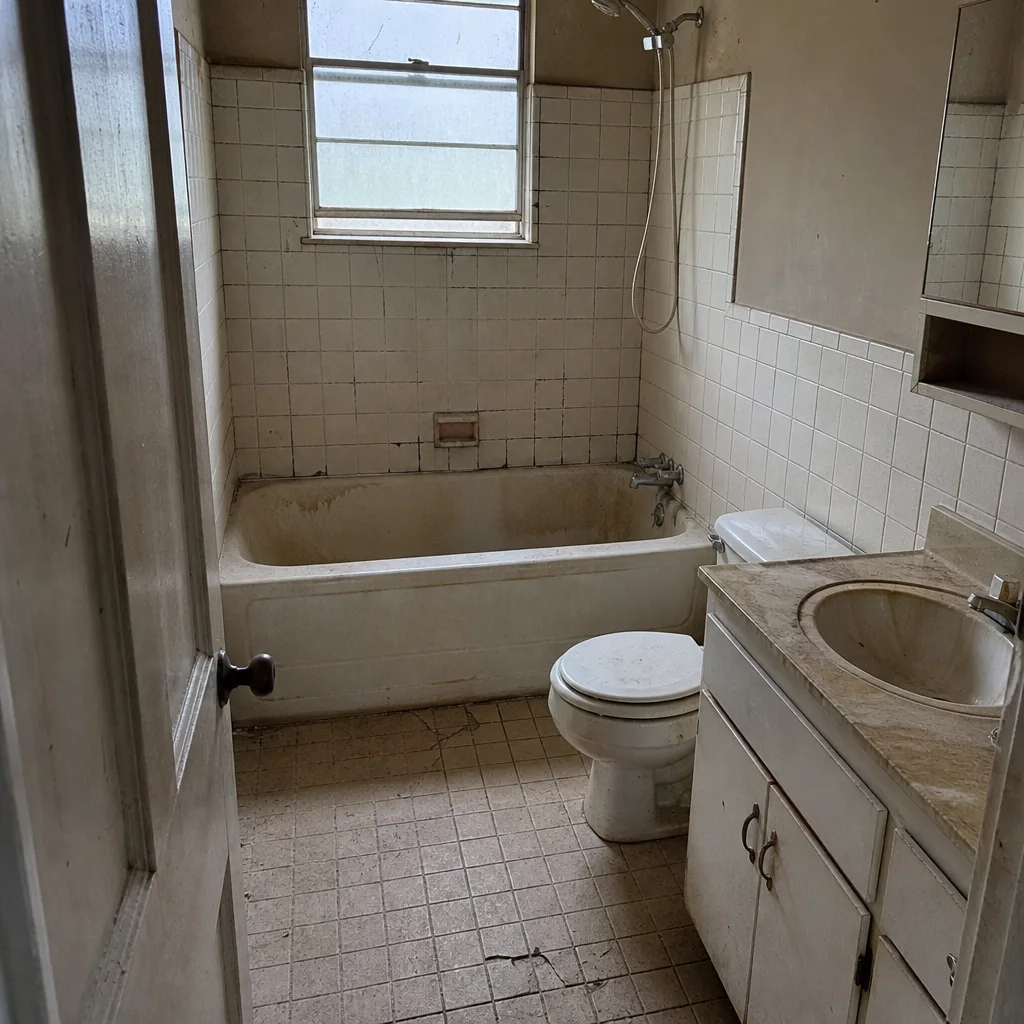 Before
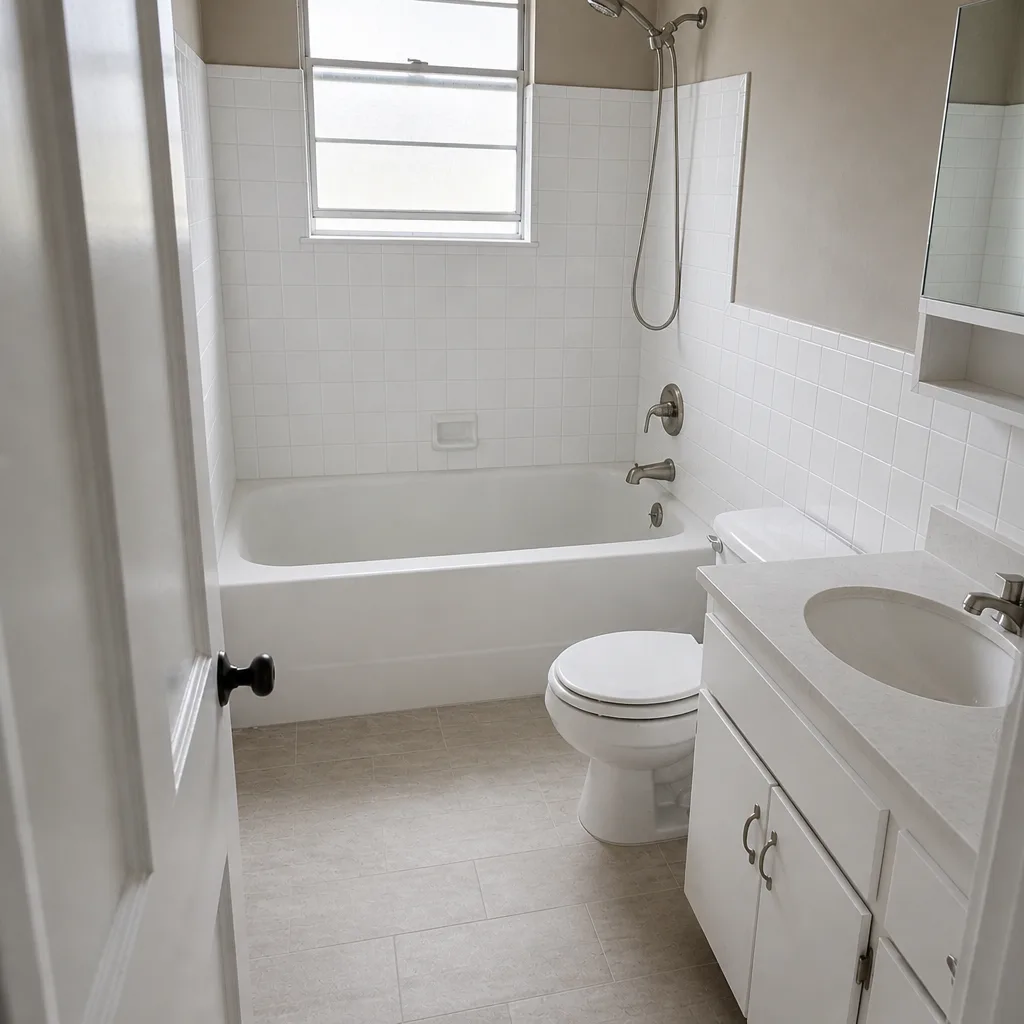 After
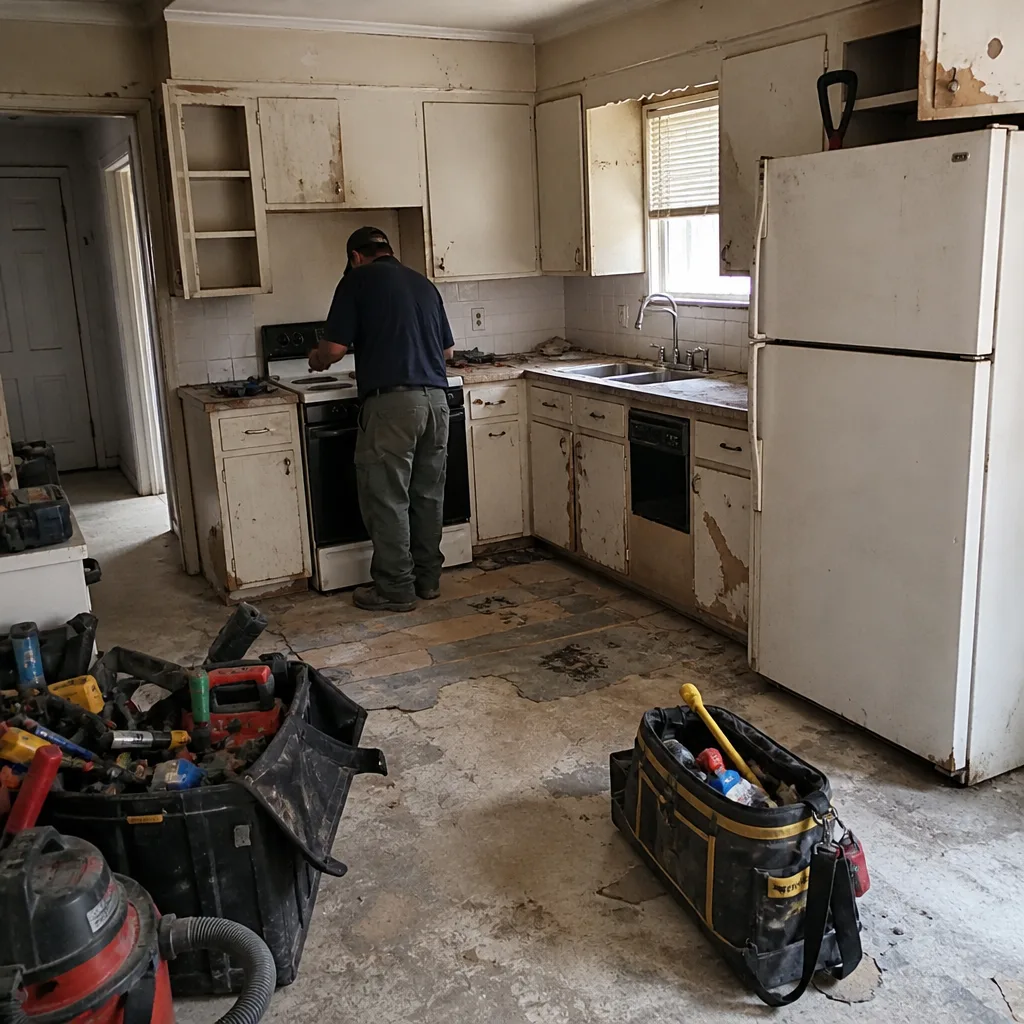 Before
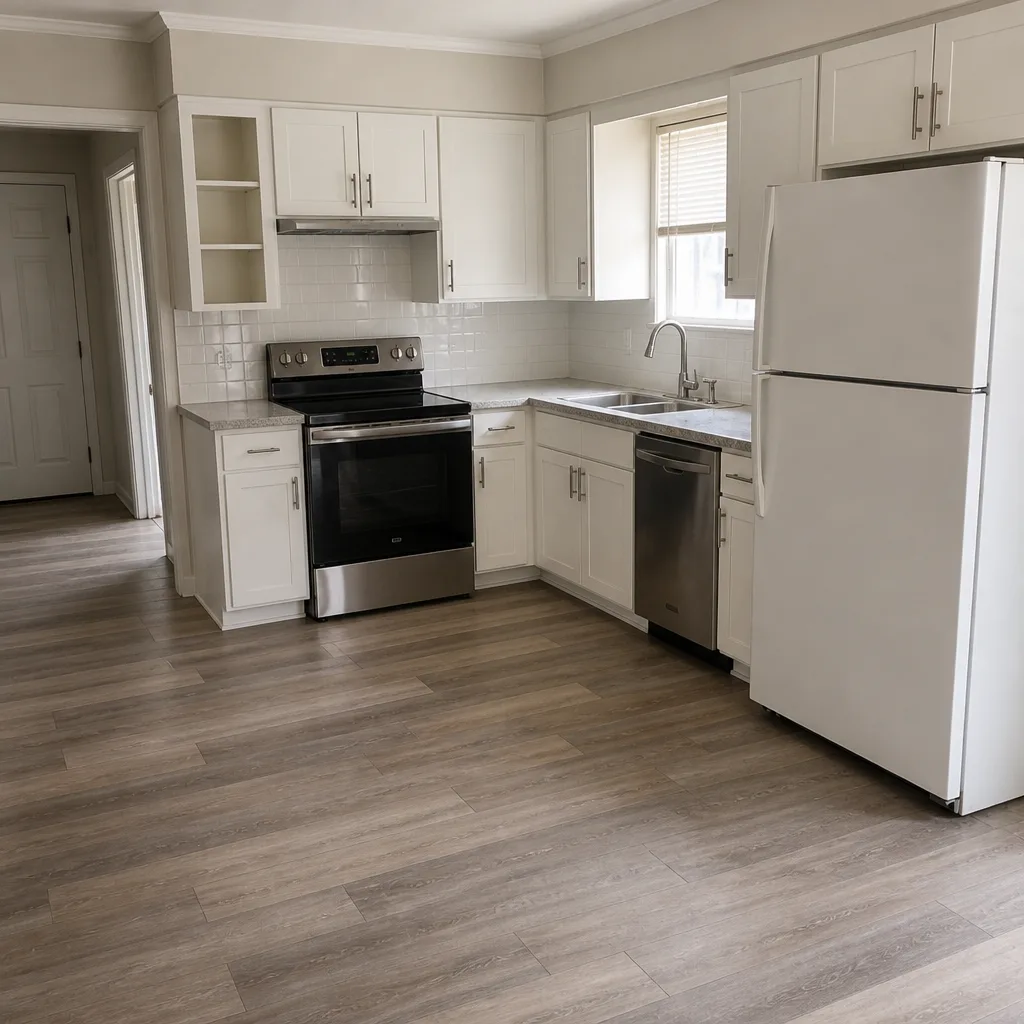 After
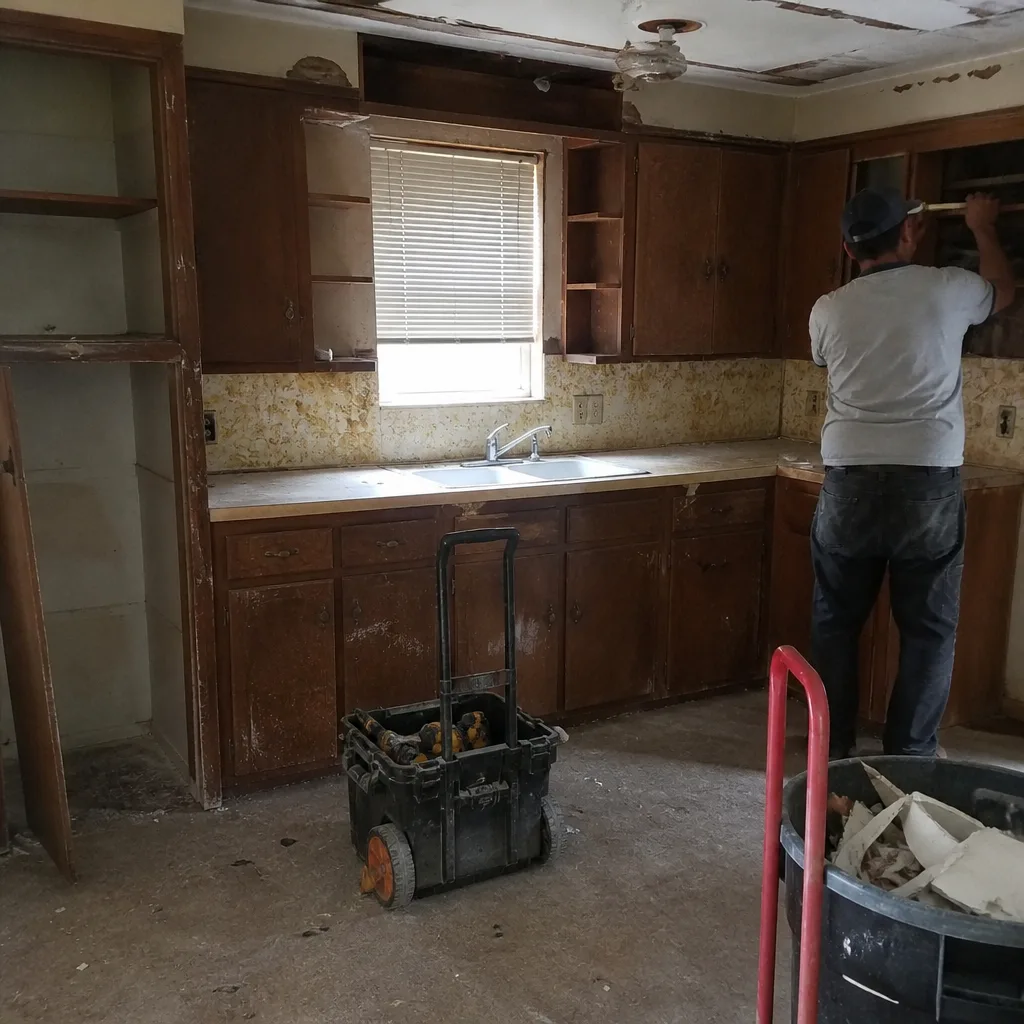 Before
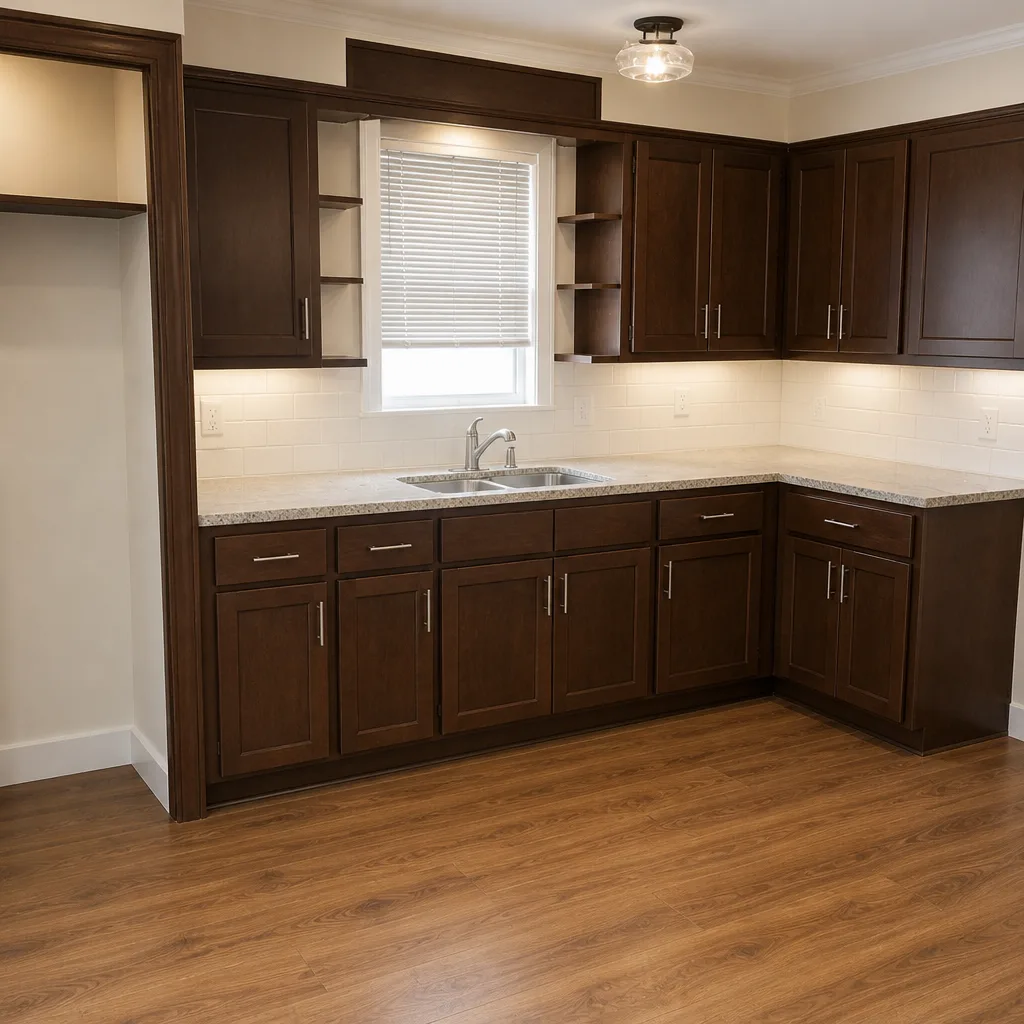 After
Frequently Asked Questions

No. Any electrical work that requires a permit in Fort Worth must be performed by or under the direct supervision of a licensed electrician, per Texas licensing rules. A homeowner cannot pull the permit for their own new-circuit electrical work in an addition or ADU. Call (833) 570-6084 for an exact quote on the licensed portion of the scope; estimates are free.
The faulty workmanship exclusion is standard language in most homeowners policies that denies a loss caused by defective work, defective materials, or work that didn’t meet building code. It typically applies to work the homeowner performed themselves, even if a licensed trade pulled the permit. If a loss happens in a DIY addition, the insurer’s investigation focuses on who did the work and whether it was inspected. Call (833) 570-6084 to talk through how to document a hybrid project so the exclusion doesn’t come into play.
Yes, for any foundation design, load-bearing wall removal, roof tie-in, or second-story structure. Fort Worth’s plan review will reject a permit application that doesn’t include an engineer’s seal on the structural drawings. The exception is a simple addition that doesn’t touch the load path, but plan review decides that case by case.
Finish carpentry, insulation installation after framing inspection, drywall, painting, cabinet installation, tile work, and landscaping around the addition. None of those scopes require a state license in Texas. Each is inspected if it falls within the permitted scope, so photograph the work at each phase for documentation.
You wind up with a project that cannot be sold without disclosure, cannot be insured properly, and may be subject to correction orders if the city finds out. The final inspection sign-off is the document that makes the addition real for insurance, resale, and appraisal purposes. The risk of skipping it is far larger than the fee.
Typical fully contracted additions in Fort Worth run $180 to $300 per square foot depending on scope, quality of finishes, and structural complexity. Self-performing the finish trades can save $20 to $40 per square foot, or roughly $15,000 to $30,000 on an 800-square-foot addition. The structural, electrical, plumbing, and HVAC scopes should remain with licensed trades. Call (833) 570-6084 for an exact quote on the portion of the addition Rowan can handle; estimates are free and every visit includes a documented photo record. If you’re also planning the fence around the addition, Fence Installation in Fort Worth covers shoring and materials. You’ll see quality fence products from brands like Master Halco and Ameristar specified on nearly every job. If your addition landscaping includes hardscape, the paver specialists we work with source material from Belgard and Techo-Bloc.
The Bottom Line
DIY home additions and ADUs work in Fort Worth only when the homeowner understands where the legal line sits. Finish carpentry, insulation after framing inspection, drywall, paint, cabinetry, tile, and landscaping are safe to self-perform and save real money. Electrical, plumbing, HVAC, structural, and any scope that triggers a permit belong to licensed trades and licensed engineers. The permit process and the inspection record protect the homeowner’s insurability, resale value, and warranty rights. Homeowners who respect that line save $15,000 to $30,000 on an average addition. Homeowners who cross it lose far more than they save. For a written price before anyone picks up a tool, and a documented record when the job is done, that’s the standard Rowan Construction Group Fort Worth has been working under since the founding discipline behind the Haven Standard.
Get a Free Estimate on the Licensed Portion of Your Addition
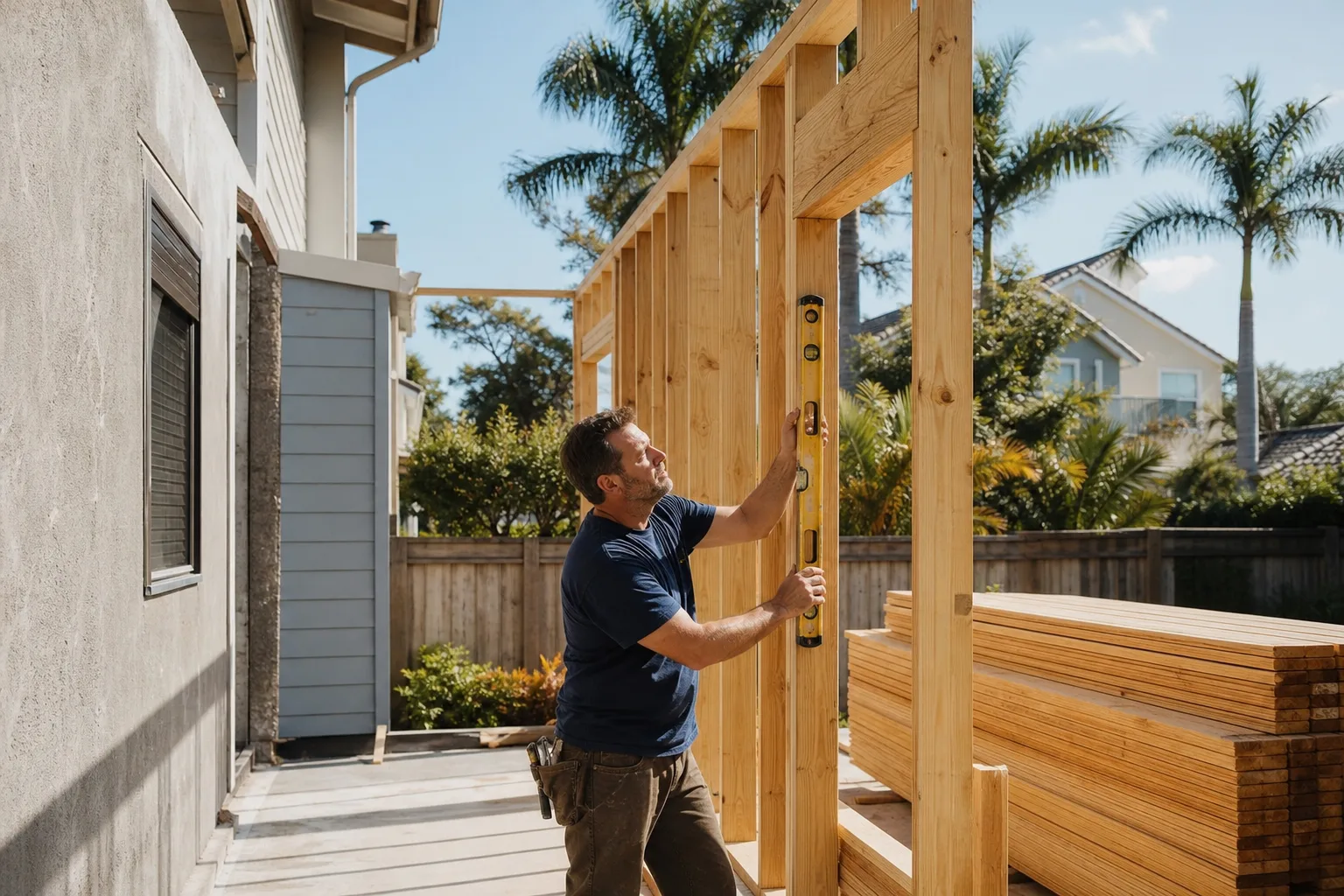
If you’re planning a home addition or ADU in Fort Worth and want to know exactly what the licensed portion costs before you pick up a hammer, call Rowan Construction Group Fort Worth at (833) 570-6084 for a free estimate. Every quote is a flat written price with a written scope and a written warranty. No change proceeds without a signed change order. Bring a competitor’s written estimate and we’ll review it line by line at no charge through our Free Second Opinion service. Every visit includes a documented photo record of what we found and what we recommend, and our technicians have up to 19 years of experience across the seven trades we cover, from kitchen and bathroom remodeling through roofing, windows, fencing, driveway pavers, and full additions. Background-checked, uniformed technicians, and a live person answering calls 24/7. Under the 365-Day Done Right Promise, if it’s not done right, we make it right. Call us today for your free estimate.
Written by the team at Rowan Construction Group Fort Worth.