Last updated November 18, 2026


Free written scope consultation - allowances, timeline, and change-order rules on paper before a single trade is scheduled
DIY vs Professional Windows & Doors: What’s Safe to Do Yourself
Replacing a like-for-like window in the same opening, at the same dimensions, requires no permit in Fort Worth. Enlarging that opening by four inches to fit a wider unit requires a structural permit and a framing inspection – a fact that surprises plenty of homeowners who’ve already ordered the window. The line between a weekend project and a permitted job isn’t about how handy you are. It’s about what the city inspects and what a certificate of occupancy depends on. In this guide we’ll walk the Fort Worth permit matrix task by task, show real labor benchmarks in dollars, explain why flashing failures show up years later, and mark clearly where DIY stops being legal, insurable, or safe.
Quick Answer
In Fort Worth, cosmetic and operational window and door work – weatherstripping, hardware, caulk, in-kind sash replacement – needs no permit and is safe for a careful homeowner. New openings, enlarged openings, egress window changes, and structural header work on exterior doors always require a permit, an inspection, and a licensed professional. Any glass swap on a modern insulated unit is a factory job, not a driveway job, if you want the ENERGY STAR rating to survive.
Styles & brands we work with
- Kitchen remodeling
- Bathroom remodeling
- Home additions & ADU
- Roofing
- Windows & doors
- Driveway & pavers
- Fence
Table of Contents
- The Fort Worth Permit Matrix: What Needs Paperwork
- Jobs You Can Legally Do Yourself in Fort Worth
- Jobs That Always Require a Permit
- Why DIY Insulated Glass Unit Replacement Fails
- Flashing: The DIY Error That Shows Up Years Later
- What Professional Installation Actually Costs
- How Documentation Protects Your Manufacturer Warranty
- Common Mistakes to Avoid
The Fort Worth Permit Matrix: What Needs Paperwork
Fort Worth draws its permit line by the shape of the opening, not by the size of the job. If the opening doesn’t change and the framing isn’t touched, most window and door work sits on the homeowner side of the line. The moment you cut framing, widen a rough opening, or change how a door carries load, the job moves to the permitted side and a city inspector enters the picture. That inspection record is what keeps your certificate of occupancy clean and your resale disclosure honest.
The matrix below is the short version we walk customers through before they order anything. Getting this wrong in the wrong order is how homeowners end up with a window in a crate, a permit they can’t pull, and a contractor who won’t touch a pre-purchased unit without a written scope.
- No permit, homeowner-safe: weatherstripping and door sweeps, lock sets and deadbolts, handles and cranks, caulk and sealant replacement, screen replacement, in-kind sash replacement at the same dimensions.
- Permit required: any new opening in an exterior wall, any enlargement of an existing opening, egress window additions or changes in a bedroom, structural header work above exterior doors, and any change to the wall’s structural path.
- Grey area that leans permitted: switching a window from a fixed unit to an operating unit where the rough opening framing changes, and converting a window to a door or vice versa.
One more Fort Worth detail: in older neighborhoods like Ryan Place, Mistletoe Heights, and parts of the Near Southside, exterior alterations can also trigger historic or neighborhood design review, which sits on top of the building permit. That review isn’t fast, and the window order shouldn’t be placed until it clears. Our Rowan Construction Group Fort Worth home page outlines how we sequence permits and material orders so nothing sits in a crate waiting on paperwork.
Jobs You Can Legally Do Yourself in Fort Worth
Plenty of window and door work is genuinely DIY territory, and we’d rather you save the money on these tasks and spend it where it matters. The test is simple: does the work touch framing, glass, or the weather barrier? If no, you’re probably fine. If yes, keep reading past this section.
Weatherstripping is the highest-value DIY job on the list. In Fort Worth, our summer heat pushes attic temperatures past 140°F and our spring storms drive rain sideways, so door weatherstripping wears out fast – we see compression seals flattened within three to four seasons on west-facing doors. Replacing a door sweep takes an hour and costs under $30 in materials. Lock sets and deadbolts are similar: standard backset, standard prep, a screwdriver and fifteen minutes. Caulk around exterior window trim is the third job worth doing yourself, and it should be redone roughly every three years in our climate because the UV load breaks down acrylic caulk faster here than most national guides assume. In-kind sash replacement – same dimensions, same opening – is the largest DIY job on the safe list, and it’s legal without a permit in Fort Worth.
- Inspect first. Check the sash, the seal, the weatherstrip, and the framing for rot or water staining before you order a replacement.
- Measure the rough opening, not the visible glass. Pull the interior trim if you can and confirm the actual rough dimensions against the manufacturer spec sheet.
- Order the exact same size unit. Any size change moves the job off the safe list.
- Document the existing condition with photos. This matters later if a warranty question comes up.
- Install during dry, mild weather. Fort Worth afternoons in July and August are not a window swap window.
Jobs That Always Require a Permit
Anything that changes the structural envelope of the house needs a permit in Fort Worth, full stop. That includes new openings in an exterior wall, enlarging an existing opening, adding or changing an egress window in a bedroom, and any exterior door header work. Egress is the one homeowners underestimate the most, because the code requirement is deadly serious: a bedroom needs a window with a clear opening of at least 5.7 square feet, a minimum width of 20 inches, and a minimum height of 24 inches, with the sill no higher than 44 inches from the floor. Miss any of those and the room isn’t legally a bedroom. Homeowners who change a bedroom window to a smaller or higher unit without checking those dimensions have quietly declassified a room – and that surfaces at appraisal or resale, not on the day of installation.
Structural header work above an exterior door is the other category that homeowners try to treat as cosmetic. It never is. The header carries the wall load above the door, and changing the door width without engineering the header is a structural problem the inspector will catch and a future buyer’s inspector will catch again. In Fort Worth, a permit for this work also triggers a framing inspection, which means the framing has to be open and photographable before the drywall goes back up. That inspection step is one of the reasons we insist on a written scope and a documented photo record on every visit under the Haven Standard – the photos become the record of what was found, what was framed, and what the inspector signed off on.
One more permit trigger worth naming: if the work is part of a larger scope, like turning a garage into a bedroom or adding a room, the window and door work is folded into the larger permit set. If you’re planning something like that, our Home Additions & ADU in Fort Worth page explains how the sequence works from permit application to final inspection.
Why DIY Insulated Glass Unit Replacement Fails
Swapping a failed insulated glass unit – the sealed pane assembly that goes foggy when the seal breaks – looks like a DIY job and mostly isn’t one. The mechanics are straightforward: remove the stops, pull the old unit, seat the new one, replace the stops. The problem is the seal itself. A modern IGU is filled with argon or krypton gas and sealed in a factory clean room. Once you break that seal at home, the gas escapes and the unit loses its energy performance. That’s not a minor detail. ENERGY STAR certification is tied to the assembly’s tested performance, and a re-sealed or hand-glazed replacement won’t carry it.
In Fort Worth, that gap matters more than it does in cooler climates. Our summer design temperatures push the glass harder, and a failed seal shows up fast – condensation between the panes, a hazy look, a hot spot in the room in August. We see IGU failures concentrated on south and west exposures, where the daily thermal cycling is most severe. The manufacturer’s replacement unit comes sealed from the factory with the gas fill and the low-emissivity coating intact. A hardware store pane does not.
- What’s safe to check yourself: the fog test (condensation between panes means a failed seal), the trim and stops for rot, and the sash operation.
- What requires a factory unit: the glass swap itself, if you want the ENERGY STAR spec and the manufacturer warranty to survive.
- What voids the warranty immediately: re-glazing the existing sash, using a non-approved sealant, or installing a unit that isn’t the manufacturer’s spec.
Flashing: The DIY Error That Shows Up Years Later
Flashing is the weather barrier detail around a window opening – the sill pan, the tape, the layered shingle-style laps that direct water out and away from the rough opening. It’s the least glamorous part of window installation and the single most common DIY failure. Done wrong, it doesn’t look wrong. The window sits in the opening, the trim goes on, the caulk looks clean, and everything looks finished. Then the water works its way in behind the trim for two to five years before you see staining on the interior drywall, soft sheathing, or a bubbling paint line.
Our Fort Worth climate is unforgiving of a bad flashing job. Spring storms drop heavy rain in short bursts, and the wind-driven rain we get in April and May finds every weak lap. We’ve opened walls in neighborhoods like Wedgwood and Arlington Heights where a homeowner-installed window looked fine on the interior and had rotted sheathing behind it, which is the kind of repair that costs more than the original installation ever would have.
- Slope the sill pan. Water has to drain out, not sit against the rough sill.
- Layer the laps in shingle fashion. Bottom to top, each layer sheds over the one below it.
- Tape the seams with the manufacturer’s specified tape. Not generic caulk, not housewrap tape chosen because it was in the truck.
- Integrate the flashing with the weather barrier. The window flashing has to tie into the wall’s weather barrier, not just sit against it.
- Leave the head flashing to shed over the side flashing. The top of the opening is where most failures start.
If you’re also working on the outside of the house, some of the same weather-barrier logic applies to fence and hardscape work, and our Fence Installation in Fort Worth guide covers how we set posts and manage water at grade.
What Professional Installation Actually Costs
Labor benchmarks are the number homeowners actually need, because materials are visible on the sticker and labor isn’t. For a single window replacement in Fort Worth, labor typically runs $150 – $300 per opening, depending on whether it’s a like-for-like replacement or a full-frame replacement with new trim. A patio door runs $300 – $500 in labor. Those figures let you calculate the real gap between DIY and professional – and the gap is usually smaller than the risk you’d be taking on.
The table below shows the honest ranges. These are labor, not materials, and they move with the complexity of the opening, the number of units, and whether the trim is being replaced at the same time.
- Single window, like-for-like, same opening: $150 – $300 in labor per unit.
- Single window, full-frame replacement: $250 – $400 in labor per unit.
- Patio door replacement, same rough opening: $300 – $500 in labor.
- Exterior door with header work: permit and framing inspection add cost on top of labor and materials.
- IGU replacement, per unit: labor is modest, but the factory-sealed unit carries the real cost.
That’s the number to screenshot. Under Clause 1 of the Haven Standard, the written price is delivered before any work starts, and no change proceeds without a signed change order – which is why projects finish within a few percent of the number the customer agreed to. If you’re comparing a contractor’s quote against doing it yourself, our Driveway & Pavers in Fort Worth page shows the same written-scope discipline applied to a different trade, which is a useful comparison.
How Documentation Protects Your Manufacturer Warranty
Most window brands void the installation warranty – and sometimes the product warranty – when the unit is installed by someone who isn’t a licensed professional, or when the installation doesn’t follow the manufacturer’s written spec. That’s true across the major brands we source, including James Hardie exterior assemblies and the trim systems that pair with their products. The warranty is a document, and the document has conditions.
The thing that protects you is documentation. A signed change order, a written scope, a photo record of the flashing and the framing, and the inspector’s sign-off are the paper trail a warranty claim depends on. Under the Haven Standard, that photo record is a standard deliverable on every visit, not an upgrade, and the 365-Day Done Right Promise means if the install isn’t right, it gets made right. If you already have a written estimate from another contractor and you’re not sure whether the warranty language holds up, our Free Second Opinion on any written estimate is a straight line-by-line review at no charge.
One more practical note: if you’re replacing windows as part of a broader scope, like a kitchen or bath renovation, the documentation chain gets longer, not shorter. KraftMaid and Wellborn cabinetry both come with their own installation and warranty requirements, and those interact with the window and door specs. A single written scope covering the whole job is what keeps the picture clear.
Common Mistakes to Avoid
- Ordering the window before checking the permit line. Homeowners in Fort Worth routinely buy a wider unit before confirming the opening can legally change, and then the window sits in a crate while the permit runs.
- Skipping the sill pan on a DIY install. The most common flashing failure we see is a window set with no sloped sill, which channels water straight into the rough sill.
- Using the wrong tape or caulk on the weather barrier. Generic caulk is not flashing. The manufacturer spec sheet tells you exactly what to use, and it is not optional.
- Changing a bedroom window without checking egress dimensions. A smaller or higher sash turns a legal bedroom into a nonconforming room, which shows up at appraisal or resale.
- Re-glazing a fogged IGU with a hardware store pane. It looks fixed and it isn’t, and it typically voids the manufacturer warranty.
- Not photographing the install. When a warranty or insurance claim comes up, the photo record is what makes the claim go through.
- Starting header work without engineering. A door width change without an engineered header is the one item on this list that can turn into a serious structural problem.
See the difference
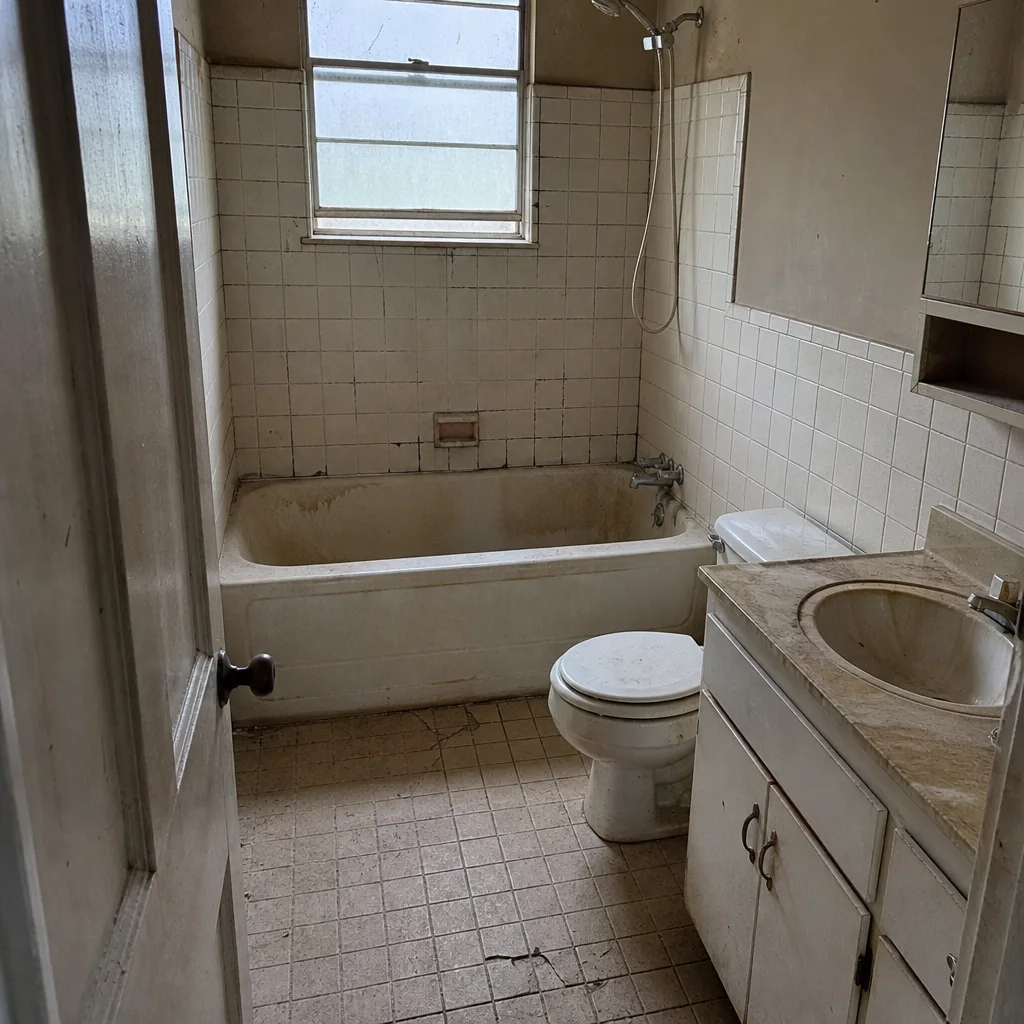 Before
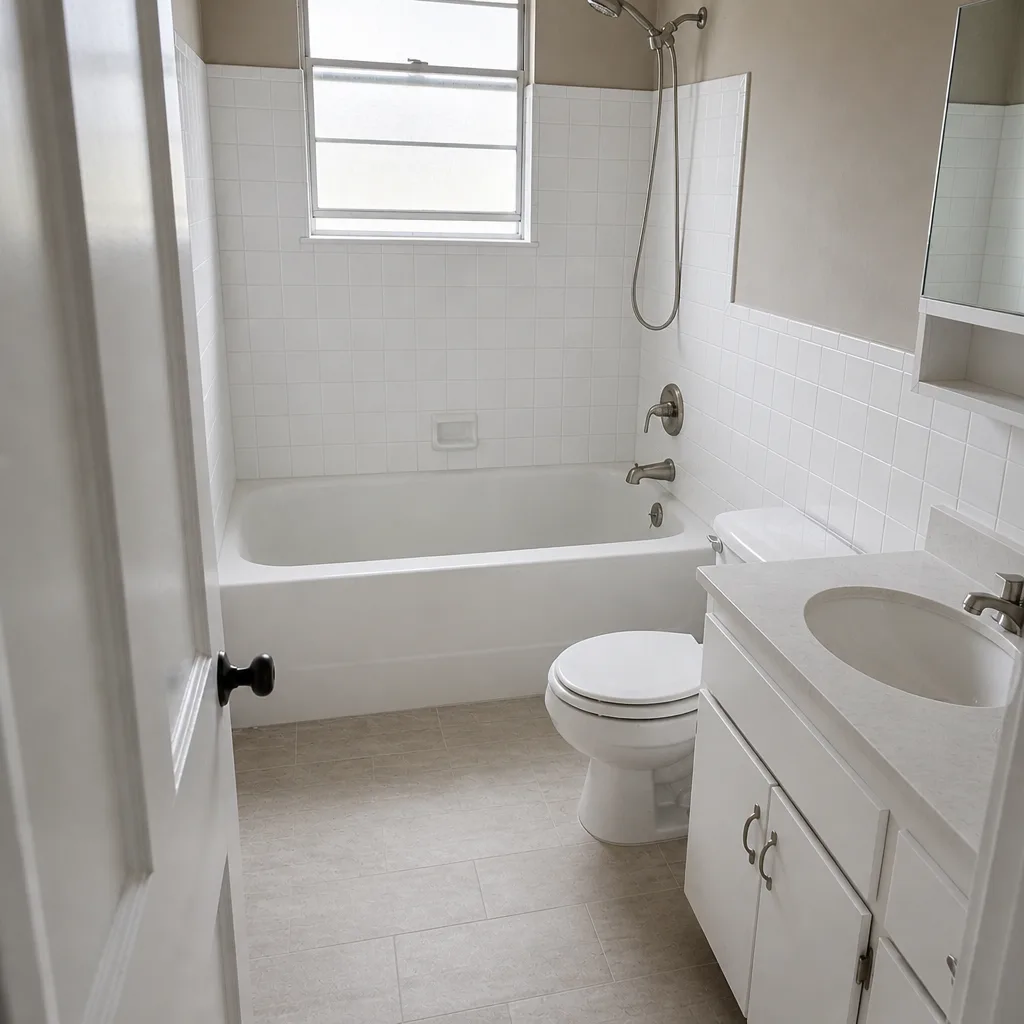 After
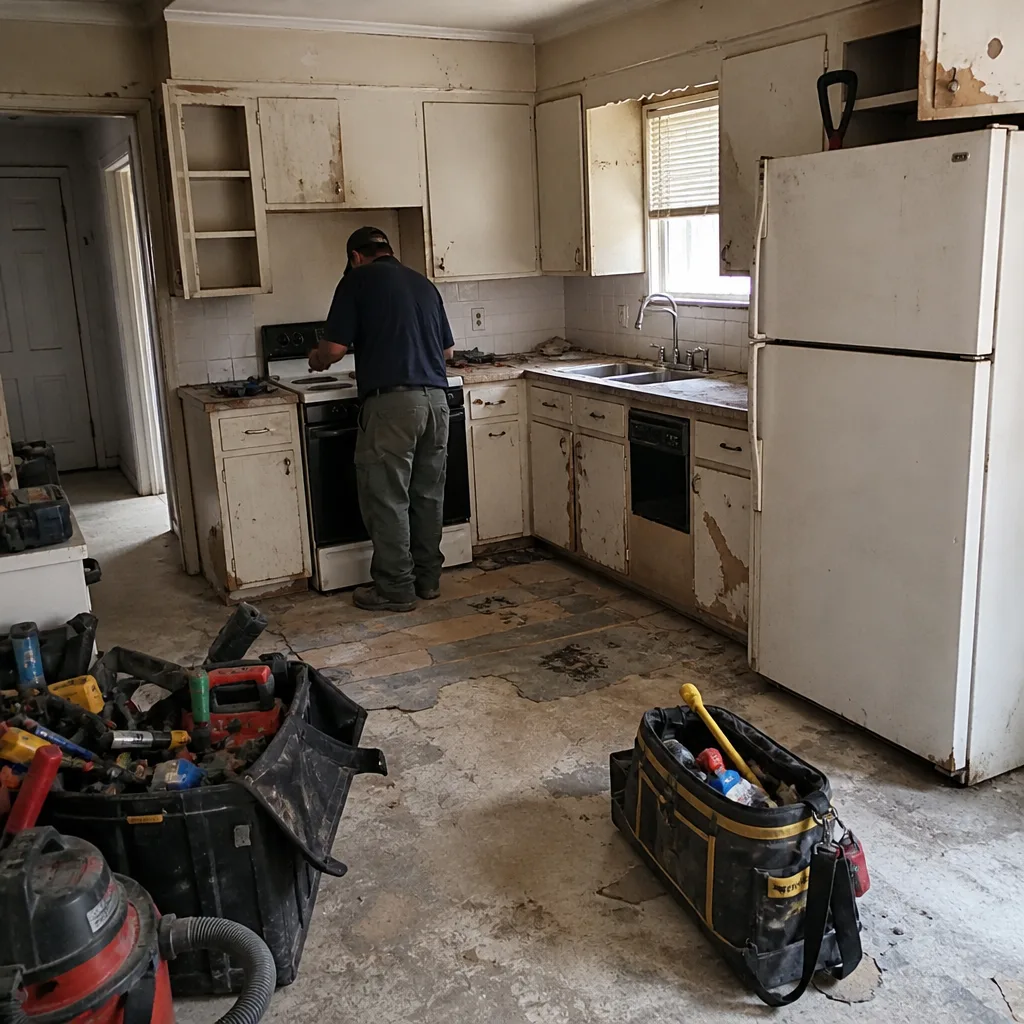 Before
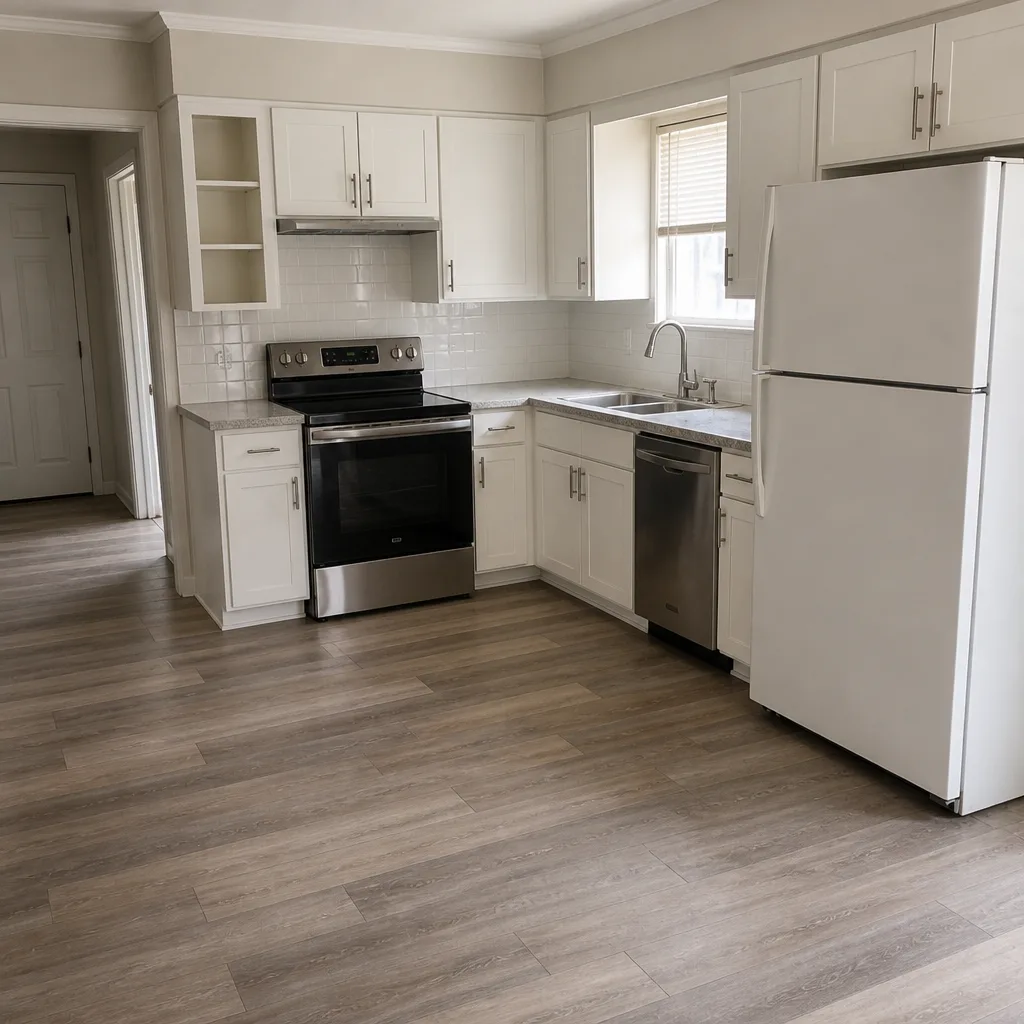 After
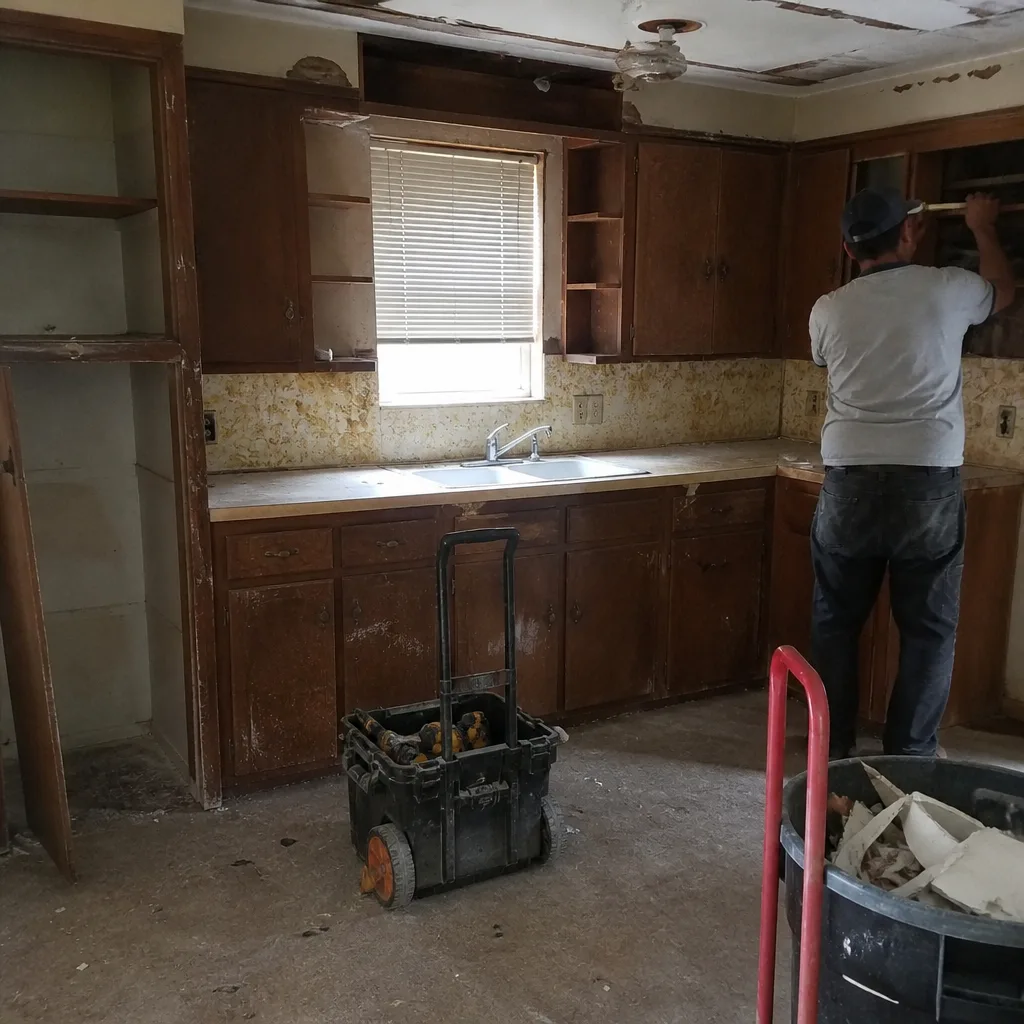 Before
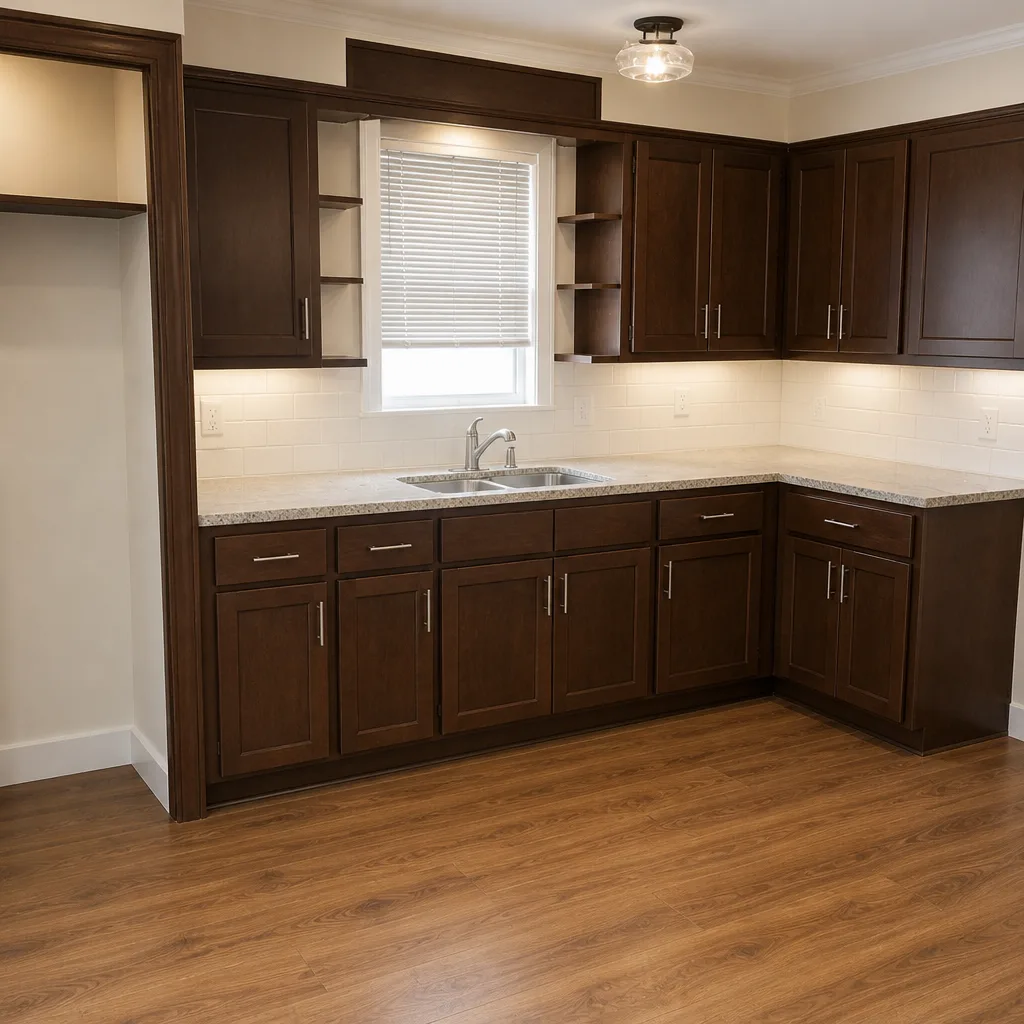 After
When to Call a Professional
Call a professional when the work touches framing, glass, the weather barrier, or the permit line. In practical terms: any new opening, any enlargement, any egress change, any header work, any IGU replacement on a modern insulated unit, and any installation on a home where the flashing detail isn’t visible and documented. That last category catches a lot of people. If you can’t see the flashing, you can’t verify it, and 2 – 5 years later the wall tells you. The other category is safety. Window and door work on upper floors, on steep exterior elevations, or on a home with any structural question is not a ladder job for a homeowner. The savings on a $150 – $300 labor line don’t offset a fall. Rowan Construction Group Fort Worth offers free estimates in Fort Worth – call (833) 570-6084 to schedule yours.
Frequently Asked Questions
Usually no, if it’s a like-for-like replacement in the same opening at the same dimensions. You do need a permit for a new opening, an enlarged opening, an egress window change, or any structural header work. Call us for a quick check on your specific unit.
The glass swap itself is feasible, but the argon fill and factory seal can’t be replicated at home, so a DIY IGU loses the ENERGY STAR spec and often voids the warranty. For a modern insulated unit, we recommend a factory-sealed replacement. Call (833) 570-6084 for a written price.
Improper flashing – specifically a missing or flat sill pan and wrong-layer laps at the opening. It doesn’t show up for two to five years, and by then the sheathing behind it is often rotten. Call us for a written scope before you install.
Labor runs $150 – $300 per single window and $300 – $500 for a patio door, with full-frame replacements at the higher end. Materials are separate. Call (833) 570-6084 for an exact quote – estimates are free.
On most brands, yes – installation by an unlicensed person or one that doesn’t follow the manufacturer’s written spec voids the install warranty and sometimes the product warranty. A documented professional install with a photo record is what protects the claim. Call for a free second opinion on any written estimate.
No. Header work is structural, requires a permit and a framing inspection, and is not a homeowner-permitted scope. That’s one item on the list where the answer isn’t close. Call (833) 570-6084 to schedule a free estimate.
The Bottom Line
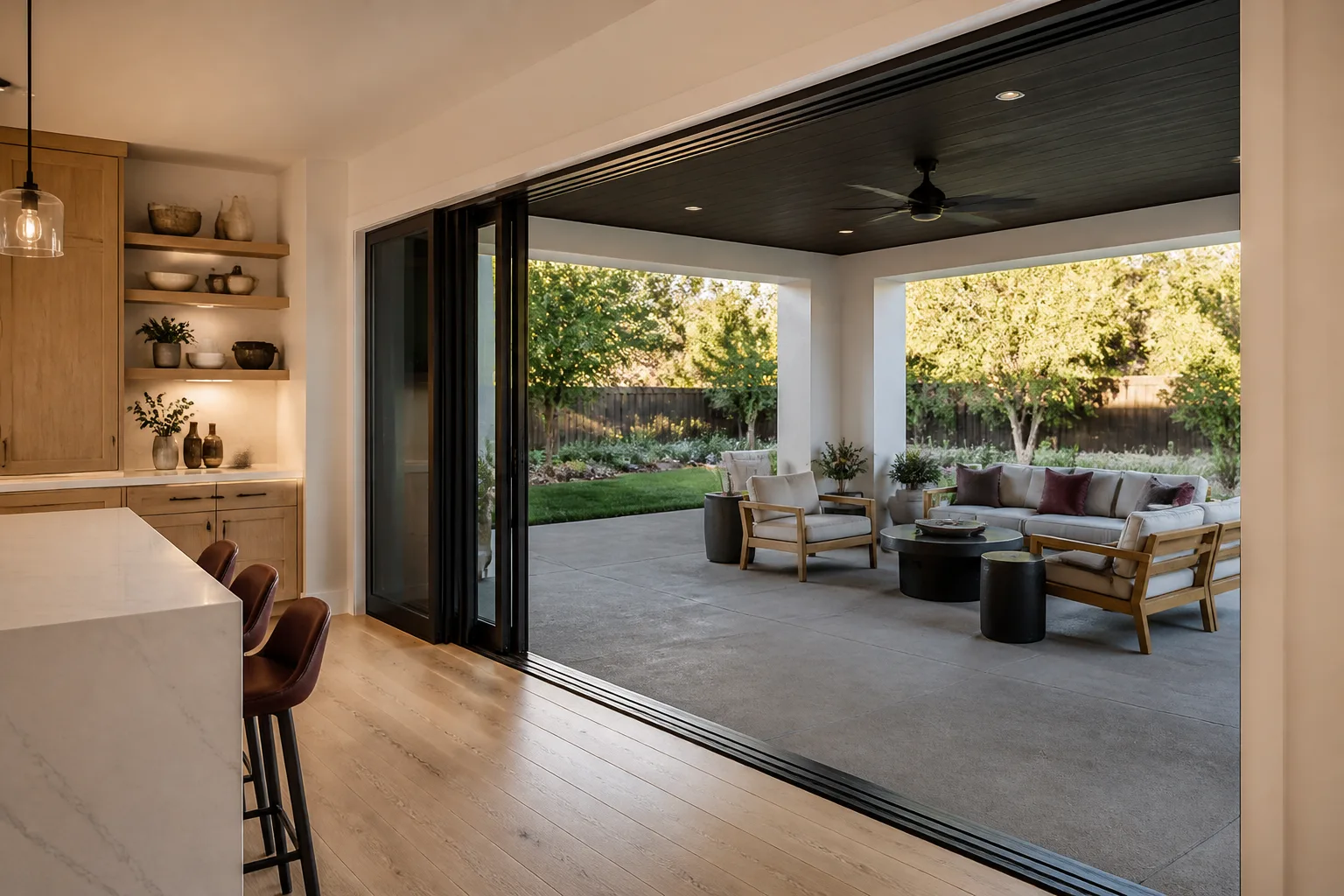
The line between DIY and professional window and door work in Fort Worth isn’t about skill – it’s about what the city inspects and what a certificate of occupancy depends on. Cosmetic and operational tasks are yours to do, and we’d rather you keep that money. The moment the opening changes, the framing is touched, a bedroom egress window shifts, or the glass itself is a factory-sealed unit, the job belongs to a licensed professional with a permit, a written scope, and a documented record. The labor figures are real and modest. The risk on the other side of the line is neither. Call (833) 570-6084 for a free estimate and a written price before any work starts.
Written by the team at Rowan Construction Group Fort Worth.