Last updated November 18, 2026


Free written scope consultation - allowances, timeline, and change-order rules on paper before a single trade is scheduled
Fence Installation Maintenance Schedule: What to Do and When
A cedar fence that’s been gray for two summers cannot be restored to full protection by staining. The UV has already broken down the top wood fibers, and any stain applied now is coating damaged material, not sound wood. That’s the counterintuitive part most homeowners in Fort Worth learn too late: cedar maintenance isn’t an annual chore you catch up on whenever. It follows a two-year cycle, and the single highest-return act is a penetrating oil stain applied before the wood grays. Miss that window and you’re sealing over dead fibers. In this guide we’ll walk the full cycle year by year, name the products that hold up to Texas sun, and explain how to document each cycle so future repairs scope faster and cost less.
Quick Answer
Cedar fence maintenance in Fort Worth runs on a two-year cycle, not an annual calendar. Inspect new cedar in Year 1 and skip finish entirely; apply a penetrating oil stain in Year 2 before the wood grays; reapply and inspect post bases in Year 4; and do a full hardware and concrete-collar check in Year 6. UV degradation, not moisture, drives most of the schedule here, so timing the first stain correctly matters more than how often you clean.
Styles & brands we work with
- Kitchen remodeling
- Bathroom remodeling
- Home additions & ADU
- Roofing
- Windows & doors
- Driveway & pavers
- Fence
Table of Contents
- Why Fort Worth Cedar Follows a Two-Year Cycle
- The Year-by-Year Maintenance Calendar
- Choosing a Stain for Fort Worth’s UV Intensity
- Post Base Inspection: Probing Clay Soil
- Hardware Maintenance and Gate Lubrication
- The Documentation Log: What to Photograph
- Common Mistakes to Avoid
- When to Call a Professional
Why Fort Worth Cedar Follows a Two-Year Cycle
Most fence-maintenance advice is written for a temperate climate with mild summers. Fort Worth is not that. Between June and September, UV index routinely hits 10 or 11 and surface temperatures on a sun-facing cedar panel climb well past 140°F. That combination accelerates lignin breakdown in the wood’s outer layer, which is what turns cedar silver-gray. Once that gray layer forms, the surface fibers are compromised and a film-forming stain applied over them will peel within one season.
The two-year cycle exists because a properly applied penetrating oil stain buys roughly 24 to 30 months of UV protection in this climate. Less if the fence faces west with no shade. More if it’s on the north side under a live oak canopy.
Moisture matters too, but in Fort Worth it’s the shrink-swell cycle of the black clay soil, not rain, that stresses fence posts. That clay expands when wet and contracts hard in summer drought, and every cycle nudges the concrete collar around each post base. That’s why post base inspections are baked into the calendar here and largely absent from generic national guides.
If your fence was installed by a contractor who used the right materials and set posts properly, the maintenance burden drops considerably. Our Fence Installation in Fort Worth work is specified around this climate for exactly that reason.
The Year-by-Year Maintenance Calendar
Here’s the schedule in full. Every phase below is built for Fort Worth’s specific sun and soil, not a national average.
- Year 1 – Inspection only, no finish. New cedar needs to weather for 6 to 12 months before any stain is applied. Fresh, milled cedar has residual moisture and mill glaze that blocks oil penetration. Do a visual inspection at 6 and 12 months: check for board cupping, post plumb, gate swing, and any splitting at nail lines. Do not stain.
- Year 2 – First oil-based penetrating stain. Apply before graying begins. If the surface is still honey-colored, you have a window. If it’s already turned gray, you’ve missed it and the wood needs to be cleaned and re-weathered before staining. Two coats of penetrating oil, applied in the 50-90°F range.
- Year 4 – Second stain application and post base probe. Re-stain. Then probe the concrete collar around each post with a 1/4-inch rod to detect voiding from clay shrinkage. Document plumb measurements in degrees per post.
- Year 6 – Full inspection. Hardware check (hinges, latches, gate hardware), a second probe of post bases with photo record, and a written assessment of board condition by panel. This is the point where most Fort Worth fences show their first real maintenance decision.
After Year 6 the cycle repeats every two years for stain, with annual visual inspection. If you’re adding a new fence section to an existing one, match the finish year so the whole run ages together rather than looking patchy.
- Year 1: Inspection only. No finish.
- Year 2: First penetrating oil stain, 50-90°F window.
- Year 4: Re-stain plus post base probe.
- Year 6: Full hardware and collar inspection.
- Year 8 onwards: Alternate stain and inspection every two years.
Choosing a Stain for Fort Worth’s UV Intensity
Film-forming stains – the thick, paint-like products sold on big-box endcaps – will fail in Fort Worth sun. They form a surface film that expands and contracts at a different rate than the wood beneath, and when the ambient temperature spikes the film loses elasticity and peels in sheets. We see peeling most often on west-facing panels in neighborhoods like Ridglea Hills and Tanglewood, where afternoon sun hits hard and shade trees are fewer.
Penetrating oil stains soak into the wood rather than sitting on top. They don’t peel because there’s no film to peel. We specify two brands for this climate:
- Armstrong Clark – heavy-bodied oil finish, good for horizontal rails and cap boards where UV exposure is highest. Expect roughly 24 to 36 months on vertical panels.
- TWP 1500 series – formulated for high-UV regions, holds color longer than most oils in the 1500 grade. Best applied in fall when daytime temperatures settle into the 60s and 70s.
Application temperature matters as much as the product. Apply in the 50-90°F range, and avoid direct summer sun – early morning or late afternoon in Fort Worth’s summer is the only reasonable window. If the wood surface is above 100°F, the oil flashes off before it penetrates and the result is a blotchy, uneven finish that looks worse than no finish at all. Don’t apply within 48 hours of forecast rain, and don’t apply to wood with more than 15% moisture content (a $30 pin meter tells you).
For the wider landscape of finishes, trim, and structural decisions that pair with a fence build, our Rowan Construction Group Fort Worth home page lays out how we handle documentation across all seven residential trades.
Post Base Inspection: Probing Clay Soil
Most fence failures we’re called to fix in Fort Worth don’t come from board rot. They come from post bases loosening in clay soil. The black clay under most of the city swells when wet and shrinks sharply in drought, and each shrink-swell cycle opens small voids around the concrete collar that was poured when the post was set.
Here’s the probe protocol we use on every inspection:
- Wait for dry conditions. Late August or September, after a few weeks without significant rain, is the right time. Wet clay hides voids.
- Probe the collar. Push a 1/4-inch steel rod into the soil at 6 points around each post, angled toward the concrete collar at roughly 45°. Note where the rod drops freely versus where it meets resistance.
- Measure void depth. A void deeper than 4 inches between soil and collar is a monitor-and-recheck situation. A void that lets the rod disappear entirely, or a post that rocks more than 1° off plumb, is remediation territory.
- Photograph and log. Every probe point gets a photo and a note. The photo record is what makes future scoping fast.
Remediation usually means re-packing the void with native soil mixed with a small amount of cement or expanding foam injected at the base, not re-setting the post. Re-setting is the expensive path and it’s only warranted when the post itself is compromised or leaning more than 2°.
Hardware Maintenance and Gate Lubrication
Surface rust on galvanized hinges and latches is normal in Fort Worth. It’s cosmetic and doesn’t tell you anything about the hardware’s remaining life. Pitting is different. Pitting is localized corrosion that reaches the metal beneath the galvanized coating, and once pitting starts on a hinge barrel, replacement is the honest call. Check hardware annually in Year 1 and Year 2, then every two years as part of the main cycle.
Replacement rule of thumb: replace any hinge or latch with pitting that covers more than 25% of the visible surface, or any hinge where the gate no longer closes smoothly when swung by hand.
Gate hardware needs lubrication twice a year. Fort Worth’s clay-dust environment wicks abrasive grit into hinge barrels and latch mechanisms faster than most climates, and dry hinges wear faster. The schedule:
- Early spring (March): Clean hinge barrels with a dry brush, apply dry-film PTFE lubricant. Avoid heavy grease – it collects dust.
- Late fall (November): Re-apply PTFE to hinges, latch mechanism, and gate closer arm. Check the sag at the far free edge of the gate; more than 1/4-inch is early hinge fatigue.
If you’re adding a gate or a new section to an existing fence, a scoping conversation with a contractor before you buy hardware saves the rework. Our Driveway & Pavers in Fort Worth work regularly includes gate-included fence runs where hardware spec matters from day one.
The Documentation Log: What to Photograph
The single biggest thing you can do to make future maintenance cheaper is document each cycle. A contractor walking up to a fence with a written log and photo record can scope a repair in 20 minutes. A homeowner with no record pays for the same discovery time.
Here’s what to capture at every inspection:
- Board condition by panel. Photo each panel from the same standing position, with the panel number written on a small card in the frame. Note cracks, cupping, or fastener backout in a simple spreadsheet row.
- Post plumb measurement. A $15 magnetic angle gauge gives you plumb in degrees per post. Log it every inspection. A post moving from 0.5° to 1.5° over two years is a story. Moving to 3° means it’s time for action.
- Gate operation. Video the gate’s full swing and latch engagement. Measure and log the sag at the far edge.
- Post base probe results. Photo each probe point and note void depth.
- Stain log. Product name, batch (if available), date, temperature, and coats applied. If a stain fails prematurely, the manufacturer wants that data.
The photo record is a standard deliverable on every Rowan visit – not an upgrade – because a documented baseline is the difference between “we think the fence is fine” and “we know this post moved 0.8° since 2023.”
Common Mistakes to Avoid
- Staining new cedar too soon. Applying oil stain within the first 6 months traps mill moisture under the finish and produces a blotchy, uneven look that no second coat can fix.
- Staining gray wood. If the fence is already silver, the surface fibers that would hold a finish are gone. Sanding back to sound wood, or waiting for the board to fully weather and cleaning first, is the only route – and it’s often cheaper to replace the panel.
- Applying oil in direct summer sun. Fort Worth surface temperatures in July routinely hit the point where oil flashes off before penetration. The result looks streaky and lasts a season.
- Replacing hinges on surface rust alone. Cosmetic rust is not a failure signal. Pitting is. Knowing the difference saves $200 to $400 per gate.
- Ignoring the post collar until the fence leans. By the time a post visibly tilts, the void has been working for years. Annual probing costs minutes; a re-set costs hundreds per post.
- Skipping the documentation log. Without a photo record, every maintenance decision starts from zero. With one, a contractor scopes your repair in a single visit.
- Re-staining only the sun-facing side. The shaded side ages more slowly, but stain absorption differs across the run. Uneven cycles produce a patchy look within two years.
When to Call a Professional
The maintenance schedule above handles most routine work. The situations where a trained contractor changes the outcome are specific: post bases that have moved past 2° off plumb, panels with more than 20% board replacement needed in a single run, hardware pitting that covers most hinges, and any gate whose sag is more than 1/2-inch at the free edge after adjustment. If your fence is part of a larger exterior scope – new pavers along the fence line, an ADU in the side yard, a full replacement – coordinating trades is worth the phone call. Rowan Construction Group Fort Worth offers free estimates in Fort Worth, and we’ll deliver a written flat price with a written scope before anyone picks up a tool. Call (833) 570-6084.
Frequently Asked Questions
Every two years in Fort Worth’s climate, using a penetrating oil stain applied before the wood grays. The first application comes in Year 2 (not Year 1), and each subsequent coat lands on a 24-to-30-month cadence. West-facing panels in full sun may need re-staining closer to every 24 months; shaded north-facing runs can stretch to 30 or 36. Call (833) 570-6084 for an exact quote on a stain-and-inspect scope – estimates are free.
Not successfully, no. Gray wood has lost the surface fibers that hold a penetrating finish, and any stain applied over it coats dead material rather than sound wood. The options are cleaning and re-weathering the wood first, sanding back to sound fibers, or replacing badly weathered panels. In our experience, most Fort Worth fences that have been gray for two-plus summers are cheaper to selectively re-panel than to attempt restoration.
No. New cedar should be left to weather for 6 to 12 months before any stain is applied. Fresh wood has residual moisture and mill glaze that blocks oil penetration. During Year 1 you inspect – plumb, cupping, gate swing, hardware – but you don’t finish.
Probe the soil around the concrete collar with a 1/4-inch rod during dry weather. A void that lets the rod drop freely, or a post more than 2° off plumb, signals remediation. Late August is the best time to check because the clay is most contracted and voids are easiest to detect.
No. Under our written-scope model, no work proceeds on a change until the change order is signed, which is why Rowan projects hold within a few percent of the number agreed at signature. If maintenance uncovers something the original scope didn’t cover, you get a written change order with a price on it before any additional work starts.
Repairs and like-for-like replacement usually don’t require a permit, but new fence construction above 8 feet in height, or fence lines that affect drainage, do trigger review. When in doubt, call the city before you build – and if you hire a contractor, ask whether they pull permits and pass inspections. Call (833) 570-6084 to discuss your project’s scope.
The Bottom Line
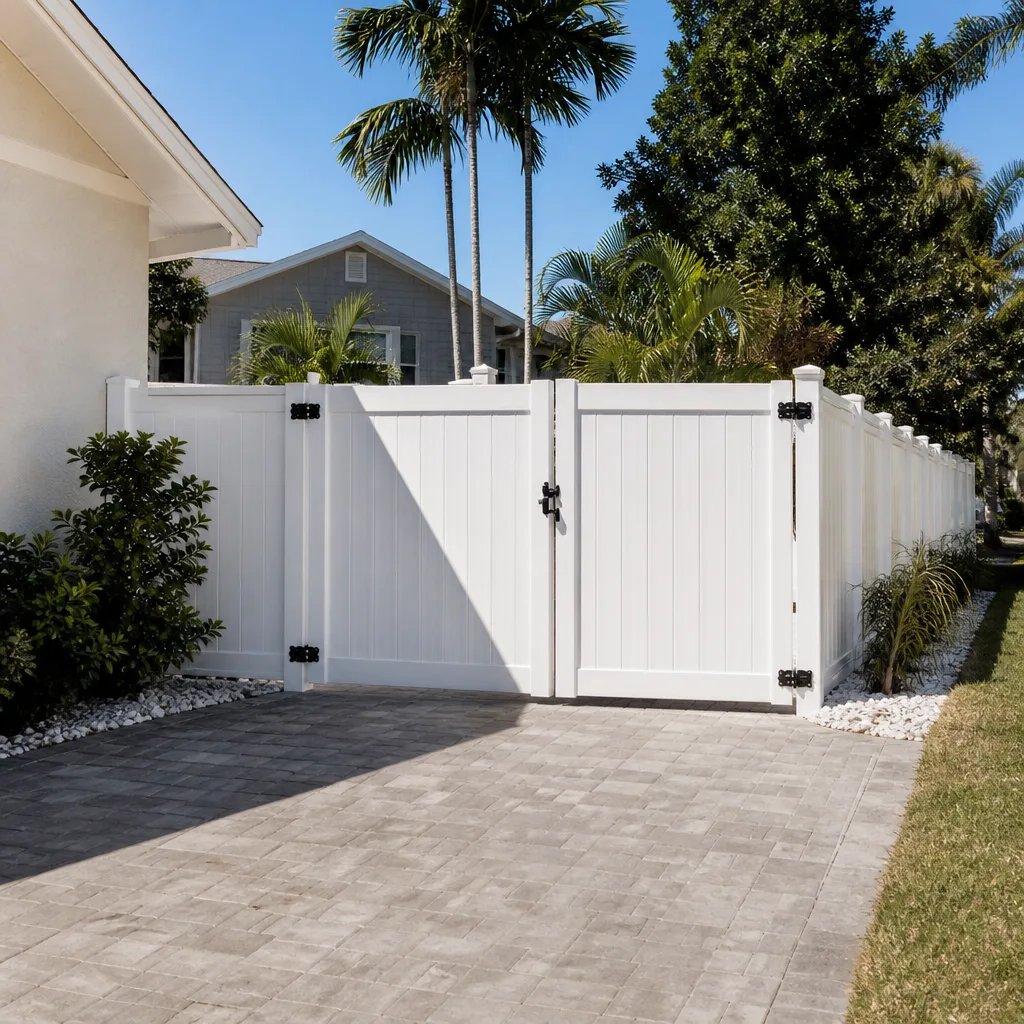
Cedar fence maintenance in Fort Worth is a two-year cycle, not an annual one, and the highest-return act is a penetrating oil stain applied before the wood grays. Year 1 is inspection only. Year 2 is the first stain. Year 4 adds a post base probe. Year 6 is the full check. Between cycles, keep a documentation log with photos, plumb measurements, and gate sag numbers – it’s the cheapest insurance against a mid-cycle surprise. If you’d rather hand the schedule to someone who will hand you a written price and a photo record, that’s what we do. For a full-scope look at a new build, explore our Home Additions & ADU in Fort Worth work and see how a documented build changes the maintenance curve.
Rowan Construction Group Fort Worth offers free estimates in Fort Worth, and every visit includes a documented photo record as a standard deliverable, not an add-on. Call (833) 570-6084 to schedule your free estimate.
Written by the team at Rowan Construction Group Fort Worth.
See the difference
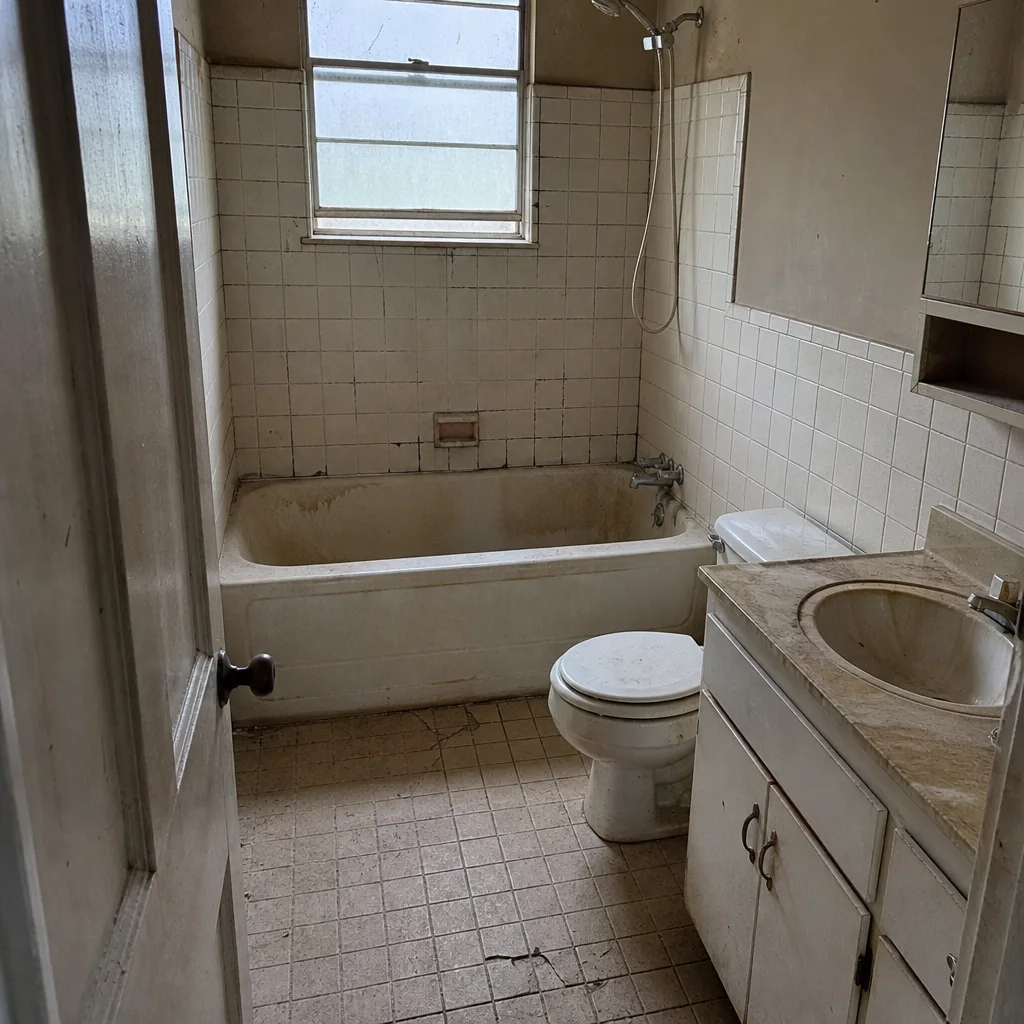 Before
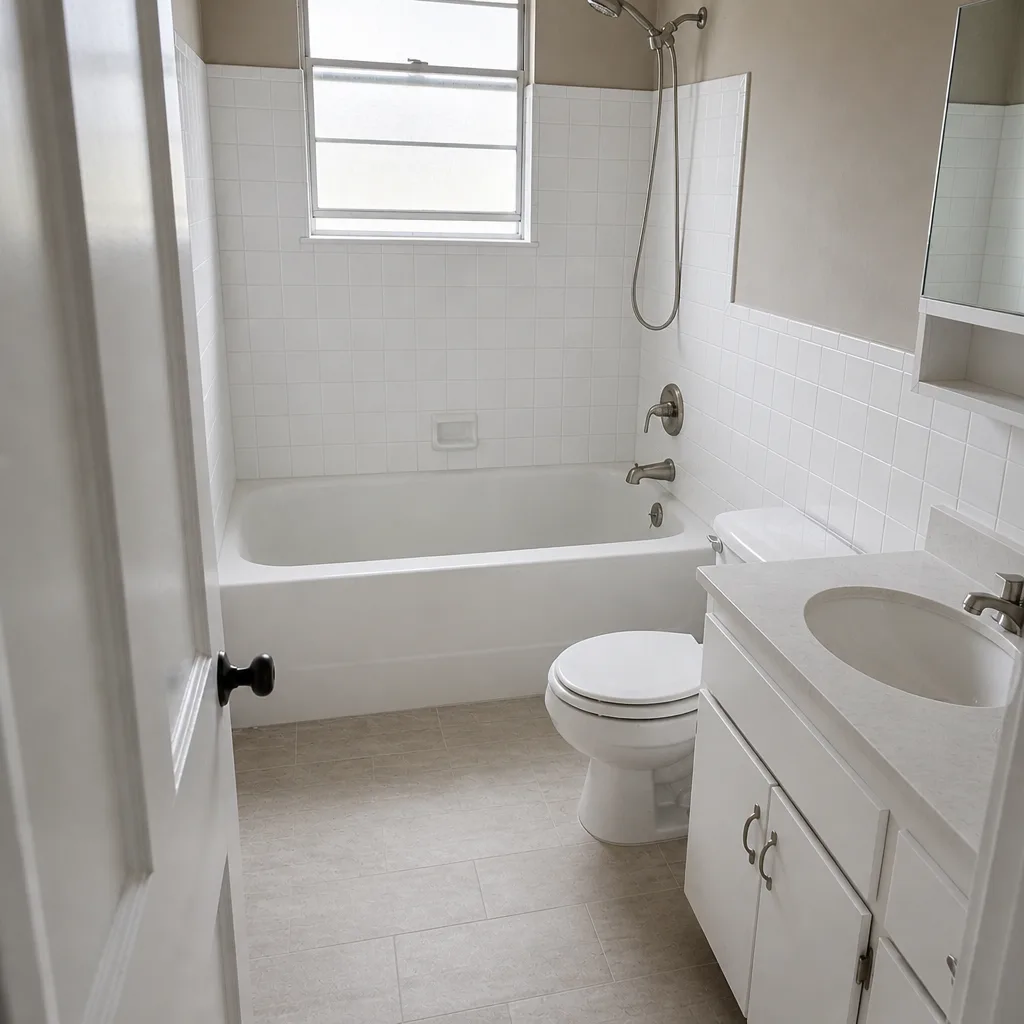 After
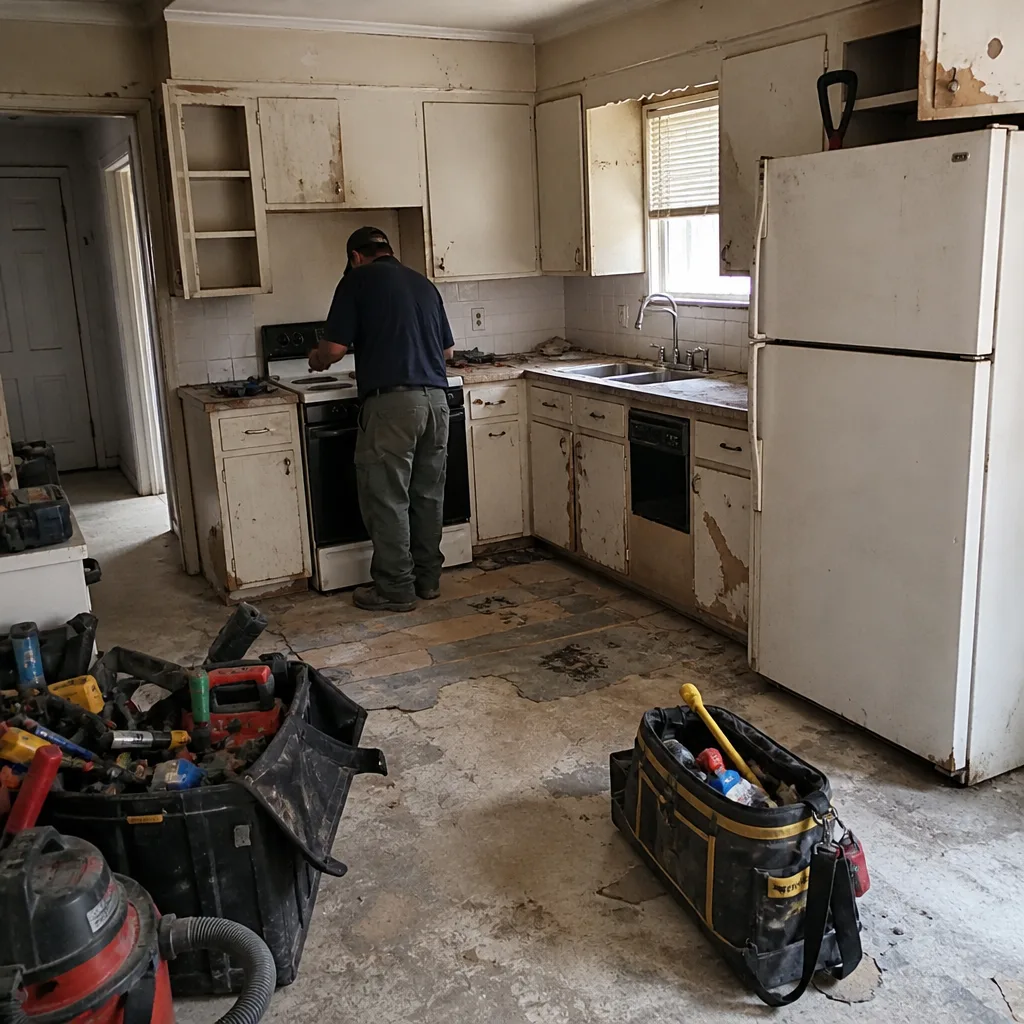 Before
 After
 Before
 After