Last updated November 18, 2026


Free written scope consultation - allowances, timeline, and change-order rules on paper before a single trade is scheduled
How Long Does Fence Installation Take? Timelines and What to Expect
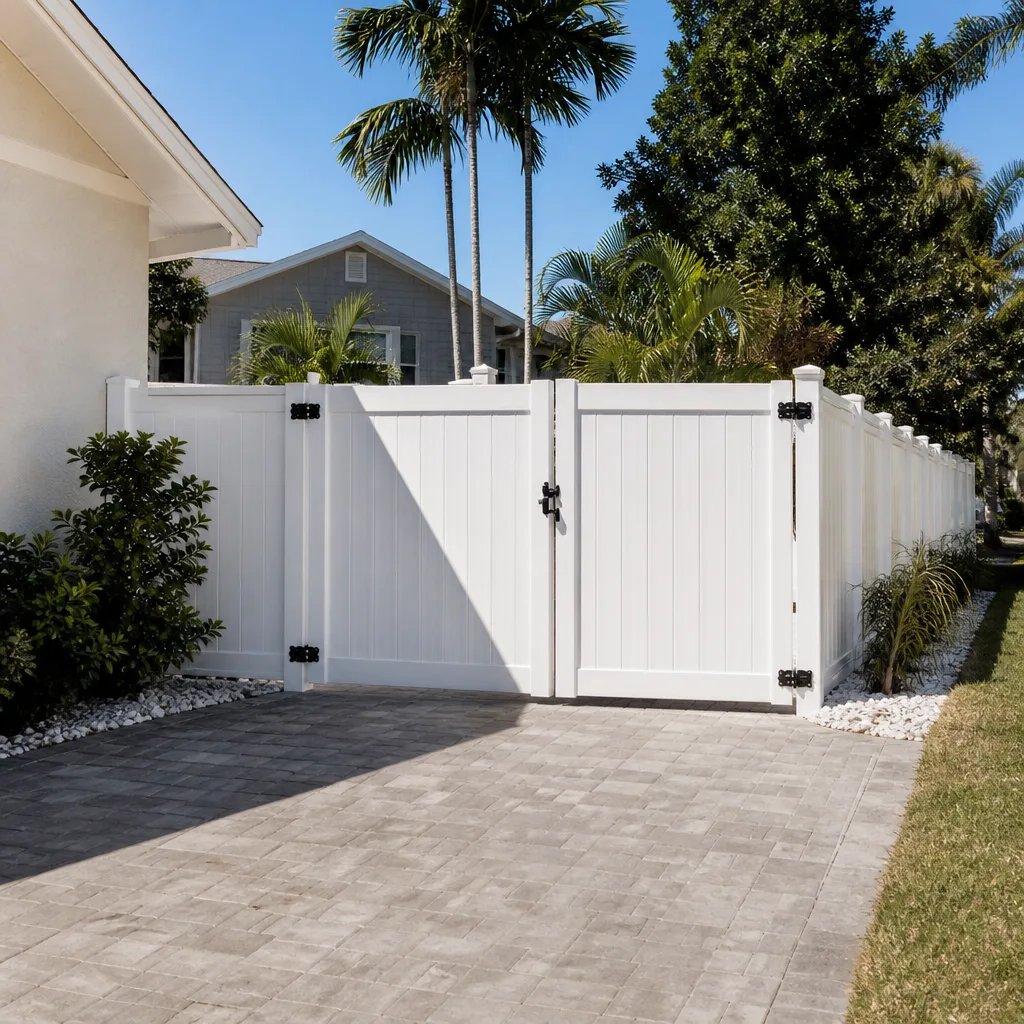
A fence quote usually names a window of one to three days. Read it closely and you’ll notice that window starts when the crew arrives, not when you sign. The gap between those two moments is where most of the time actually goes. From signed contract to finished gate, a typical Fort Worth project runs three to six weeks, and the honest reason is that the quote never counted the permit, the 811 utility locate, or the material lead time. This guide breaks down every phase before the first post goes in the ground, day by day, so you can plan a realistic date instead of an optimistic one.
Quick Answer
Fence installation itself takes one to three days of crew labor for most residential yards. The full project, from signed contract to finished gate, usually takes three to six weeks in Fort Worth because permitting, the 811 utility locate, material lead times, and inspection holds sit on the calendar before and between crew days. Plan around the calendar window, not the labor window, and you’ll hit your date.
Styles & brands we work with
- Kitchen remodeling
- Bathroom remodeling
- Home additions & ADU
- Roofing
- Windows & doors
- Driveway & pavers
- Fence
Table of Contents
- Crew Day vs. Calendar Day: The Difference That Costs You a Weekend
- The Pre-Installation Phase, Broken Down by Day
- Why North Texas Clay Sets the Post-Cure Clock
- Material Lead Times by Fence Type
- What a Signed, Dated Installation Schedule Looks Like
- Common Causes of Mid-Project Delays
- Common Mistakes to Avoid
- When to Call a Professional
Crew Day vs. Calendar Day: The Difference That Costs You a Weekend
A crew day is a day of labor with tools on site. A calendar day is a day on your wall clock. Those are not the same number, and mixing them up is the single most common reason homeowners feel a fence project “dragged.”
Here’s the arithmetic. A 200-linear-foot cedar privacy fence, 6 feet tall with a double gate, is roughly one to two crew days of work for a three-person crew. That’s a fast, physical job: set posts, hang rails, nail pickets, hang gates. But that same fence often spans a two-week calendar window in Fort Worth once you account for the gaps. A crew finishes one job and starts another. An inspection has to be scheduled and passed before panels go on. A material delivery lands two days late. None of those gaps appear on the labor estimate, and all of them appear on your calendar.
Rough benchmarks we’ve seen hold across most Fort Worth residential work:
- 150 linear feet, chain-link: about one crew day of labor, often a 5 to 10 calendar-day span.
- 200 linear feet, cedar privacy: one to two crew days, typically a 10 to 15 calendar-day span.
- 300 linear feet, vinyl with a gate: two to three crew days, usually a two to three-week calendar window.
- Wrought iron with masonry piers: three to five crew days, often a three to five-week window once piers cure.
The takeaway isn’t that crews work slowly. It’s that a fence is a sequence, and the crew is only one step in it. Ask for both numbers: crew days for the labor and a calendar window for the project. A contractor who can only give you one is telling you something about their planning.
The Pre-Installation Phase, Broken Down by Day
This is the phase most quotes skip entirely, and it’s the phase that controls your finish date. Here’s the day-by-day breakdown for a typical Fort Worth project, using the steps that actually gate the schedule.
- Contract and deposit (Day 0). You sign. A well-run contractor hands over a written scope, a flat written price, and a dated schedule at this point, before the deposit clears. Under Clause 1 of the Haven Standard, the price is written before anyone starts, and that includes the schedule that goes with it.
- Permit pull (3 to 10 business days). This is the biggest variable. A standard residential fence permit in Tarrant County and the City of Fort Worth is typically reviewed in a handful of business days, but a fence in a historic district, on a corner lot, or over a certain height can sit in review longer, and any request for a variance stretches it further. Fences under a certain height with standard setbacks may not need a permit at all, but codes change and lot conditions vary, so confirm before you assume.
- 811 utility locate (48 to 72 hours, minimum). Texas law requires you to call 811 before you dig, and the locate service needs at least two full business days of notice. This is not optional and not negotiable; hitting a gas or fiber line because nobody called is a five-figure mistake. The locate marks come back as paint and flags, and they tell the crew exactly where posts cannot go.
- HOA approval, if you have one (1 to 4 weeks). Many Fort Worth-area HOAs require architectural review for fence height, material, and color, and a board that meets monthly can add a month to your timeline by itself. Submit early if you can.
- Material order and delivery (2 days to 3 weeks). Stock chain-link and common cedar profiles move fast. Custom vinyl colors, iron, and anything on order can take weeks. This window runs from your order date, not your signature date, which is why ordering early matters.
Add it up and the pre-installation phase alone is often two to four weeks in Fort Worth before a single post goes in the ground. That’s not inefficiency; that’s the permit, the locate, and the delivery queue doing their jobs. A contractor who tells you they can skip these steps is telling you they plan to skip them.
Why North Texas Clay Sets the Post-Cure Clock
Fence posts in Fort Worth don’t go into sandy loam. They go into expansive clay, the black gumbo that swells when wet and shrinks and cracks when dry. That soil behavior matters to your schedule in a specific way, and it also explains why fences here heave and lean over time.
The practical rule: concrete around a fence post in expansive North Texas clay needs roughly 24 to 48 hours to cure before you load it. “Load it” means hanging rails and panels, applying tension to chain-link, or letting a gate swing from a post. Cure times of 24 to 48 hours are common in moderate weather; cold weather slows cure and hot, dry weather can speed the surface set while the core stays soft, so the number flexes. A crew that hangs panels the same day the concrete is poured is taking a shortcut you’ll feel in a year, when the post leans and the gate drags.
Two more Fort Worth-specific notes. First, shrink-swell clay also means deeper, wider footings than a coastal soil would require, so expect a day of digging that goes slower than the crew hoped. Second, summer heat and the occasional hard rain both push cure times around. In our experience, spring and fall produce the most predictable cure windows here, and July and August produce the fastest surface set with the most waiting for the core. None of this shows on a quote, but all of it lands on your calendar.
Material Lead Times by Fence Type
Material lead time is the variable most homeowners never ask about, and it’s the one most likely to add a quiet week to your project. Here’s what to expect, with the understanding that stock moves and a specific profile may run longer.
- Cedar privacy: stock cedar pickets and rails are usually a few days to a week. Clear or premium grades and custom heights can run longer. Cedar is the most common privacy fence in Fort Worth and the most available, which is most of why.
- Chain-link: the fastest of the lot, often a couple of days for standard galvanized. Vinyl-coated chain-link moves a bit slower.
- Vinyl: stock colors and standard heights come quickly; custom colors, taller panels, and privacy lattice tops can take two to three weeks. Vinyl holds up well in the heat, which drives demand here.
- Wrought iron and steel: custom-fabricated iron is the slowest, often two to four weeks or more for made-to-order panels and finials.
- Wood and iron hybrids with masonry piers: the pier work itself is fast, but masonry cure time plus a gate build can push the calendar window further than either material alone.
Ask for the lead time in writing at the same time you ask for the price. If the number isn’t on paper, it’s a guess, and a guess is what turns a two-week project into a four-week one. Sourcing across a deep bench of vetted brands is how a quote gets honest numbers on materials instead of inflated ones, and how lead times get real instead of hopeful. When your project runs into windows and doors for a gate or a trellis, the same sourcing discipline applies; we’ve been asked to match fenestration and door hardware to fence and gate detail often enough that the two planning tracks now run together.
What a Signed, Dated Installation Schedule Looks Like
Ask for the schedule before the deposit clears, not after. A real schedule is a document, not a verbal promise, and it should tell you exactly when each phase happens. Here’s what a good one contains.
- A dated start date and a dated completion date, not a range of weeks. “Week of the 14th” is a start. A completion date is a finish. You want both.
- Each pre-installation milestone with its own date. Permit submission, permit issue, 811 locate request, locate marks returned, material order placed, material delivery expected. Each line gets a date.
- Crew days separated from calendar days. The schedule should say how many crew days the labor takes and which calendar days those crew days fall on.
- Inspection dates. Any required inspection should be scheduled and dated, not left to a phone call the day before.
- A named change-order protocol. If a grade issue or a property-line dispute surfaces, the schedule should say what happens next and who signs off before the timeline moves.
- What happens if a phase slips. A serious schedule names the triggers (weather, permit, delivery) and the steps that follow when one trips.
A signed, dated schedule is the single best protection you have against a project that quietly drifts. It’s also a tell. A contractor who can produce one in a day has done the planning; one who can’t is hoping the weather and the permit office cooperate. If you’re comparing written estimates, bring a competitor’s quote and we’ll review it line by line at no charge under our Free Second Opinion offer, schedule and all. That’s how comparing quotes turns into comparing plans.
Common Causes of Mid-Project Delays
Mid-project delays in Fort Worth fall into a short list of causes, and nearly all of them are manageable if the protocol is written down before the dig starts.
- Grade changes discovered after the dig. Once the posts are out of the ground, a slope or a buried obstruction can force a taller post, a retaining detail, or extra fill. That’s a real scope change, and it needs a signed change order before the crew proceeds. Without one, the timeline moves silently.
- HOA approval lag. If your HOA board meets monthly, a fence submittal that lands the day after a meeting waits four weeks. Submit early and follow up in writing.
- Neighbor property-line disputes. A fence set one foot over a surveyed line can stop a job cold. A survey before the dig is far cheaper than a stop-work order after it.
- Utility conflicts. A locate mark that runs straight through a post line means a post has to move. That’s usually a quick adjustment, but it’s a conversation, and it costs a day if the locate wasn’t called early.
- Weather. North Texas rain and clay don’t mix for setting posts, and a summer storm can push a cure day or two. Concrete needs its cure time regardless of the schedule.
- Surprise code items. A corner lot, a historic district, or a height change can add a review cycle. Confirm the requirements before you order material.
A written change-order protocol is what keeps these from becoming silent extensions. No work proceeds on a change until the change order is signed, and the schedule is updated at the same time. That’s the discipline that keeps projects within a few percent of the number you agreed to, and it’s why the change order is a short conversation instead of a long dispute.
Common Mistakes to Avoid
- Trusting a one-to-three-day quote as the whole timeline. That’s the crew day, not the calendar. Ask for the full window from signature to finish. If the contractor can only quote labor, the pre-installation phase is going unplanned.
- Skipping the 811 call to save a few days. The locate is required by law and protects the crew, your service lines, and the neighbors’ lines. A hit gas or fiber line costs far more time than the locate ever would, and it can cost more than the fence.
- Ordering material after the permit issues instead of the day the contract signs. Material lead time is the quietest delay in the whole project. Place the order early and let the delivery arrive while the permit is in review.
- Hanging panels the day the concrete is poured. In North Texas clay, that means a leaning post and a dragging gate within a year. Insist on the cure window, and don’t let a crew shortcut it because the calendar is tight.
- Setting fence posts before a survey. A property-line dispute can stop a project after the posts are in the ground. A survey first, a fence second, every time in Fort Worth’s older neighborhoods where lot lines and plat maps often disagree.
- Accepting a verbal start date with no scheduled inspection. A phone-promised start date with no inspection in the calendar is an invitation to a mid-project hold. Get it in writing, inspection dates included.
- Signing a deposit before the schedule is signed. The schedule is part of the contract, not a courtesy. If it isn’t dated and signed, it isn’t a plan.
When to Call a Professional
Some fence work is genuinely a weekend project. Most is not. Call a professional when the fence runs over a property line you haven’t surveyed, when the yard slopes enough that a grade change needs engineering, when you’re over six feet tall or in a historic district where the permit and review cycle are real, or when the post line crosses a utility corridor. Call when the fence is attached to a gate that needs to swing true for years, or when the concrete has to cure in North Texas clay without the post moving. And call when the fence ties into a larger project: a fence with a gate that meets a paver walk, a fence at a home addition, or a gate and fence detail that has to match door and window hardware. If you’re planning a larger project, our guides on Fence Installation in Fort Worth and Driveway & Pavers in Fort Worth cover what a written project looks like on the ground. Rowan Construction Group Fort Worth offers free estimates in Fort Worth, with a written price before any work starts. Call (833) 570-6084 to schedule yours.
See the difference
 Before
 After
 Before
 After
 Before
 After
Frequently Asked Questions
Fence installation itself takes one to three crew days for most residential yards, but the full project from signed contract to finished gate usually runs three to six weeks in Fort Worth once permitting, the 811 locate, material lead times, and inspection holds are counted. Call (833) 570-6084 for an exact quote and a dated schedule; estimates are free.
The 811 utility locate in Texas needs at least 48 to 72 hours of advance notice, so plan on two to three business days before the locate marks return. It’s required by law and it isn’t optional; a locate miss can hit a gas or fiber line and add far more time than the locate costs. Schedule your locate the day you sign, not the day the crew arrives.
Fence permit requirements in Fort Worth depend on height, location, and whether your lot is in a historic district or on a corner, and low fences with standard setbacks often don’t need one. Because requirements vary by lot and change over time, confirm with the city before you dig. A contractor who builds in Fort Worth regularly knows the local code path and should pull the permit for you when one is required.
The one-to-three-day figure is the crew-day count for the labor, not the calendar window for the project. The calendar window includes the permit pull, the 811 locate, material delivery, and inspection holds, none of which appear on a labor estimate. Ask for a dated schedule that shows both numbers before the deposit clears.
Concrete around a fence post in North Texas clay needs roughly 24 to 48 hours to cure before panels or tension are applied. Hanging panels the same day the concrete is poured is a shortcut that leads to leaning posts and dragging gates. Cold weather slows the cure and hot, dry weather can mislead; the safe number is a full day or two.
The common causes are grade changes discovered after the dig, HOA approval lag, neighbor property-line disputes, utility conflicts on the post line, and weather. A written change-order protocol keeps each one from quietly extending the timeline, because no work proceeds on a change until the change order is signed and the schedule is updated. Call (833) 570-6084 for a quote with the protocol built in; estimates are free.
The Bottom Line
Fence installation timelines are rarely controlled by the crew. They’re controlled by what happens before the first post goes in the ground: the permit, the 811 locate, the material order, and the inspection. A 200-foot cedar fence is one to two crew days and often a two-week calendar window, and in Fort Worth the full project is usually three to six weeks from signature to finish. Ask for a dated schedule and a signed change-order protocol before the deposit clears, and you’ll plan accurately instead of optimistically. That’s the whole point of putting the number in writing before anyone picks up a tool. A written price, a written scope, and a written schedule, every time. That’s what our 365-Day Done Right Promise is built on.
Ready to plan your fence project with a written price and a dated schedule in hand? Call Rowan Construction Group Fort Worth at (833) 570-6084 for a free estimate. You can also start from our Rowan Construction Group Fort Worth home page to see the seven trades we build, review Home Additions & ADU in Fort Worth if the fence ties into a larger build, and bring any competitor’s written estimate for a free line-by-line second opinion. Every crew member is background-checked and uniformed, a live person answers the phone 24/7, and every visit includes a documented photo record as standard. We’ll say what we found, put the price on paper, and leave you with the evidence. Call us today to schedule your free estimate.
Written by the team at Rowan Construction Group Fort Worth.