Last updated November 18, 2026
Free written scope consultation - allowances, timeline, and change-order rules on paper before a single trade is scheduled
Choosing the Right Construction Brand: A Buyer’s Guide for Fort Worth
Two paver brands sitting side by side at a Fort Worth masonry supplier can carry compressive strength ratings that differ by 2,000 PSI or more. That gap is not a marketing detail. Under the clay-soil movement cycles we get across Tarrant County, it’s often the difference between a driveway that holds its line for fifteen years and one that starts spider-cracking before the fifth summer. Brand selection in construction is a specification exercise, not a taste exercise. This guide shows you how to read the numbers on a spec sheet, what “limited lifetime” actually covers, why the brand your contractor prefers isn’t always the brand that performs best here, and the five questions to ask before you sign anything.
Quick Answer
The right construction brand in Fort Worth is the one whose specification sheet proves it can handle North Texas conditions – clay soil movement, freeze-thaw swings, intense UV, and seasonal moisture – and whose warranty is transferable and registrable by a local distributor. Choose by documented performance values, not by showroom tier or brand recognition. A slightly less famous brand with a 30-year transferable warranty and regional distribution will usually serve you better than a premium logo with a non-transferable policy and a six-week freight lead time.
Styles & brands we work with
- Kitchen remodeling
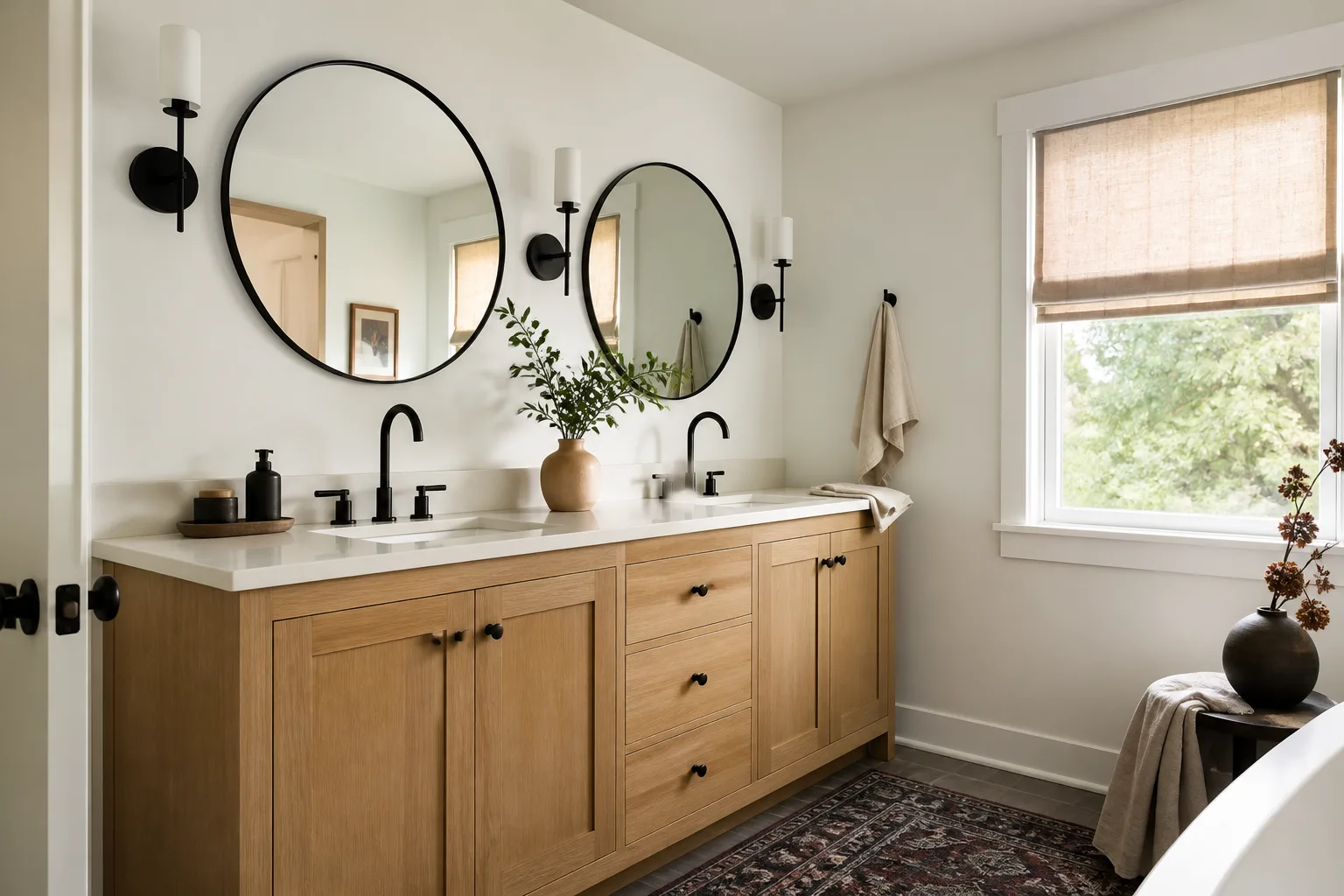
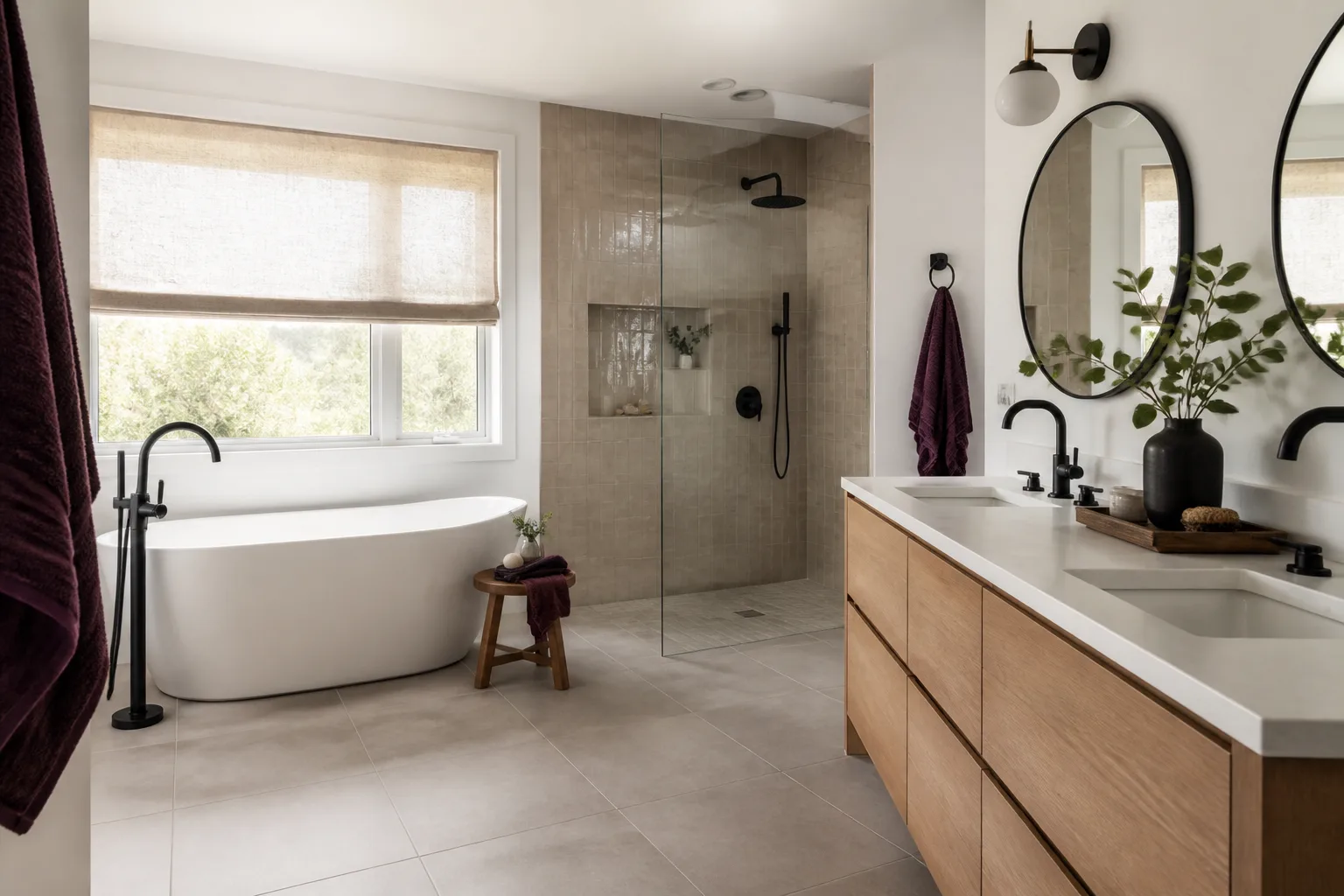
- Bathroom remodeling
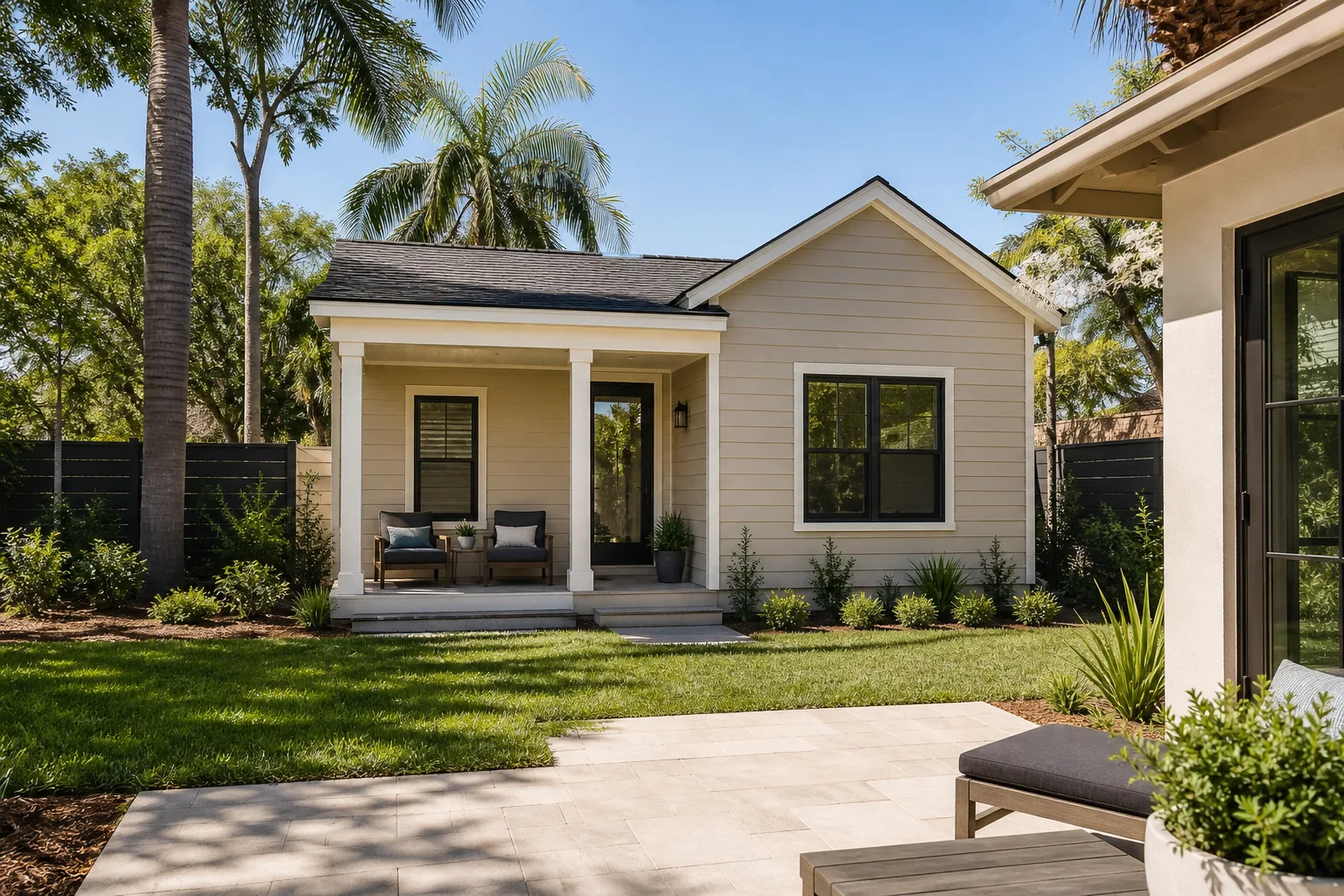
- Home additions & ADU
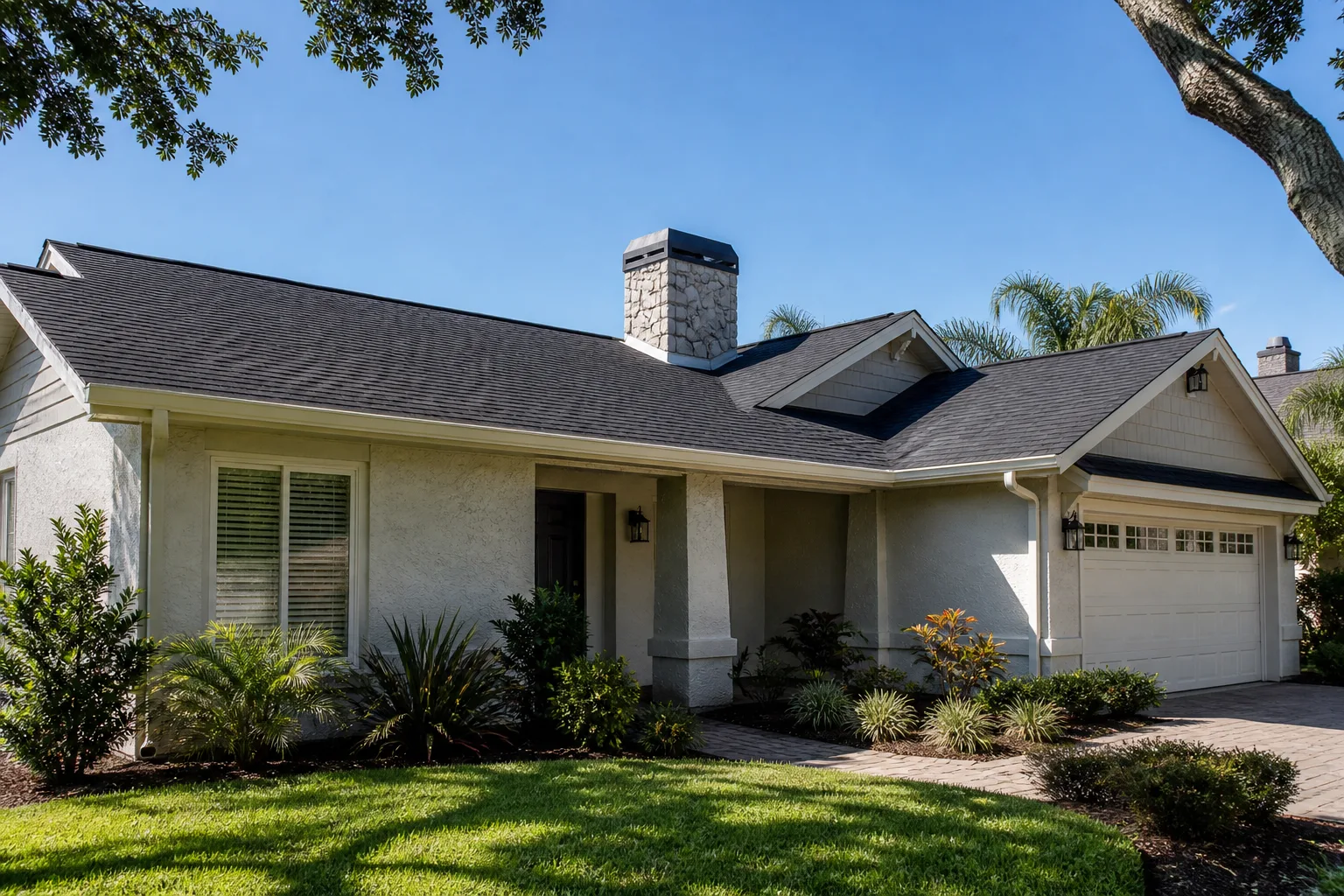
- Roofing
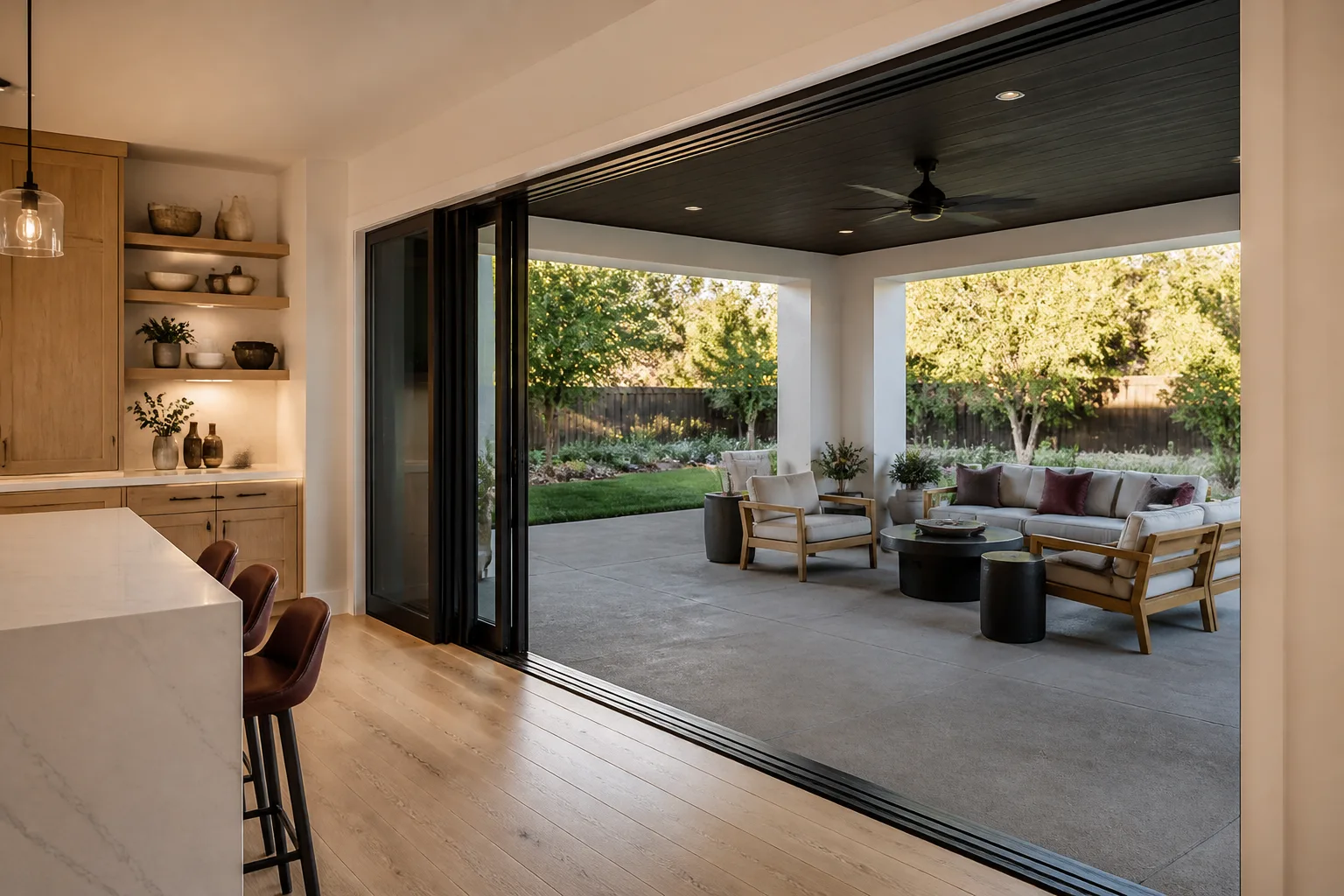
- Windows & doors
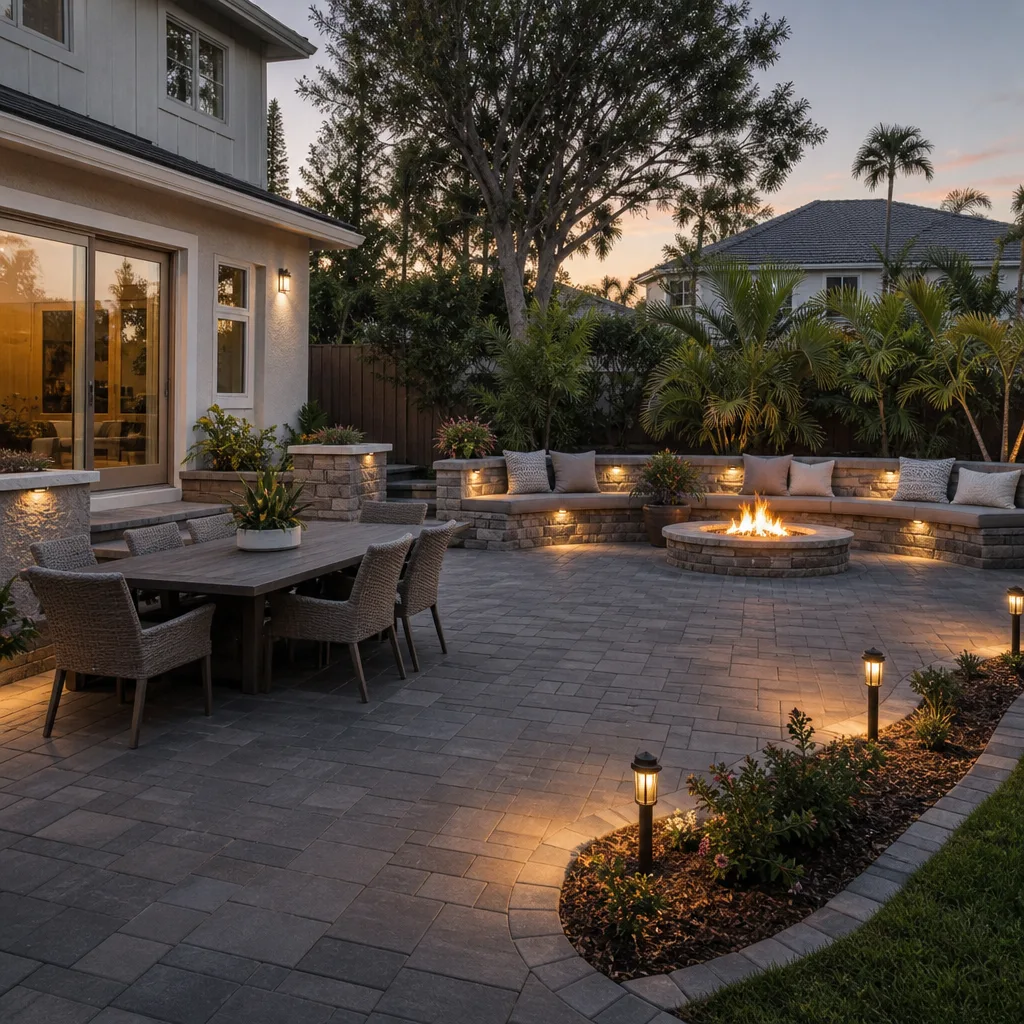
- Driveway & pavers
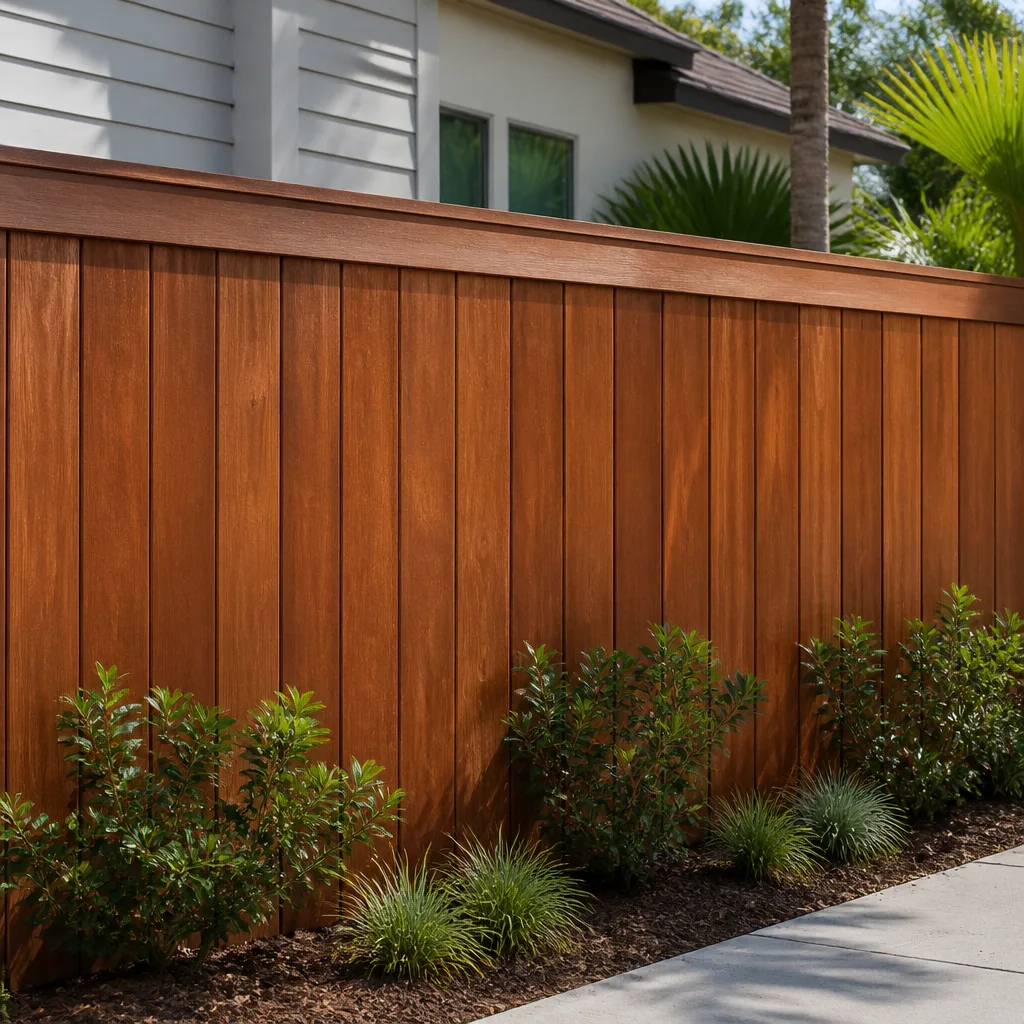
- Fence
Table of Contents
- How to Read a Material Spec Sheet for Fort Worth Conditions
- North Texas Distribution: Which Brands You Can Actually Get
- Warranty Language Compared: What “Limited Lifetime” Really Means
- Contractor-Preferred vs. Homeowner-Preferred Brands
- The Five Questions to Ask About Any Specified Brand
- Brand Shortlists by Trade: Roofing, Masonry, Cabinets, Fixtures
- Red Flags in a Brand Proposal
How to Read a Material Spec Sheet for Fort Worth Conditions
Every material sold for exterior use in Fort Worth comes with a technical data sheet. Most homeowners never see it, because the contractor files it and hands over a brochure instead. Ask for the actual sheet. Five values on it matter more than everything else combined, and they translate directly into how the product behaves on a lot in Ridglea, Ryan Place, or anywhere else in the city where expansive clay is the ground under your feet.
- Compressive strength (psi): The load a material carries before it fails. For pavers, 8,000 psi is a solid baseline; products under 6,000 psi are a negotiating point, not a recommendation. Clay movement flexes the base, and a weak paver cracks instead of riding it out.
- Freeze-thaw cycle rating: Fort Worth swings below freezing a handful of times each winter, then warms fast. That repeated cycle is harsher on masonry and concrete than a long cold snap, because water infiltrates and refreezes in place. A product rated for 100-plus cycles (ASTM C67 or C666 testing) has been validated for this.
- UV stability: Our summers push the UV index to 11 regularly. Pigments and polymers that aren’t UV-stabilized fade, chalk, or go brittle. Look for explicit UV stabilization in the composition, not a color-fastness claim.
- Moisture absorption rate: Below 6% for pavers and tile is a working threshold. High absorption means more freeze damage, more efflorescence, and more staining. Porcelain and dense concrete win here over soft clay brick.
- Warranty transferability: A warranty that dies when you sell the house is worth less than its paper. Transferable coverage is a resale asset in a Fort Worth market where buyers inspect carefully.
Get the sheet for every brand under consideration. Two minutes with a compressive strength number tells you more than twenty minutes with a salesman.
North Texas Distribution: Which Brands You Can Actually Get
A brand’s performance data is only half the story. The other half is whether the material is sitting in a warehouse within driving distance or on a truck from three states away. This matters more in Fort Worth than in most metros because our construction volume is high enough that popular products sell out regionally, and long-lead freight creates two problems: added cost and schedule risk.
Manufacturers with real regional distribution – product stocked at suppliers in Fort Worth, Arlington, and the DFW corridor – let a project absorb a mid-job shortage in days. Brands that require factory orders from the Midwest or Southeast can add four to eight weeks of lead time and freight surcharges that show up on your invoice as “miscellaneous.” For any product going into a Fort Worth home, ask the contractor to name the local distributor and confirm stock levels before the contract is signed.
We’ve watched this play out on roofing and cabinetry more than anywhere else. A nationally recognized cabinet line without a North Texas warehouse can quietly push a kitchen timeline by a month and a half. A paver brand with a stocking yard an hour away recovers from a miscount in a single afternoon. Both products might be excellent. Only one keeps your project on schedule.
The same logic applies across the trades. When we plan Driveway & Pavers in Fort Worth, the distributor question comes up before the color selection does, because a beautiful paver you can’t get for six weeks is a design problem disguised as a logistics problem.
Warranty Language Compared: What “Limited Lifetime” Really Means
“Limited lifetime” is the most misread phrase in construction. On a roofing shingle, it usually covers manufacturing defects for as long as you own the home, not for the life of the roof, and “defects” in the warranty text is narrower than it sounds. It frequently excludes labor, wind damage above a specified speed, and any failure caused by installation error or inadequate ventilation. Read the exclusions before the coverage, every time.
A transferable 30-year warranty on the same shingle, offered by a manufacturer like GAF or CertainTeed through a certified installer program, can be a stronger asset than a lifetime label. It survives the sale of the house, which matters in Fort Worth where homes turn over and buyers want the paper trail. Here’s the practical comparison:
- Limited lifetime (non-transferable): Covers material defects only, ends at sale, excludes labor, often requires an inspection to remain valid.
- Transferable 30-year: Covers material and, on enhanced programs, labor for the first several years, transfers to the next owner, requires registration with the manufacturer.
- Flatwork and paver warranties: Typically structural and limited to a set number of years; settlement and cracking from base failure are commonly excluded unless the installer’s own warranty covers base work.
Ask which warranty tier a bid is written against. The gap between a standard and a top-tier program on a roof is usually a few hundred dollars in material – worth paying for, and worth having written into the quote before work starts.
Contractor-Preferred vs. Homeowner-Preferred Brands
Sometimes the brand you research and the brand your contractor specifies diverge. That isn’t automatically a problem, but you should know why the difference exists. There are two reasons a contractor picks one brand over another: performance and margin. One is a good reason. The other deserves a second look at the line item.
A performance-based recommendation usually comes with a specific justification – “this brand has better freeze-thaw testing for our soil” or “this fixture line uses metal cartridges instead of plastic, so it doesn’t fail at year three.” A margin-driven pick tends to come with vague language, a shrug, or a nudge toward whatever’s on the truck. Neither proves bad faith on its own. The tell is whether the contractor can explain the choice in technical terms without being pushed.
This is where a free second opinion earns its keep. Bring a written estimate to us and we’ll review it line by line – brand named, warranty tier stated, distributor confirmed – at no charge. You keep the estimate either way. In Fort Worth, we’ve seen plenty of bids where the specified fixture line looked premium but carried a shorter warranty than a mid-tier alternative. Sterling and Grohe fixtures, for example, sit at different price points but both publish their cartridge and finish warranty terms clearly, which lets you compare apples to apples instead of logos to logos.
The Five Questions to Ask About Any Specified Brand
Before you sign a contract with a material brand written into it, get five answers in writing. These are the questions that separate a documented decision from a hopeful one, and they’re the same questions we expect to answer for our own customers.
- Who is the local distributor? Get a name and a city. “Ordered from the manufacturer” is not a local distributor. A Fort Worth supplier with stock is.
- What is the exact warranty tier and how is it registered? Many manufacturer warranties are void if not registered within a set window after installation. Ask who registers it and get confirmation it was done.
- What inspections maintain the warranty? Some programs require post-install inspection by the manufacturer’s representative. Miss it and coverage can lapse.
- What substitution language does the contract contain? If the specified brand is unavailable, what can be substituted, at whose cost, with whose approval? A contract that allows the contractor to swap in “equal or better” without your signature is a blank check.
- Is there a written price before work starts? This is the one most homeowners forget. A brand specification means nothing without a flat written price and a written scope attached to it.
If a contractor can’t answer all five, that’s your answer. We put every one of these down on paper as standard practice, because the alternative – vague promises and a verbal scope – is how projects drift off budget.
Brand Shortlists by Trade: Roofing, Masonry, Cabinets, Fixtures
Knowing the brand landscape trade by trade makes the questions above easier to apply. Here’s what we’ve found works in Fort Worth, and why, across four of the categories where brand choice has the most consequence.
Roofing. GAF and CertainTeed dominate North Texas residential roofs for good reason – both have regional distribution, both offer certified installer programs that extend the warranty to a transferable tier, and both publish wind and impact ratings that matter in hail country. Ask which tier the bid specifies. The difference between a standard and a top-tier warranty program on the same shingle is paperwork and a few dollars per square.
Masonry and flatwork. Paver brands vary widely in compressive strength and moisture absorption, and this is where the 2,000 PSI gap in the opening of this guide lives. Look for products tested to ASTM standards with transferable structural warranties. Concrete flatwork needs the same scrutiny on mix design and joint placement, because clay movement in Tarrant County punishes a base that wasn’t built for it.
Cabinets. KraftMaid and Wellborn are the two lines we see specified most often for Fort Worth kitchens, and both publish clear construction and finish warranty terms. The differentiator is usually box construction and drawer glides, not the name on the door. Ask what’s inside the box, not what’s on the front.
Fixtures and plumbing. Kohler and Toto both publish comprehensive finish and cartridge warranties, and both have local distribution through North Texas plumbing suppliers. Grohe and Sterling cover different tiers of the market but still document their terms, which is what lets you compare. For bathroom work, the finish warranty on metals matters more than people expect given our humidity swings – see our guide on Bathroom Remodeling in Fort Worth for how that plays out over a decade.
Fences are their own category, since treated pine, cedar, and composite behave very differently under Fort Worth sun and hail. Our Fence Installation in Fort Worth guide covers how material selection drives lifespan. The same discipline applies to additions – see Home Additions & ADU in Fort Worth for how brand choices in windows and structural materials affect the whole build.
Red Flags in a Brand Proposal
Some proposals tell you what you need to know before you ask a single question. These are the patterns worth walking away from.
- “Any brand you want” with no distributor named. If they can source anything, they may be sourcing nothing from stock. Ask for the local supplier.
- Warranty language that arrives only after you sign. The warranty should be part of the written scope, not something mailed later.
- Substitution clauses with no approval step. A contract that lets the contractor swap brands without your signature is a contract that can change your roof without your consent.
- Brand names in the sales pitch but not in the estimate. If it’s not written down, it’s not specified.
- No written price before work starts. The single most reliable indicator of trouble ahead. Every trade, every project, every time.
- A verbal scope that “we’ll sort out as we go.” Scope creep is budget creep. Get it in writing.
- Pressure to decide now. No honest contractor needs a countdown timer. Availability rarely disappears that fast.
None of these require technical expertise to spot. They require a contract you can read and a contractor willing to put it in writing.
Common Mistakes to Avoid
- Choosing by showroom tier instead of spec sheet. A premium-looking display doesn’t tell you the compressive strength or the moisture absorption rate. Read the technical data sheet first.
- Ignoring the transferability of the warranty. In a Fort Worth resale market this can cost you thousands. A non-transferable lifetime warranty is worth less than a transferable 30-year one.
- Not checking regional distribution. A brand without a North Texas stocking point adds weeks and freight cost to your schedule. Confirm the distributor before you sign.
- Trusting a brand name without a written spec. The name on the estimate is not a specification. Get the model, the tier, and the warranty program in writing.
- Accepting a substitution clause that doesn’t require your signature. Brand changes should always need your approval. Anything less is a loophole.
- Skipping the second opinion on a big-ticket bid. A free line-by-line review of a competitor’s estimate often surfaces a warranty gap or a substitution clause you missed. It costs nothing to ask.
- Not confirming who registers the warranty. Many manufacturer warranties lapse if not registered within a set window. Get written confirmation it was done.
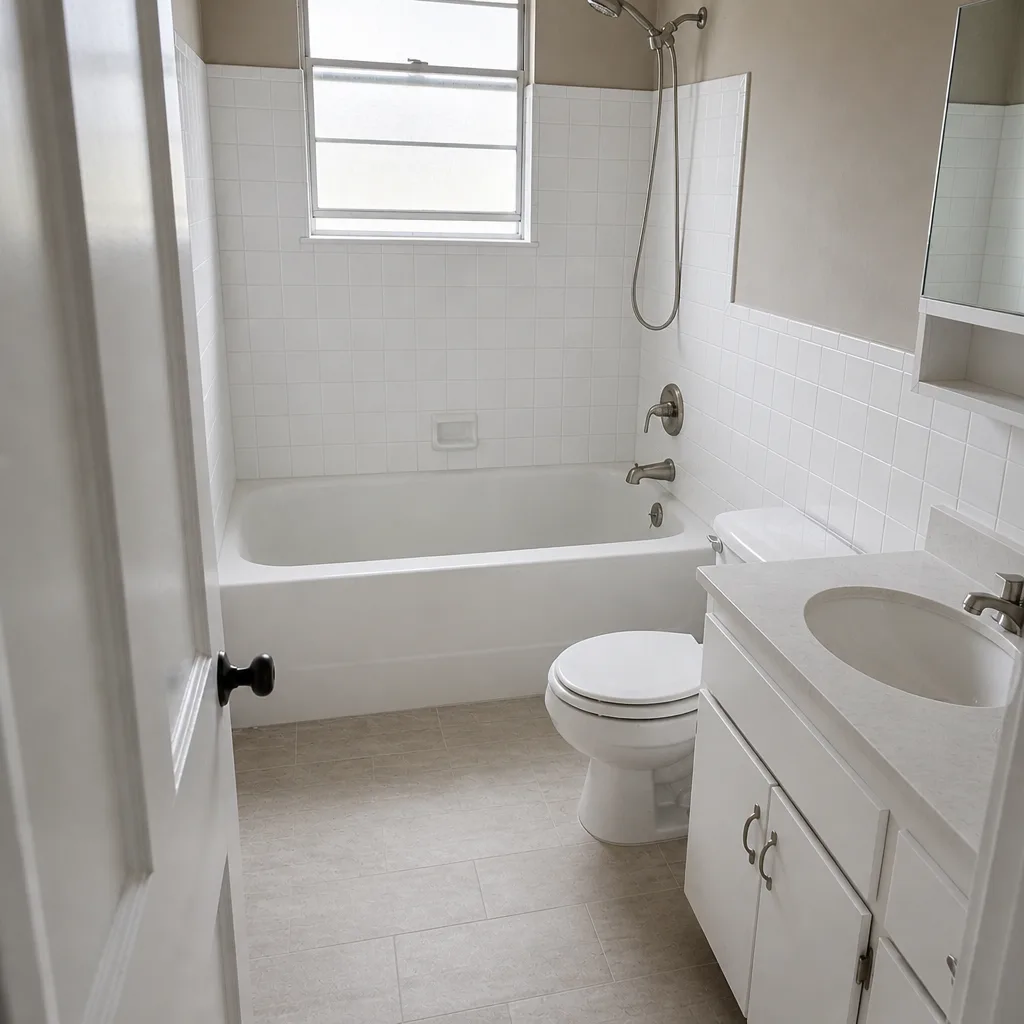
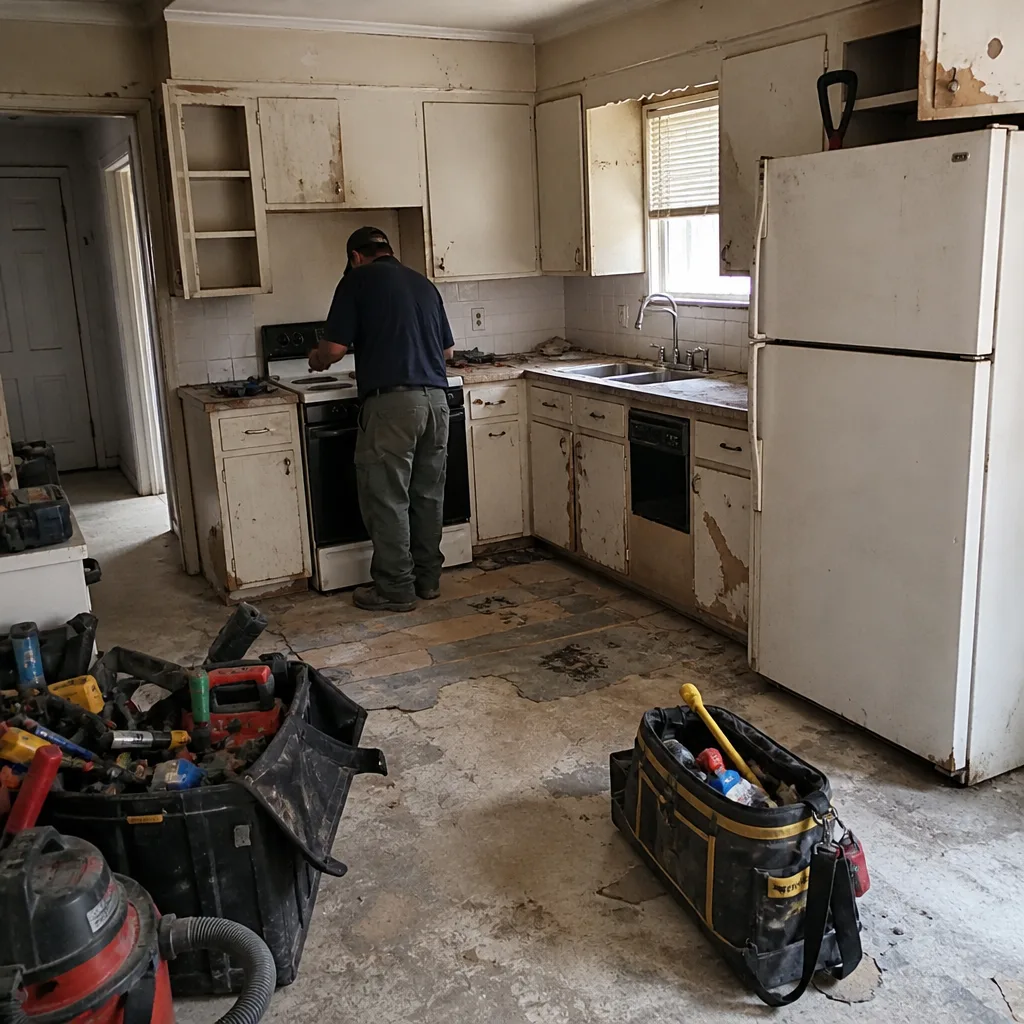
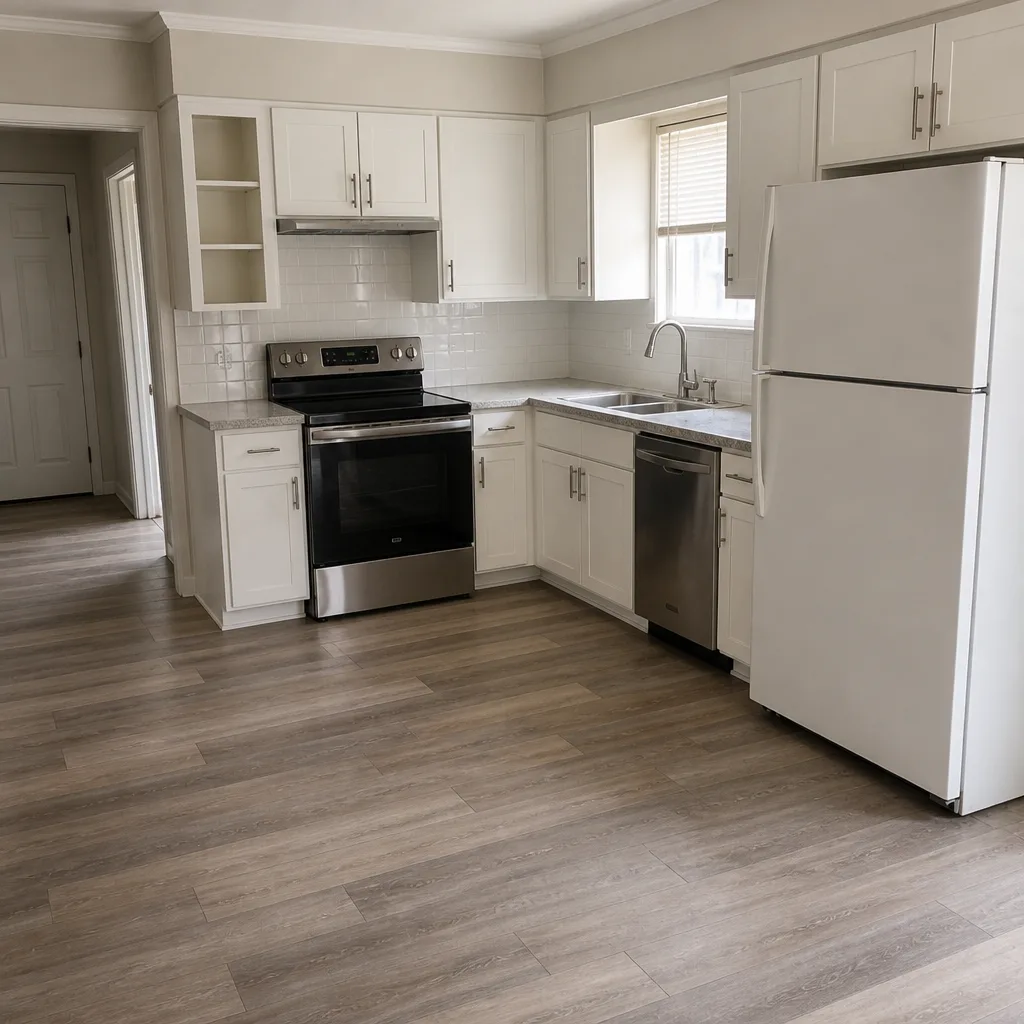
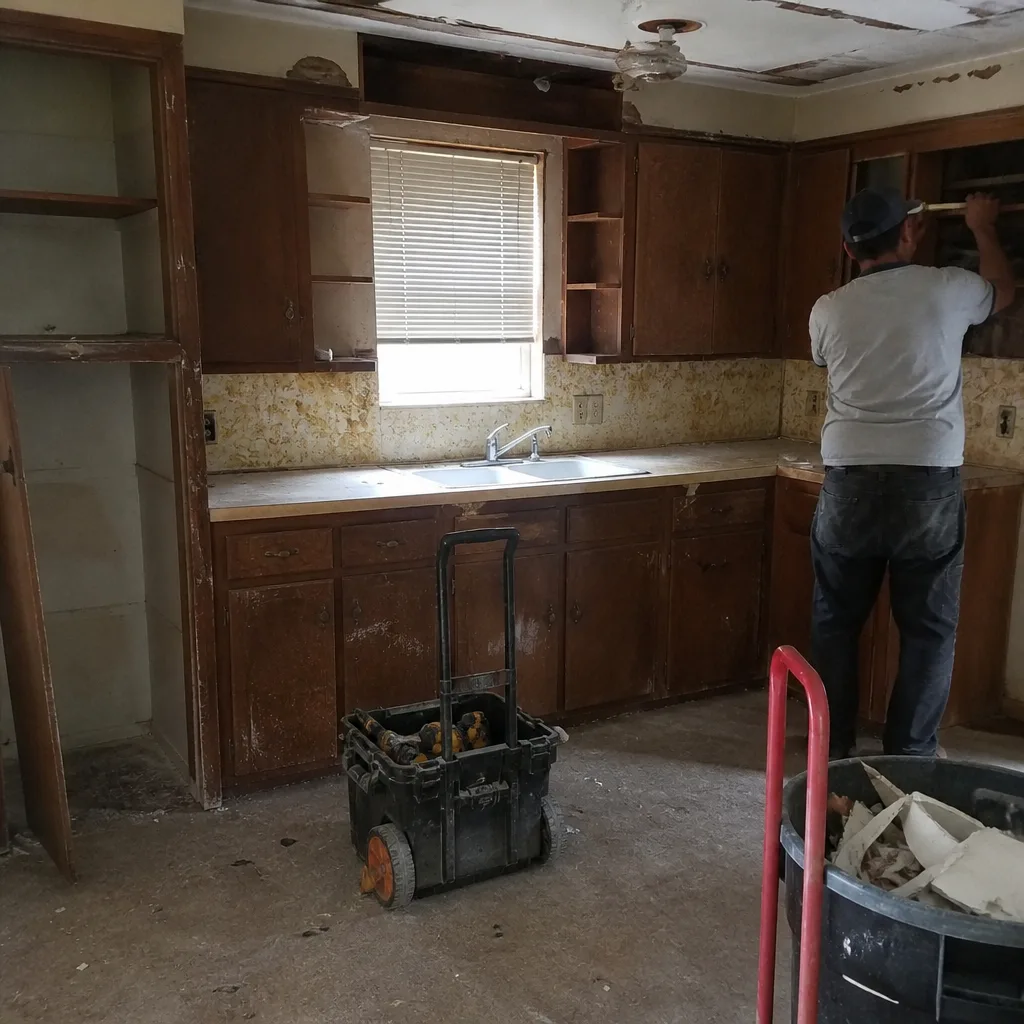
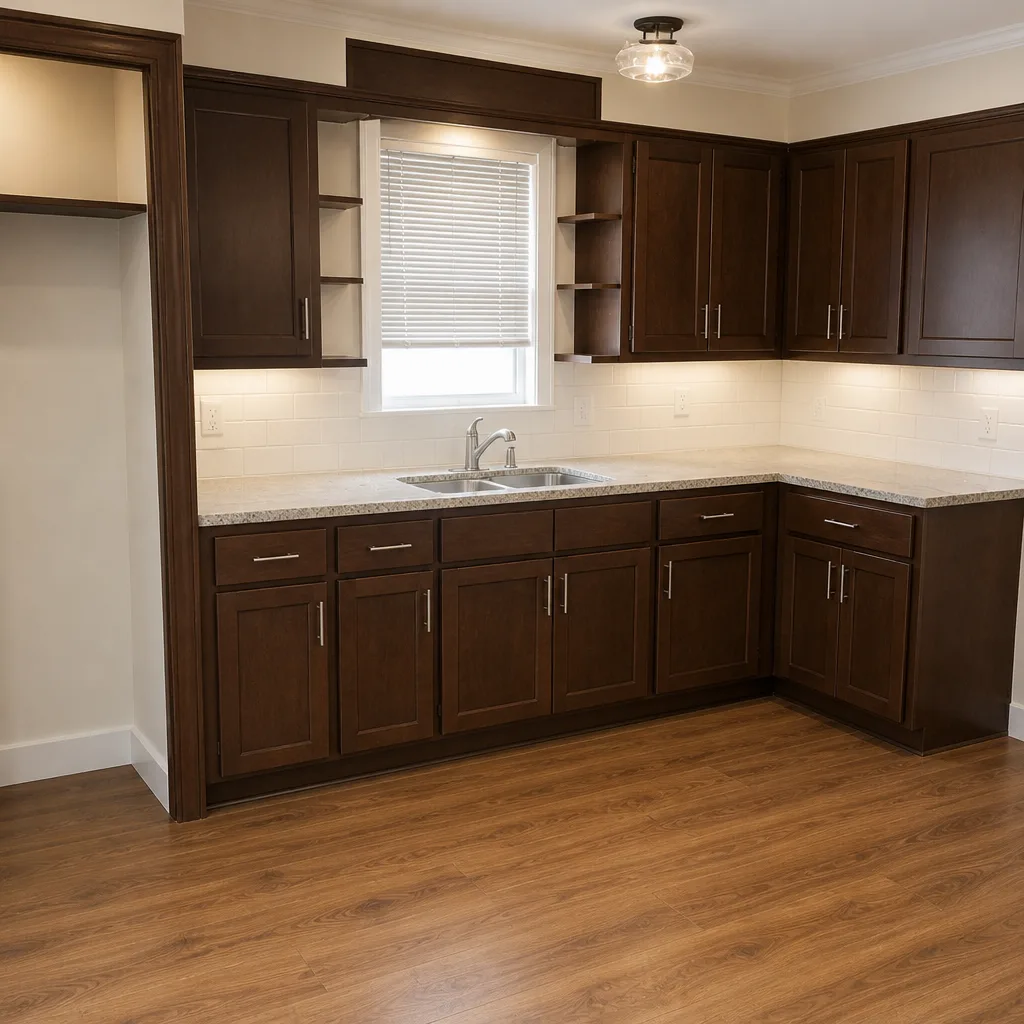
See the difference
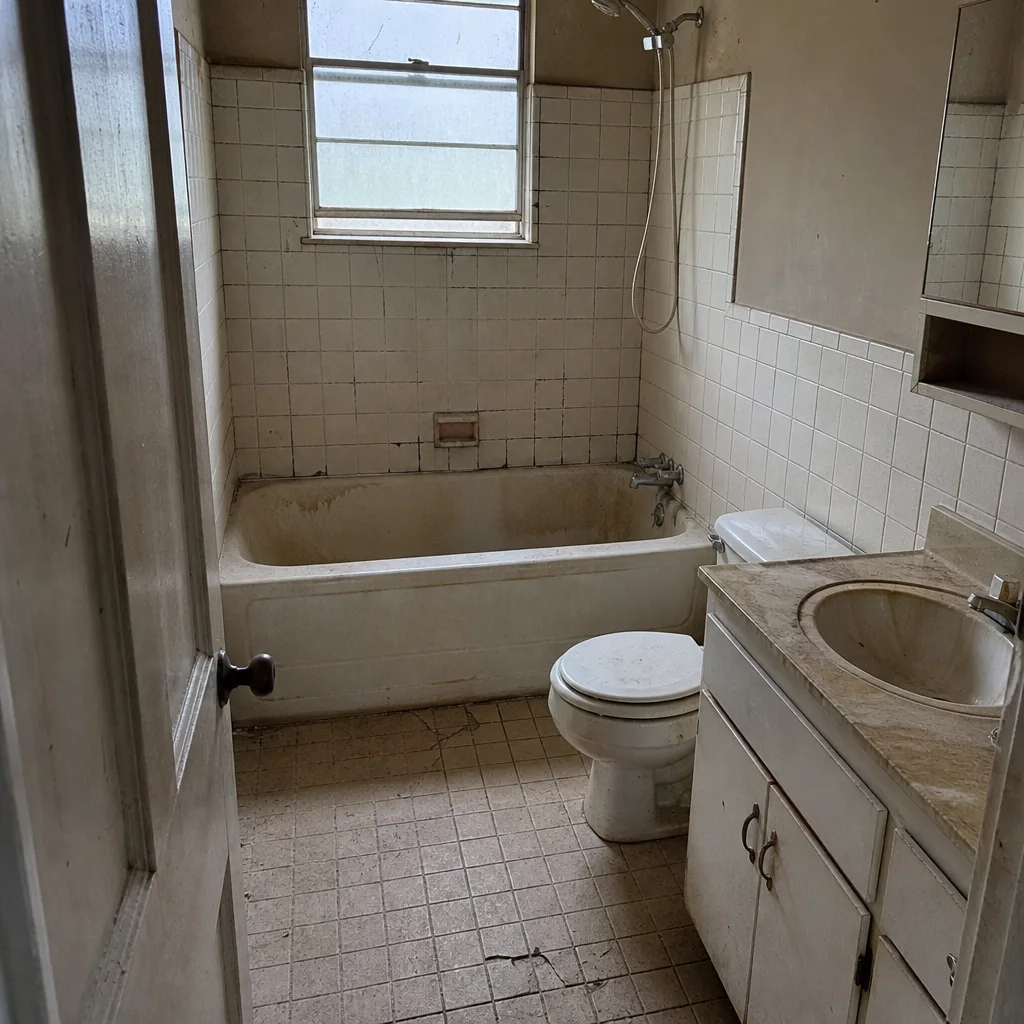 Before
 After
 Before
 After
 Before
 After
When to Call a Professional
You should call a professional before you specify any brand for a project that involves structural materials, roofing, flatwork base, or plumbing fixtures. These are the categories where the wrong brand choice fails slowly and expensively – cracks that show up in year three, cartridges that fail in year two, warranty claims denied because the tier wasn’t registered. If you’re facing a Fort Worth project in a trade that touches structural or exterior materials under our climate, get the spec in writing before work starts. Rowan Construction Group Fort Worth offers free estimates in Fort Worth, and we’ll put a written price and a written scope in front of you before any tool moves – call (833) 570-6084. Our technicians bring up to 19 years of experience, and we’re happy to review a competing estimate line by line at no charge. Start with the Rowan Construction Group Fort Worth home page to see the trades we cover.
Frequently Asked Questions
There’s no single best brand – the right choice depends on the trade and the specification values that matter most in Tarrant County conditions. For roofing, GAF and CertainTeed both offer certified installer programs with transferable warranties and regional distribution. For pavers, look for compressive strength above 8,000 psi and moisture absorption under 6%. For cabinets, KraftMaid and Wellborn both publish clear construction and finish warranty terms. Call (833) 570-6084 for a free estimate on your specific project and a written brand specification.
Fort Worth’s expansive clay soil moves with seasonal moisture, and a paver that can’t flex with that movement cracks instead of riding it out. Two brands sold at the same supplier can differ by 2,000 PSI or more, which often determines whether a driveway holds for fifteen years or fractures in five. Ask for the technical data sheet and compare before you choose. We’ll review any written paver estimate line by line at no charge – call (833) 570-6084.
Limited lifetime almost always means manufacturing defects only, for as long as you own the home, and it usually excludes labor, wind damage above a specified speed, and failures caused by installation error. A transferable 30-year warranty from a certified installer program is often the stronger asset because it survives the sale of the house. Ask which warranty tier a bid is written against before you sign. Call (833) 570-6084 for a free second opinion on any written estimate.
A performance-based choice comes with a specific technical justification – freeze-thaw rating, cartridge material, box construction – and a named local distributor. A margin-driven choice tends to arrive with vague language and no technical explanation. Ask the five questions in this guide; if the contractor can’t answer them in writing, that’s your signal. We’ll review a competing bid for free and tell you what we see – call (833) 570-6084.
Yes, always, on every trade and every project size. A written flat price and a written scope before anyone picks up a tool is the baseline, not a courtesy. Without it, brand specifications, warranty tiers, and substitution clauses all become unenforceable promises. We put the number in writing before work starts on every job. Call (833) 570-6084 to schedule a free estimate.
Substitution should always require your signed approval – if the contract allows “equal or better” swaps without your signature, you’ve handed over control of your material quality. Check the substitution language before you sign, and get the exact model, tier, and warranty program written into the scope. Bring us any written estimate and we’ll review the substitution clause for you at no charge. Call (833) 570-6084.
The Bottom Line
Brand selection for a Fort Worth construction project comes down to a spec sheet, a distributor, and a warranty you can register and transfer. The five values that matter here – compressive strength, freeze-thaw rating, UV stability, moisture absorption, and warranty transferability – tell you how a material will perform under our clay soil, hot summers, and winter freeze-thaw swings. Ask every contractor the five questions before you sign, and get the answers in writing. A written price before work starts, a named local distributor, and a transferable warranty are the three things that keep a project on budget and a brand doing its job. Ready to put it in writing? Call (833) 570-6084 for a free estimate from Rowan Construction Group Fort Worth.
Written by the team at Rowan Construction Group Fort Worth.