Last updated November 18, 2026
Free written scope consultation - allowances, timeline, and change-order rules on paper before a single trade is scheduled
The Complete Driveway & Pavers Guide for Fort Worth Homeowners
Fort Worth sits on Blackland Prairie clay that can move vertically up to 4 inches seasonally. That number is the whole story. Most paver driveways fail here not because the pavers were wrong, but because the base beneath them was built to a spec written for stable, sandy ground somewhere else. Tarrant County’s expansive clay swells when it drinks and shrinks when it dries, and a 4-inch gravel base that works fine in gravel country will rock loose in a Fort Worth driveway within a few seasons. This guide covers the sub-base depth that actually holds, honest 2024 Tarrant County price ranges by material, the drainage rules that shape your grading, and the contract language that keeps the number you agreed to from drifting. Read it before you sign anything.
Quick Answer
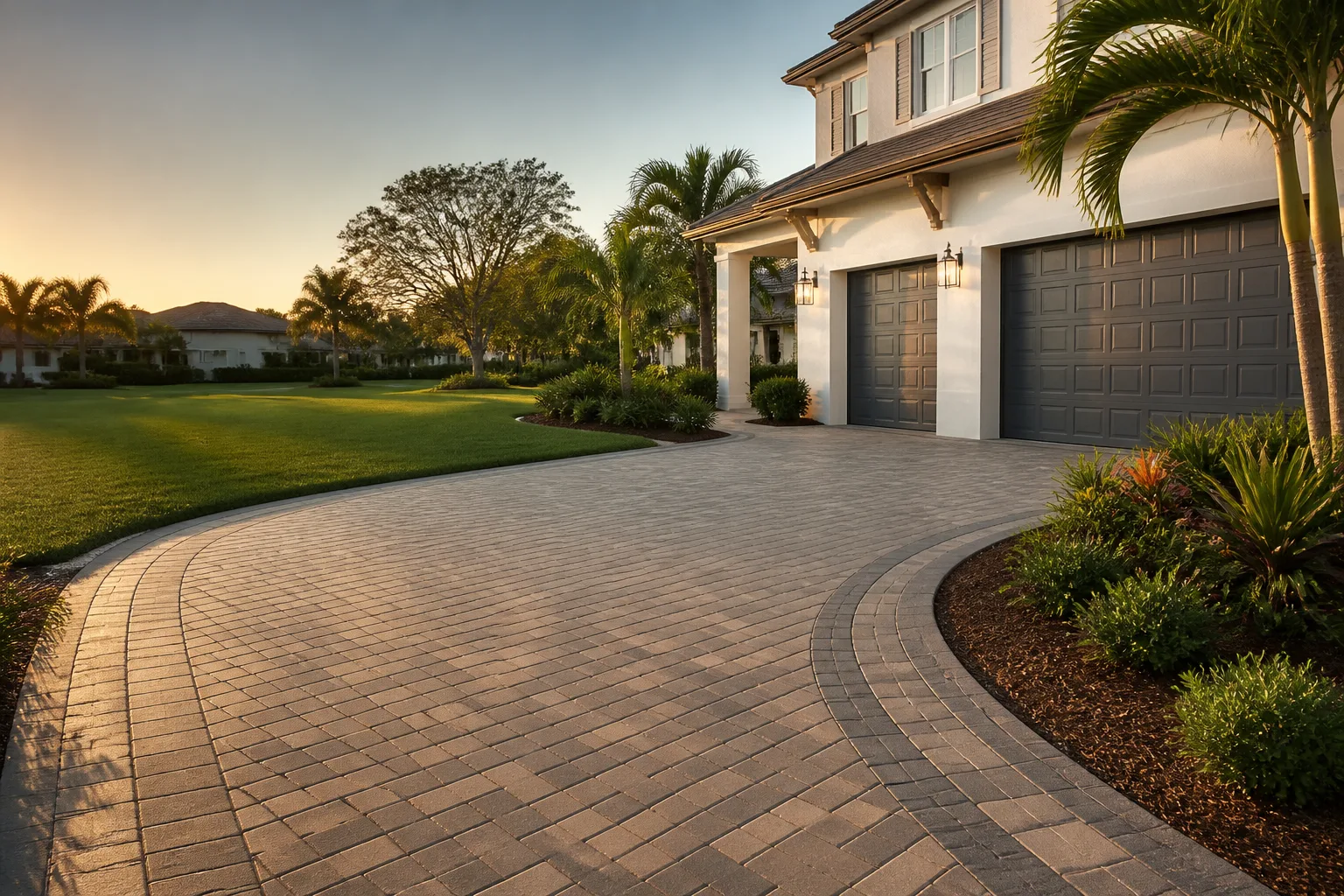
A paver driveway in Fort Worth typically costs $12 – $18 per square foot installed for concrete pavers, $18 – $28 for natural stone, and $15 – $22 for permeable systems, with the base build driving most of the variance. On Blackland clay, the base needs 8 – 12 inches of compacted, moisture-conditioned aggregate rather than the standard 4 inches, and the contract should state that depth and a compaction spec in writing before work starts. Get the sub-base spec wrong and even good pavers will shift within 36 months.
Styles & brands we work with
- Kitchen remodeling
- Bathroom remodeling
- Home additions & ADU
- Roofing
- Windows & doors
- Driveway & pavers
- Fence
Table of Contents
- Why Fort Worth Soil Decides Whether Your Pavers Last
- Sub-Base Spec: Depth, Moisture, and Compaction
- What Pavers Cost in Fort Worth in 2024
- Choosing a Material and a Supplier
- Tarrant County Drainage, Grading, and Permeable Systems
- HOA Documentation for Master-Planned Communities
- What a Proper Paver Contract Itemizes
- Common Mistakes to Avoid
Why Fort Worth Soil Decides Whether Your Pavers Last
Fort Worth’s Blackland Prairie clay is shrink-swell soil rated among the most active in Texas. In practical terms: it holds water like a sponge, expands as it saturates, then contracts and cracks through a dry summer. A driveway is a rigid surface resting on a moving foundation. When the clay beneath a base lifts, the pavers lift with it; when it drops, the joints open and the surface settles into low spots where water then pools and starts the cycle again.
We see the pattern most in older Fort Worth neighborhoods with mature trees, where root systems pull moisture unevenly across a driveway. One side stays wet, the other dries out, and the slab or base tilts. The same thing happens on newer lots where builders stripped topsoil and left compacted fill that hasn’t finished settling.
The point isn’t to alarm you. It’s to explain why a paver driveway is a base engineering job first and a surface job second. Concrete pavers, natural stone, and permeable systems all sit on the same moving ground. The base system is what separates a 30-year driveway from one that starts rocking by the third spring. Get that part right in Fort Worth, and the rest is finish work.
Sub-Base Spec: Depth, Moisture, and Compaction
This is where most Fort Worth paver jobs go wrong, and where a written spec protects you. The standard 4-inch gravel base you’ll see in generic installation guides is built for stable, well-draining soil. On Blackland clay it is not enough. The base needs to bridge the seasonal movement, and that takes depth and compaction.
Here’s the sequence a proper Fort Worth sub-base follows:
- Excavate to depth. Dig 8 – 12 inches below finished grade, not the typical 4 – 6. On heavily active clay lots we’ve seen, going to the deeper end is the difference between a surface that holds its plane and one that ripples.
- Check moisture before placing base. Moisture conditioning means getting the clay to a workable, uniform moisture content before you compact over it. Dry clay won’t compact; saturated clay pumps. A crew should test this, not guess.
- Place and compact aggregate in lifts. Base is laid in layers of 2 – 4 inches and compacted between each lift, not dumped and rolled once at the end.
- Compact to spec. The contract should state a compaction target, commonly cited in the high-90s percent of standard Proctor density for this kind of work. If the number isn’t written down, you have no way to hold anyone to it.
- Set edge restraint. A paver driveway lives or dies at its edges. The edge restraint brand and gauge should be named in the contract, because a flimsy edge lets the field spread.
- Sand and vibrate the surface, then seal if specified. Joint sand fills the gaps, a plate compactor seats the pavers into the bedding layer, and sealer goes on only after the surface has cured properly.
None of this is exotic. It’s standard discipline applied to a soil that punishes shortcuts. Under Clause 1 of the Haven Standard at Rowan, the price and the base depth are written before anyone starts, so you know what depth you’re paying for. Our technicians have up to 19 years of experience building on this soil, and the lesson from all of it is the same: the base is the job.
What Pavers Cost in Fort Worth in 2024
Pricing below reflects Tarrant County market rates in 2024, installed, including base, materials, labor, and standard edge restraint. A driveway with difficult access, steep grade, or drainage work will run higher. A written quote should break these out line by line rather than hand you a single lump number.
| Material | Installed Cost (per sq ft) | Notes for Fort Worth |
|---|---|---|
| Concrete pavers | $12 – $18 | Most common choice; holds up well on a properly built base |
| Natural stone | $18 – $28 | Higher material cost; each stone is unique, so plan for variation |
| Permeable pavers | $15 – $22 | Cost includes open-graded base and drainage layer; can offset detention needs |
A typical two-car Fort Worth driveway runs roughly 500 – 700 square feet, so concrete pavers land in the $6,000 – $12,600 range for the field, before extras like a border course, apron work, or drainage. The base is a large slice of that number on clay. If a quote comes in far under these ranges, the base depth is where the money was cut, and you’ll pay it back in repairs.
One thing to watch: a flat price should include a written scope. If a contractor wants to “call it once we get in there,” you’re being asked to buy an unknown. We deliver a written price before any work starts, every time, and no change proceeds until a change order is signed. That’s the discipline that keeps a project within a few percent of the number you agreed to. If you already have a competitor’s estimate, our free second opinion reviews it line by line at no charge.
Choosing a Material and a Supplier
Material choice is partly aesthetics and partly how the surface behaves under Fort Worth sun and clay. Concrete pavers are the workhorse: consistent, repairable, and widely stocked. Natural stone reads richer but costs more and needs a crew that understands irregular thickness. Permeable pavers do double duty by letting water through, which matters if you’re trying to satisfy drainage on a tight lot.
Supplier depth matters as much as paver style. The written quote should name the brand so you can compare honestly. Belgard and Techo-Bloc are both widely available in the Fort Worth market and both publish spec sheets, so you can check the compressive strength and freeze-thaw rating yourself rather than taking a sales pitch at face value. For bedding and joint sand, a named product like Sakrete gives you a known material rather than an unlabeled bag.
- Belgard: broad paver line, strong local availability, good for standard driveway fields.
- Techo-Bloc: textured and dimensional options, popular for borders and accents.
- Sakrete: bedding and joint sand you can identify by name.
Ask for a sample of the actual paver the crew will install, not a showroom piece. Then check the spec sheet against the load and the base design. On clay, the pavers are rarely the weak link; matching them to a base that can hold them is the point.
Tarrant County Drainage, Grading, and Permeable Systems
Where your driveway sends water is a code question and a neighbor question at the same time. Fort Worth drainage rules are concerned with stormwater running onto adjacent properties and into the street, and they affect how a driveway is graded. A driveway should shed water away from the house and off the surface rather than pooling against the garage door or the foundation. On lots where grade doesn’t cooperate, that takes planning before the first paver goes down.
Permeable paver systems can help on smaller Fort Worth lots where a standard concrete surface would create more runoff than the site can handle. Because the system lets water pass through to a storage-and-drainage base, it can reduce the detention burden a lot would otherwise need. That’s not a universal solution, but on a tight infill lot it’s worth pricing against the cost of a detention structure.
Grading and drainage plan is a conversation to have with your contractor and, where the scope requires it, with the city. The key is to settle the grade and the outfall before construction, not after water starts puddling in a corner of the driveway every time it rains. That planning step belongs in the written scope.
HOA Documentation for Master-Planned Communities
Fort Worth’s master-planned communities carry deed restrictions, and those restrictions usually reach the driveway. If you live in a community in the Walsh Ranch or Trinity Falls style, expect an architectural review before any paver work begins. The review is documentation-heavy, and missing a step can mean tearing out finished work.
A practical checklist for the HOA submission:
- Paver product sheet: the exact brand, style, and color, with the supplier’s spec.
- Site plan: showing driveway dimensions, setbacks, and where it meets the street and structure.
- Color samples: some communities restrict the palette to natural earth tones or a specific approved list.
- Landscape plan: if borders, plantings, or a widened apron are part of the job.
- Contractor information: proof the installer is qualified, plus insurance documentation.
Get the HOA approval in writing before work starts. A reputable contractor will know what the local communities ask for and can point you in the right direction, but the submission is yours to make and yours to confirm. Build the review timeline into your schedule so a fast approval doesn’t force fast, slipshod work.
What a Proper Paver Contract Itemizes
The single best protection against a paver job that goes sideways is a written contract that itemizes the engineering decisions before anyone picks up a tool. This is where the number you agreed to gets locked in, and where scope creep gets blocked. If a line isn’t in the contract, it isn’t in the price.
A paver contract that holds up on Fort Worth clay should itemize:
- Base depth in inches. Not “proper base,” but 8, 10, or 12 inches, written down.
- Compaction spec. The Proctor density target and how it will be checked.
- Aggregate type and lift thickness. The material that goes in and how it’s placed.
- Edge restraint brand and gauge. Named, not generalized.
- Paver brand, style, and color. The exact product, so the crew can’t substitute.
- Bedding and joint sand product. Named, so you know what’s under and between the pavers.
- Drainage and grading plan. Where water will go and how it gets there.
- Line-item price and written warranty. The number, not a range, plus the workmanship warranty in writing.
Then the change-order rule: no work proceeds on a change without a signed change order. That one administrative habit is why Fort Worth paver projects finish within a few percent of the agreed price instead of drifting 20% past it. It’s the same discipline we bring across seven trades, from Driveway & Pavers in Fort Worth through roofing and windows. Our 365-Day Done Right Promise stands behind it: if it isn’t done right, we make it right.
Common Mistakes to Avoid
- Accepting the standard 4-inch base. That depth is for stable soil, not Blackland clay. On a Fort Worth driveway it’s the most common reason a good-looking install starts shifting by the third season.
- Skipping moisture conditioning. Placing aggregate over dry or saturated clay without conditioning the subgrade means the base never compacts uniformly, and the failures show up as low spots after the first rainy spring.
- Choosing a contractor by price alone. A quote well under the $12 – $18 range for concrete pavers usually means the base depth was cut. The savings come back as repairs.
- Ignoring the HOA until after the work is done. Walsh Ranch and Trinity Falls style communities want the product sheet and site plan up front. Retroactive approval isn’t a thing, and unapproved pavers can mean removal.
- Leaving drainage out of the contract. Grading and outfall belong in the written scope. If they’re not there, water pools against the garage and the whole surface suffers.
- Agreeing to “call it once we get in there.” A flat price should come with a written scope. Verbal adjustments are how a project drifts past the number you budgeted.
- Skipping the compaction check. If nobody verifies the base hit its Proctor density, you’re trusting a guess. Ask how it will be checked.
When to Call a Professional
Some paver work is fine to size up yourself; structural decisions on active clay are not. Call a professional when your existing driveway is rocking, when joints are opening seasonally, or when water is pooling against the garage or foundation. Those are base and drainage problems, not surface problems, and patching them is wasted money. Call when you’re replacing a driveway and the grade or drainage isn’t straightforward. Call before your HOA submission if you’re unsure what the community requires. And call when the work involves re-grading that could affect the structure. In all of these, get a written price and a written base spec before anything is ordered. Rowan Construction Group Fort Worth offers free estimates in Fort Worth – call (833) 570-6084. Bring a competitor’s quote and we’ll review it line by line at no charge.
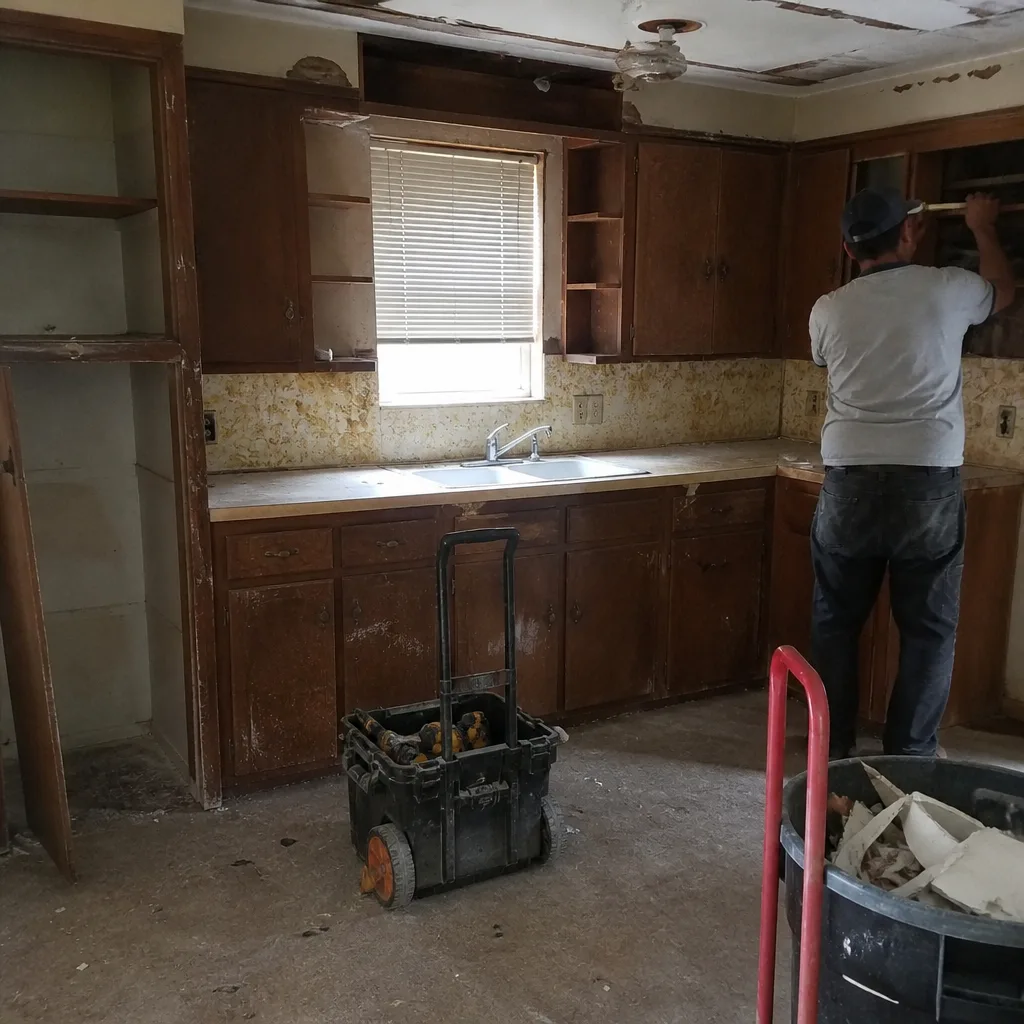
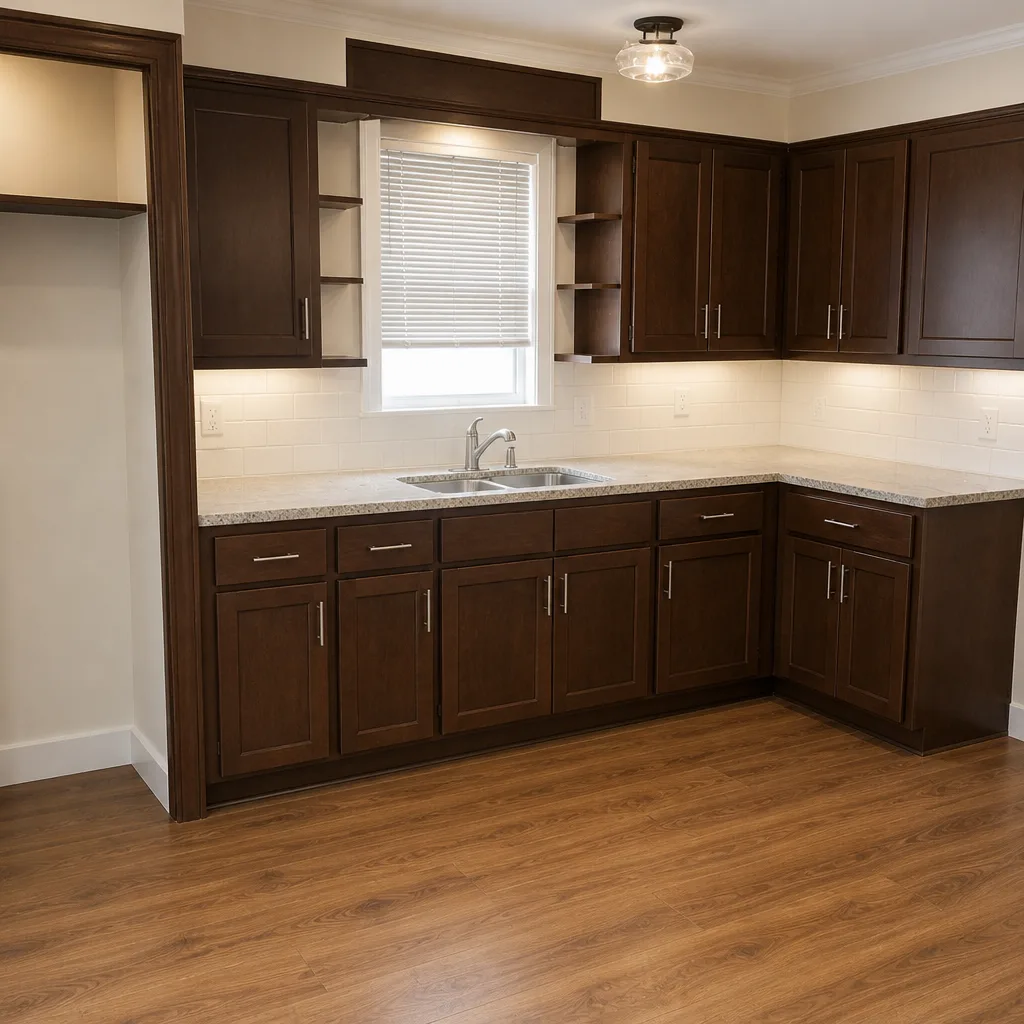
See the difference
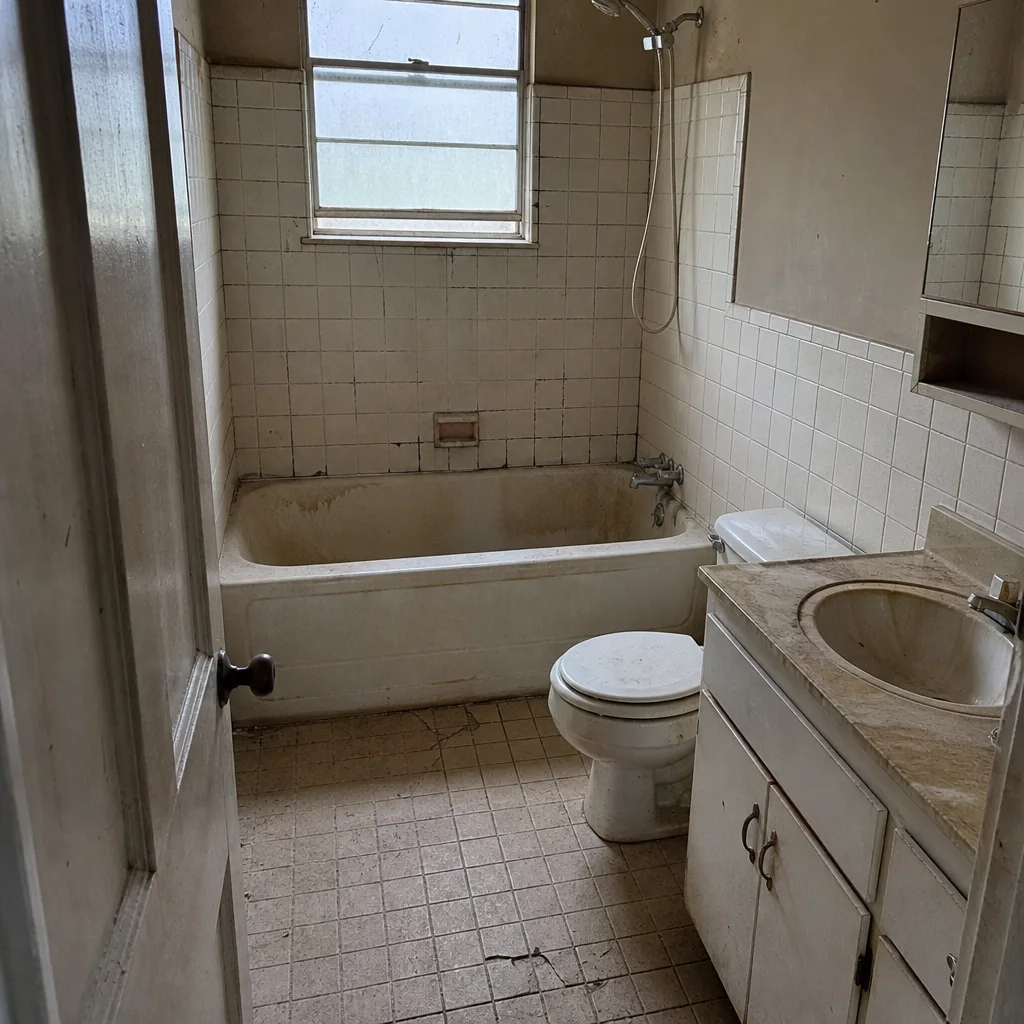 Before
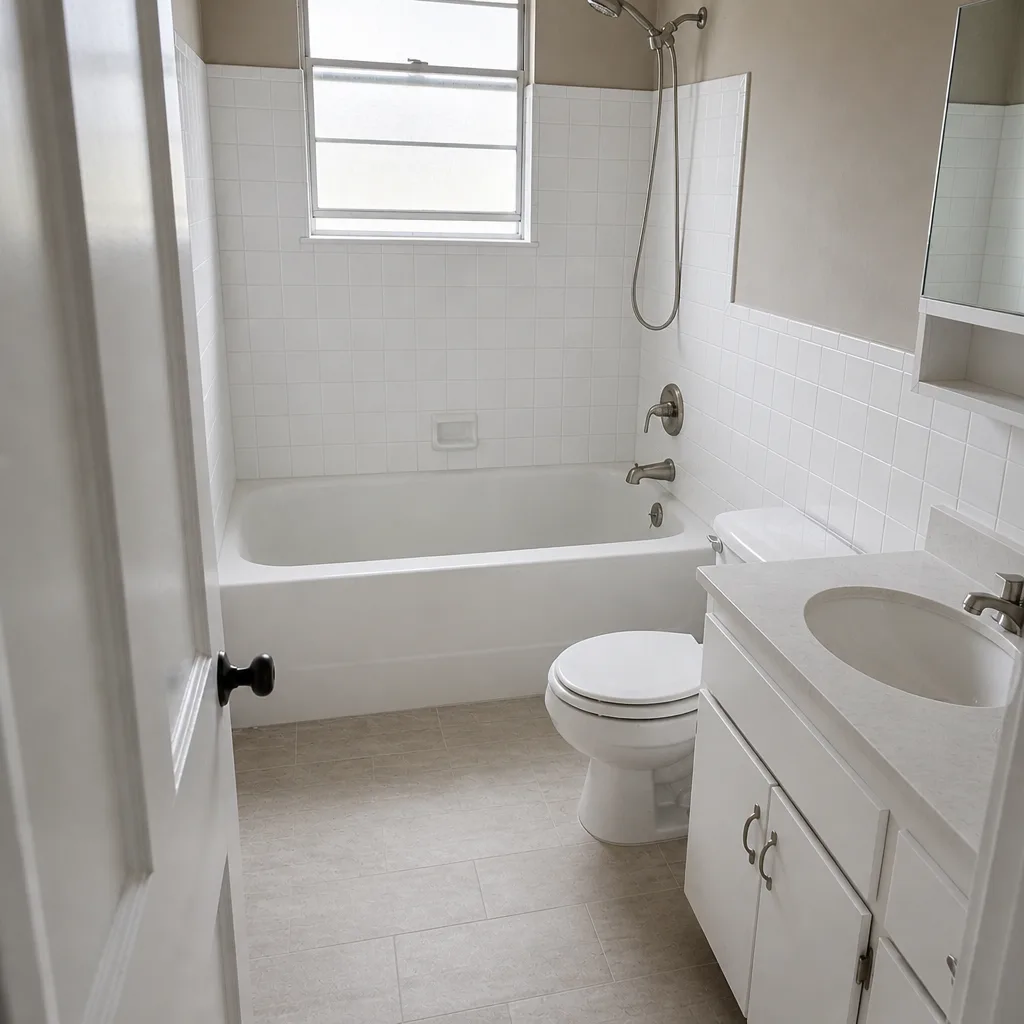 After
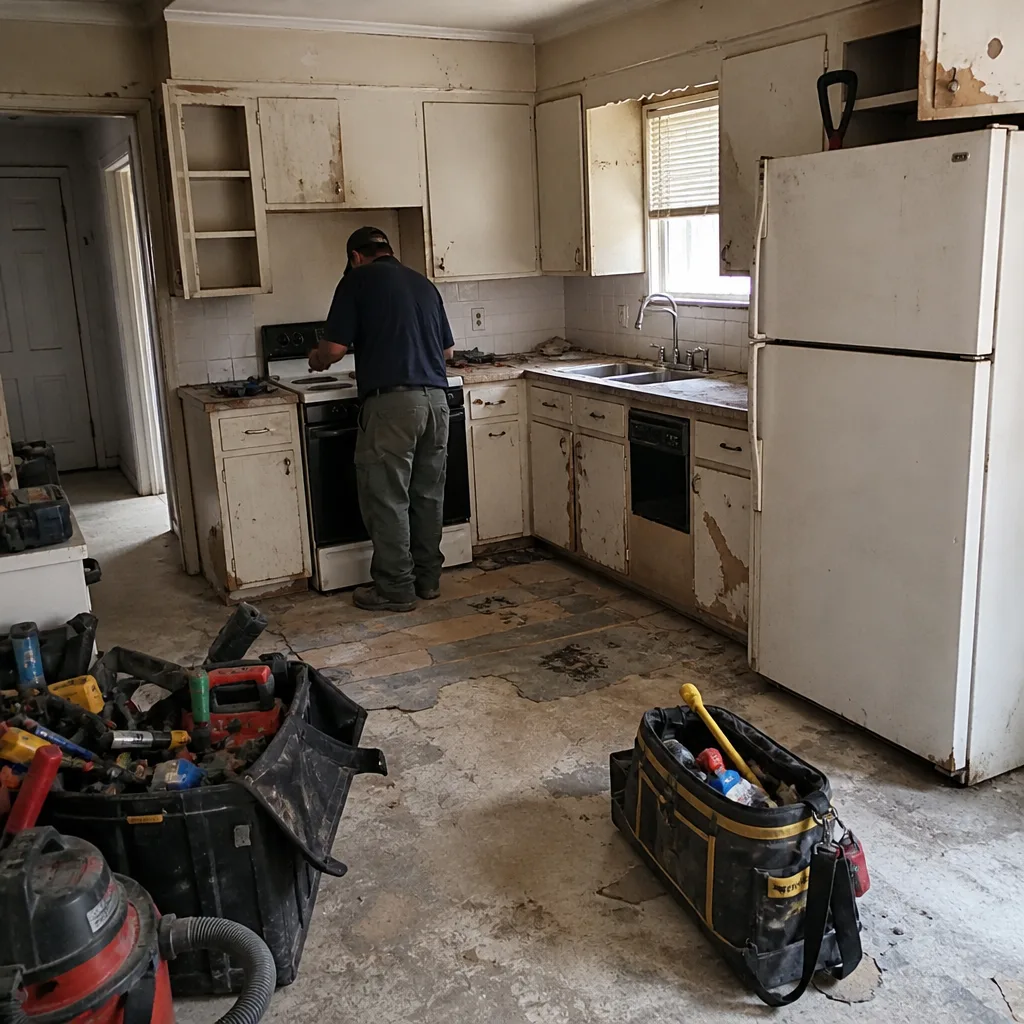 Before
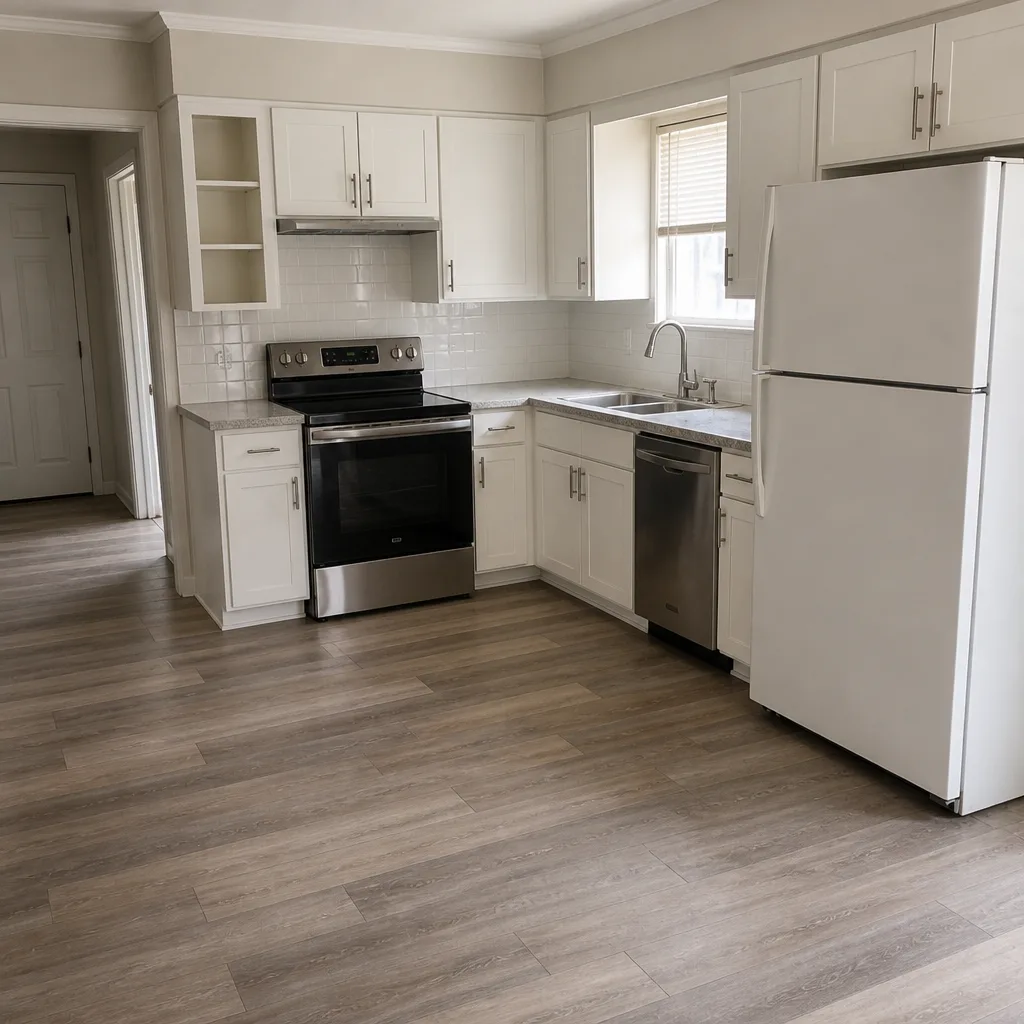 After
 Before
 After
Frequently Asked Questions
Concrete pavers run $12 – $18 per square foot installed in Fort Worth, natural stone $18 – $28, and permeable systems $15 – $22. A typical two-car driveway lands around $6,000 – $12,600 in concrete pavers, with the base build driving most of the variance on clay. Call (833) 570-6084 for an exact quote – estimates are free.
Fort Worth’s Blackland Prairie clay shrinks and swells seasonally, moving up to 4 inches in some cases, and a standard 4-inch base doesn’t bridge that movement. The fix is a deeper, moisture-conditioned, properly compacted sub-base, typically 8 – 12 inches. In our experience, shift almost always traces back to base depth and compaction, not the pavers.
HOA approval is required in most Fort Worth master-planned communities, and drainage or grade changes may require city review. Get approval in writing before work begins. The submission usually needs a paver product sheet, a site plan, color samples, and contractor documentation.
Not without a signed change order. A proper contract itemizes base depth, compaction spec, edge restraint, and paver brand up front, so an honest project stays within a few percent of the agreed number. Anything that changes scope gets a written change order you sign first.
Most residential Fort Worth driveways take several days to roughly a week, depending on size and site conditions. The base build and excavation take the most time; the paver field goes down relatively fast. Plan additional weeks for HOA review before construction starts.
Yes. Permeable systems let water pass through to a storage-and-drainage base, which can reduce the detention burden on tight Fort Worth lots and help satisfy grading concerns. They cost $15 – $22 per square foot installed and are worth pricing against a detention structure. Call (833) 570-6084 for an exact quote – estimates are free.
If you’re considering other outdoor work alongside your driveway, our guides to Fence Installation in Fort Worth and Home Additions & ADU in Fort Worth cover how shared grading and drainage decisions interact – and you can always start from our Rowan Construction Group Fort Worth home page.
The Bottom Line
Your paver driveway in Fort Worth will last as long as the base beneath it. On Blackland clay, that means 8 – 12 inches of moisture-conditioned, properly compacted aggregate, an edge restraint that’s named in the contract, and a drainage plan settled before the first paver goes down. Expect $12 – $18 per square foot for concrete pavers, more for stone and permeable systems, with a written price and a written base spec locked in before work starts. Every visit comes with a documented photo record, so you can see what was built underneath, not just the surface.
Contact
Ready to price a paver driveway that’s built for Fort Worth soil? Call Rowan Construction Group Fort Worth at (833) 570-6084 for a free estimate. We’ll put the number and the base spec in writing before any work starts, review a competitor’s quote line by line at no charge if you have one, and stand behind the result with the 365-Day Done Right Promise. A live person answers the phone around the clock.
Written by the team at Rowan Construction Group Fort Worth.