Last updated November 18, 2026
Free written scope consultation - allowances, timeline, and change-order rules on paper before a single trade is scheduled
How Long Does Driveway & Pavers Take? Timelines and What to Expect
A contractor who quotes you a 3-day paver installation is telling you the truth about laying pavers, and leaving out the week of soil prep, the 24-hour compaction cure hold, and the City of Fort Worth permit window that can run 10 to 15 business days. The number you’re given is usually the installation days. The project clock runs longer. In our experience across Fort Worth, a full paver driveway lands at 3 to 6 weeks total once moisture conditioning, cure holds, and permit processing are folded in. This guide walks through every phase with honest day counts, the Fort Worth-specific delays that catch homeowners off guard, and what a written schedule should contain before you sign anything.
Quick Answer
A driveway and paver installation in Fort Worth typically takes 3 to 6 weeks from signed contract to the day you park on it, though the crew is only physically on site for about 4 to 9 working days on an average residential driveway. The rest of the calendar is soil moisture assessment, cure holds, permit processing, and weather delays. Small walkways and patios compress to 1 to 2 weeks. Large driveways over 1,000 square feet push toward the 6-week mark, especially in spring.
Styles & brands we work with
- Kitchen remodeling
- Bathroom remodeling
- Home additions & ADU
- Roofing
- Windows & doors
- Driveway & pavers
- Fence
Table of Contents
- Phase-by-Phase Timeline for a Paver Driveway
- Fort Worth-Specific Delays: Clay, Rain, and Permits
- How to Sequence the Permit Against Material Delivery
- What a Written Project Schedule Must Include
- Vehicle Access: When the Driveway Is Off-Limits
- Pavers vs. Concrete: How Timelines Compare
- What Driveway & Pavers Cost in Fort Worth
- Common Mistakes to Avoid
Phase-by-Phase Timeline for a Paver Driveway
Every paver driveway follows the same sequence, whether it’s 400 square feet in Tanglewood or 900 square feet out near Eagle Mountain Lake. What changes is how long each phase takes. Here is the honest breakdown we use when scoping a project. Sample work we’ve run through this guide lives under our Driveway & Pavers in Fort Worth service page.
- Soil assessment and moisture conditioning (1 to 5 days). The crew probes the subgrade, checks clay moisture content, and decides whether the soil needs to dry, needs water, or is ready to work. Recent rainfall adds days. Drought adds days on the other end.
- Excavation and base installation (1 to 2 days per 500 sq ft). Remove existing surface, haul off spoils, grade for drainage, and lay compacted crushed stone base in lifts. A 500 sq ft driveway is a one-to-two-day job for a full crew.
- Compaction cure hold (24 hours minimum). The base layer needs to sit and stabilize. Skipping this hold is how driveways settle within two years.
- Bedding sand and paver laying (1 to 2 days per 500 sq ft). Screed the bedding layer, set pavers to pattern, cut edges, and install restraints. This is the phase most contractors quote as “the whole job.”
- Polymeric sand cure (24 to 72 hours before vehicle traffic). Sweep sand into joints, activate with water, and let it set. Foot traffic after 24 hours is fine. Vehicle traffic waits the full window.
Total on-site crew days for a typical 500 to 700 square foot Fort Worth driveway: 4 to 9 working days. Total calendar days from contract to first vehicle parking: 3 to 6 weeks. The gap between those numbers is what this guide is about.
Fort Worth-Specific Delays: Clay, Rain, and Permits
Fort Worth sits on Blackland clay, and Blackland clay has opinions. It swells when wet, shrinks when dry, and refuses to compact correctly at either extreme. This is the single biggest reason timelines stretch in this market and stay stable in others. Base material laid over clay that’s too wet will pump and shift. Base laid over clay that’s crack-dry won’t bind. The crew has to wait for the window.
Dallas-Fort Worth rainfall patterns make that window unpredictable. Spring storms that dump 1 to 2 inches in an afternoon can push a project back 2 to 5 days after the rain stops, because the clay needs time to drain. If you’re scheduling between March and May, build 1 to 3 weather delay days into any plan as a baseline, not as a worst case.
Permits are the other hidden clock. Any work that touches the public right-of-way, including driveway aprons and curb cuts, needs City of Fort Worth approval, and that window can run 10 to 15 business days. Homeowners who assume the permit is a same-week formality end up sitting on a finished material delivery and an idle crew.
How to Sequence the Permit Against Material Delivery
Two clocks run in parallel on every paver project: the permit clock and the material delivery clock. Get them out of sequence and you pay for storage, or you pay for a crew standing around. Here is the order we work to.
- Week 1: permit application filed. Before any material is ordered. The city sets the permit window, not the supply house.
- Week 1 to 2: soil assessment and site walk. Confirm substrate condition while the permit is in the queue. This is also when any drainage work gets scoped.
- Week 2 to 3: material order placed. Delivered to arrive 2 to 4 days after the permit is issued. Brands like Belgard and Techo-Bloc typically ship in 5 to 10 business days for standard patterns; specialty or custom colors can run longer.
- Week 3 to 4: permit issued, delivery lands, crew mobilizes. The two clocks converge on the same week, and the physical work begins.
If a contractor tells you the material has to be ordered before the permit is even filed, ask why. Either the permit isn’t actually required for your scope (sometimes true for interior or rear-yard work) or the sequence is backward. Under Clause 1 of the Haven Standard, the price is written before anyone starts, and the schedule is written at the same time. Sequencing is part of the quote.
What a Written Project Schedule Must Include
A written schedule is not a promise. It’s a document that tells you when to move your car, when the crew will be on site, and what happens when it rains. If a contractor won’t put one in writing, that’s a risk signal, not a scheduling preference. A schedule we hand over includes five things.
- Start date and completion date, in writing. Not “late April.” A specific date.
- Phase milestones with dates. Base complete by X, pavers set by Y, sand cure complete by Z. These are the checkpoints you can hold the crew to.
- Weather delay protocol. How many delay days are budgeted, who makes the call, and how the schedule slides when rain arrives.
- Cure hold periods called out explicitly. The 24-hour compaction hold and the 72-hour polymeric sand hold are not optional slack. They are in the schedule because skipping them fails the driveway.
- Change order process. If a phase runs long or scope shifts, no work proceeds until the change order is signed. That’s the discipline that protects the price you agreed to.
Vehicle Access: When the Driveway Is Off-Limits
The question we get most often from Fort Worth homeowners isn’t about the schedule. It’s “where do I park?” Here is the honest answer by phase, because a loaded SUV parked on fresh bedding sand will cost you more than the inconvenience of a few nights on the street.
- During excavation and base work: driveway completely off-limits. Crew equipment occupies the footprint.
- During the 24-hour compaction hold: still off-limits. The base needs to sit untouched.
- During paver laying: off-limits. Wet bedding sand will not hold a tire without rutting.
- 24 to 72 hours after polymeric sand: foot traffic is fine, vehicles wait. A loaded truck or SUV needs the full 72 hours in warm weather; in cool, damp weather give it the longer end of the window.
Build a parking plan before day one. Two cars on a residential street is manageable for a week. Two cars and a contractor trailer is not. Let the crew know your parking situation when you sign the schedule, not the morning of.
Pavers vs. Concrete: How Timelines Compare
Pavers take longer than a poured concrete driveway, and the reason is instructive. Concrete goes down in one pour and cures for 5 to 7 days before traffic. Pavers go down in layers, and each layer needs its own hold. If timeline is the only variable, concrete wins.
What pavers buy you is repairability and drainage. A cracked concrete slab means breaking out and repouring. A damaged paver pulls up, gets replaced, and the color match is clean because the material is uniform through the depth. On Fort Worth’s Blackland clay, that drainage flexibility matters through wet years and dry. We install both surfaces and we’re honest about the trade: pavers cost more per square foot and take longer, and for most busy driveways the repair math favors them within a decade.
For raised or covered driveway structures integrated into an addition, engineered systems from manufacturers like Mighty Buildings and Boxabl shift timelines into a different range entirely, and that conversation belongs on the Home Additions & ADU in Fort Worth page rather than this one.
What Driveway & Pavers Cost in Fort Worth
Timeline and cost are the two questions every homeowner asks, and both deserve a number in dollars on the page. Here are the ranges we work to in Fort Worth, with the caveat that substrate condition, access, and paver selection all move the number. Belgard and Techo-Bloc sit at the higher end; standard concrete pavers sit lower.
- Standard concrete paver driveway: $16 to $24 per square foot installed, including base, bedding, pavers, and polymeric sand.
- Premium paver (Belgard, Techo-Bloc): $22 to $32 per square foot installed.
- Excavation and haul-off of existing surface: $3 to $6 per square foot.
- Drainage correction or subgrade repair (Blackland clay): $800 to $3,500 depending on the extent.
- City of Fort Worth right-of-way permit: varies by scope; we list it as a line item on every quote that requires one.
A 500 square foot paver driveway in Fort Worth typically lands at $9,000 to $15,000 depending on material. A written line-item quote should show each row above separately, not as a single lump. If you have a competitor’s estimate and want a second set of eyes on it, we do that at no charge.
Common Mistakes to Avoid
- Believing the “3-day installation” number as a total timeline. It’s the paver-laying phase, not the project. Ask what the calendar total is from contract to vehicle traffic.
- Scheduling spring work with no weather buffer. DFW rainfall in March, April, and May routinely pushes clay work back 2 to 5 days after each rain. A schedule with zero slack is a schedule that will slip on the first storm.
- Letting the material deliver before the permit is filed. You’ll pay for covered storage, or worse, for a crew idling while the city processes the paperwork. Both clocks need to run in parallel.
- Skipping the compaction cure hold to save a day. A base that doesn’t sit will shift within two rainy seasons. The 24 hours is not negotiable, no matter what a low bid promises.
- Parking on new pavers too soon. Polymeric sand needs the full cure window. A loaded truck on day two of a 72-hour cure ruts the joints and loosens the surface.
- Hiring a crew that won’t put a schedule in writing. If the only thing you get is a verbal “about three weeks,” there’s nothing to hold the crew to when the work runs long.
- Ignoring drainage on Blackland clay. Fort Worth’s subgrade moves. A driveway that doesn’t account for that movement will heave, and the repair is far more expensive than the drainage correction would have been.
See the difference
 Before
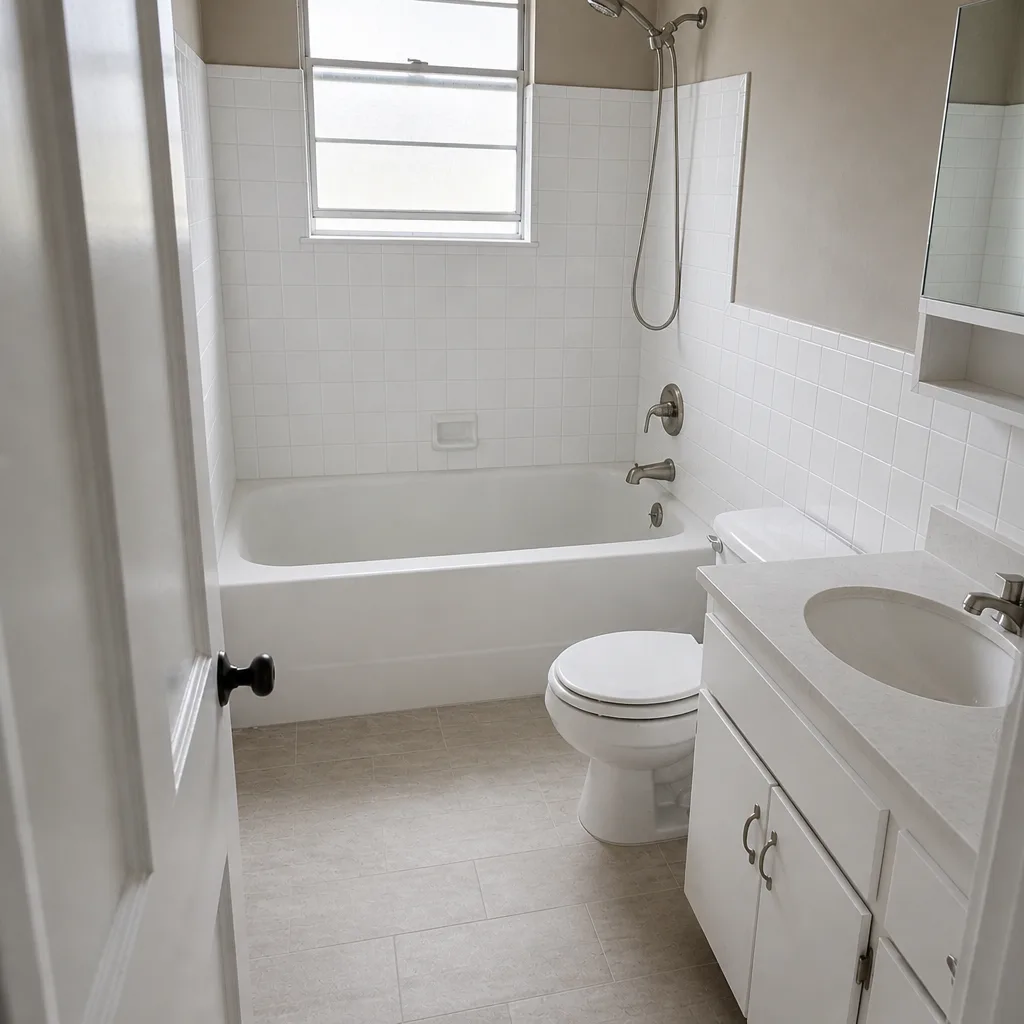 After
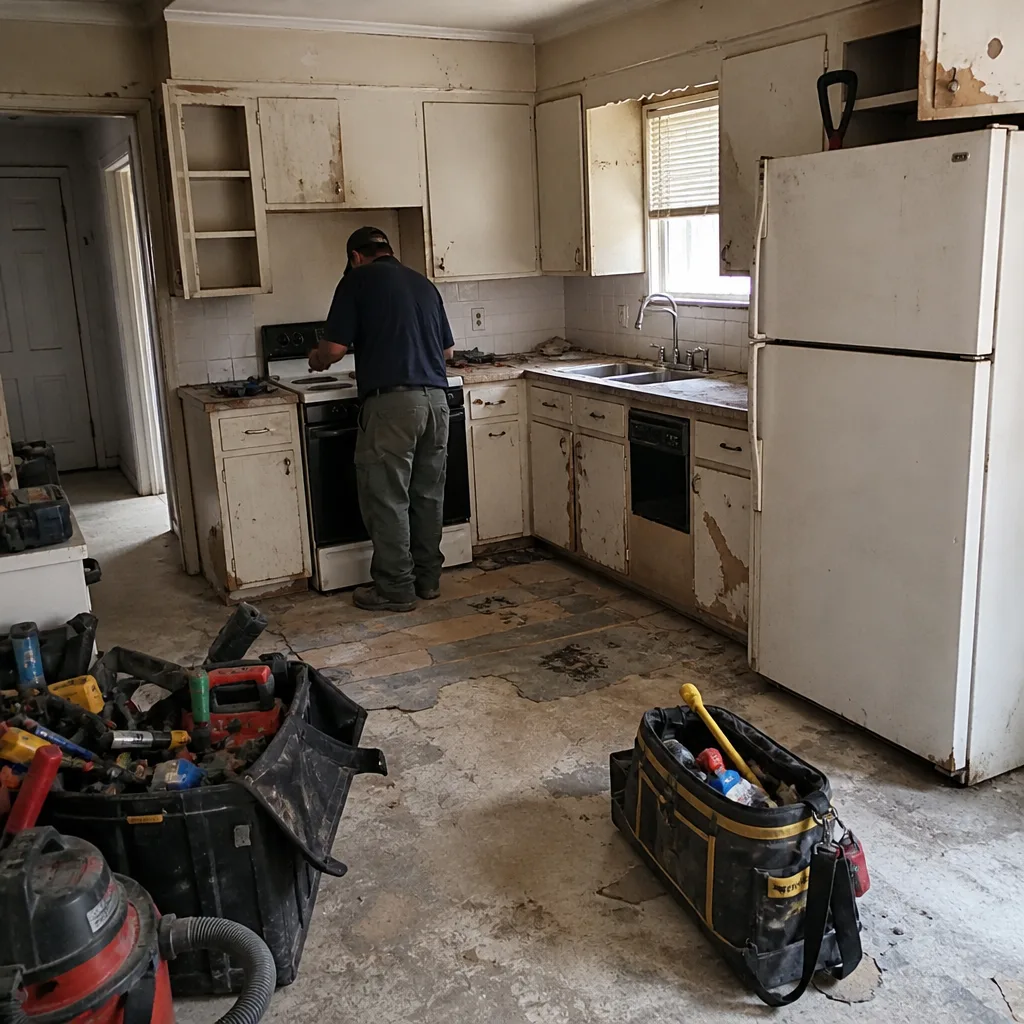 Before
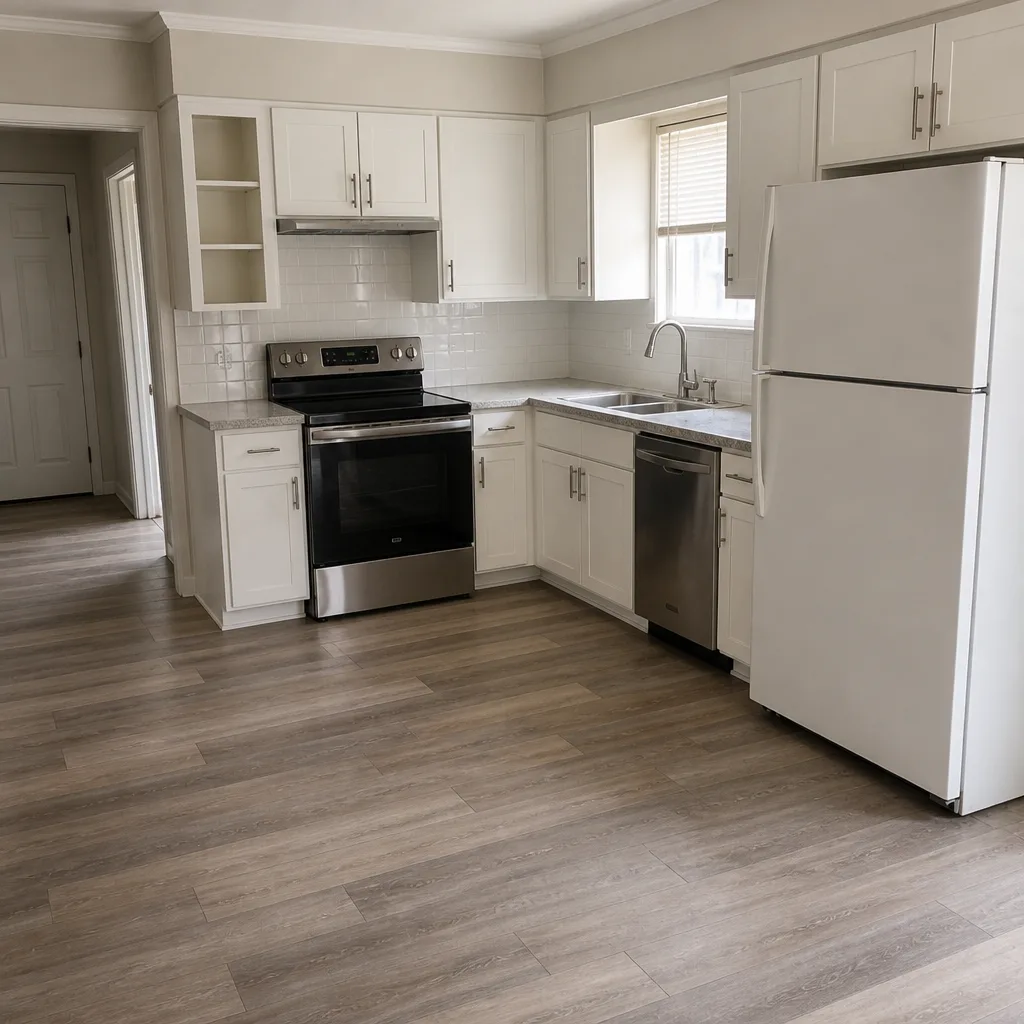 After
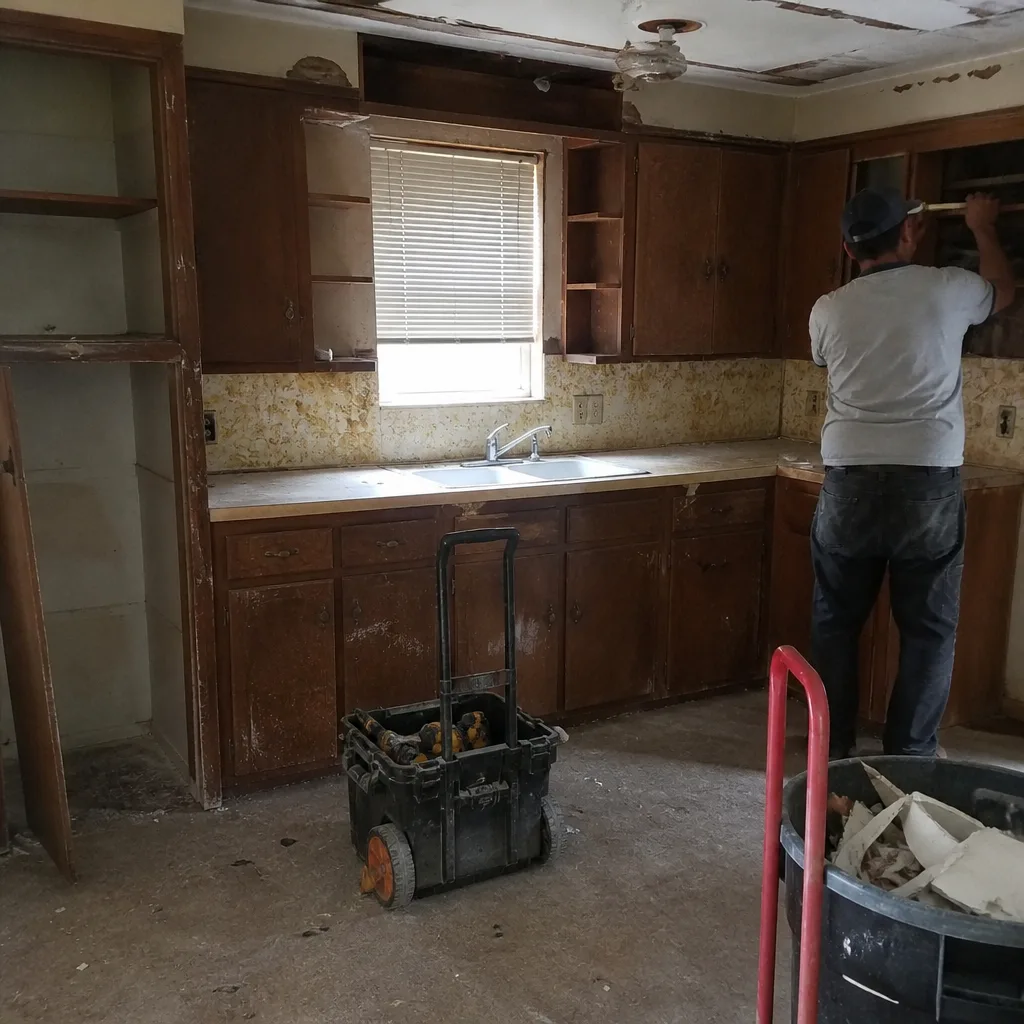 Before
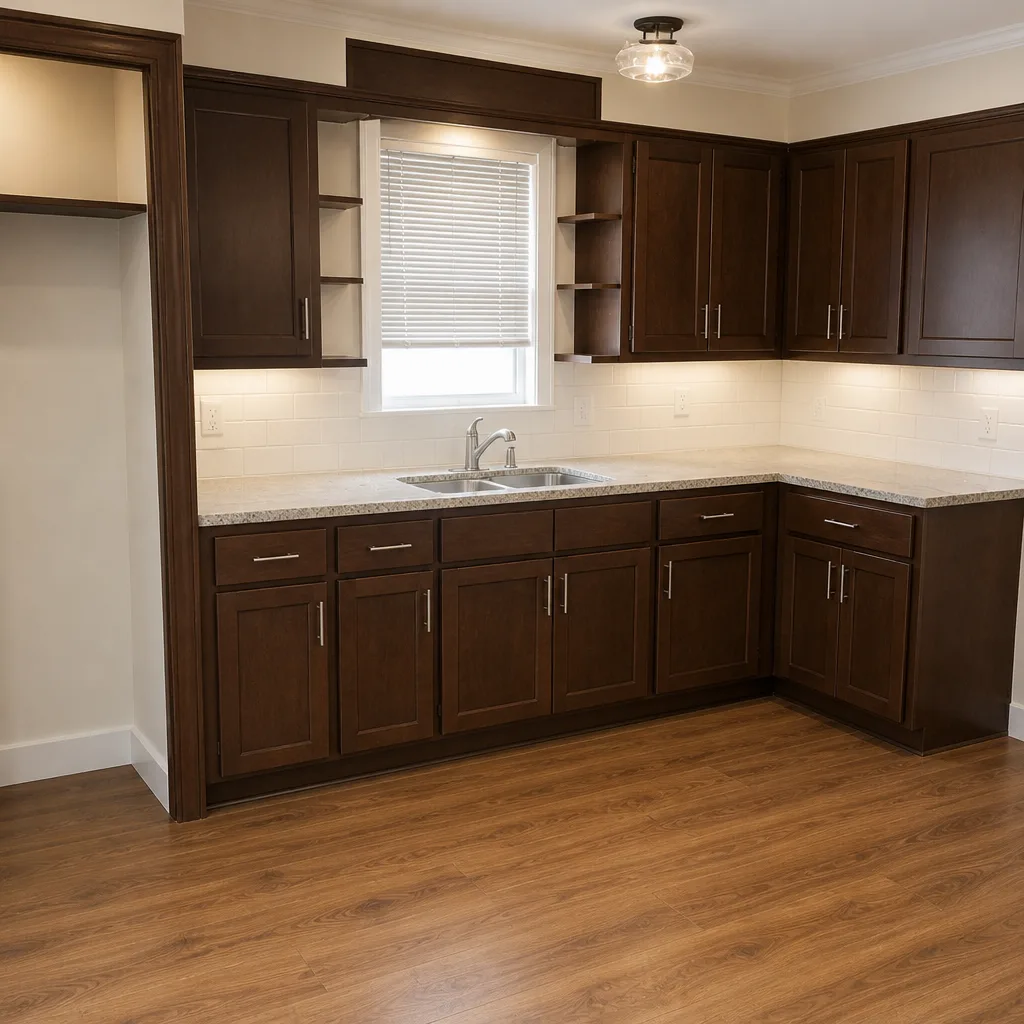 After
When to Call a Professional
Not every driveway project needs a contractor. A small walkway extension, a patio reset, or a single-row border along an existing drive can usually be handled by a competent homeowner with a long weekend. Where it changes is anywhere the work touches the base, the subgrade, or the public right-of-way. Clay moisture conditioning, engineered base depths, permit processing, and drainage grading all sit past the DIY line, and the failure modes are expensive enough that a professional is worth the call. If your driveway is settling, if you’re seeing standing water after rain, if a tree root has pushed a section up more than an inch, or if the work touches the apron or curb, get a written quote before anyone picks up a shovel. Rowan Construction Group Fort Worth offers free estimates in Fort Worth. Call (833) 570-6084.
Frequently Asked Questions
Paver installation itself takes 1 to 2 days per 500 square feet for the laying phase, but the full project from contract to first vehicle traffic runs 3 to 6 weeks once soil prep, cure holds, and permit processing are included. The paver-laying phase is often the shortest part of the calendar. For an exact timeline on your property, call (833) 570-6084 for a free estimate.
No. Polymeric sand needs 24 to 72 hours to cure before vehicle traffic, and turning a wheel on a fresh joint loosens the surface. Wait the full window. Call (833) 570-6084 and we’ll walk you through the cure timing for your specific paver selection.
Right-of-way driveway permits in Fort Worth typically run 10 to 15 business days from application to issuance. Plan the material delivery to land 2 to 4 days after the permit is issued. Permit timelines vary by scope, so start the application in week one, not the week the crew is ready. Call (833) 570-6084 for a free estimate that includes the permit line item.
Yes, for most of it. The driveway is off-limits during excavation, base installation, the compaction cure hold, and paver laying, which is roughly 4 to 9 working days depending on driveway size. Plan street parking for that window. Call (833) 570-6084 to schedule your free estimate and get a written schedule with the parking window marked.
Work pauses, and the schedule slides by 2 to 5 days after the rain stops while the Blackland clay drains. Any honest Fort Worth timeline has 1 to 3 weather delay days budgeted for spring work. A written schedule states the weather protocol explicitly. Call (833) 570-6084 to schedule your free estimate.
A 500 square foot paver driveway in Fort Worth runs $9,000 to $15,000 depending on material, with standard concrete pavers at $16 to $24 per square foot and premium Belgard or Techo-Bloc at $22 to $32 per square foot installed. Excavation, drainage correction, and permit costs appear as separate line items on a written quote. Call (833) 570-6084 for a free estimate with the number in writing before any work starts.
The Bottom Line
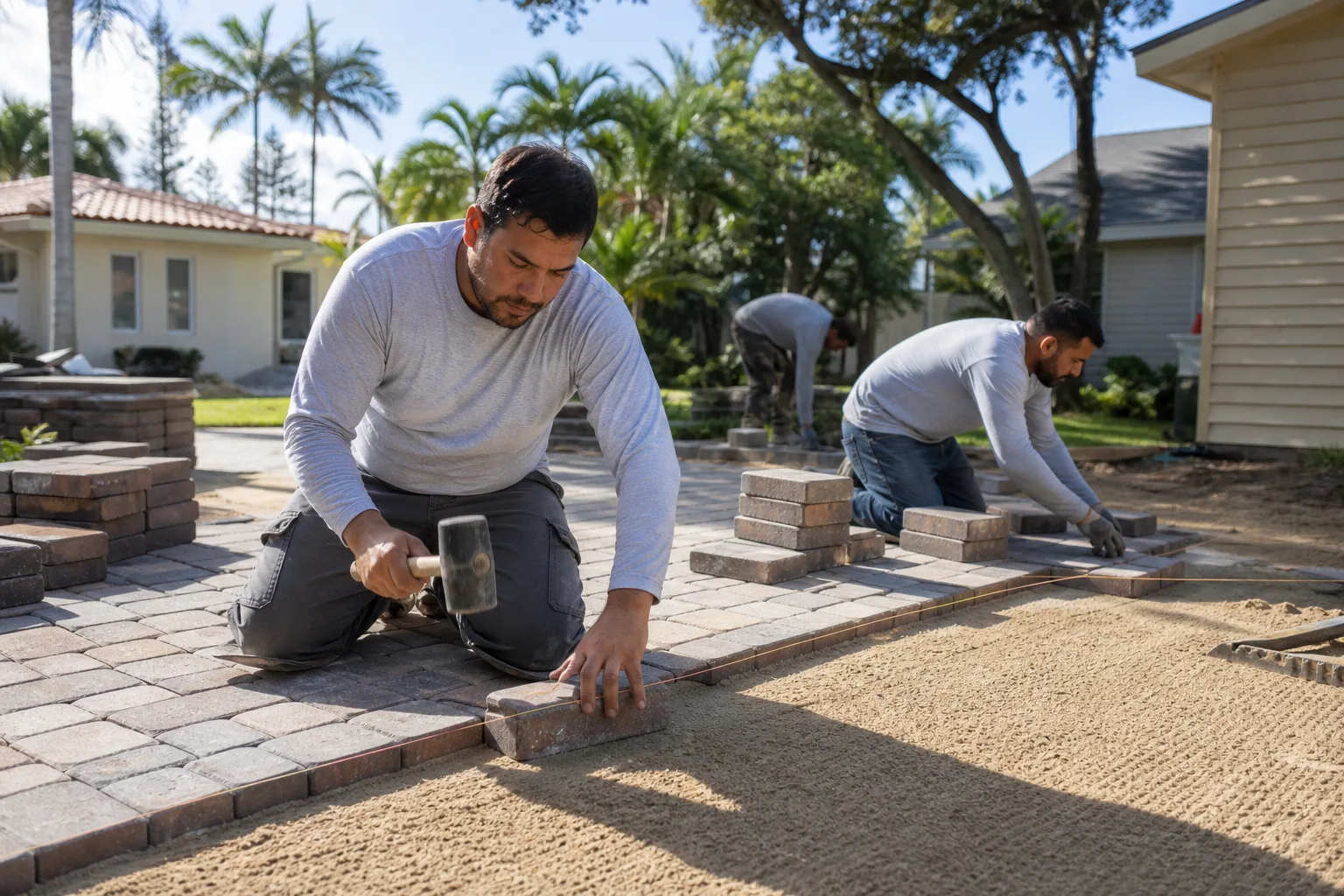
The paver installation number is real, and it’s also incomplete. A Fort Worth paver driveway takes 3 to 6 weeks total, with 4 to 9 working days of on-site crew time, once soil moisture conditioning, the 24-hour compaction hold, the 24 to 72-hour polymeric sand cure, and the 10 to 15 business day permit window are factored in. Expect $9,000 to $15,000 for a typical 500 square foot drive, expect weather delays in spring, and expect to park on the street for a week. Demand a written schedule with phase milestones and a weather protocol. That document is what keeps the price you agreed to stay the price you paid.
Rowan Construction Group Fort Worth brings seven residential trades under one written standard, with background-checked and uniformed technicians, a live person answering calls 24/7, and a documented photo record on every visit as a standard deliverable. Our technicians have up to 19 years of experience. The 365-Day Done Right Promise backs every project, no work proceeds on a change without a signed change order, and a free second-opinion review of any written estimate is available on request. Learn more about who we are on the Rowan Construction Group Fort Worth home page, and explore related Fort Worth services on our Fence Installation in Fort Worth page if the driveway project is part of a larger yard plan.
Call (833) 570-6084 for a free estimate in Fort Worth. We’ll put the price in writing before anyone picks up a tool, and we’ll hand over the schedule with it.
Written by the team at Rowan Construction Group Fort Worth.