
Last updated November 18, 2026


Free written scope consultation - allowances, timeline, and change-order rules on paper before a single trade is scheduled
Construction Permits, Codes & Inspections in TX: What You Need to Know
In 2023, a Fort Worth homeowner learned during a refinance appraisal that a 600-square-foot addition built three years earlier had never received a final inspection sign-off. The contractor was unreachable. The bank would not close until the work was brought into code compliance, which meant opening walls to verify framing, re-running electrical to current standards, and paying for a fresh set of inspections on a structure that had been lived in for three years. The remediation cost more than the original permit ever would have. That is the part of Texas permitting nobody talks about: the paperwork outlasts the contractor, the crew, and sometimes the homeowner’s memory of what was agreed. This guide covers which permits Fort Worth Development Services actually requires, what each inspection checks, and how the documents you get back protect you years after the last tool leaves the driveway.
Quick Answer
In Texas, residential construction permits are issued at the city level, and Fort Worth enforces the International Residential Code with local amendments that are sometimes stricter than the state baseline. Most structural, electrical, mechanical, plumbing, and grading work requires a permit and a sequence of inspections before a Certificate of Occupancy is issued. Skipping any of it exposes you to retroactive fees, forced demolition, and a compliance problem that surfaces at the worst possible moment: a sale, a refinance, or an insurance claim.
Styles & brands we work with
- Kitchen remodeling
- Bathroom remodeling
- Home additions & ADU
- Roofing
- Windows & doors
- Driveway & pavers
- Fence
Table of Contents
- Which Permits Fort Worth Development Services Issues
- How the Fort Worth Inspection Sequence Works
- Texas Codes vs. Fort Worth Local Amendments
- What “Work Without Permit” Actually Costs
- The Certificate of Occupancy and Why It Matters
- The Documentation You Should Keep Forever
- Common Mistakes to Avoid
- Frequently Asked Questions
Which Permits Fort Worth Development Services Issues
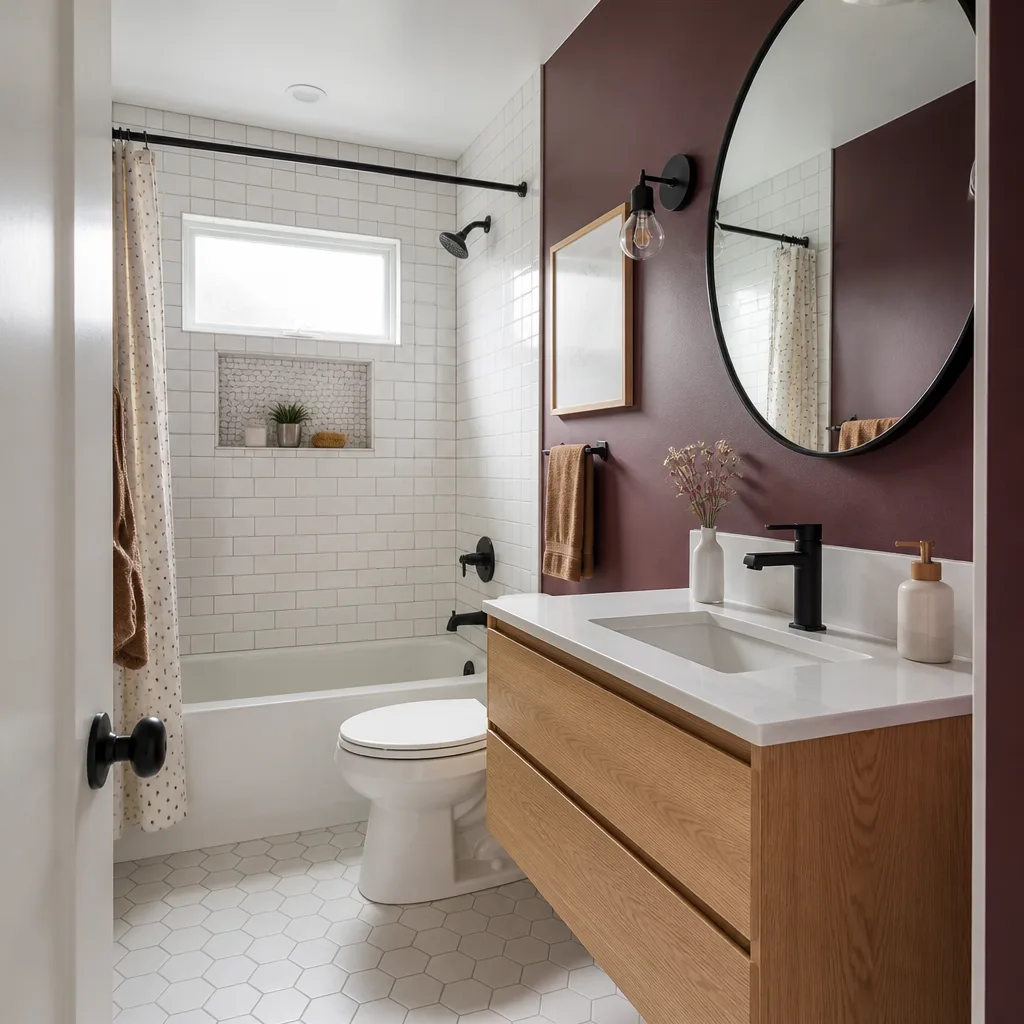
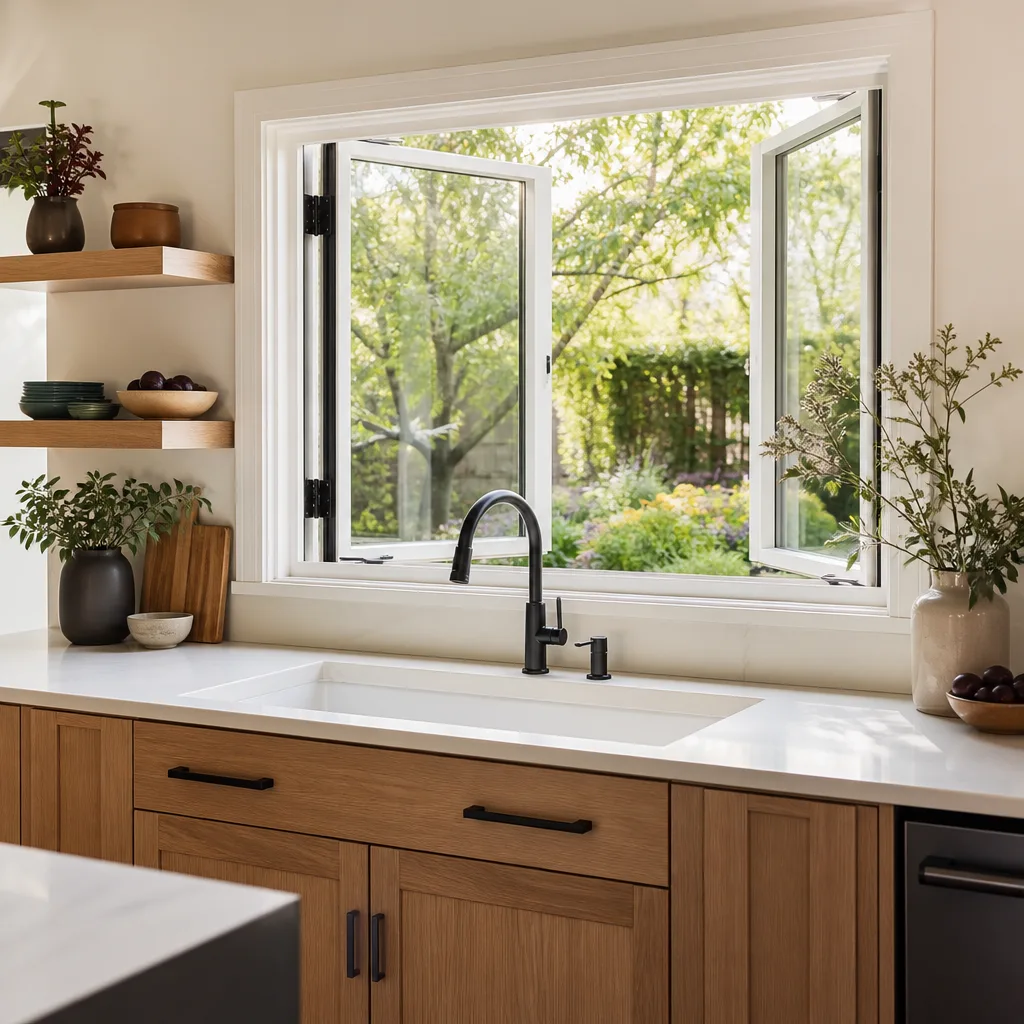
Fort Worth Development Services issues five categories of permit that matter for residential work. Knowing which one your project needs is the first step, and it is also where most homeowners get surprised. A kitchen remodel that moves a wall needs a building permit. A kitchen remodel that only swaps cabinets and countertops usually does not, but if the electrical panel changes or a new circuit is added, that triggers a separate electrical permit. The categories break down like this:
- Building permit: Required for new construction, additions, structural alterations, and any change to the footprint or envelope of the home. This includes ADUs and garage conversions.
- Mechanical permit: Required for HVAC changes, ductwork alterations, and any new gas appliance installation or relocation.
- Electrical permit: Required for new circuits, panel upgrades, service changes, and any wiring that runs inside a wall.
- Plumbing permit: Required for fixture relocations, drain line changes, water heater replacements, and gas line work.
- Grading permit: Required when you change drainage patterns, add fill, or build a retaining structure. Fort Worth’s expansive clay soils make this one more important than it sounds.
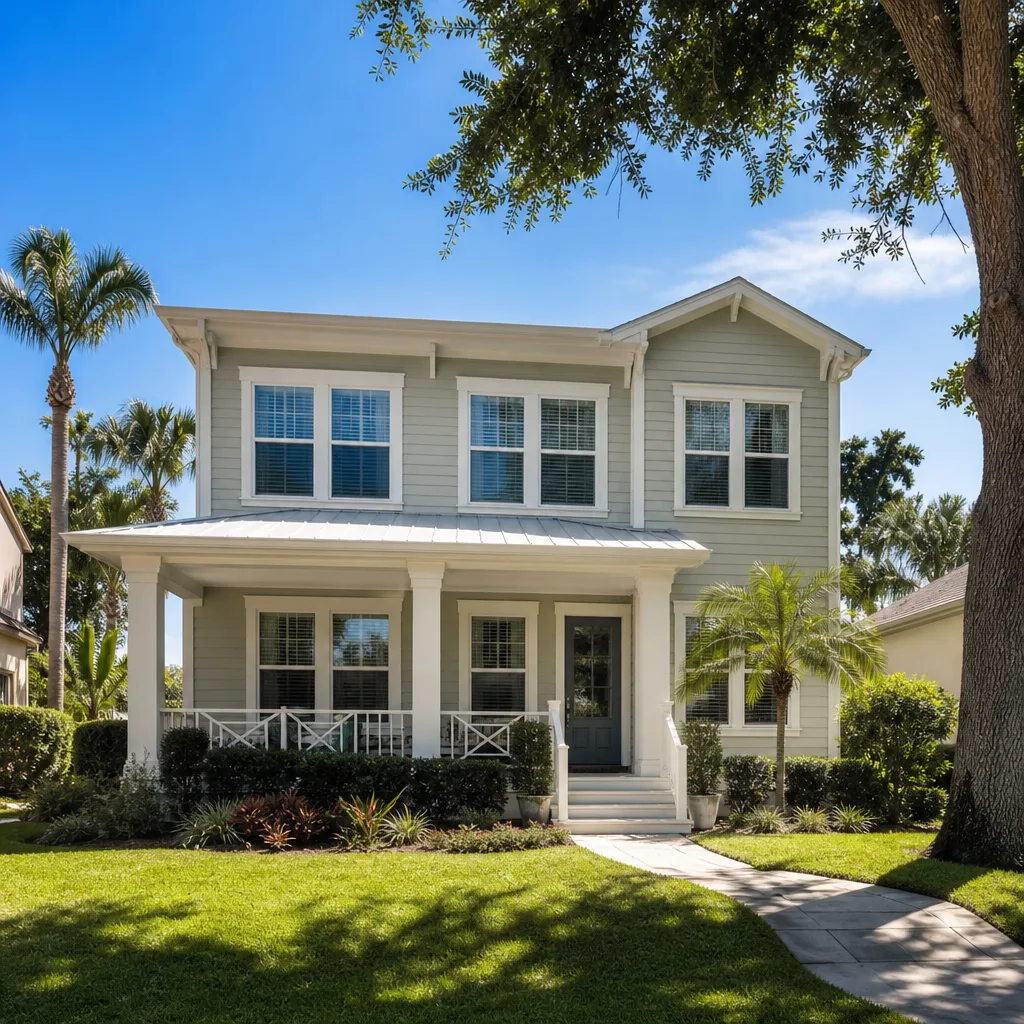
A single project often requires several permits at once. In Fort Worth, an addition with a bathroom and a new HVAC zone needs a building permit, a plumbing permit, a mechanical permit, and an electrical permit, each with its own inspection sequence. When we scope an addition through our Home Additions & ADU in Fort Worth work, the permit set is assembled before we send a written price, because the permit scope is the price scope.
How the Fort Worth Inspection Sequence Works
The inspection sequence is not a formality. Each inspection is a gate, and the next phase of work cannot legally begin until the previous one passes. In Fort Worth, the standard residential sequence runs:
- Foundation and pre-pour inspection: Before concrete goes in, the inspector checks forms, rebar, and grading drainage.
- Rough-in inspection: After framing, plumbing, and electrical are in the wall but before drywall. This is the single most important inspection to get right – everything behind the drywall gets verified here, and everything the inspector cannot see later is presumed wrong.
- Framing inspection: Structural members, headers, and shear panels are checked against the engineered plans.
- Insulation inspection: R-values, vapor barriers, and air sealing are verified before drywall goes up.
- Final inspection: Everything is checked as a finished system – fixtures, function, and code compliance across all trades.
When an inspection fails, the inspector issues a written correction notice. That notice describes exactly what failed, and the correction must be made and the inspection re-scheduled before the job can proceed. A failed rough-in can hold a project for days or weeks depending on scheduling. In our experience across Fort Worth, the failures we see most often come from vapor barrier placement in attics and from unsealed plumbing penetrations at floor plates. Both are cheap to fix before inspection and expensive to fix afterward.
Texas Codes vs. Fort Worth Local Amendments
Texas does not have a single statewide residential code. The state adopts the International Residential Code and International Building Code as the baseline, but each municipality then enforces its own amendments, and Fort Worth’s amendments are sometimes stricter than the model code. The differences matter most in four areas:
- Wind and structural: Fort Worth sits in a region where straight-line winds are a real design load. Local amendments to roof sheathing attachment and anchor bolt spacing are tighter than the base IRC.
- Soil and foundation: The expansive clay across much of Fort Worth and Tarrant County drives deeper foundation requirements and stricter drainage grading than the model code assumes.
- Energy code: Fort Worth enforces a recent edition of the International Energy Conservation Code, which tightens insulation values and window performance above older baselines.
- Floodplain and grading: Portions of the city sit in mapped flood zones, and grading near those areas carries additional review.
Where homeowners get caught is assuming that a permit pulled in a neighboring city transfers. It does not. Fort Worth reviews to Fort Worth amendments, and the inspector who signs off is a Fort Worth inspector. That same principle applies whether you are adding a room or rebuilding a driveway, which is why we scope Driveway & Pavers in Fort Worth drainage against the local grading rules rather than a generic standard.
What “Work Without Permit” Actually Costs
The cost of skipping a permit is not just the permit fee. Fort Worth’s Unified Development Code gives the city enforcement tools that reach backward into work already completed, and the exposure compounds the longer the unpermitted work sits undiscovered. What we see in practice:
- Retroactive permit fees: The city can require you to pull the permit after the fact, often at a higher fee, plus a penalty multiplier.
- Mandatory demolition exposure: If the work cannot be verified through inspection, the city can require portions to be opened or removed to expose what was concealed.
- Stop-work orders: If unpermitted work is discovered mid-project, all work stops until permits are resolved, and every trade on the site is affected.
- Sale and refinance blocks: Title companies and lenders check permit history. Unpermitted work can stall or kill a closing.
- Insurance denials: A claim tied to unpermitted work – a roof failure, a water loss behind an unpermitted wall – can be denied when the adjuster sees the work was never inspected.
The arithmetic is not subtle. A building permit for a typical residential addition costs a few thousand dollars at most. A failed refinance appraisal, a remediation, and a new inspection sequence costs a multiple of that every time. Under Clause 1 of our Haven Standard, the price is written before anyone starts, and the permit line is in that written price rather than an afterthought. That is the discipline the number reflects.
The Certificate of Occupancy and Why It Matters
A Certificate of Occupancy is the city’s written confirmation that a structure passed its final inspection and is legally occupied. For a new home or an addition, it is the document lenders, insurers, and future buyers ask for first. If it is missing, the transaction stops.
In Fort Worth, you request the Certificate of Occupancy after the final inspection passes. The final inspection is the trigger; the certificate is the receipt. When you sell, the buyer’s agent pulls permit history and asks for the CO. When you refinance, the appraiser looks for the same document. When you file a claim, the adjuster may ask whether the affected work was inspected. Every one of those moments is easier with a complete paperwork trail, and harder with a gap.
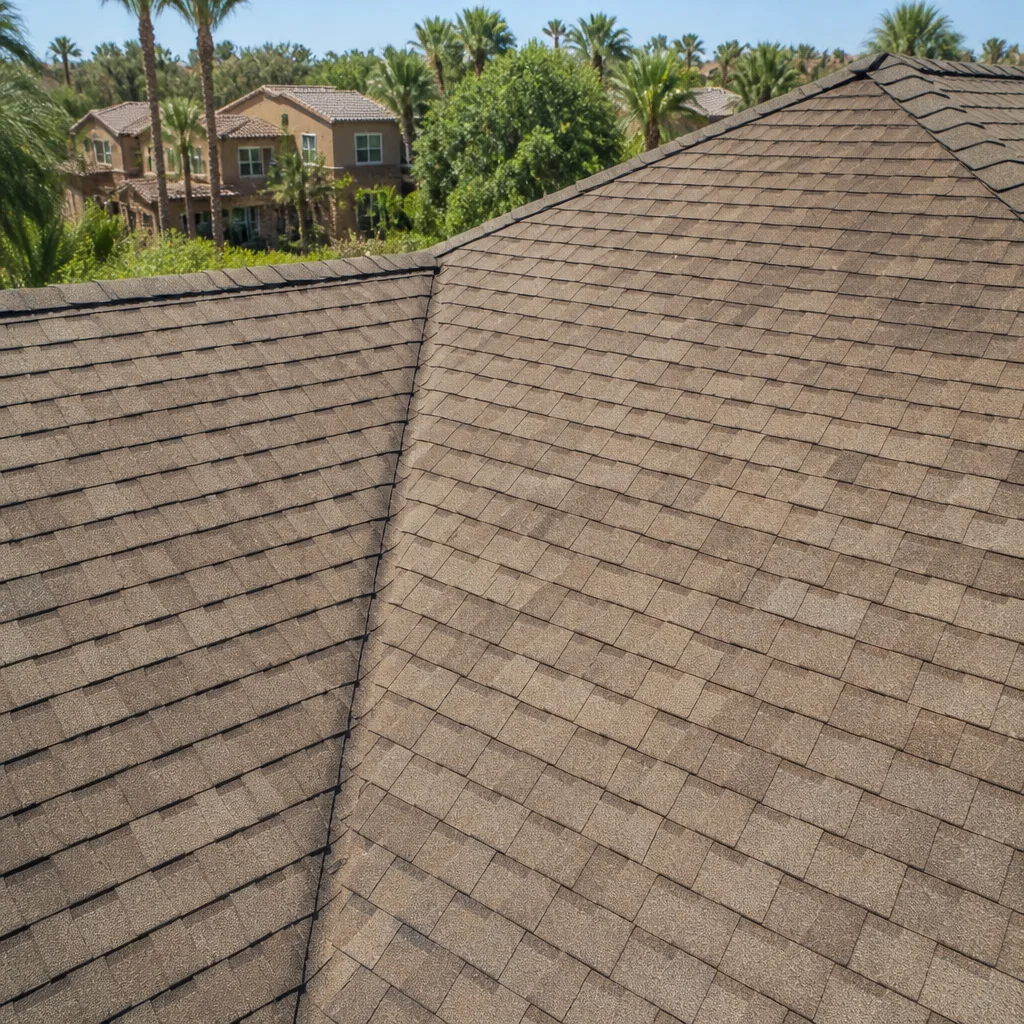
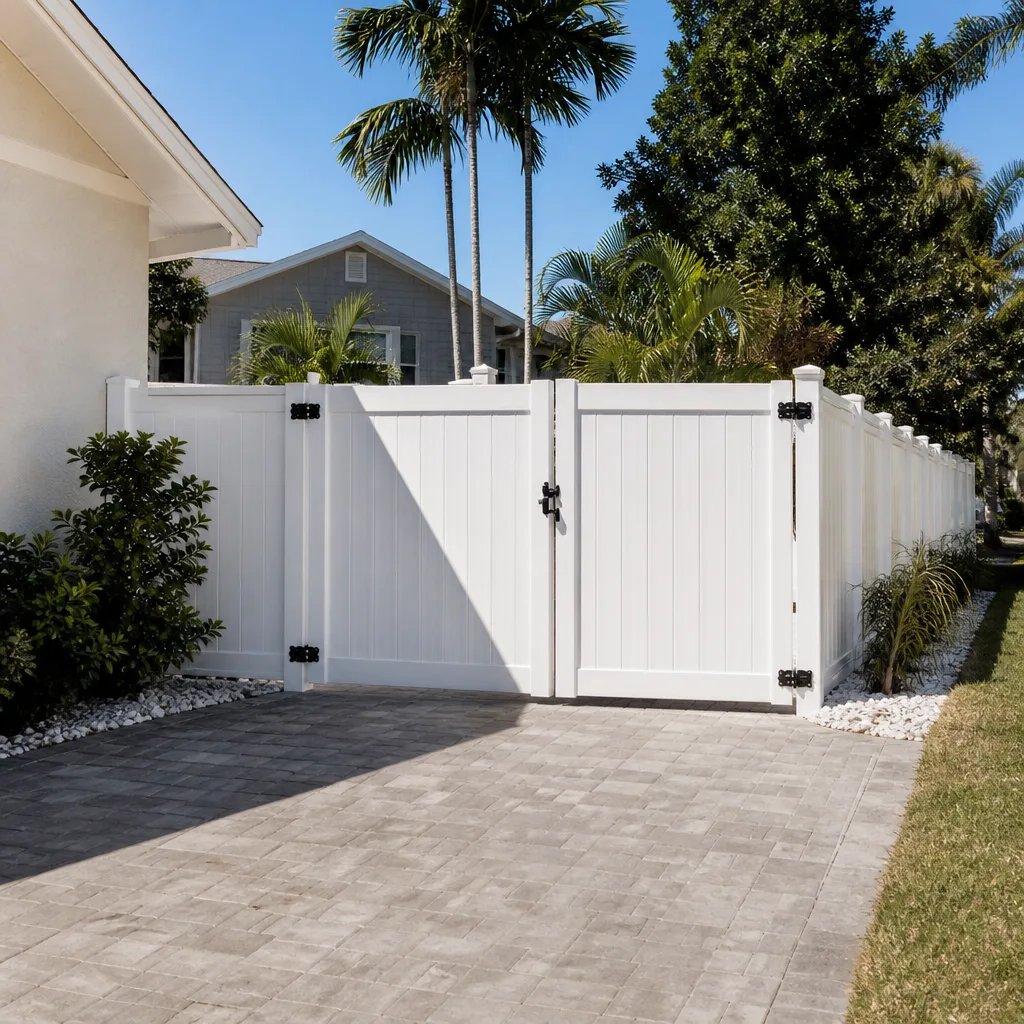
The pattern holds across our trades. Roof replacements that carry a permit and a final inspection are cleaner at claim time than ones that do not, and fence work that respects setbacks and height limits is cleaner at resale. When we install a Fence Installation in Fort Worth, the documentation includes the property line check, the setback review, and the photo record of the finished install, because those are the pieces a buyer’s agent will ask for later.
The Documentation You Should Keep Forever
The permit itself is the smallest part of the record. The record that protects you is a set of documents, and every one of them is produced by how the work is run, not by the contract you signed. What to keep:
- The permit number and the application: Ties the work to a specific scope at a specific address.
- Every inspection result: Passing inspections are your proof the work was verified by a city inspector, not self-certified.
- The Certificate of Occupancy: The final sign-off for the structure as a whole.
- Signed change orders: Every change to scope, in writing, with the price attached. This is the record that prevents a dispute about what was supposed to be built.
- The photo record: What was found and what was done, documented at each visit, including rough-in photos before drywall closes over the work.
- The written warranty: The terms page, not an asterisk.
Our own practice treats the photo record as a standard deliverable, not an upgrade. Under the Haven Standard, the customer leaves each visit with evidence of what was found and what was done, which is also what they hand a buyer’s agent when a question about the work comes up years later.
Common Mistakes to Avoid
- Assuming a small project needs no permit. Moving a wall to open a kitchen is structural even when it looks cosmetic, and unpermitted structural work is the single most common cause of a stalled sale in Fort Worth.
- Pulling one permit for a multi-trade project. An addition with plumbing and new circuits needs multiple permits, and each trade inspects separately. A single permit does not cover work performed by three trades.
- Hiring a contractor who will “handle it later.” If the permit is not pulled before the first day of work, it is not being pulled. Retroactive permits are more expensive, and the inspections get harder the more is already covered up.
- Failing rough-in and just patching over it. The rough-in inspection is the one chance to verify what is inside the wall. Patching over a failed rough-in does not pass the final, it just delays the discovery and enlarges the remediation.
- Losing the paperwork. The permit, inspection results, and CO need to be kept with the deed or the closing file. A refinance in year seven will not accept “the contractor had it.”
- Trusting a verbal price on a change. A scope change without a signed change order is a scope change without a price. That is how projects finish well over the number the homeowner understood.
- Assuming deck, fence, or grading work is exempt. Height limits, setbacks, and drainage rules apply in Fort Worth, and a fence or deck that ignores them can become a problem at inspection or resale even though no one filed a plan.
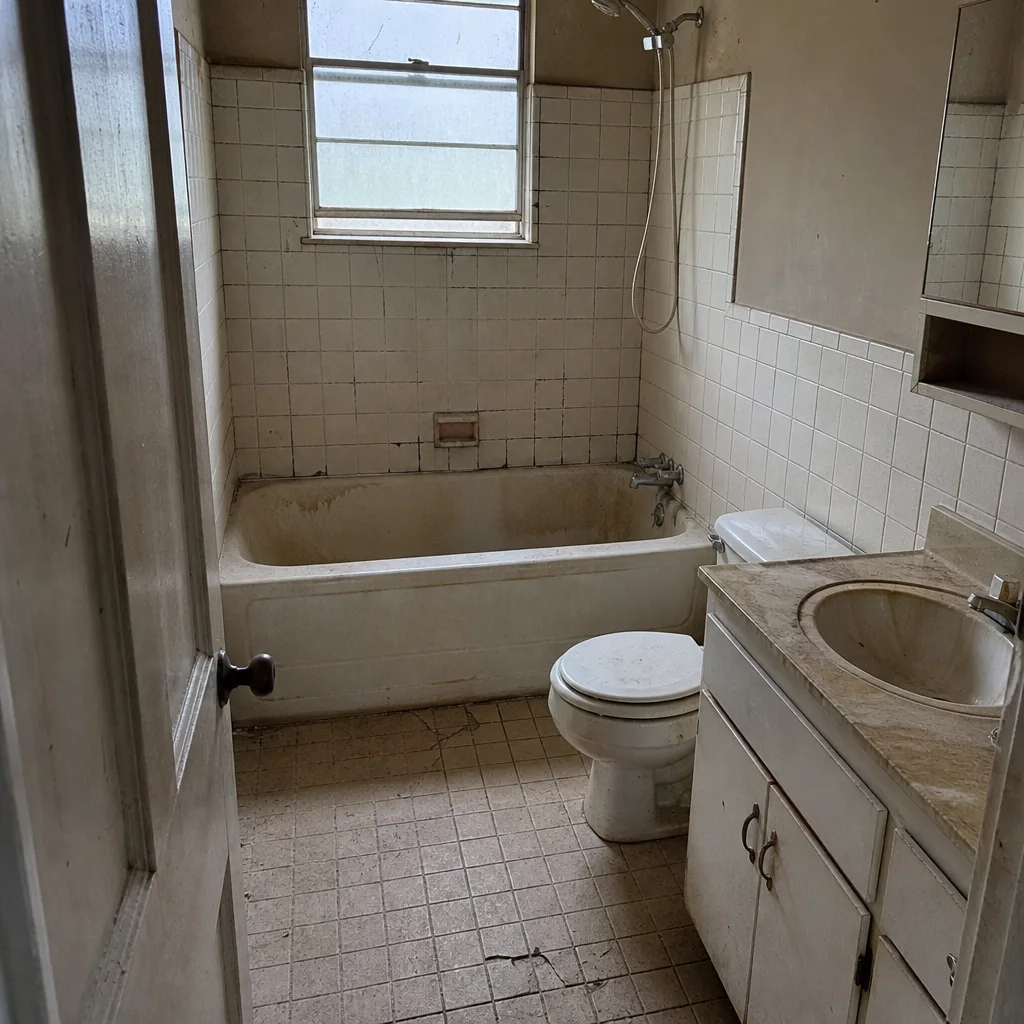
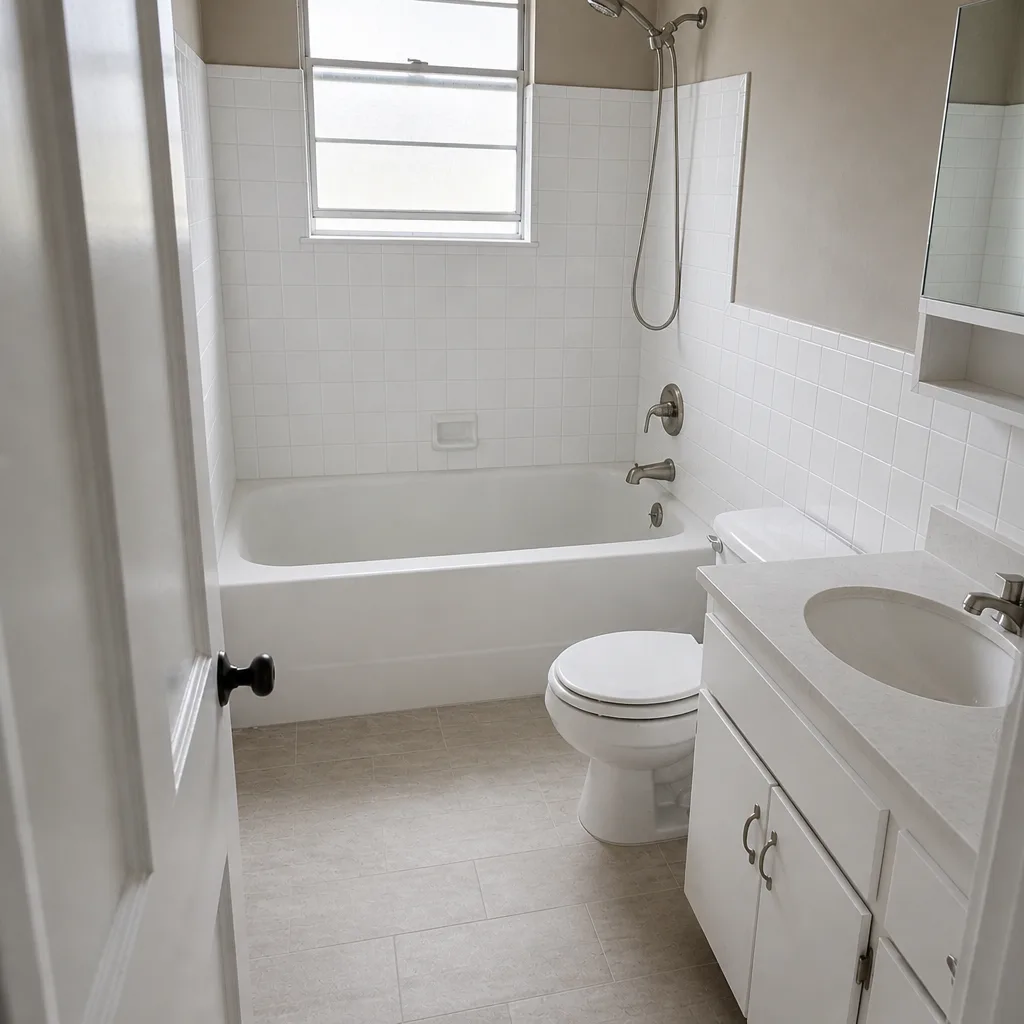
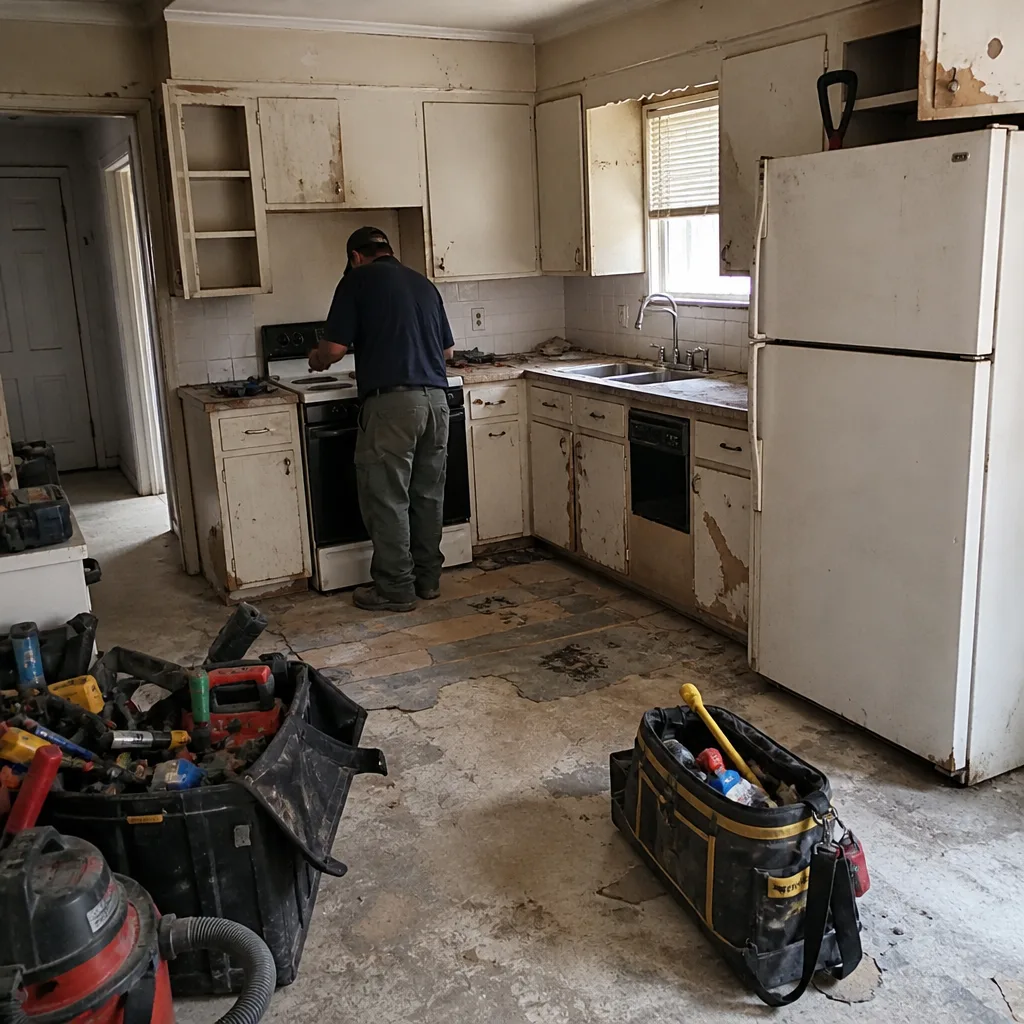
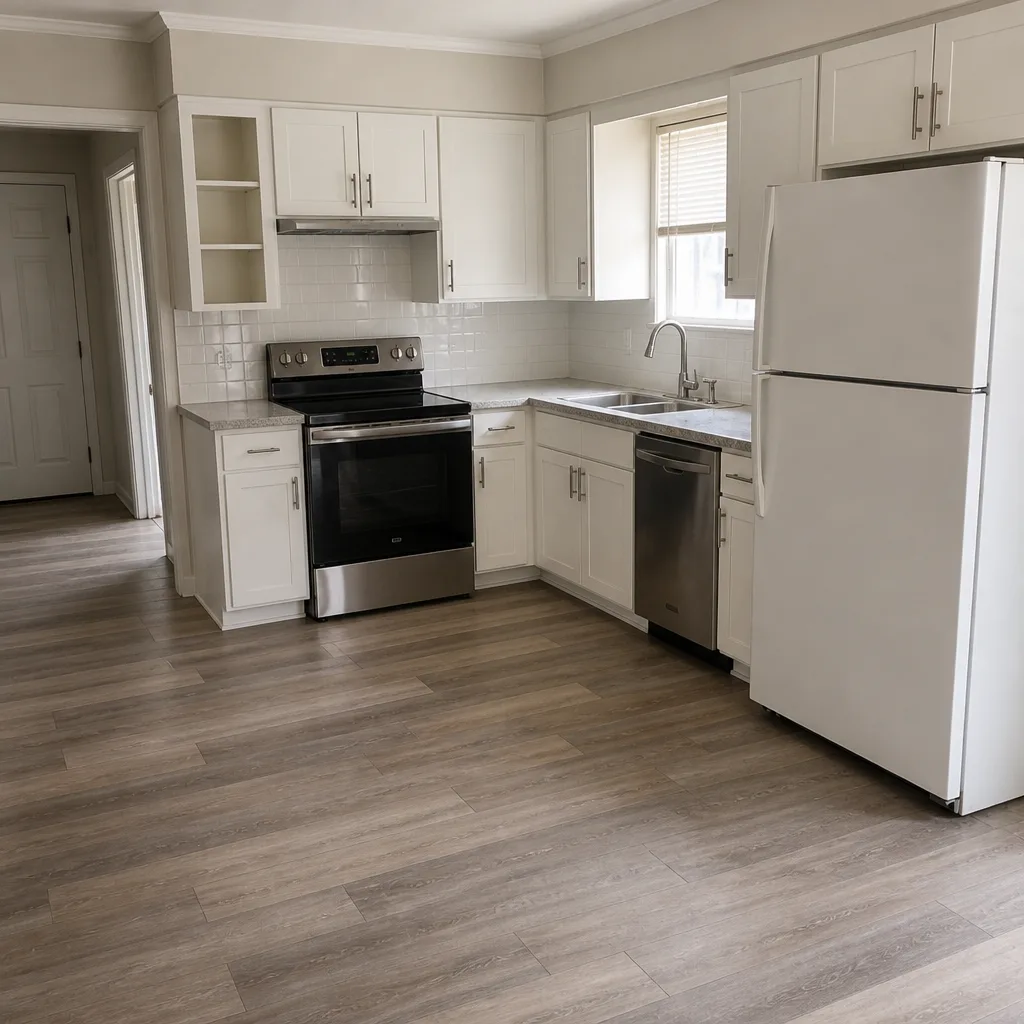
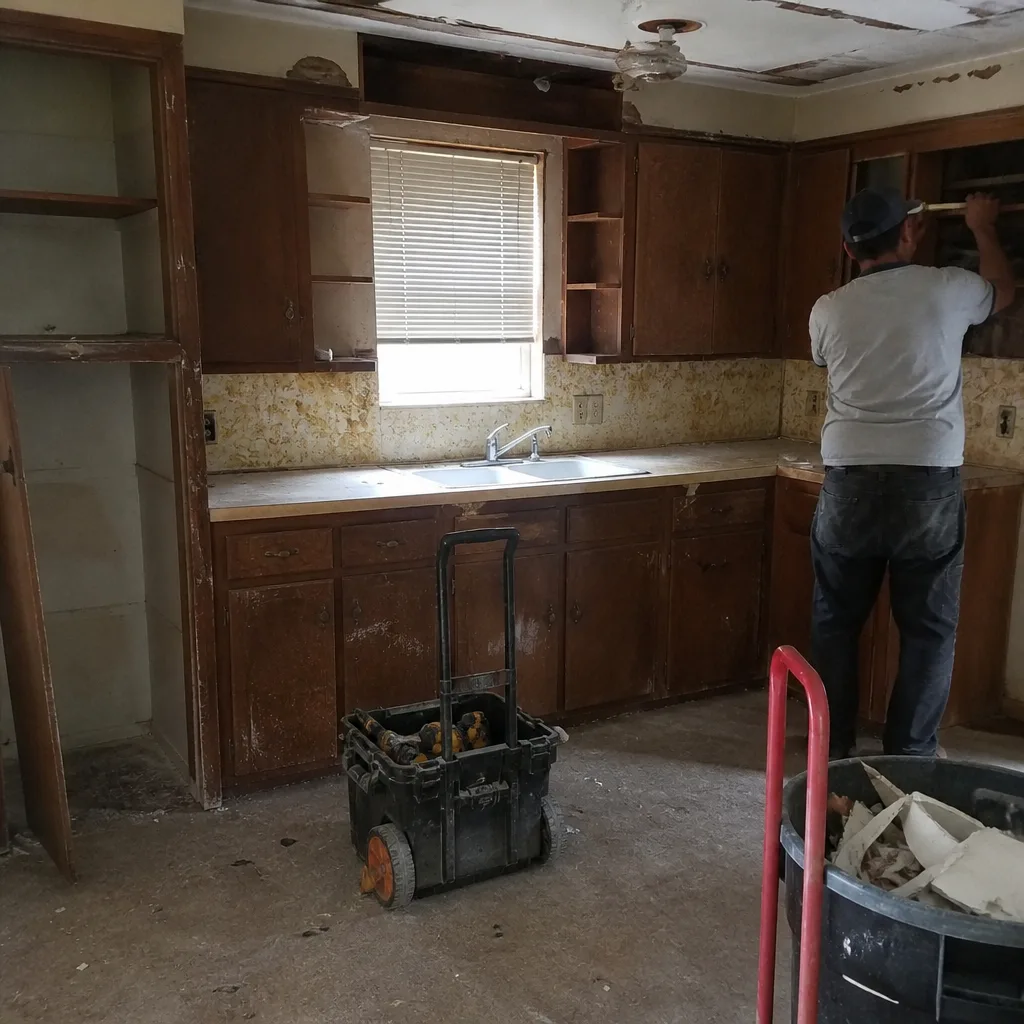
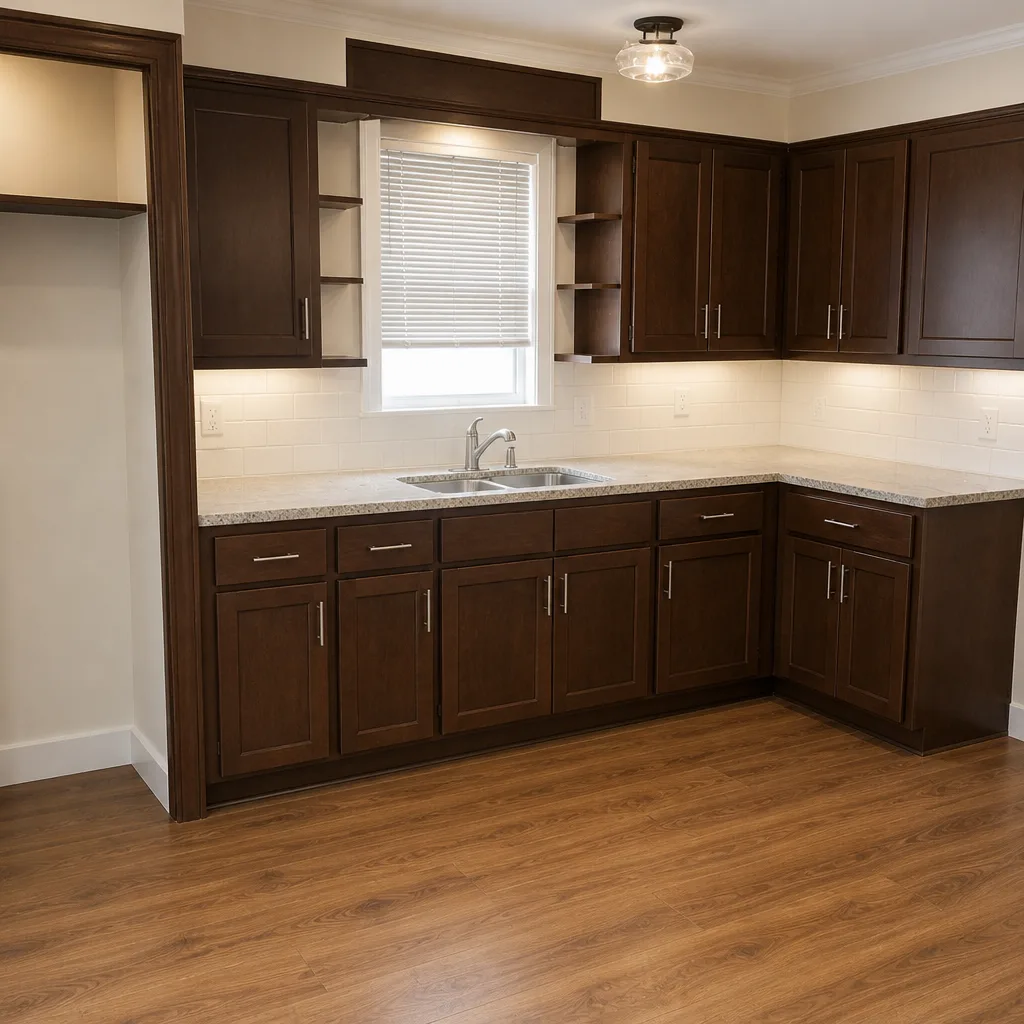
See the difference
 Before
 After
 Before
 After
 Before
 After
When to Call a Professional
If your project involves structural changes, new plumbing or electrical circuits, HVAC changes, gas lines, or anything that will change the footprint or drainage of the lot, get a contractor and a permit set involved before the first day of work. Do not take on the panel work, the gas line, or the roof tear-off yourself – the electrical panel and gas line carry genuine safety risk, and a failed inspection on either can mean the gas gets shut off at the meter while the correction is scheduled. If you are unsure whether your project crosses a permit threshold, the right move is a written scope from a contractor who will tell you in plain terms, not a guess. Rowan Construction Group Fort Worth offers free estimates in Fort Worth, with a written price and written scope before any work begins – call (833) 570-6084 to schedule yours. If you already have a competitor’s quote in hand, we will review it line by line at no charge as part of our free second opinion.
Frequently Asked Questions
It depends on what the remodel touches. Cabinet, countertop, and paint changes generally do not require a permit, but any structural change, new electrical circuit, new plumbing line, or gas appliance relocation does. If the project moves a wall or relocates a sink or range, pull the permits. Call (833) 570-6084 for a written scope and a free estimate – we’ll tell you exactly which permits the work needs.
Fort Worth prices residential building permits on a valuation-based schedule, so the fee scales with the declared value of the work. A smaller addition typically lands in the low thousands; a larger remodel or ADU lands higher. Plumbing, electrical, and mechanical permits are separate line items on top. Call (833) 570-6084 for an exact figure scoped to your project – our estimates are free and written.
The inspector issues a written correction notice describing exactly what failed, and the next phase cannot proceed until the correction is made and the inspection is re-scheduled. Failing a rough-in or framing inspection is the most time-costly, because work is paused until it clears. A written scope and a contractor who has walked the project against the local amendments ahead of time reduces the chance of a fail on the first pass. Call (833) 570-6084 to schedule a free estimate.
You can list it, but the sale can stall. The buyer’s agent will pull permit history, and the title company or lender may require compliance before closing. The most common outcome is a retroactive permit and a remediation, at the seller’s cost, timed against the closing date. The cleanest approach is to pull the permit and pass the inspection before listing. Call (833) 570-6084 and we’ll walk the project and quote the remediation in writing.
Plan review timelines vary with the completeness of the submission and the current volume at Fort Worth Development Services, and inspection scheduling moves faster when the work is ready when the inspector arrives. A realistic total from application to Certificate of Occupancy for an addition is measured in months, not weeks, and the schedule is the reason to make the permit the first step rather than the last. Call (833) 570-6084 for a written estimate in Fort Worth and a realistic schedule for your project.
Yes. We source from more than fifty vetted brands, and the written quote names the specific product where it matters – KraftMaid and Wellborn cabinets, GAF and Owens Corning roofing, Sakrete concrete mixes, and Belgard and Techo-Bloc pavers on the hardscape side. Naming the brand and the spec is how a written quote stays honest, and it is what your inspector and your future buyer will check. Call (833) 570-6084 to schedule a free estimate.
The Bottom Line

Permits in Fort Worth are not paperwork for its own sake. They are the inspection record that protects you when the loan officer, the insurance adjuster, or the buyer’s agent comes asking. Pull every permit the scope requires, pass every inspection in sequence, keep the Certificate of Occupancy with your closing file, and hold on to the signed change orders and the photo record. A written price before work starts, a signed change order before any change, and a documented record when the crew leaves are what a contractor’s track record should be measured by – not what it says on a brochure. That is why every Rowan project begins with the number in writing, under Clause 1 of the Haven Standard.
Rowan Construction Group Fort Worth offers a flat written price and written scope before any work begins, a 365-Day Done Right Promise backed by a terms page, a free second opinion on any written estimate you already have, and a documented photo record on every visit. We connect homeowners across Fort Worth with background-checked, uniformed technicians, and a live person answers our line 24/7. To see the whole picture, start with our Rowan Construction Group Fort Worth home page, then call (833) 570-6084 to schedule your free written estimate.
Written by the team at Rowan Construction Group Fort Worth.