Last updated November 18, 2026

Free written scope consultation - allowances, timeline, and change-order rules on paper before a single trade is scheduled
DIY vs Professional Construction: The Fort Worth Homeowner’s Decision Guide
Picture a Fort Worth homeowner who upgrades their own electrical panel without pulling a permit. The risk isn’t only a fine. If a fire follows and the insurer discovers unpermitted work behind the panel, a “concealment or fraud” clause in a standard homeowner policy can give the carrier grounds to reduce or deny the claim. That’s the part most DIY guides leave out. In Fort Worth, the do-it-yourself-versus-hire decision is less a budget question than a legal and liability one. This guide covers which projects Texas law and the city’s development code push toward a licensed contractor, how to compare real costs, and how to tell whether your own skill level is actually enough.
Quick Answer
In Fort Worth, hire a licensed contractor for anything that requires a building permit in a regulated category: electrical service and panel work, gas lines, structural changes, roof replacement, and new square footage including additions and ADUs (accessory dwelling units). Most homeowners can legally self-permit cosmetic work under Texas’s owner-builder exemption, such as paint, flooring, and cabinet swaps that touch no wiring, plumbing, or structure. The savings from DIY show up on the small, unregulated jobs. On the regulated ones, unpermitted work can cost more to unwind than the labor you saved.
Styles & brands we work with
- Kitchen remodeling
- Bathroom remodeling
- Home additions & ADU
- Roofing
- Windows & doors
- Driveway & pavers
- Fence
Table of Contents
- Which Fort Worth projects legally require a licensed contractor?
- The skill threshold test: is your skill level actually enough?
- The real cost comparison: materials, tools, errors, and your time
- How unpermitted work affects a Fort Worth home sale
- Projects where DIY almost always costs more than hiring
- What good documentation looks like on a professional job
- Common mistakes to avoid
- Frequently asked questions
Which Fort Worth projects legally require a licensed contractor?
Fort Worth’s Unified Development Code and the city’s building permit rules split residential work into permit-required categories and cosmetic work that needs no permit at all. The dividing line is whether the job touches life-safety systems, structure, or the building envelope. Texas doesn’t license general contractors statewide, but electrical, plumbing, and HVAC work each require a licensed tradesperson, and the city will inspect to that standard. Here’s the trade-by-trade breakdown our crews run into most often in Fort Worth.
- Electrical service and panel upgrades: Permit required, licensed electrician required. This is the category where unpermitted work creates the most insurance exposure.
- Gas line work: Permit required, licensed plumber required. A Fort Worth homeowner cannot legally run or alter a gas line on their own.
- Structural changes (bearing walls, headers, beam replacements): Permit and engineered plans required.
- Roof replacement: Permit required. In Fort Worth’s hail belt, an unpermitted re-roof can complicate an insurance claim later.
- Home additions and ADUs: Full permit set, inspections at multiple stages, and zoning review of setbacks and lot coverage.
- Driveway and paver work near the right-of-way: Often requires a permit because of curb cuts and drainage.
- Paint, interior flooring, cabinet refacing, and fixture swaps that touch no wiring or plumbing: Cosmetic, typically no permit.
Under the Texas owner-builder exemption, a homeowner can pull a permit on their own primary residence for some categories. That exemption doesn’t cover the licensed trades: no amount of owner-builder paperwork lets a homeowner legally do their own electrical panel or gas line. When a project crosses into Home Additions & ADU in Fort Worth, the permit set and inspection schedule make self-management impractical for most people.
The skill threshold test: is your skill level actually enough?
Most homeowners overestimate their readiness on the jobs that matter and underestimate it on the cosmetic ones. Licensed inspectors look for specific things, and you can use those same markers as a self-test before you start. Answer these three questions honestly for the project category in front of you.
- Can you describe what’s behind the surface before you open it? If you can’t say what the wall cavity, subfloor, or slab edge holds, you can’t plan for what you’ll find. An inspector checks whether a tile job has a proper waterproofing membrane and weep screed; a homeowner who doesn’t know what those are can’t install them correctly.
- Does the work touch a system you’d need another trade to sign off on? If the answer is yes, your skill level is irrelevant to the legal question. You’ll need a licensed trade.
- Have you done this exact task in this exact condition? A homeowner who has hung drywall on wood studs in another state may not know how Fort Worth’s shifting clay soils alter a slab, or how our summer heat affects cure times.
If you can’t answer question one cleanly, the project is past your skill threshold regardless of how much YouTube you’ve watched. The Rowan Construction Group Fort Worth home page lays out how we approach these categories across seven trades.
The real cost comparison: materials, tools, errors, and your time
The headline number that makes DIY look cheap usually ignores half the ledger. A fair comparison adds up material cost, tool rental, the expected cost of errors, your time at your own hourly value, and any unwind costs if something needs redoing. Then compare that total to a written contractor bid. When we do this exercise with Fort Worth homeowners, the gap narrows far more than the DIY blogs suggest.
- Materials: Contractors buy at trade pricing. A homeowner pays retail, which can add a meaningful percentage to the material line before any labor is considered.
- Tool rental: A tile saw, a plate compactor for pavers, a nail gun, and scaffolding add up fast. The rental bill is real money even when the labor is “free.”
- Error rate: Budget for at least one redo on any project you’ve never done. For a bathroom tile job, one redo can consume the entire savings.
- Time at opportunity cost: A weekend project that stretches to four weekends is a month of your life. Value that at your own rate honestly.
- Unwind cost: The one category DIY blogs never budget. Pulling unpermitted work back to code costs more than having done it right. A Fort Worth homeowner selling a home may have to open walls to prove wiring is compliant before a buyer’s lender will close.
Run the numbers before you commit. If the DIY total lands within 15 to 20 percent of a written contractor bid, the professional route carries the better risk profile on anything regulated. The written bid is also where honest comparison starts, which is why a Driveway & Pavers quote in Fort Worth should always arrive in writing before a shovel goes in.
How unpermitted work affects a Fort Worth home sale
Texas Property Code Section 5.008 requires a seller to disclose known defects and material facts in a written seller’s disclosure. Unpermitted work that affects the property’s systems is a material fact. Failing to disclose it can become the basis for a claim after closing. And buyers’ inspectors in Fort Worth know what to look for.
- Additions that don’t appear in county appraisal records are the most common red flag. An inspector maps the interior against the square footage on record.
- Electrical panels get checked for permit stickers and inspection tags. A new panel with no tag raises the question.
- Roofs show up in permit history searches that any buyer’s agent can pull.
- Decks and covered patios get flagged when there’s no record of a permit for the footing or framing.
When an inspector finds unpermitted work, the buyer’s lender may require it be brought to code before closing. That means pulling retroactive permits, opening walls for inspection, and redoing the work to current code. The bill for that unwind often runs well above the original labor a homeowner saved. We’ve seen Fort Worth homeowners spend more unwinding an unpermitted panel than a licensed install would have cost outright.
Projects where DIY almost always costs more than hiring
Some jobs have error rates so high, or consequences so expensive, that DIY is a losing bet on math alone. Three categories in Fort Worth consistently cost more to do yourself than to hire out.
Tile removal on a slab foundation
Fort Worth’s expansive clay soils move seasonally, and slabs crack. Removing tile from a slab without damaging the substrate is slow, and a slip can crack the slab or the tile below. If you’re re-tiling after removal, the waterproofing membrane and weep screed have to be right or the shower fails within a year or two. We’ve torn out DIY tile jobs in Fort Worth where the pan had no membrane at all.
Any work inside a load-bearing wall
Opening a load-bearing wall requires a header sized to the load, engineered plans, and an inspection. A homeowner who removes the wrong stud weakens the structure, and the fix is a redo plus a structural repair. This is a licensed-trade-plus-engineer job in every Fort Worth case we’ve seen.
Exterior drainage re-grading near a structure
Fort Worth’s spring storms and heavy rain events punish a grading mistake fast. Water that pools against a foundation rather than draining away from it can find its way into a slab. Regrading is the kind of work where a small error in slope or an improper swale does damage that shows up months later. It’s cheaper to hire than to fix the foundation damage.
Pavers versus concrete is another decision worth pricing in writing. Interlocking pavers using a brand like Belgard or Techo-Bloc require proper base prep to survive Fort Worth’s soil movement, which is where DIY installs most often fail.
What good documentation looks like on a professional job
The difference between a good contractor and a bad one often comes down to paperwork you can hold. Before any crew shows up, you should know exactly what you’ll receive. Under Clause 1 of our Haven Standard, the price is written before anyone starts, and no work proceeds on a change until the change order is signed. That discipline is the reason 4,000-plus projects have finished within a few percent of the number the customer agreed to.
- A written price with a written scope. Not a range. A flat number and a description of what’s included. “Call for a quote” isn’t a quote.
- A written warranty. Printed on the estimate, not promised verbally.
- A photo record for every visit. Standard, not an upgrade. You leave with evidence of what was found and what was done.
- Background-checked technicians who arrive in uniform. Every crew member verified before they get there.
- A live person answering the phone. Our calls are answered by a person, not a voicemail box.
If you have a competitor’s written estimate in hand, our free second opinion reviews it line by line at no charge. It’s the best use of an hour before you sign anything.
Common Mistakes to Avoid
- Skipping the permit because the job feels small. Fort Worth permits are cheaper than the unwind. A permit on a panel upgrade costs a fraction of what it costs to open the wall later.
- Adding square footage without checking lot coverage. Fort Worth’s zoning rules cap lot coverage and enforce setback minimums. A DIY carport or covered patio can violate both and force a removal.
- Buying materials before the scope is written. If you’re going to hire, wait for the written scope. You’ll often learn the contractor can source a brand like Silestone or Caesarstone at a price below your retail quote.
- Hiring on the low bid with no written scope. A low bid with no scope is a change-order factory waiting to happen. Compare line by line, not on the bottom line.
- Trusting verbal promises on warranty. If it isn’t on paper, it isn’t a promise. The written warranty is the one that survives the closing.
- Doing tile yourself without checking the substrate. Fort Worth slabs move, and a tile set directly on unleveled slab cracks within a season. The membrane and prep are where the job is won.
- Assuming a re-roof doesn’t need a permit because your neighbor didn’t get one. An unpermitted roof complicates a future hail claim, and Fort Worth’s hail frequency makes that a risk not worth taking.
See the difference
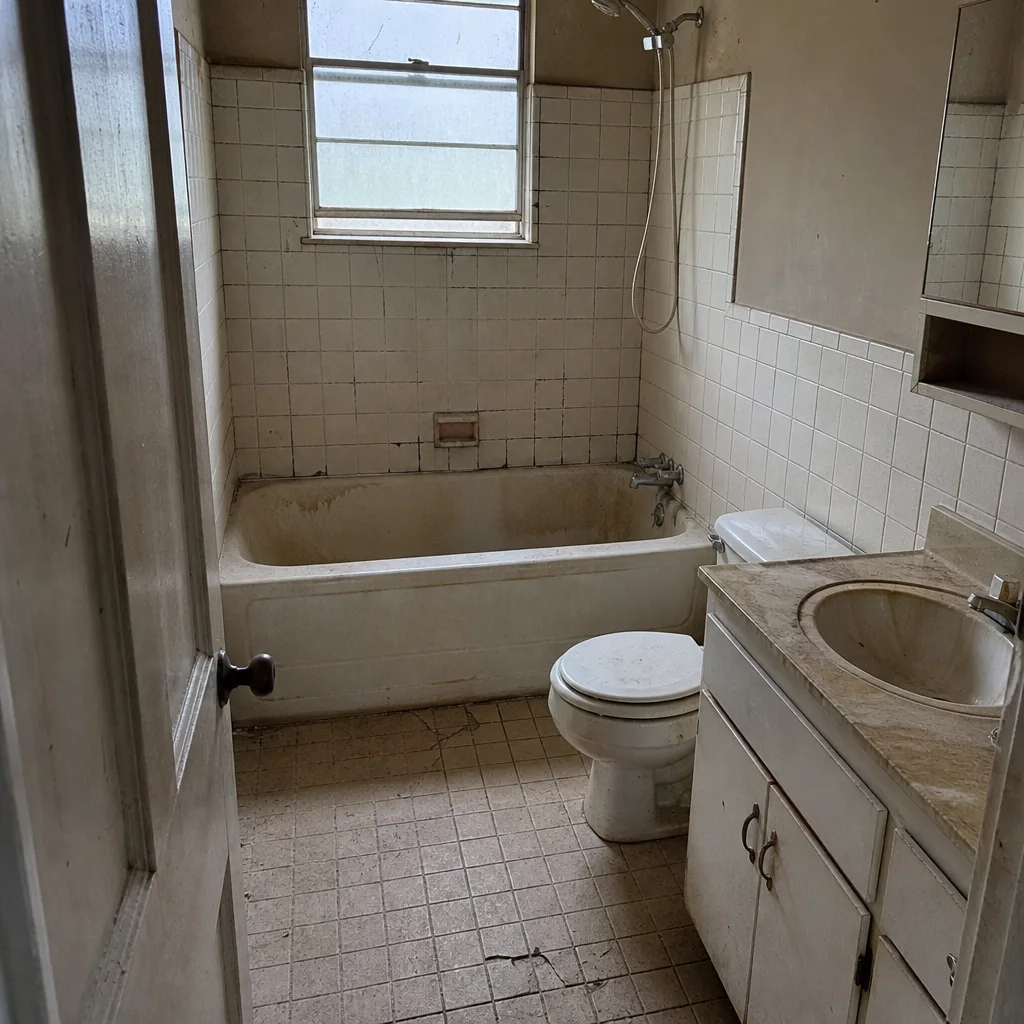 Before
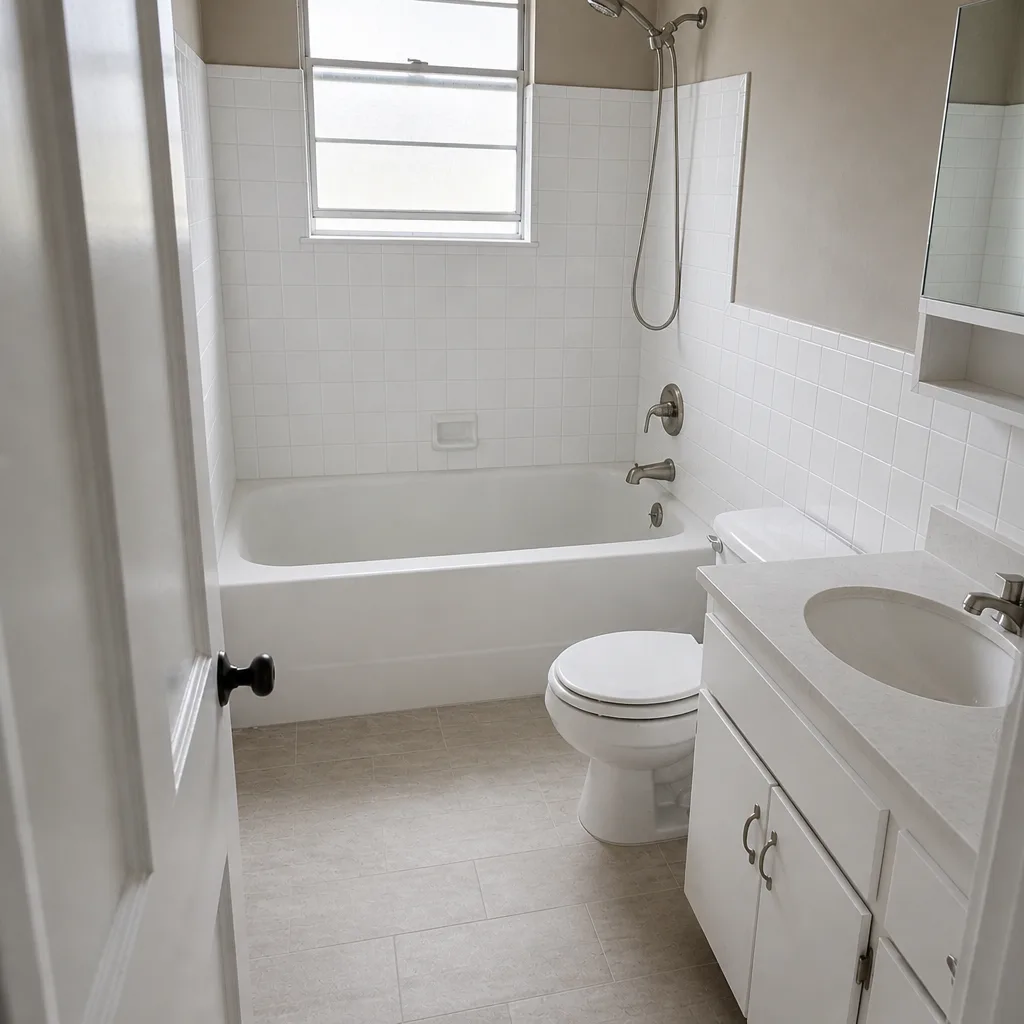 After
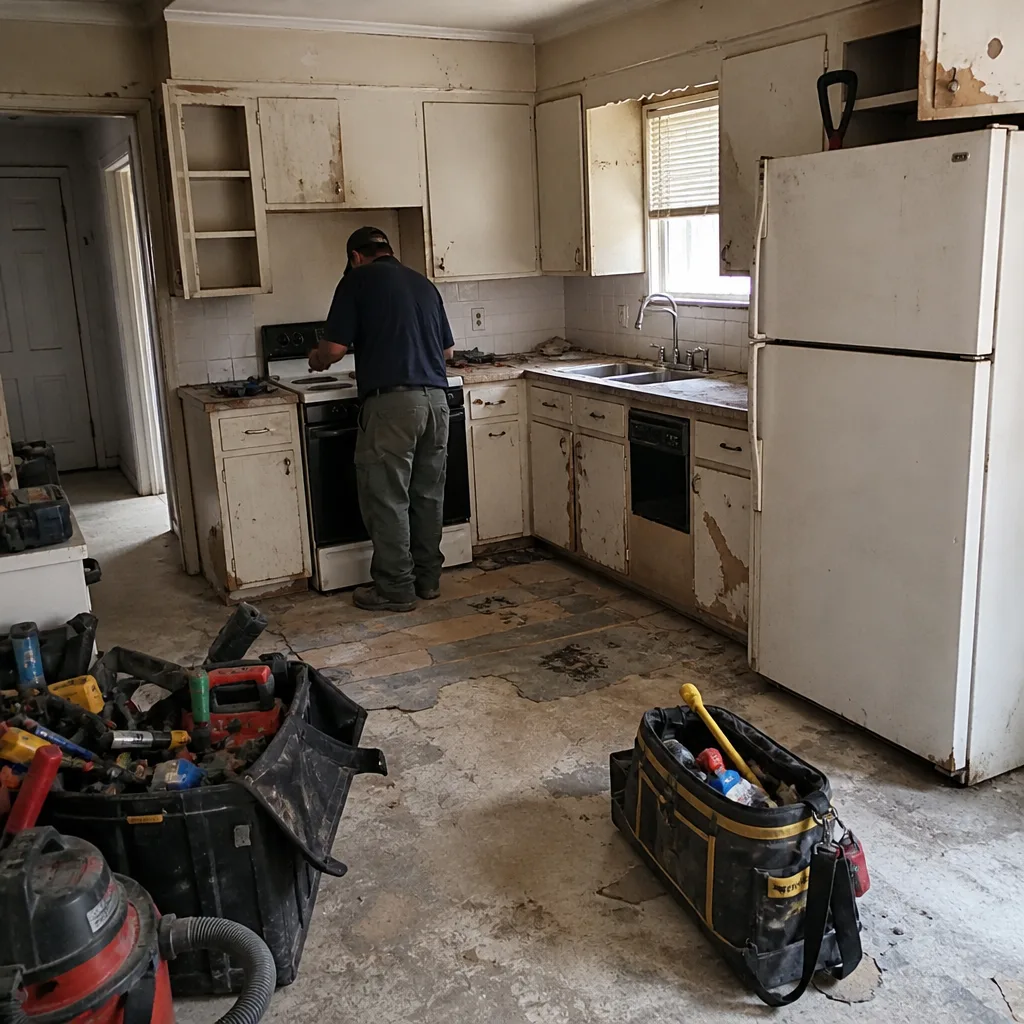 Before
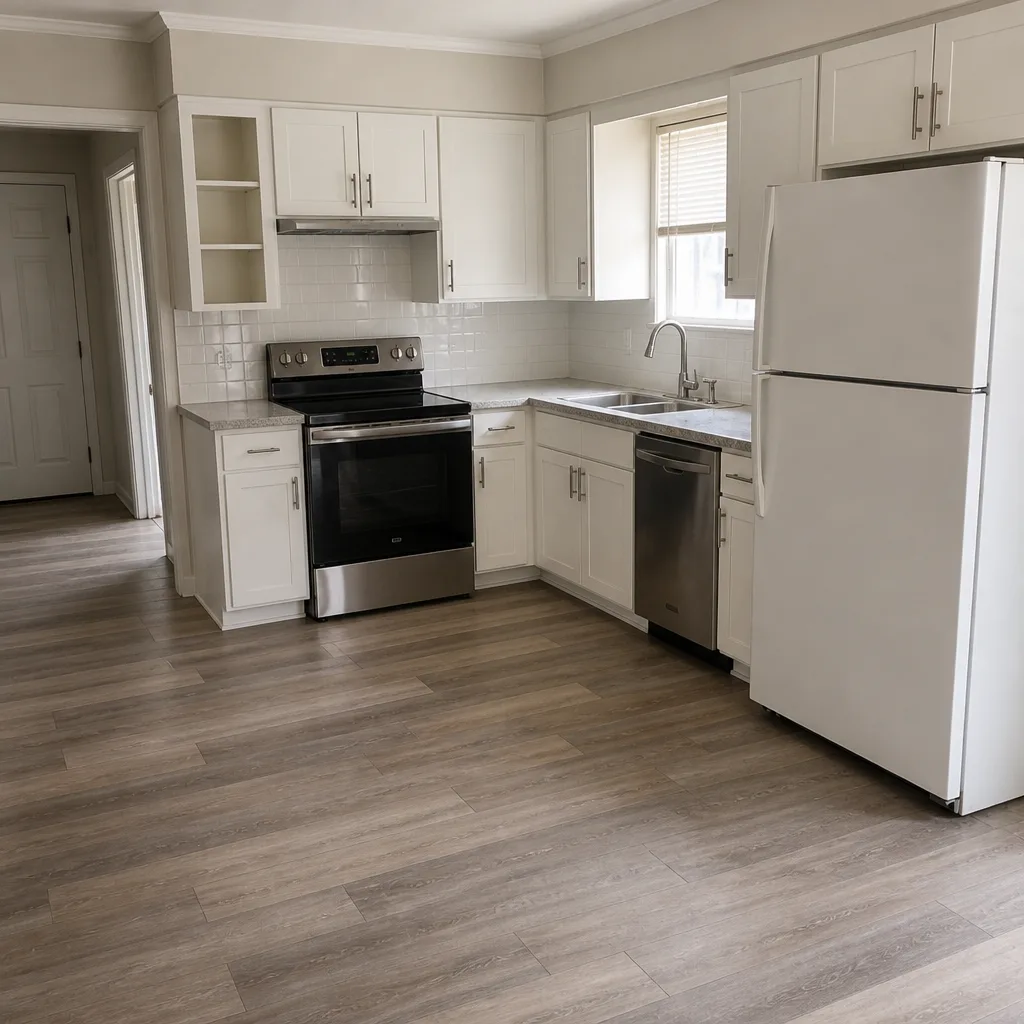 After
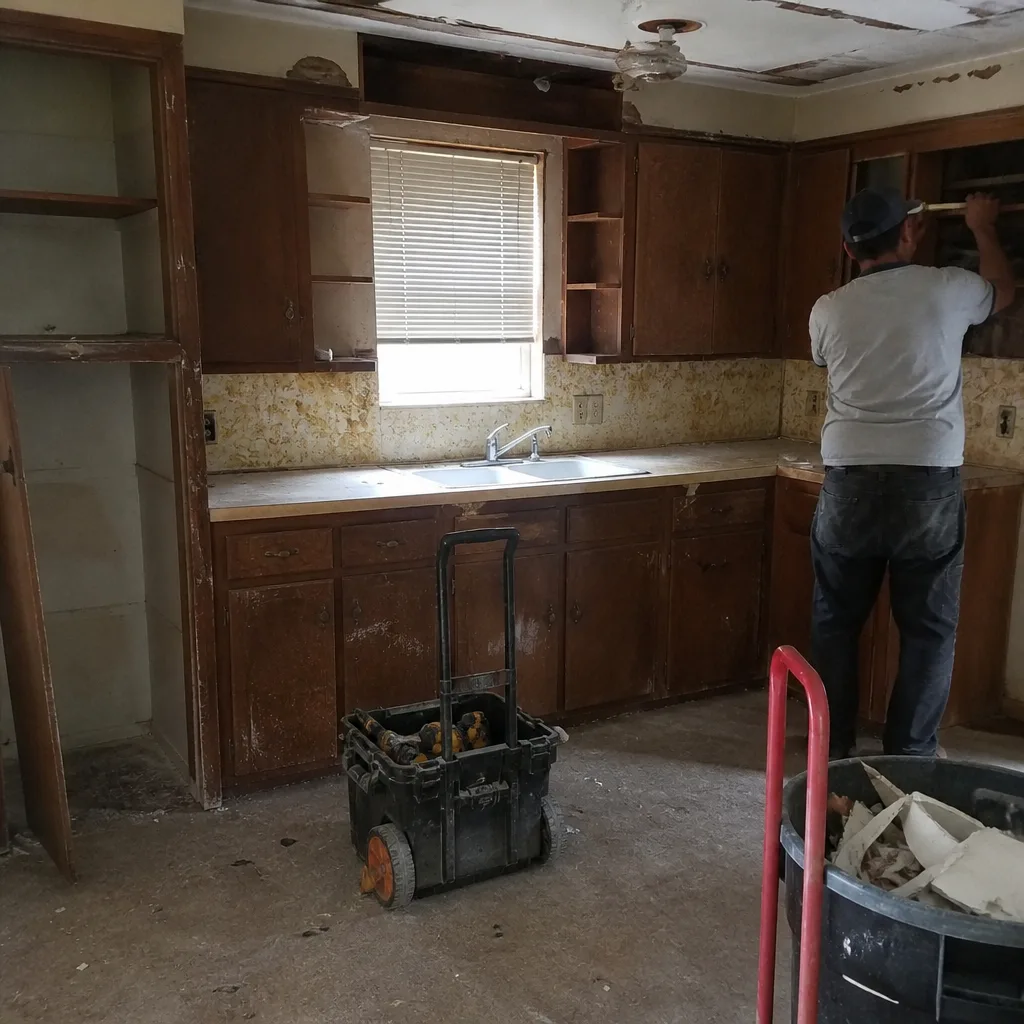 Before
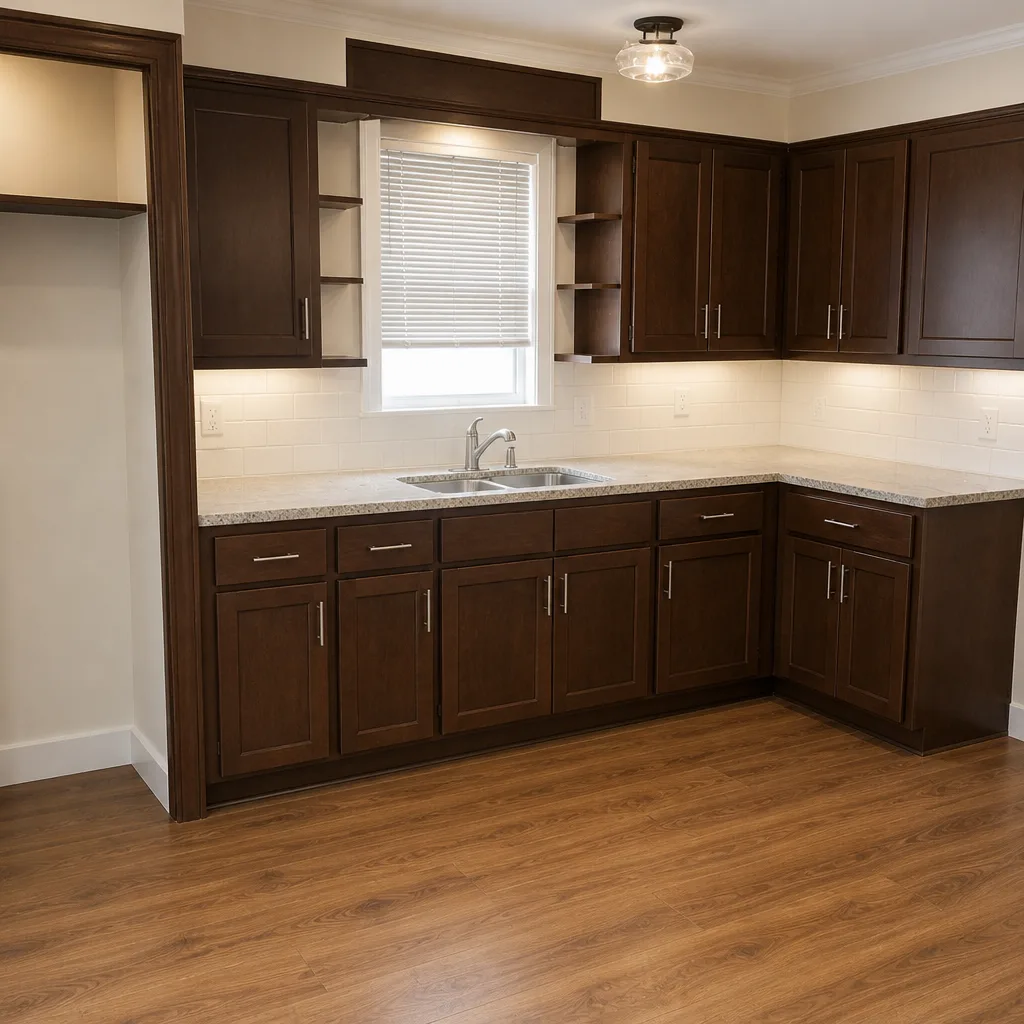 After
When to Call a Professional
Call a licensed contractor the moment a project touches electrical service, gas lines, structural framing, the roof, or any work that adds square footage. Call for anything requiring an inspection to pass. Call when the substrate or condition is uncertain, such as tile over a slab or drainage regrading near a foundation. Call when you’re planning to sell within a few years, because unpermitted work becomes a disclosure obligation under Texas Property Code Section 5.008. And call when the project involves more than one trade, because coordinating inspections across trades is a job in itself. If you’re on the fence, the second opinion on an existing written estimate is free. Rowan Construction Group Fort Worth offers free estimates in Fort Worth. Call (833) 570-6084 to schedule yours, or request a written price for projects like Fence Installation in Fort Worth.
Frequently Asked Questions
Yes. Electrical service and panel work requires a permit and a licensed electrician in Fort Worth, and the Texas owner-builder exemption does not cover electrical trades. A homeowner cannot legally pull a permit to do their own panel upgrade. Call (833) 570-6084 for a free written estimate on electrical-adjacent construction work.
The buyer’s lender can require the work be brought to code before closing, which means retroactive permits, opening walls for inspection, and redoing the work. You’re also obligated to disclose known unpermitted work under Texas Property Code Section 5.008. The unwind cost is usually higher than having done it right the first time. If you’re facing a pre-sale repair, call (833) 570-6084 for a written scope before you commit.
You can self-permit some paver work under the owner-builder exemption, but driveway work near the right-of-way often requires a permit for curb cuts and drainage. The bigger issue is base prep. Fort Worth’s clay soils move enough that a paver install without proper base and compaction fails within a few seasons. Call (833) 570-6084 for a free written quote that includes the base prep.
No, when the contractor follows a written change order process. At our firm, no change proceeds until the change order is signed, and the price you agreed to stays the price. That discipline is what keeps projects within a few percent of the written bid. Call (833) 570-6084 for a written price with a written scope.
Yes. Pulling permits and coordinating inspections is part of the written scope on any permit-required project. A contractor who asks you to pull the permit on a regulated trade is handing you the legal risk. Call (833) 570-6084 to confirm permit handling for your project.
Depends on the trade and the permit category. Cosmetic work runs days. A roof or a panel upgrade runs days to a week on schedule. An addition or ADU runs months, with inspections at defined stages. Any written bid should give you a schedule and an inspection milestone list. Call (833) 570-6084 for a written timeline on your specific project.
The Bottom Line
The DIY decisions that matter in Fort Worth are the legal ones, not the aesthetic ones. Cosmetic work is genuinely yours to do, and the savings are real. Anything touching electrical, gas, structure, the roof, or new square footage crosses into licensed-and-permitted territory, and the paperwork you generate along the way is what saves you at resale and at claim time. Compute the true DIY cost, including your time and the risk of an unwind. Then get a written price before you decide. If you’re weighing a project in Fort Worth, a free estimate and a free second opinion on any written bid are the cheapest steps you’ll take.
To schedule your free estimate, call (833) 570-6084 or start with the Rowan Construction Group Fort Worth home page. For pavers, fences, additions, or any permit-required work, we’ll deliver a written price before anything starts.
Written by the team at Rowan Construction Group Fort Worth.