Last updated November 18, 2026




Free written scope consultation - allowances, timeline, and change-order rules on paper before a single trade is scheduled
Construction Emergency Preparedness Guide for Fort Worth Homes
During the February 2021 winter storm, Tarrant County homeowners filed tens of thousands of property damage claims. The most common delay in processing them was not adjuster availability. It was homeowners who could not produce pre-loss documentation of their structure’s condition. That detail matters because construction emergencies in Fort Worth follow a predictable pattern: a severe storm or ice event creates sudden structural exposure, and the homeowners who prepared paperwork in advance move through the recovery in days while their neighbors spend weeks reconstructing evidence. This guide covers the documentation package, the physical supplies, the triage rules, and the 72-hour sequence you want already settled before a single shingle lifts.
Quick Answer
Preparing a Fort Worth home for a construction emergency means assembling four things in advance: a pre-loss documentation package (dated photos, roof report, foundation survey, permit history), a physical emergency kit (tarps, plywood, cordless lighting), a written triage plan that separates true structural emergencies from scheduled repairs, and a short list of contractors and professionals you’ve already vetted. Build these before storm season, update them once a year, and store copies where flood and wind can’t reach them.
Styles & brands we work with
- Kitchen remodeling
- Bathroom remodeling
- Home additions & ADU
- Roofing
- Windows & doors
- Driveway & pavers
- Fence
Table of Contents
- The Pre-Loss Documentation Package Every Fort Worth Home Should Maintain
- Structural Emergency Triage: What Requires Shoring and What Can Wait
- Fort Worth’s Emergency Contractor Landscape: Storm-Chasers vs. Established Contractors
- Temporary Repair Standards: Tarping and Board-Up That Insurers Accept
- The 72-Hour Action Sequence After a Structural Emergency
- The Physical Emergency Kit for a Fort Worth Home
- How to Review Your Readiness Each Year
The Pre-Loss Documentation Package Every Fort Worth Home Should Maintain
Fort Worth’s climate does the damage in cycles. Hail season runs roughly March through June, and the Metroplex gets hammered with the kind of golf-ball hail that strips shingle granules in a single afternoon. Summer heat then bakes exposed decking. Ice events like February 2021 arrive every few winters and break the other way, with frozen pipes and weight-loaded roofs. Each cycle produces claims, and each claim runs on evidence you generate before the event.
A complete package includes these components:
- Roof inspection report. A dated report from a licensed roofing contractor that names shingle layer count, decking condition, flashing at penetrations, and the age of the covering. If your roof is GAF or Owens Corning, note the warranty documentation as well; insurers ask for it.
- Foundation elevation survey. Fort Worth sits on expansive clay soils that swell with rain and shrink in drought, so foundation movement is normal and expected. A baseline elevation survey from a licensed engineer establishes where your foundation started, which is the only way anyone can later prove crack change is storm-related.
- Exterior photo record with dates. Photograph all four elevations, the roofline from ground level, fences, the driveway, and any structures like a pergola or shed. Metadata-dated photos carry more weight than re-typed labels.
- Permit history printout. Pull your property’s permit record from the City of Fort Worth’s online portal and save the PDF. If a prior owner added a room or replaced a roof, that permit trail matters when an adjuster questions whether work was ever inspected and approved.
- Interior baseline photos. Attic decking, ceiling lines, and the underside of every sink cabinet. Water damage shows up as staining you can only attribute to a specific event if you can show the ceiling was clean before.
Store the package in three places: cloud storage, a fireproof safe, and a copy with a trusted relative out of the region. The inventory itself takes an afternoon to assemble. Rebuilding it after a loss is the part nobody budgets for.
Structural Emergency Triage: What Requires Shoring and What Can Wait
Not every post-storm problem is an emergency. The judgment call that matters most in the first hours is whether a structure is at genuine risk of sudden failure or is merely damaged and can be scheduled. Getting this wrong in either direction costs money: over-reacting means rushed, unpermitted work, and under-reacting means a roof deck or retaining wall that gives way entirely.
Here is the triage standard we work from:
- Roof decking exposure. Torn-away shingles that leave decking visibly exposed to the sky count as an emergency. The clock starts immediately, because every rainstorm that follows drives water into the structure. This needs tarping within 24 hours, not full replacement.
- Foundation crack change. A crack that is new or has widened noticeably since your baseline survey deserves an engineer’s review but is rarely an emergency unless it’s accompanied by a door that no longer latches, a wall pulling away, or water actively entering. Those combinations point to movement serious enough to warrant same-week evaluation.
- Retaining wall movement. A wall leaning more than a couple of degrees from vertical, or bulging outward, is a real hazard. A leaning wall above a walkway or lower grade needs an engineer before anyone touches it.
- Framing compromise. A visibly sagging ridge line, a wall out of plumb, or a ceiling that has dropped is emergency-level. Cordon the area off, don’t walk under it, and call for structural evaluation.
- Cosmetic damage. Granule loss, dented gutters, cracked caulk, and popped fence pickets are scheduled repairs. Document them and wait for the adjuster.
When in doubt on anything framing or foundation-related, treat it as an emergency. The cost of an engineer’s visit is small next to a collapse.
Fort Worth’s Emergency Contractor Landscape: Storm-Chasers vs. Established Contractors
Every major hail event in Fort Worth draws the same tide: out-of-state crews with magnetic door signs, rental trucks, and a pitch that starts with “your neighbor’s roof is totaled, let me look at yours.” Some are legitimate. Many are not. The difference between a reputable local contractor and a storm-chaser shows up in the paperwork within about ten minutes of conversation, and there are three document checks that screen them apart.
- Check one: license and insurance certificate, current. Ask for the state license number and a certificate of insurance naming you as an additional insured for the job. A legitimate contractor produces both immediately. A storm-chaser stalls, sends a PDF tomorrow, or offers a copy of a policy from a company in another state.
- Check two: written scope before work starts. Under our founding discipline, no work moves forward without a written flat price and a written scope. A storm-chaser wants a signed contingency contract before any estimate is written, so the “final price” is whatever the insurer pays. That structure removes your protection.
- Check three: change-order discipline. Established contractors do not proceed on any change until a change order is signed. If the contractor says “we’ll just handle it as we go,” you have no written record of what you agreed to, which is the exact gap insurers and inspectors are trained to find.
Ask each contractor for two local references and an address you can verify. Call them. Storm-chasers don’t stay long enough for references to hold up, and in our experience that’s the fastest tell of all.
Temporary Repair Standards: Tarping and Board-Up That Insurers Accept
A temporary repair protects the structure and establishes the claim; a sloppy permanent repair in the same window can muddy both. Fort Worth, like most Texas jurisdictions, allows emergency protective measures as a practical matter – a tarp over a failed roof, plywood over a broken window – but the work still needs to be documented and associated with the specific event, and the permanent fix needs a permit.
What an insurer expects from a temporary repair:
- Tarps secured, not stapled loosely. Roof tarps should be a heavy-duty woven or plastic type with anchored strapping, not a blue sheet flapping at the corners. Photograph the installation at each stage so the adjuster sees the work was competent.
- Board-up that won’t fail. Exterior-grade plywood, screwed rather than nailed, with a minimum thickness appropriate to the opening. Frames over broken glass, not just over a hole.
- Documentation on both sides of the fix. Photograph the damage and photograph the temporary repair, with dates. Insurers process faster when the file tells a complete story.
- No permanent repairs made on the quiet. Do not let anyone replace a roof, reframe a wall, or repour a slab as an “emergency fix” without a permit and a written scope. Unpermitted permanent work is a real complication in a claim and a liability when the next owner sells.
Good temporary work buys you a week. Bad temporary work buys you a dispute.
The 72-Hour Action Sequence After a Structural Emergency
The order of calls matters more than people expect. Called in the wrong sequence, the same damage produces a smaller settlement – because the adjuster arrives to a scene that has already been changed without a record, or because a contractor’s estimate sets a ceiling the insurer then works from. Here is the sequence we recommend, and the reasoning behind each step.
- Secure the structure and the people in it. Get everyone out of any compromised area, shut off the gas and power if you smell or see hazards, and call emergency services if there’s fire, gas, or injury risk. This is the only call that can’t wait.
- Call your insurer to open the claim and document the loss. Report the loss and request a claim number before or immediately after any outside work begins. Photograph everything yourself first, then document the temporary repair steps.
- Schedule an independent adjuster or public adjuster if the loss is large. For losses over roughly $25,000, an independent or public adjuster who works for you – not the insurer – is often worth the fee. They speak the insurer’s language and know what documentation gets accepted.
- Bring in a structural engineer if framing, foundation, or retaining walls are involved. An engineer’s report establishes causation, which is what converts “damage” into “covered damage” in a claim file.
- Call a licensed contractor for scope and price. A contractor’s written scope and flat price is the line-item proof of the repair cost. Do this after the claim is open so the contractor’s estimate supports the claim rather than caps it.
That order – insurer first, then adjuster or engineer as needed, then contractor – protects the claim. Reversing it puts the contractor’s number in front of the insurer before the insurer has an independent record of what happened, and that is where people come up short.
The Physical Emergency Kit for a Fort Worth Home
Fort Worth’s storm season is not the time to discover you don’t own a tarp. Keep a dedicated construction emergency kit in a sealed bin, checked twice a year, with these contents:
- Heavy-duty roof tarps, two sizes (a large one for the roof, a smaller one for windows and outbuildings)
- Exterior-grade plywood panels, cut to fit the largest window openings in your home
- Cordless drill and a box of exterior screws, plus a charged spare battery
- LED work lights and headlamps, with fresh batteries
- Waterproof plastic sheeting and duct tape for interior water diversion
- A waterproof document folder containing copies of your insurance policy, documentation package, contractor list, and emergency contacts
- A basic first-aid kit rated for the household size
If you have a pool, add a spare pump and the manufacturer’s manual. If you have a detached garage or shed, keep a second set of tarps there. In our experience, most of the scramble during a Fort Worth storm is not a shortage of supplies – it’s supplies everyone assumed existed in the garage and didn’t.
How to Review Your Readiness Each Year
Run this review in late February, before hail season starts, and again in October, before the ice window. It takes an hour and saves weeks.
- Re-photograph the exterior at all four elevations and re-save with fresh dates.
- Reconfirm the roof report if the roof is more than five years old, and note the shingle age.
- Check the foundation survey against the previous year’s readings; if you haven’t had one, that’s the year to commission it.
- Re-pull the permit history from the City of Fort Worth portal and file the current version.
- Review the emergency kit and replace anything used, expired, or missing.
- Update the contractor list with current contact information and confirm the license numbers are still active.
The point isn’t paperwork for its own sake. It’s that when an event hits, the record is already built and you can move through the recovery with a claim that gets approved instead of a claim that gets questioned. For neighborhoods like Ridglea, Wedgwood, and Tanglewood, where mature roofs and older foundations are common, this review catches more than it does on newer construction out in the newer subdivisions.
For the physical repair steps a documented loss turns up, some of the trade pages are worth a read in advance: our Rowan Construction Group Fort Worth home page covers the trades, and specific repair planning lives on the Driveway & Pavers in Fort Worth page for hardscape damage, the Fence Installation in Fort Worth page for wind and hail fence failures (we specify Barrette and Master Halco materials so replacement matches the original system), and the Home Additions & ADU in Fort Worth page if storm damage ends up turning into a rebuild that needs documented permits. Door replacement after an intrusion is covered under our window and door work, where Therma-Tru and ViewLux entries are the common specs.
Common Mistakes to Avoid
- Hiring the first contractor who knocks. After a hail event, a crew with a magnetic sign will offer to “start today.” The ones with a written scope, current insurance certificate, and local references are the ones you want, and they can prove it in writing.
- Making permanent repairs before the adjuster sees the damage. Even a fast, competent repair removes evidence. Temporary tarps and board-up protect the home; permanent work waits for the claim file to be complete.
- Signing a contingency agreement that sets price to whatever the insurer pays. That structure sounds like a guarantee and behaves like a blank check. A written flat price before work starts is the standard; ours is written as a flat number on every job.
- Failing to photograph the attic and ceiling before the storm. A brown ceiling stain after a storm is only attributable to that storm if you can show the ceiling was clean the week before. Baseline photos cost nothing and settle a lot of disputes.
- Ignoring foundation movement because “it’s clay soil.” Expansive clay explains ordinary movement. It does not explain a crack that widened by a quarter inch after a storm, and treating it as normal is how small foundation issues become structural ones.
- Skipping the engineer because the contractor offered to “take a look.” A contractor’s opinion is not an engineer’s report. Causation matters in a claim, and only one of those documents carries the right weight.
- Keeping the documentation package in only one place. Homes flood, burn, and shake. Cloud storage, safes, and an out-of-region copy are not paranoia; they’re the baseline.
See the difference
 Before
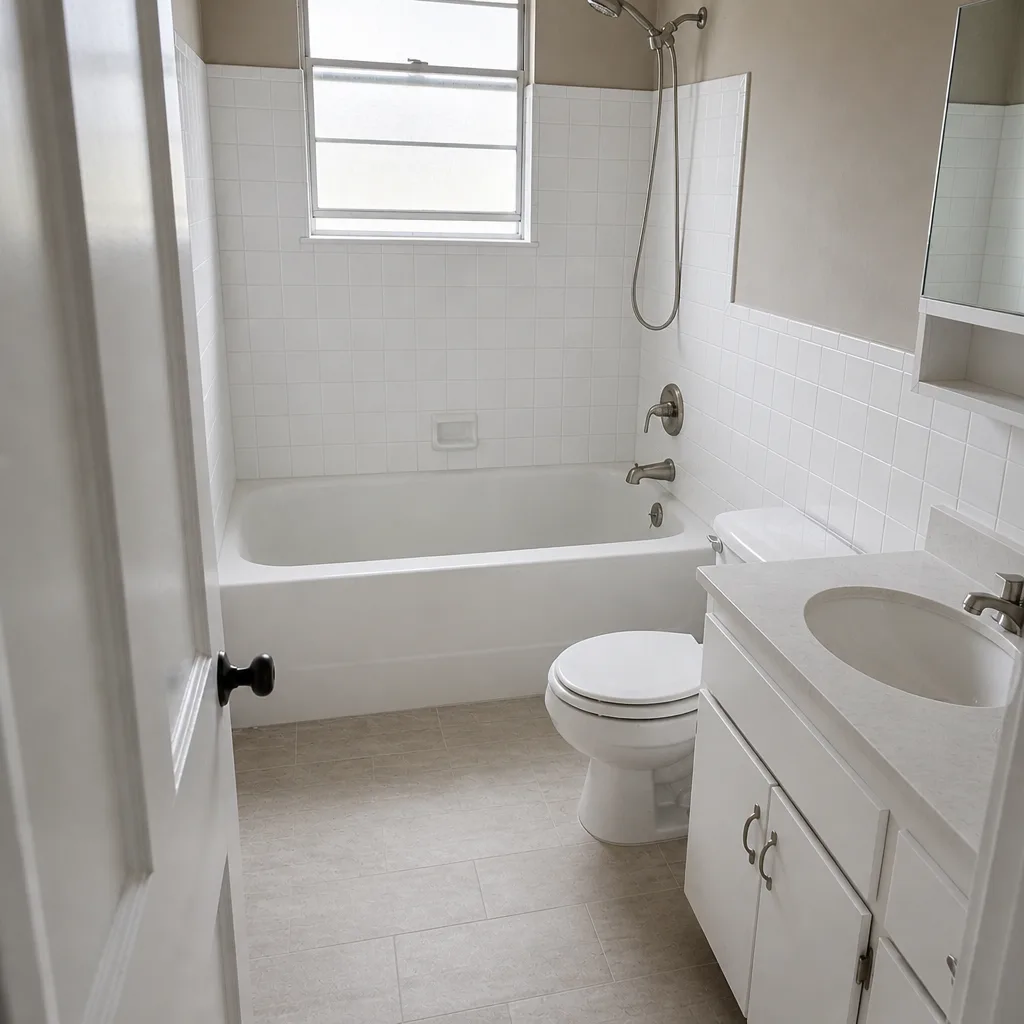 After
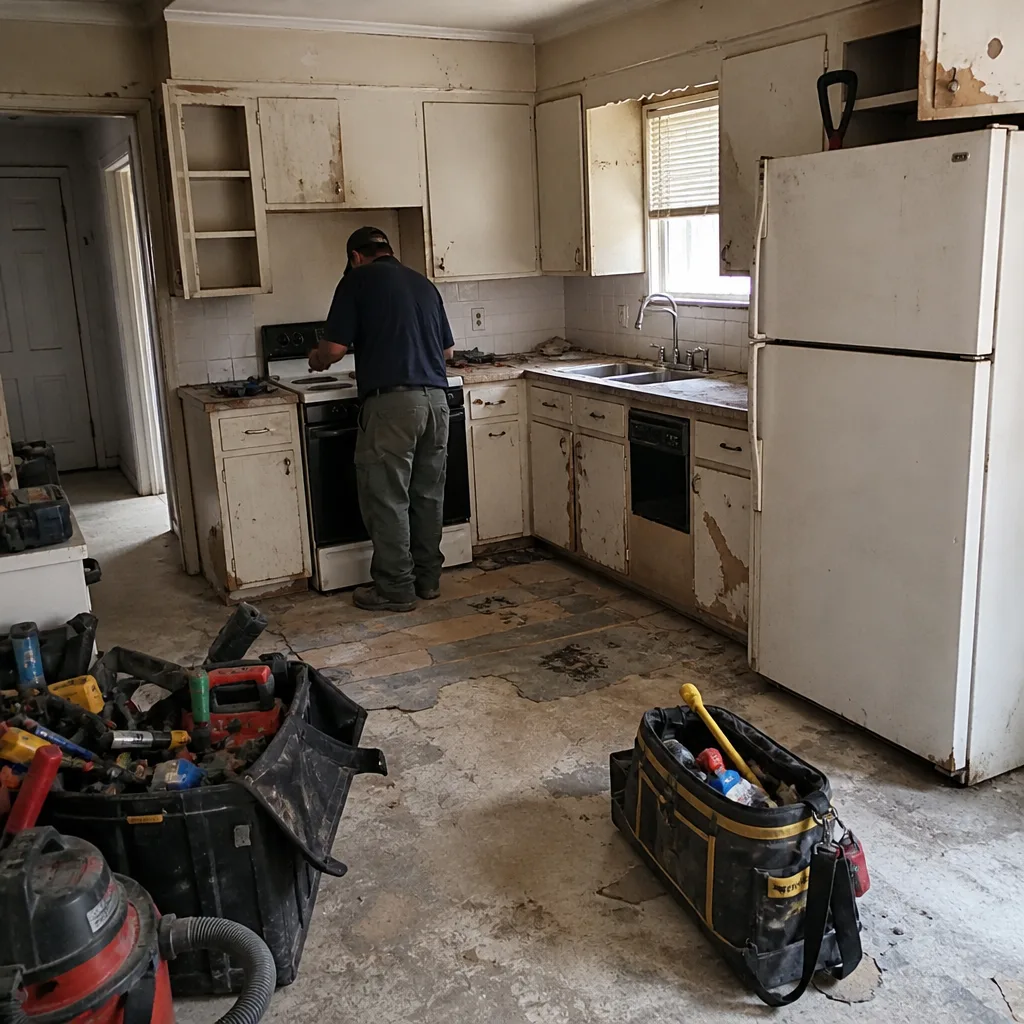 Before
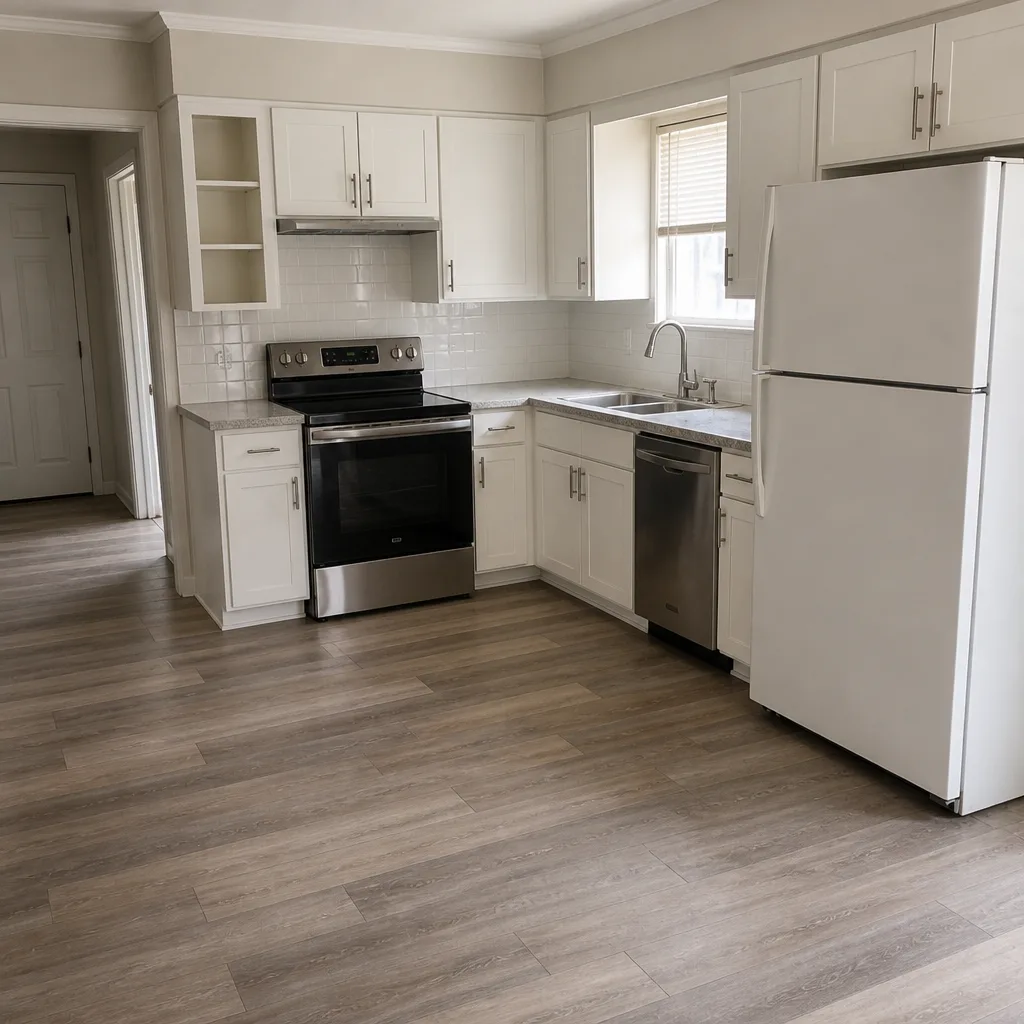 After
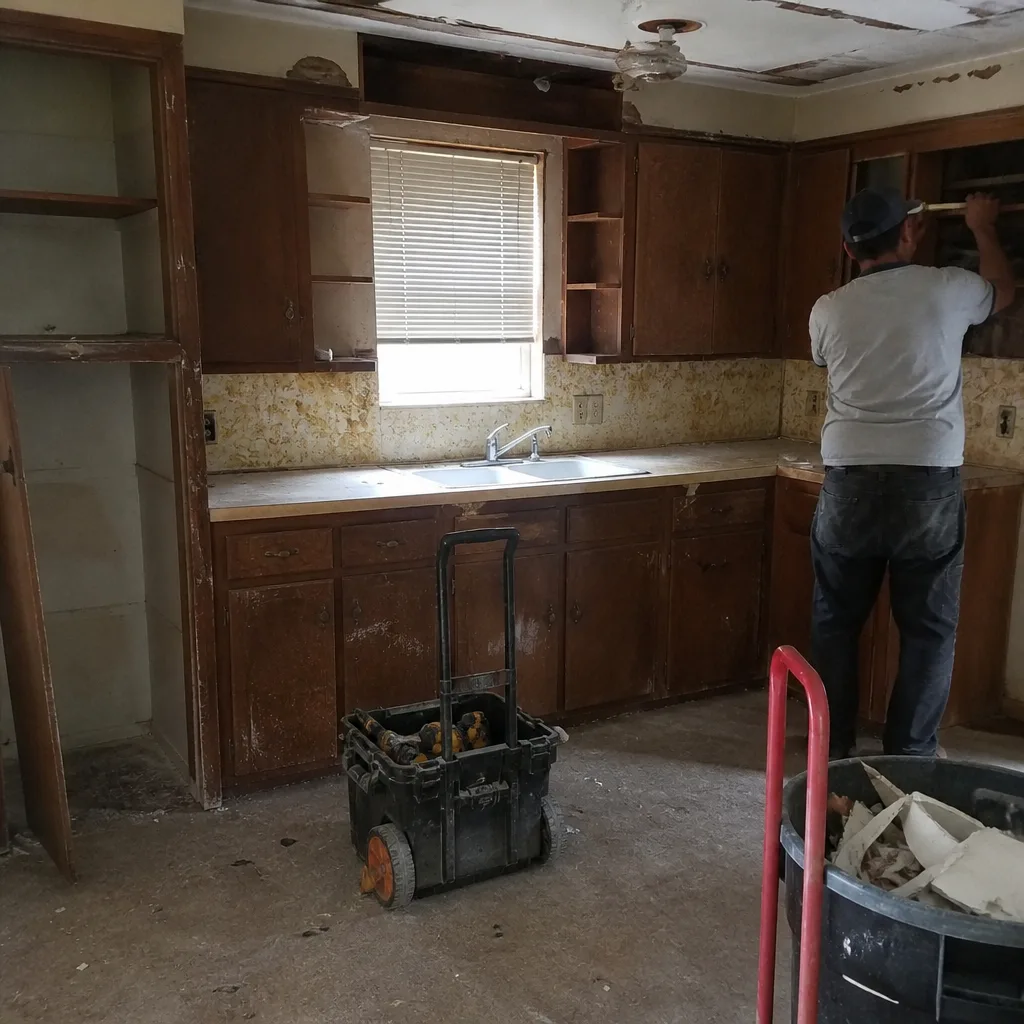 Before
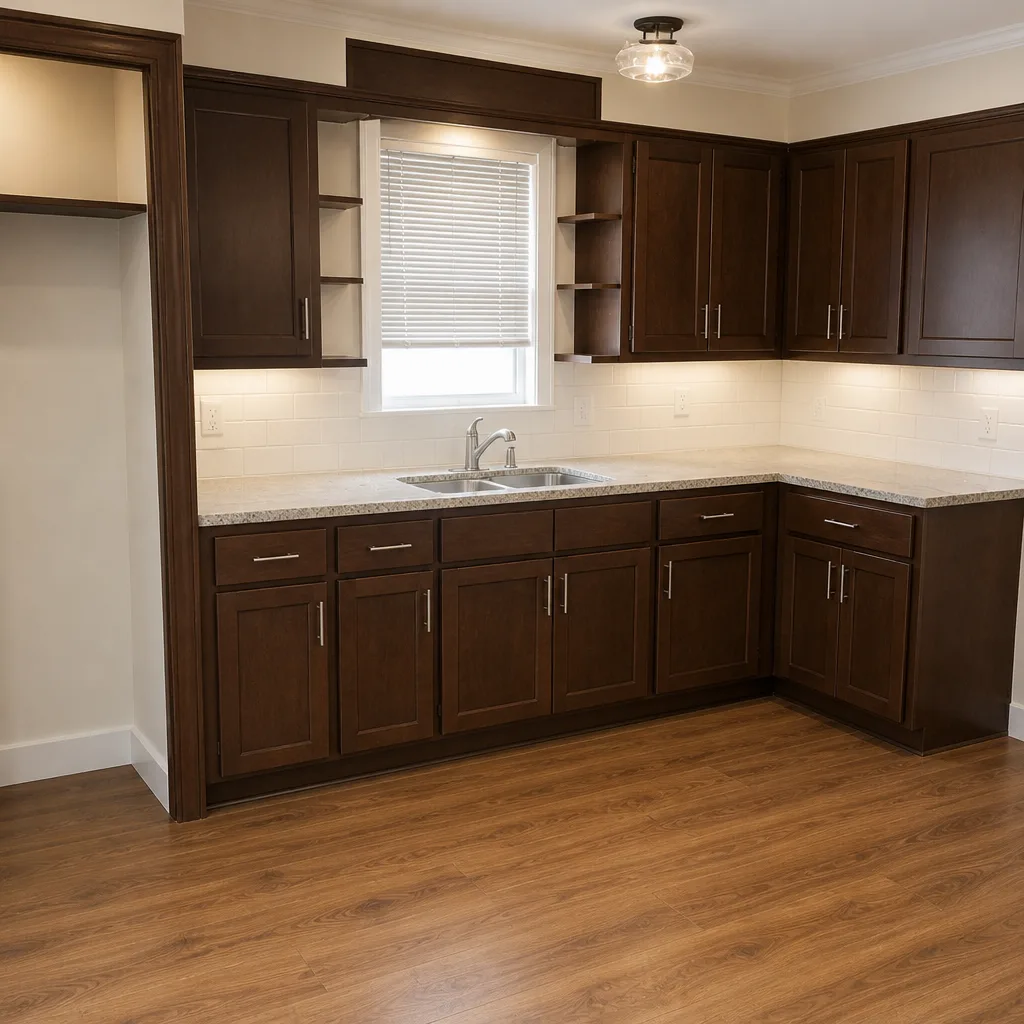 After
When to Call a Professional
Call a professional the same day if roof decking is exposed, if a wall or ceiling is sagging, if a retaining wall is leaning or bulging, if a foundation crack has widened visibly since your baseline, or if there is active water intrusion into a structural area. Those are emergencies and they need hands on them within hours. Call for a scheduled visit – not an emergency – if the damage is limited to shingles, gutters, fence pickets, or exterior caulk. In those cases, document thoroughly and wait for the claim. Rowan Construction Group Fort Worth offers free estimates in Fort Worth for every trade we cover, and we’ll say plainly which category a given problem belongs to. Call (833) 570-6084 to schedule a visit.
Frequently Asked Questions

A pre-loss documentation package with a dated roof report, foundation elevation survey, exterior photo record, interior baseline photos, and the current permit history printout from the City of Fort Worth’s online portal. Add a physical emergency kit with heavy-duty tarps, exterior-grade plywood, a cordless drill, LED work lights, a waterproof document folder, and a first-aid kit. Together, these are the two things that separate a smooth claim from a long one.
Emergency tarping typically runs $350 to $900 for a standard single-family roof, depending on pitch and access, and board-up of a broken window or door runs $150 to $400 per opening. These are temporary protective measures, not repairs. The permanent fix is priced separately with a written scope. Call (833) 570-6084 for an exact quote – estimates are free.
Yes, in most Fort Worth policies, emergency protective measures are covered as part of the loss – the tarp, the board-up, the water extraction – because protecting the structure from further damage is expected of the policyholder. Keep receipts, photograph the temporary work, and submit the costs with the claim. The permanent repair is covered separately under the main claim line.
After. Call your insurer to open the claim and get a claim number first, photograph the damage yourself, then schedule the contractor. If the loss is large, bring in a public or independent adjuster who represents you. Bringing in a contractor before the claim is open gives the insurer your contractor’s number before the insurer has an independent record of the event, and that can set a ceiling on the settlement.
Three checks: they can’t produce a current state license number and insurance certificate on request; they want a signed contract before writing an estimate; and they won’t give you two verifiable local references you can call. Legitimate contractors – including us – produce all three without stalling. When in doubt, drive past their listed address; if the business isn’t there, don’t hire there.
Yes, permanent repairs – roof replacement, structural work, electrical, plumbing, additions – require a City of Fort Worth permit and inspection. Temporary protective measures like tarping and board-up do not. Do not let anyone perform permanent work without a permit and a written scope, even under the banner of “emergency repair”; unpermitted work becomes a real problem at the next sale and can complicate the current claim.
The Bottom Line
Fort Worth construction emergencies follow a pattern, and the pattern is not the storm. It’s the documentation gap that opens in the first 72 hours. The roof is going to be stripped by hail eventually. The pipe is going to freeze every few winters. What separates a recovery measured in days from one measured in months is whether the paperwork was already done: the dated photo record, the roof report, the survey, the permit trail, the supplies on the shelf, the short list of vetted contractors you already know. Build that now, run the annual review, and the next event will find you ready rather than scrambling.
Written by the team at Rowan Construction Group Fort Worth.