Free written scope consultation - allowances, timeline, and change-order rules on paper before a single trade is scheduled
Styles & brands we work with
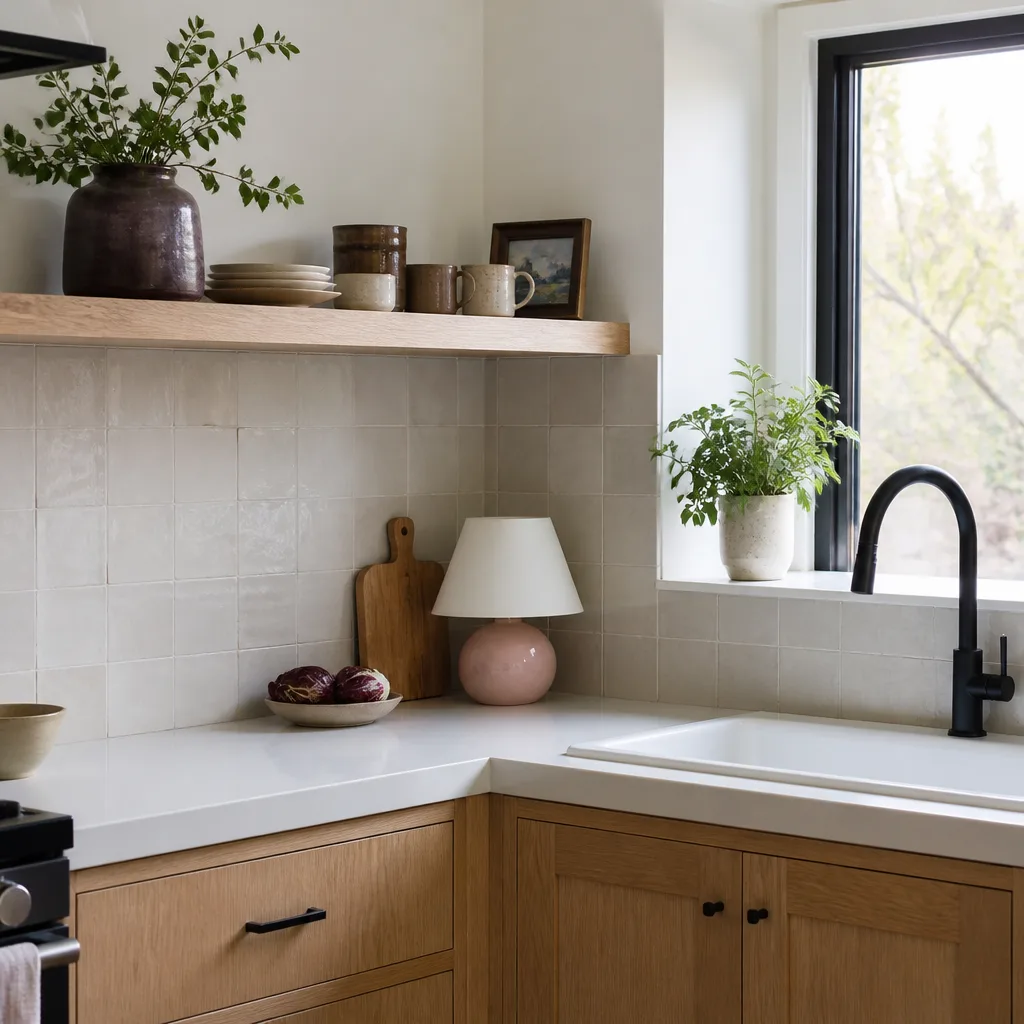
- Kitchen remodeling
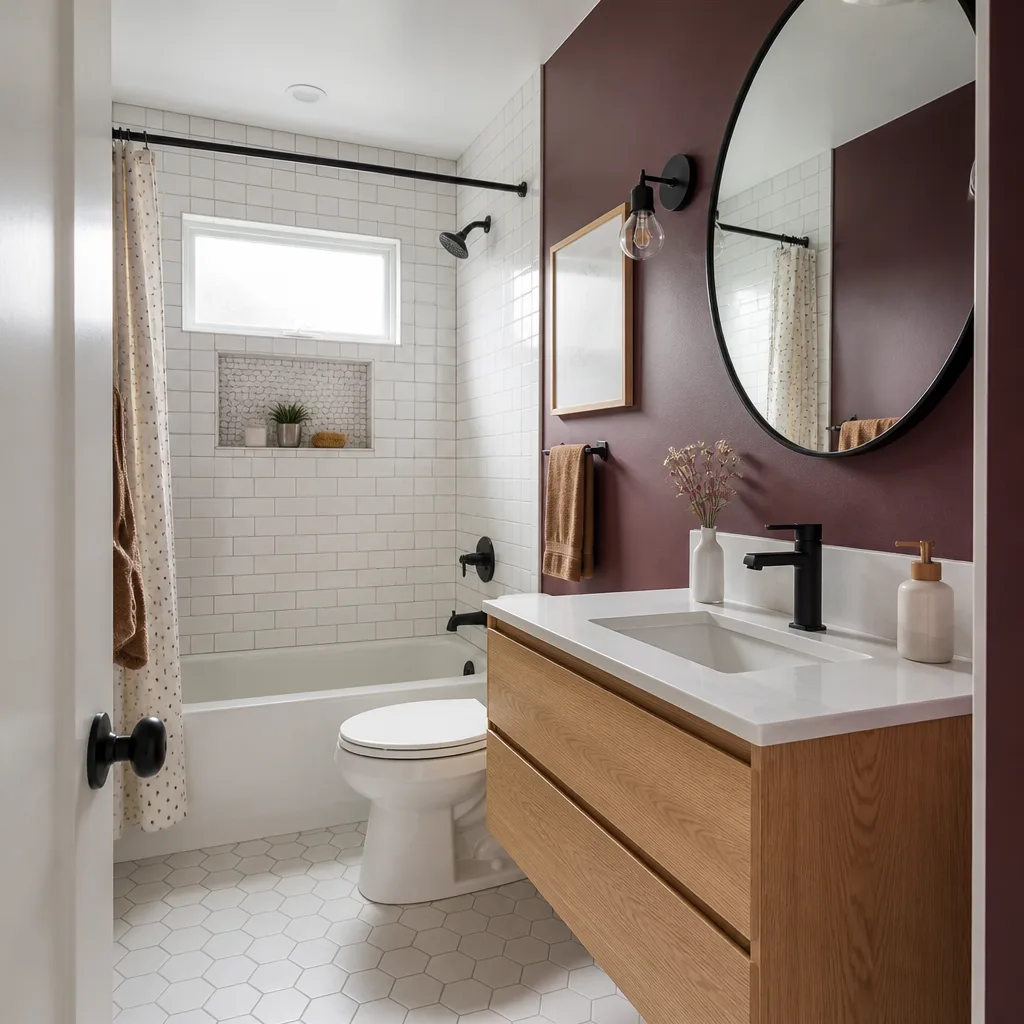
- Bathroom remodeling
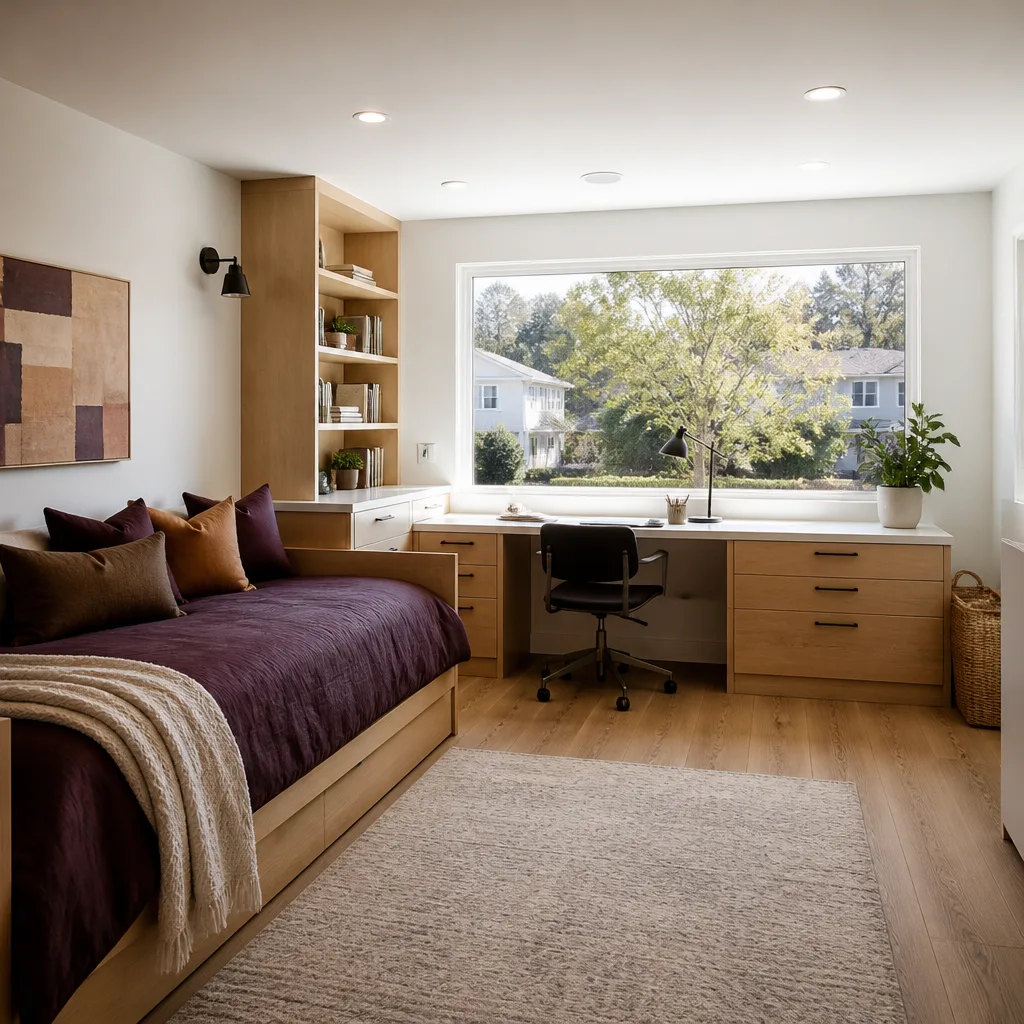
- Home additions & ADU
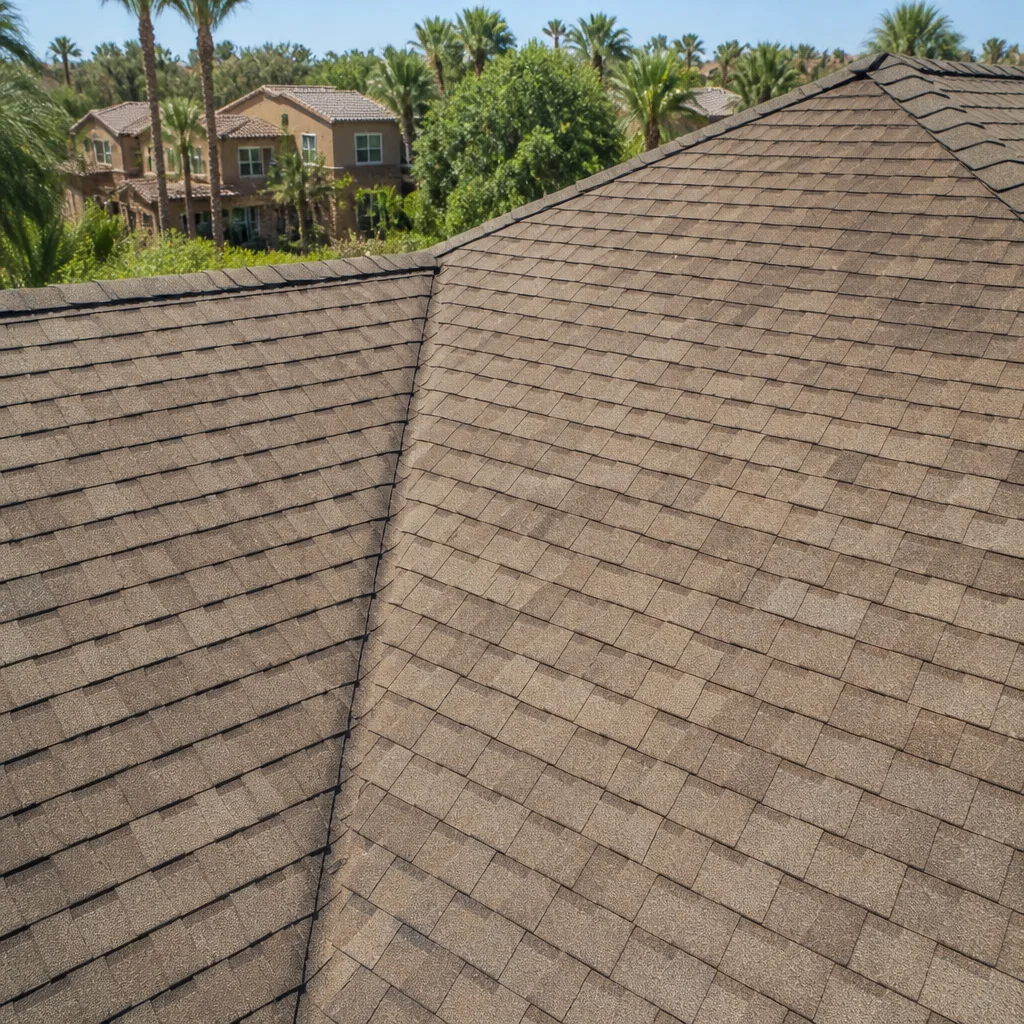
- Roofing
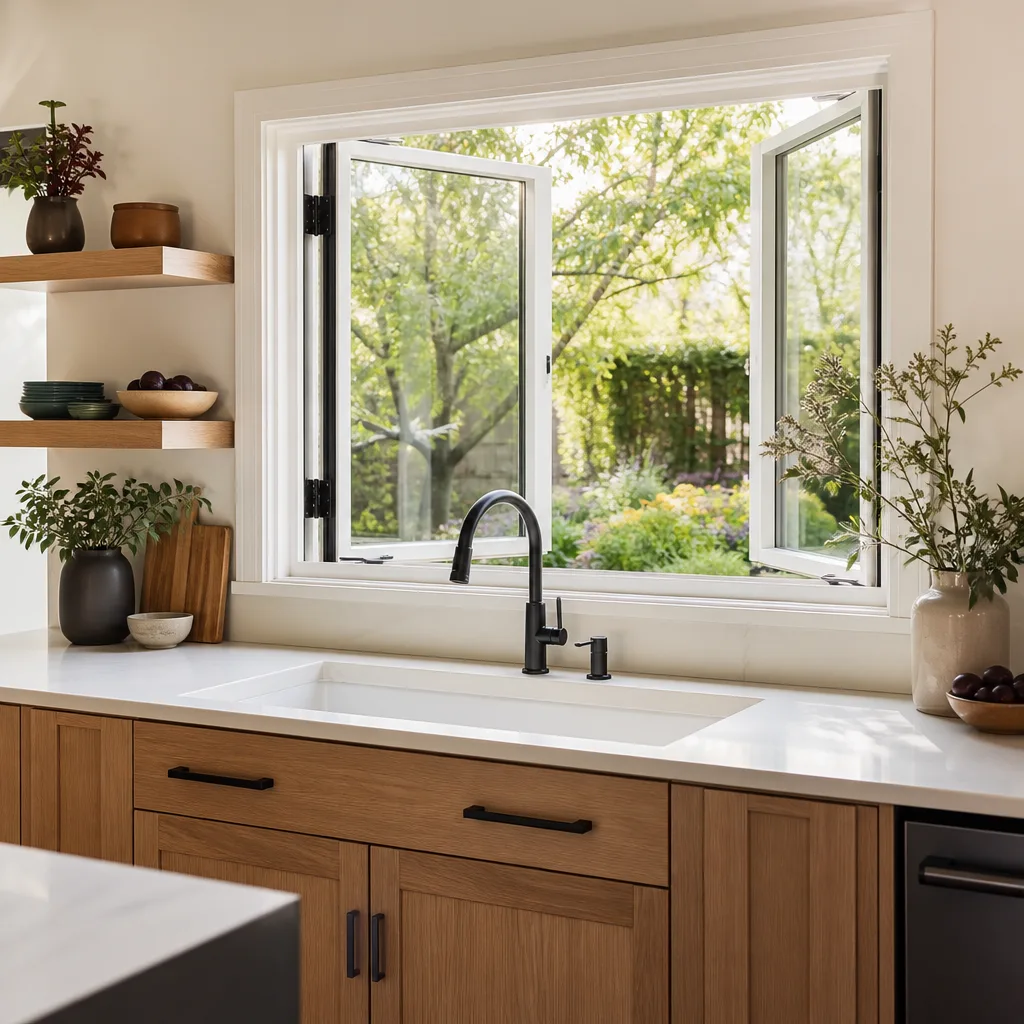
- Windows & doors
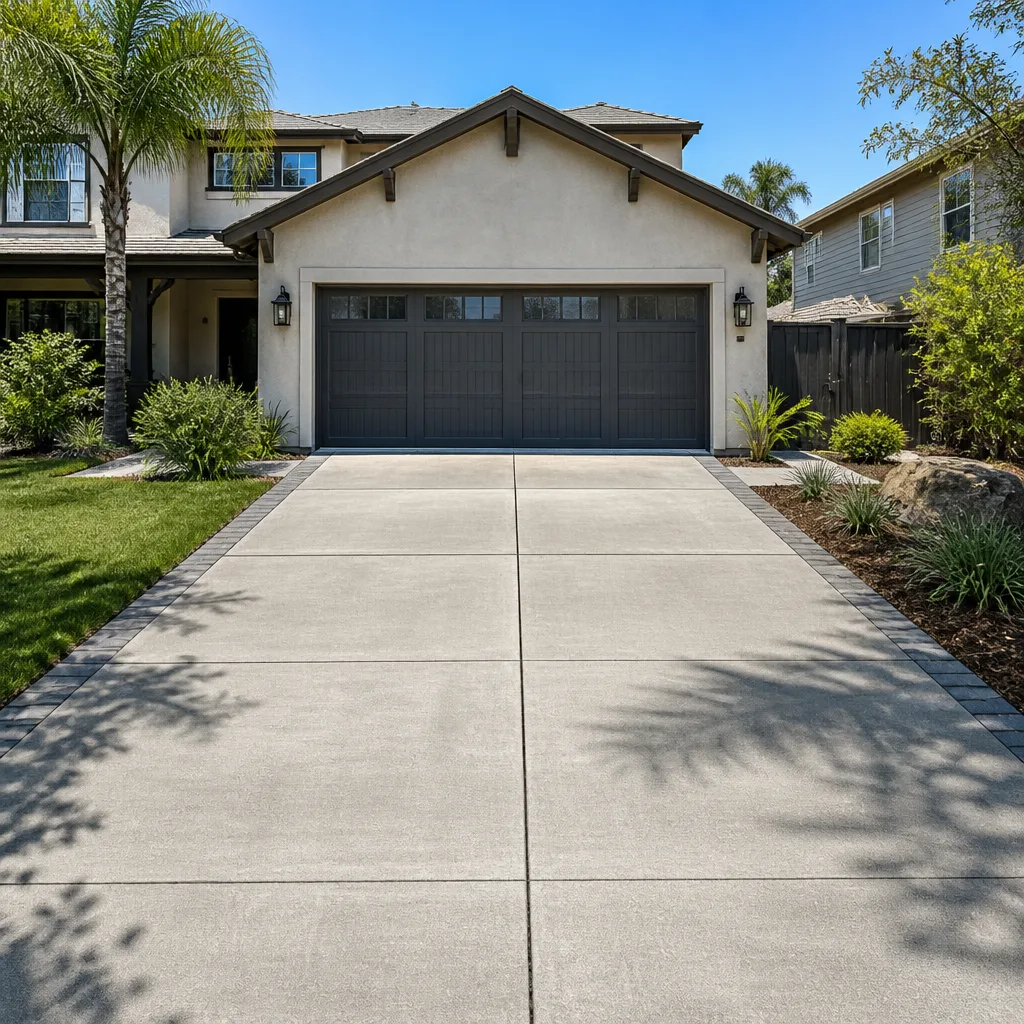
- Driveway & pavers
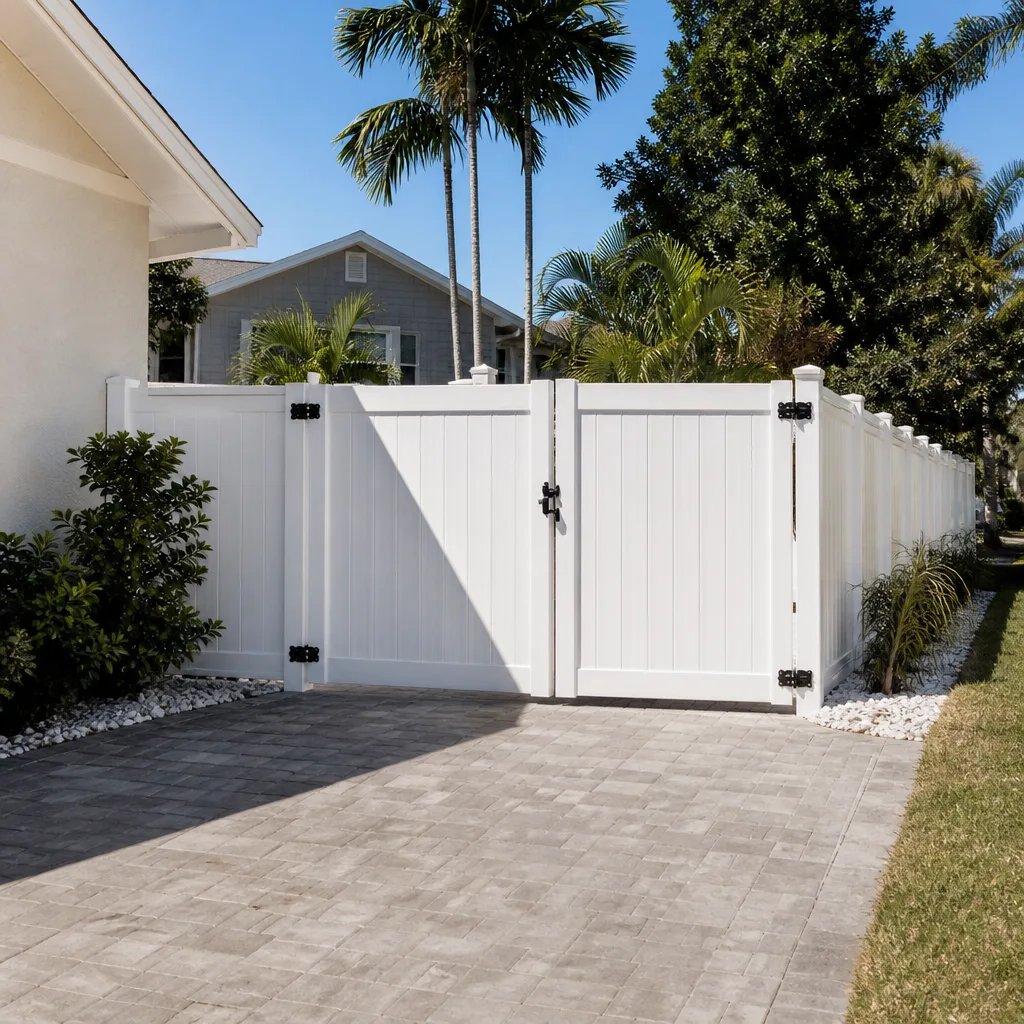
- Fence
See the difference
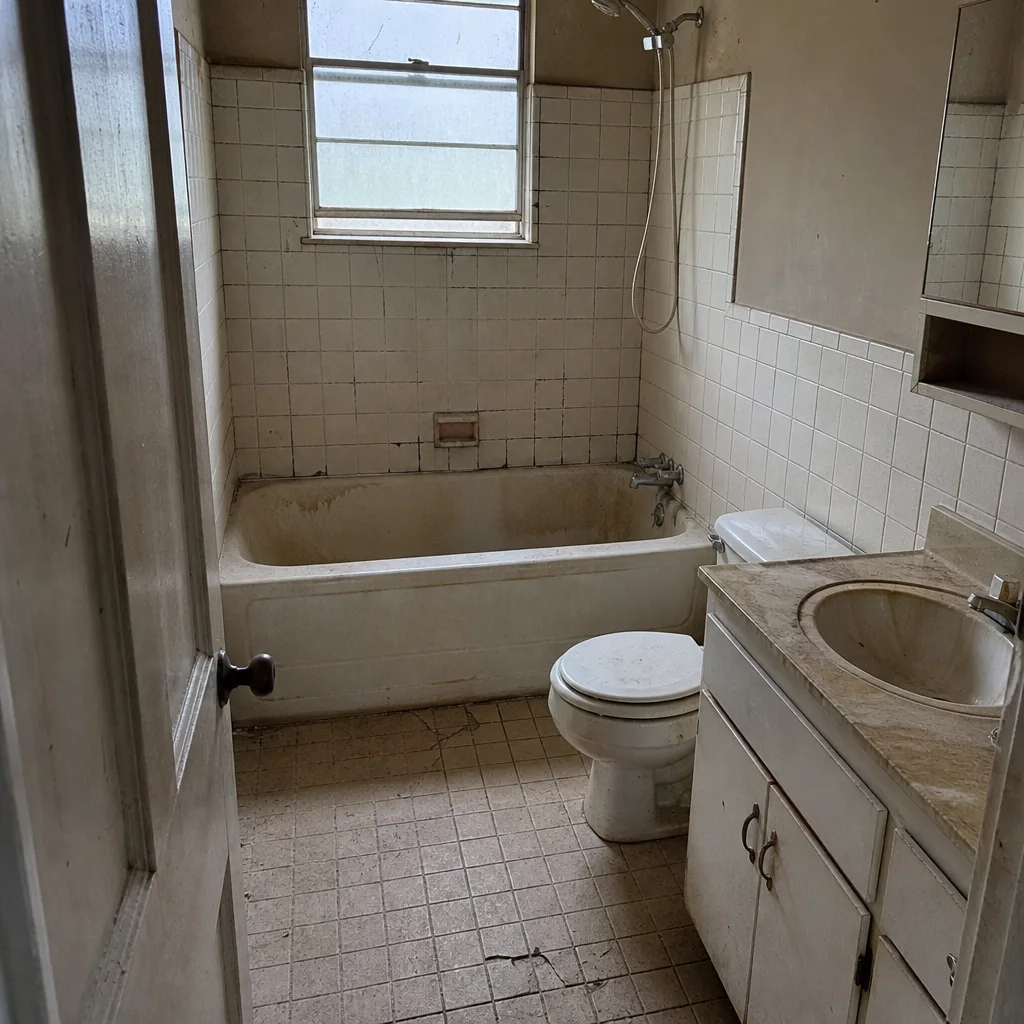 Before
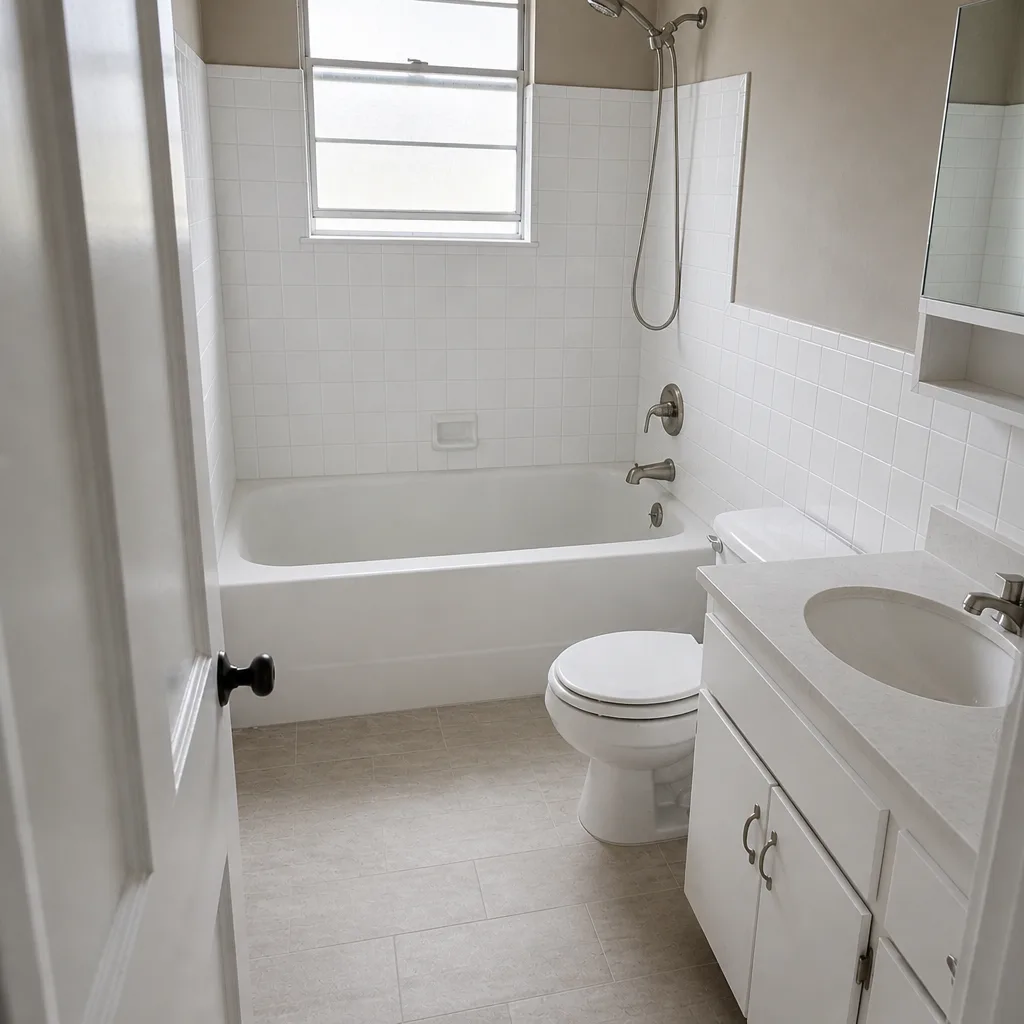 After
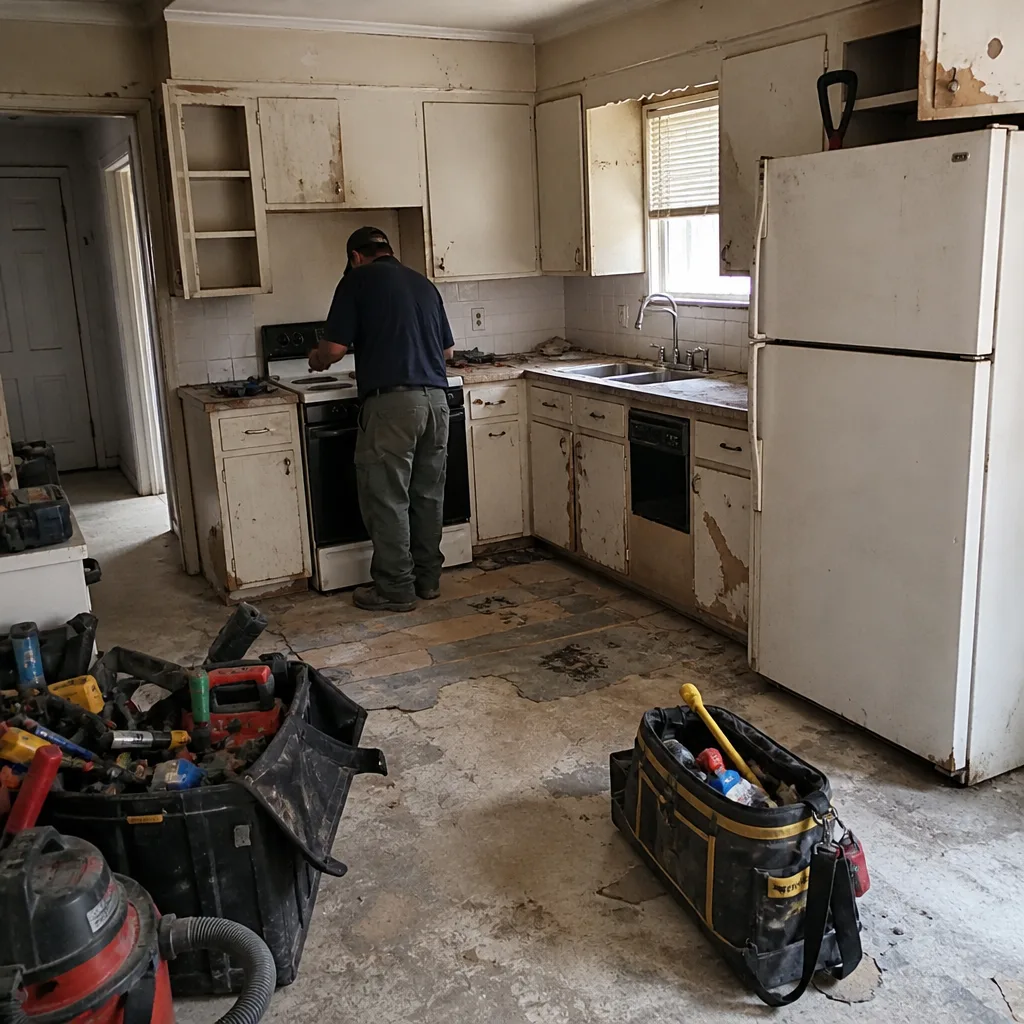 Before
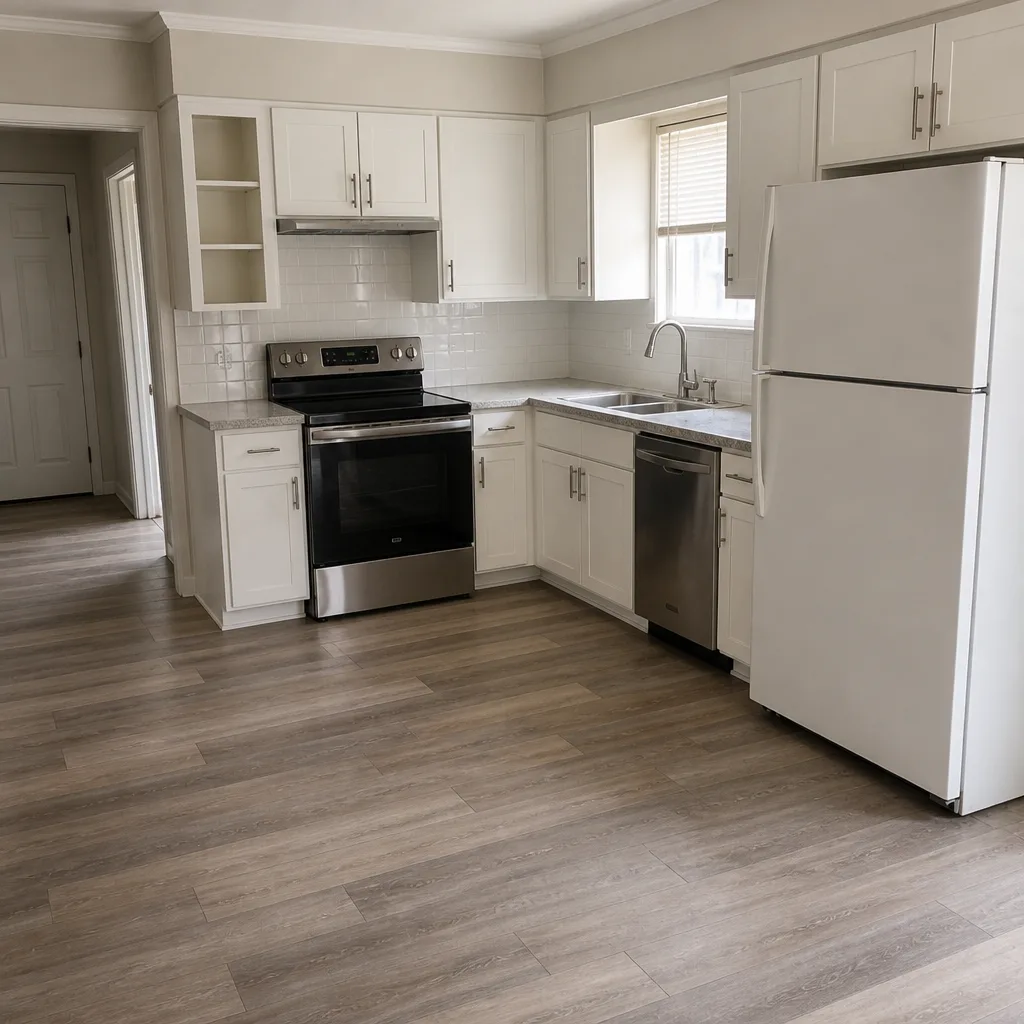 After
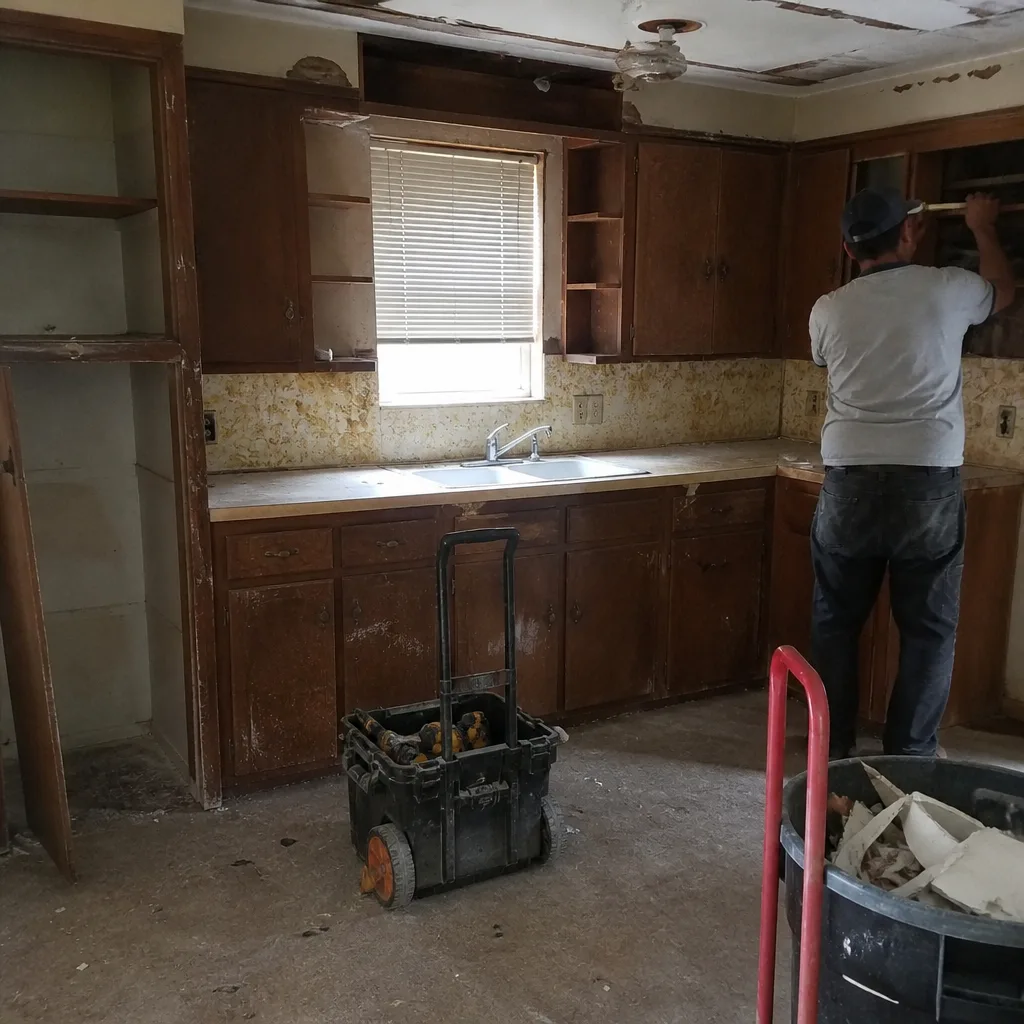 Before
 After
Attached vs Detached ADU in Fort Worth, TX: Which One Fits Your Lot?
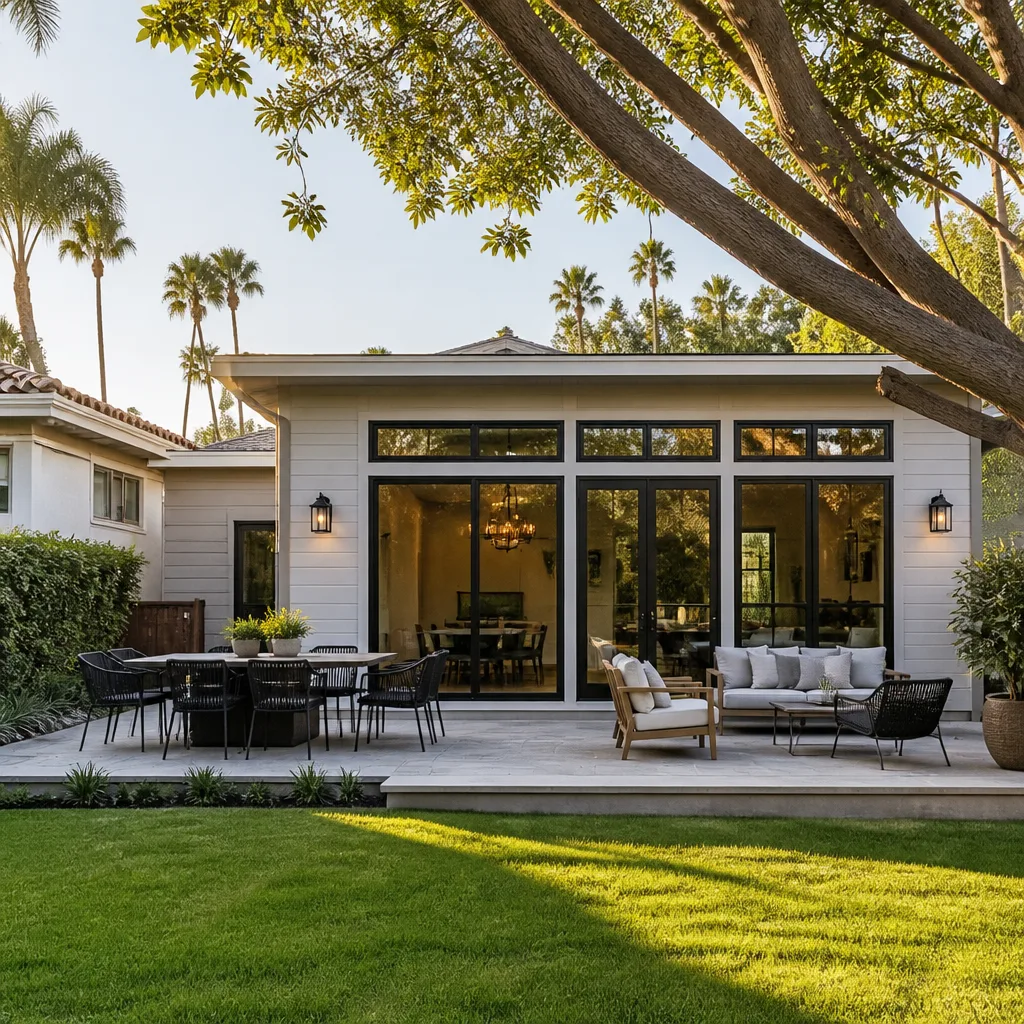
Choose a detached ADU if you want a rentable, separately metered unit and your lot can clear the setbacks; choose an attached ADU if your footprint is tight or you want to avoid a second foundation system. On Fort Worth’s expansive clay, though, the real decision is engineering before design: a detached ADU needs its own post-tension slab and grading plan, while an attached ADU shares the main slab and needs a thermal break and expansion joint where the two meet. For a written price on either path, call Rowan Construction Group Fort Worth at (833) 570-6084.
Here’s the number that rarely makes it into side-by-side ADU comparisons: on Fort Worth’s blackland-clay lots, detached ADUs cost $8,000-$18,000 more in foundation work alone than the same square footage attached to the main house. That gap shows up in every honest written quote, and it’s the difference most homeowners only discover after they’ve already committed to a plan.
Why Fort Worth’s Soil Changes the Attached vs Detached Question
Fort Worth sits on the eastern edge of the Cross Timbers, on expansive clay soils that swell when wet and shrink through summer drought. That wet-dry cycle is the defining construction concern here, and it’s why post-tension (PT) slabs and serious soil prep are standard west and south of town: a plain slab will crack as the clay heaves beneath it. For an ADU, that reality splits the decision in two very different directions.
Detached: a second foundation system, engineered to your soil
A standalone structure needs its own slab, which means a geotechnical report first, then a PT slab engineered to the soil’s plasticity index (how much the clay moves with moisture) with stiffening beams cast in. Expect roughly $12,000-$18,000 for a 400-600 sq ft footprint. You also need a grading plan that sheds water away from both the ADU and the alley utility connections; without it, clay heave can separate the structure from its plumbing over a decade.
Attached: shared slab, but not a free ride
An attached ADU rides the main house slab, so you avoid the second foundation system. But where the ADU slab meets the house slab, Fort Worth’s current energy code requires an insulated separation to stop thermal bridging, which affects both the structural joint design and the insulation spec. A contractor who hasn’t kept up with post-Uri code updates may skip this detail. Ask any builder how they handle the thermal break and expansion joint before you sign anything.
Setbacks, Privacy, and Rental Use: the Tradeoffs That Actually Decide It
Foundation costs are the hidden variable. Setbacks and rental flexibility are the visible ones.
- Setbacks: a detached ADU must clear rear and side setbacks on its own. On a narrow infill lot in Fairmount, that can squeeze the buildable footprint down to 300-350 sq ft. An attached ADU inherits the main structure’s existing setback compliance, which often allows a larger footprint.
- Rental independence: a detached unit with its own entrance, its own meter panel, and its own HVAC is more rentable and more saleable as a standalone unit. An attached ADU shares walls, may share HVAC, and limits how independently you can lease it.
- Historic review: in Fairmount and near the Stockyards, exterior changes run through the Historic and Cultural Landmarks Commission before you can pull the permit, so a front-facing attached addition carries its own timeline.
Compare the two in one place:
| Factor | Detached ADU | Attached ADU |
|---|---|---|
| Foundation | Own PT slab, geotech report, stiffening beams ($12,000-$18,000 for 400-600 sq ft) | Shares main slab; thermal break + expansion joint required |
| Setbacks | Must clear independently (can shrink footprint to 300-350 sq ft) | Inherits main structure’s compliance |
| Rental flexibility | Separate meter, entrance, HVAC – fully independent | Shared walls, possibly shared HVAC |
| Fort Worth ADU range | $90,000-$220,000 depending on size, finishes, and site work | |
What an Honest Fort Worth ADU Quote Looks Like (and What It Costs)
Both options land in the same broad range in Fort Worth: $90,000-$220,000 for ADU construction, part of a wider home addition range of $45,000-$130,000 for attached work that doesn’t include a full kitchen and bath. The number that matters is how the quote is built.
At Rowan, the price is a written flat number with a written scope before any work starts, and the line items name brands rather than allowances. That means Kohler or Toto fixtures, KraftMaid or Wellborn cabinetry in the kitchenette, and GAF or Owens Corning roofing on the detached unit – so the written price holds when materials are ordered, not just when the estimate is signed. No work proceeds on a change until a signed change order is in place, which is how projects stay within a few percent of the agreed cost.
Under Clause 1 of The Haven Standard, the price is written before anyone picks up a tool. That’s not a slogan; it’s the process. Our technicians have up to 19 years of experience, every crew member is background-checked and uniformed, calls are answered by a live person 24/7, and every visit includes a documented photo record as a standard deliverable. If a competitor’s written estimate is sitting on your counter, we’ll review it line by line at no charge through our Free Second Opinion.
Ready to see the two options priced against your lot? Start with our Home Additions & ADU in Fort Worth page, and you can always return to our home page for the full picture.
FAQs
Attached is usually cheaper. On Fort Worth clay, the same footprint attached to the house typically saves $8,000-$18,000 in foundation work because you skip the second post-tension slab, geotech report, and grading plan. Call (833) 570-6084 for an exact quote – estimates are free.
Yes, in the clay-soil zones. A standalone structure needs its own slab engineered to the soil’s plasticity index, with stiffening beams to resist clay heave – typically $12,000-$18,000 for a 400-600 sq ft footprint. A geotechnical report comes first.
Yes, and that’s the main draw. With its own entrance, meter panel, and HVAC, a detached unit functions as independent living space. An attached ADU shares walls and may share HVAC, which limits how separately you can lease it.
Often 300-350 sq ft for a detached unit, because it must clear rear and side setbacks independently. An attached ADU inherits the main house’s setback compliance and can allow more square footage. Call (833) 570-6084 to walk your lot with us.
If you’d rather have it looked at, Rowan Construction Group Fort Worth offers a no-pressure assessment in Fort Worth – call (833) 570-6084. We’ll bring the written price, the soil question, and the setback math, and you decide from there.
Written by the team at Rowan Construction Group Fort Worth, serving Fort Worth, TX.